

What Is a Vibrating Spiral Elevator?
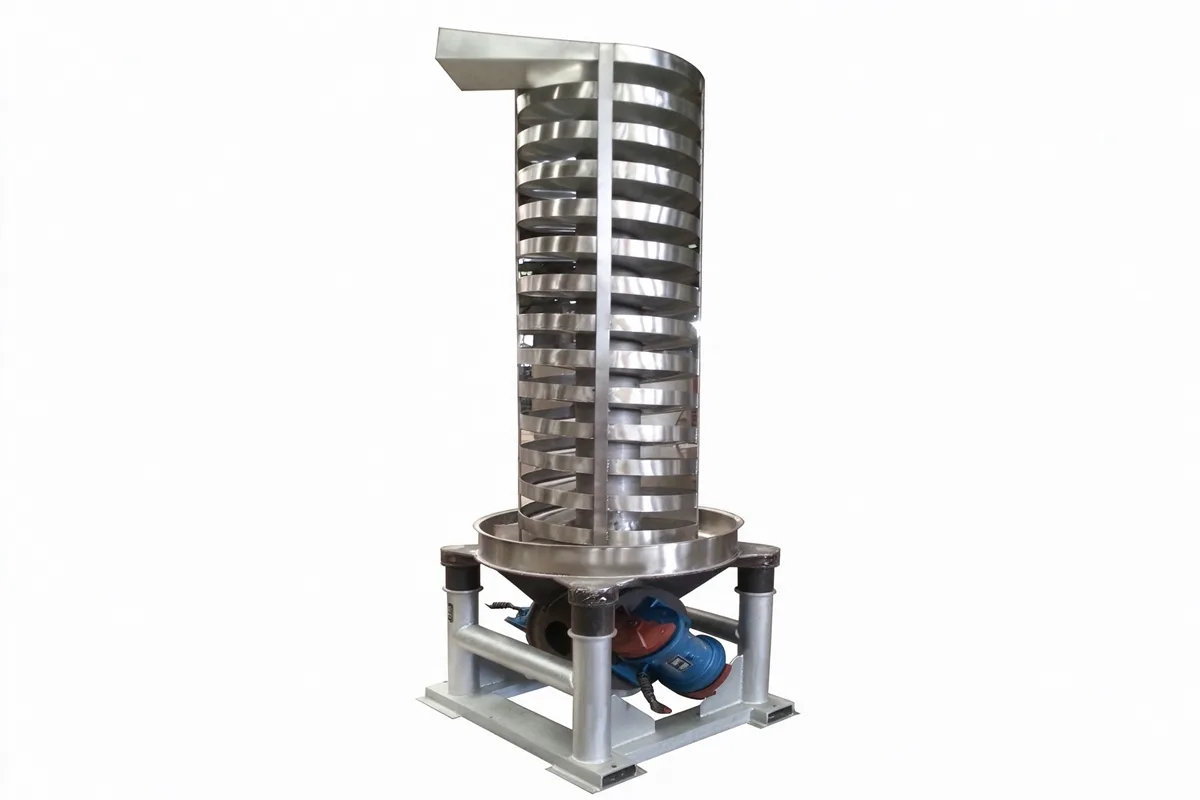
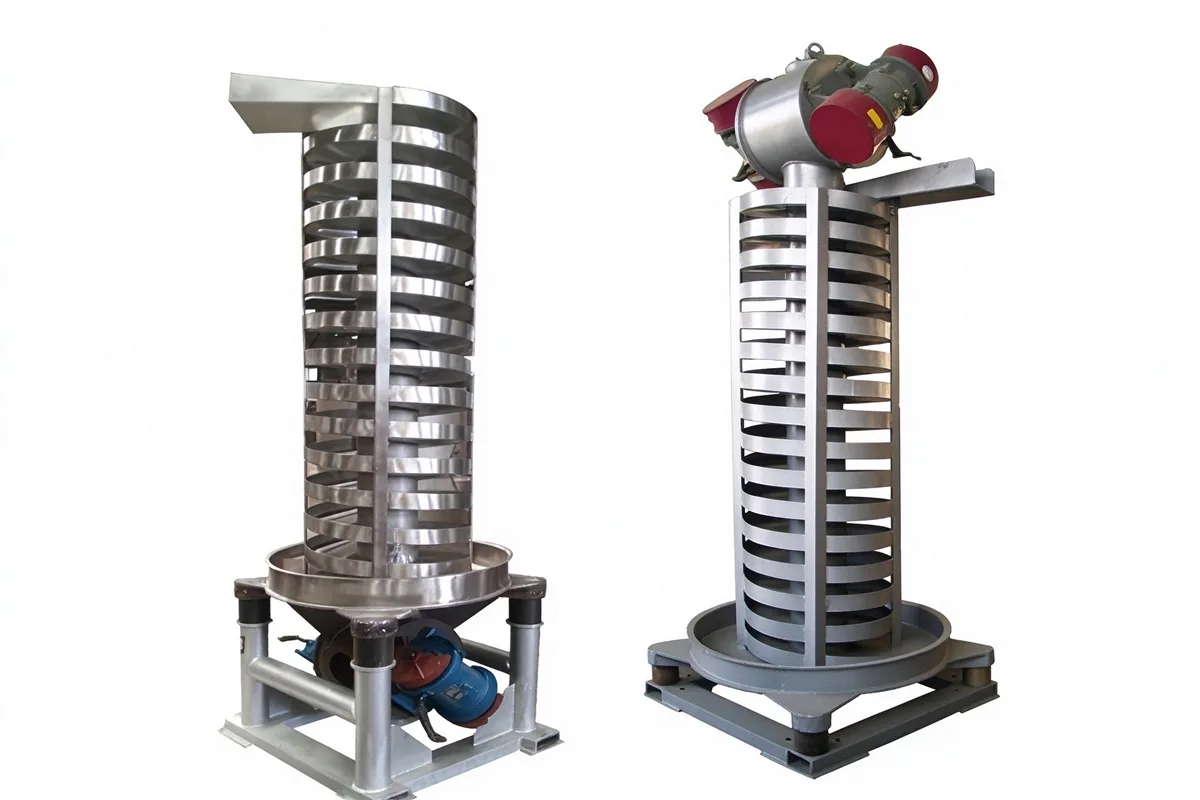
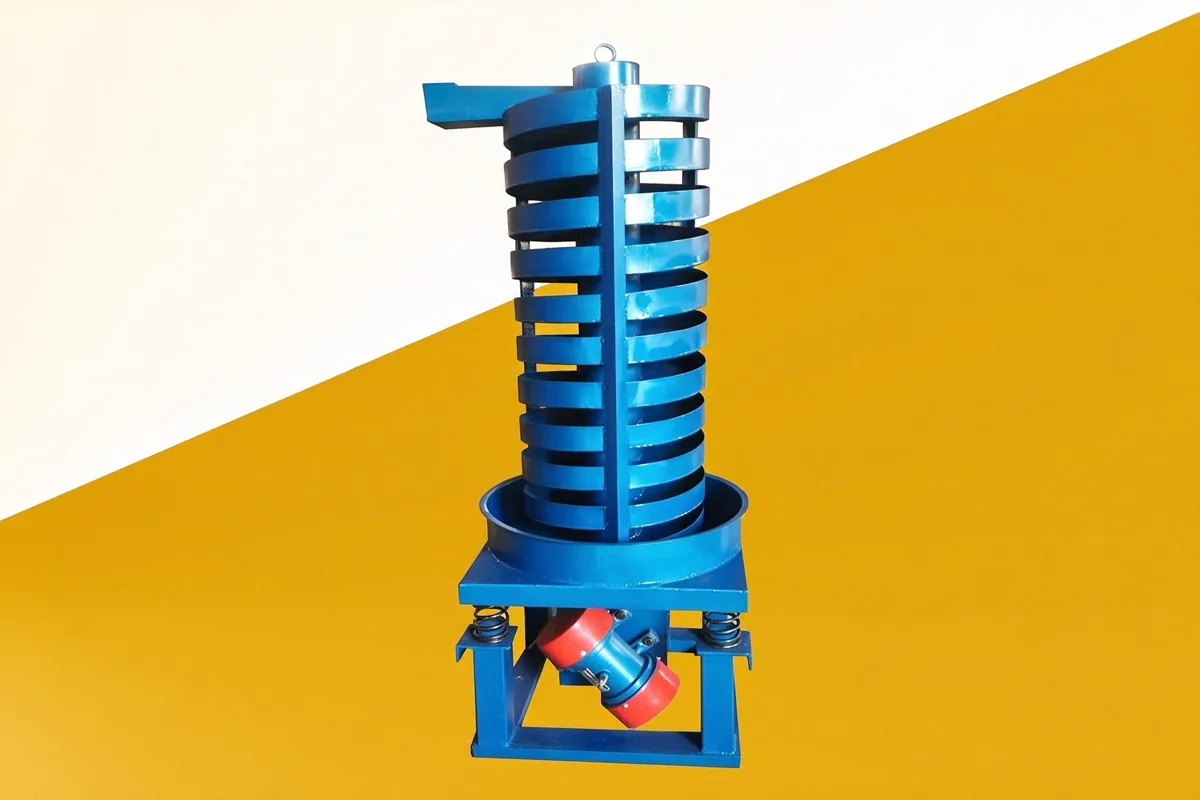
A vibrating spiral elevator lifts bulk material along a helical trough using vibration. The GUO FENG DZC series uses two counter-rotating vibration motors to move the trough around a central tube. Material enters at the bottom, advances upward in small steps, and leaves through the top outlet.
The DZC is a vertical vibration elevator for suitable powders, granules, and small lumps. The listed range covers 1–4 t/h, model-dependent lifting heights of 2–8 m, and spiral trough diameters of 300–950 mm. Confirm performance against bulk density, moisture, particle size, and flow behavior. Sticky or bridging material requires a conveying trial before selection.


Conditions Requiring a Different Solution
- Conveying capacity exceeds the range: The required conveying capacity exceeds 4 metric tons per hour.
- Lifting height exceeds the range: The required lifting height exceeds 8 meters.
- Excessively large material particle size: Material particle size exceeds approximately 50 mm.
- Sticky or smeary materials: These materials tend to adhere to the trough surface, impairing conveyance.
- Materials prone to solidification or bridging: These materials may obstruct the continuous flow of material along the spiral trough.
When to Choose the DZC
- Suitable Materials: Suitable for appropriate powders and granular materials.
- Conveying Capacity: Conveying capacity is 1–4 metric tons per hour.
- Lifting Height: Up to 8 meters.
- Situations Where the DZC Conveyor Is Preferred: Production lines requiring a compact vertical layout and where gentle material handling is a high priority.
How a Spiral Vibrating Elevator Works
Vibratory Conveying Cycle
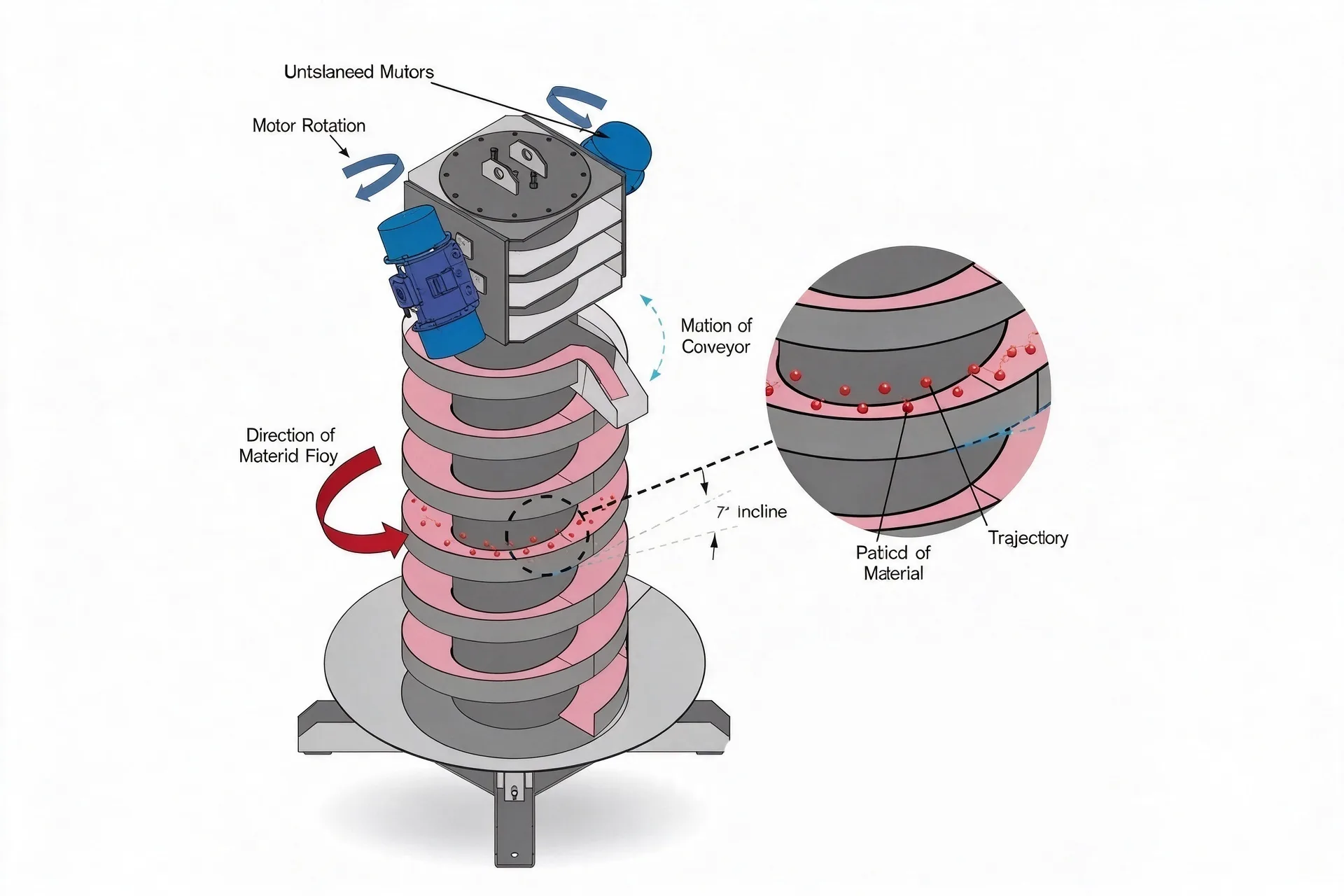
The DZC conveys material through a repeated vibration cycle. The process includes controlled feeding, upward movement along the spiral trough, top discharge, and spring isolation of the vibrating structure.
Feeding
Material enters through the inlet throat and lands on the first turn of the spiral trough. A steady, controlled feed helps maintain an even material layer and prevents the inlet from overloading the trough.
Lift Along the Helix
The two vibration motors generate a controlled motion in the trough. Material is lifted and advanced in small increments along the spiral path until it reaches the upper section.
Discharge
At the top of the spiral, material flows through the discharge chute into the next process, storage silo, or packaging line.
Isolation
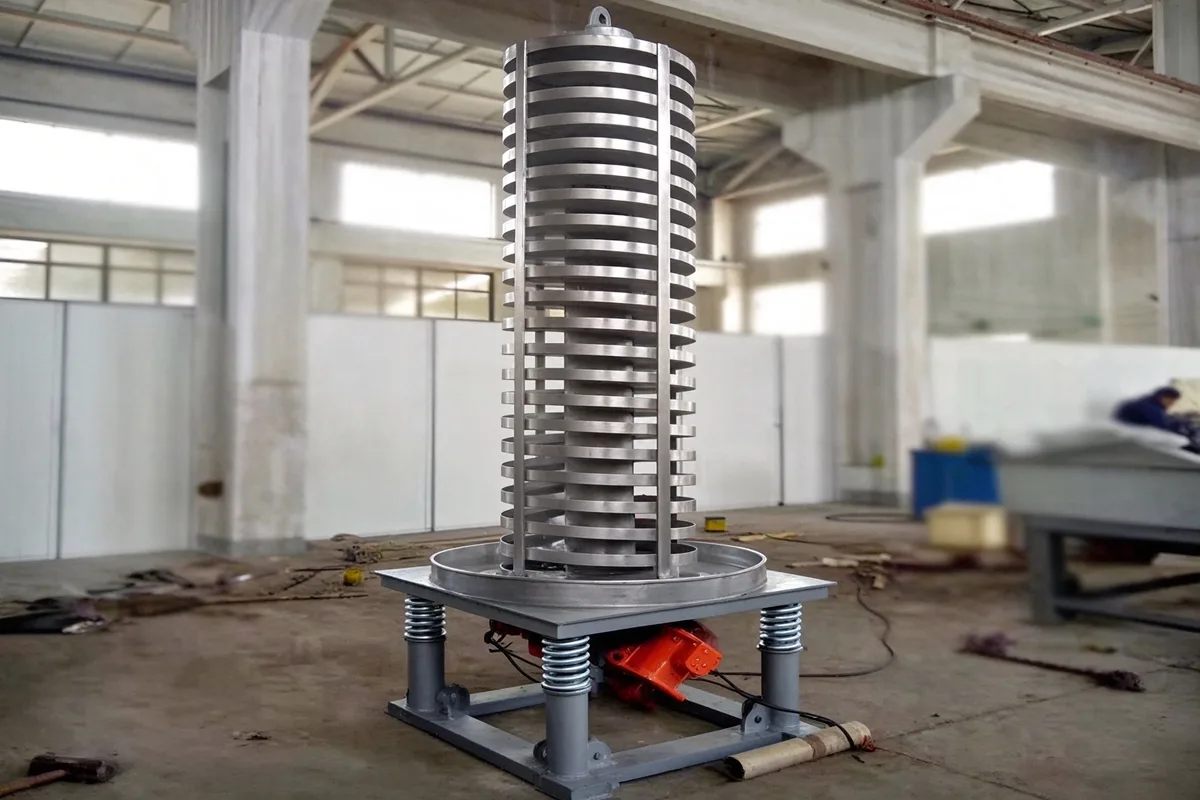
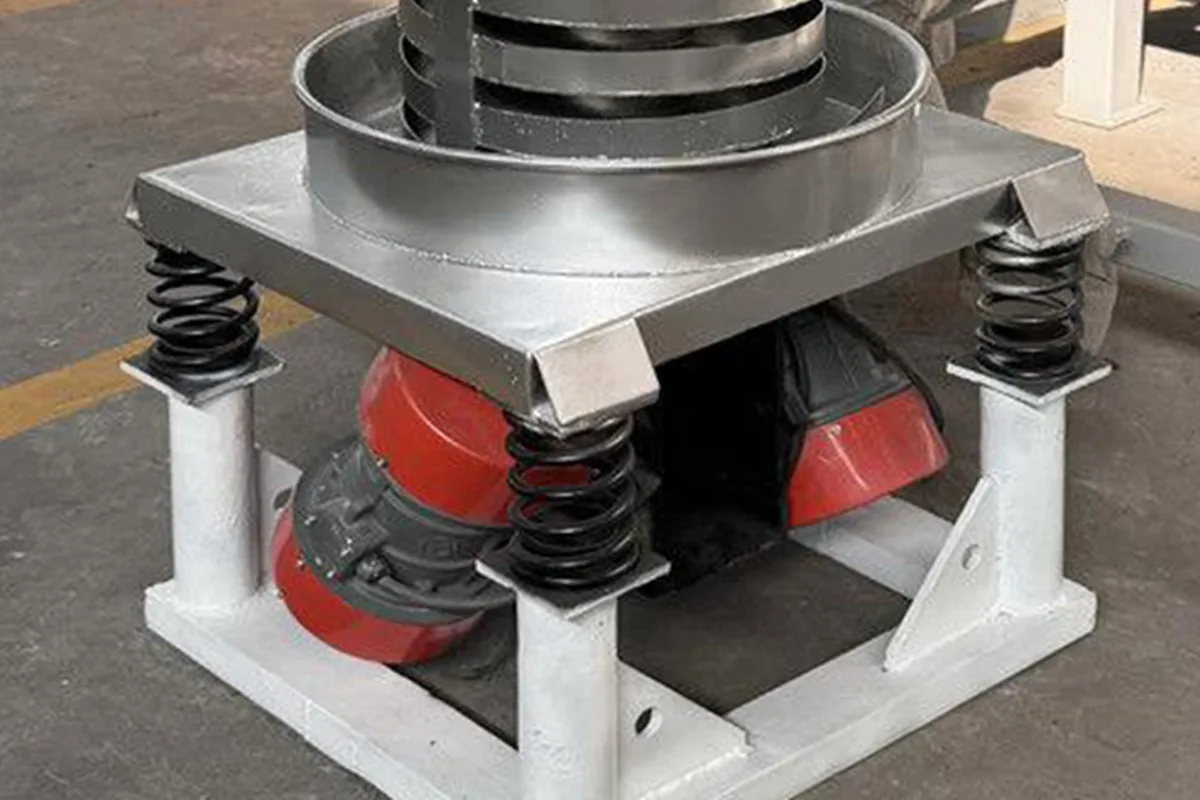
Steel isolation springs support the vibrating assembly and reduce the transmission of vibration to the supporting floor or structure.
Trough, Drive and Support Structure
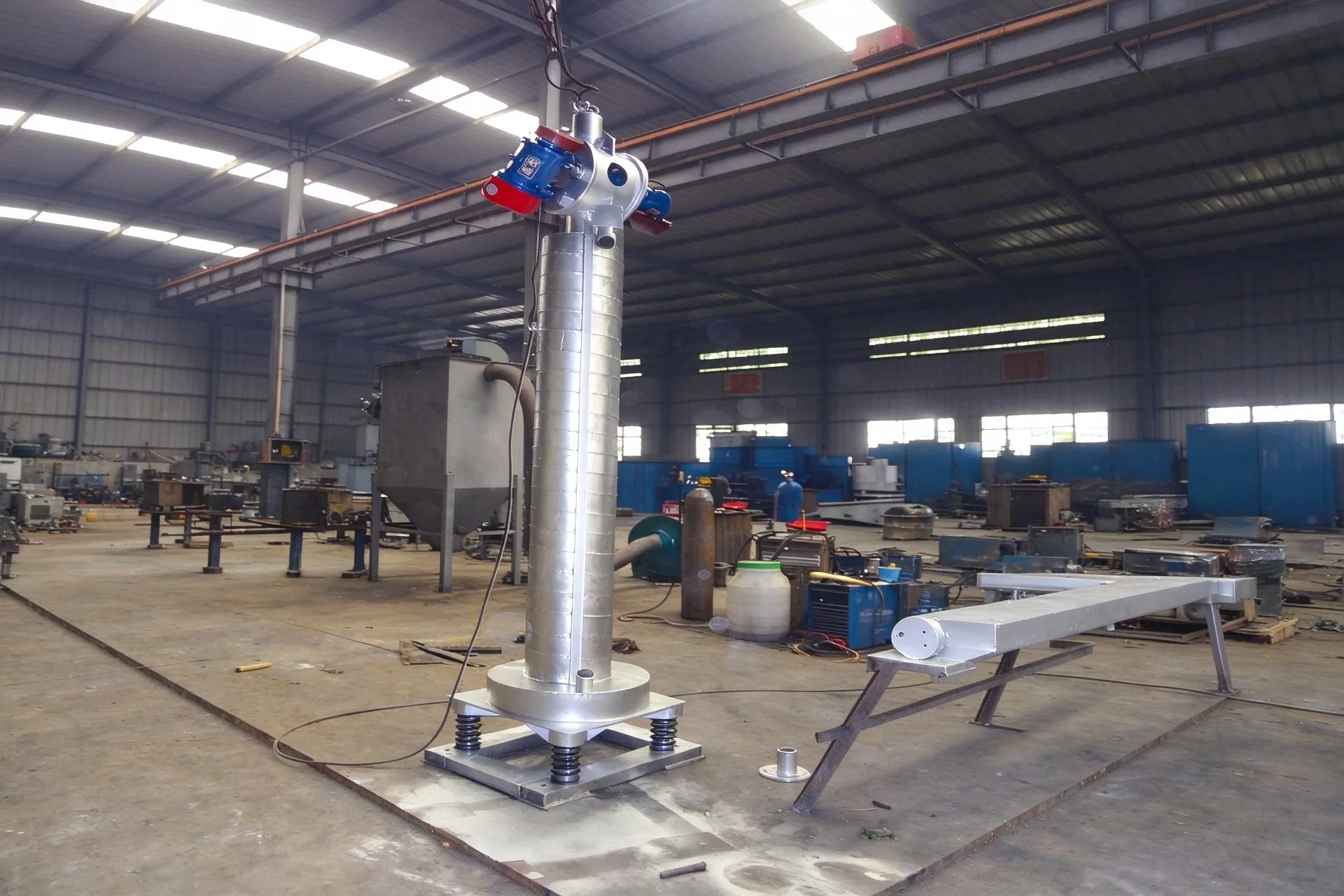
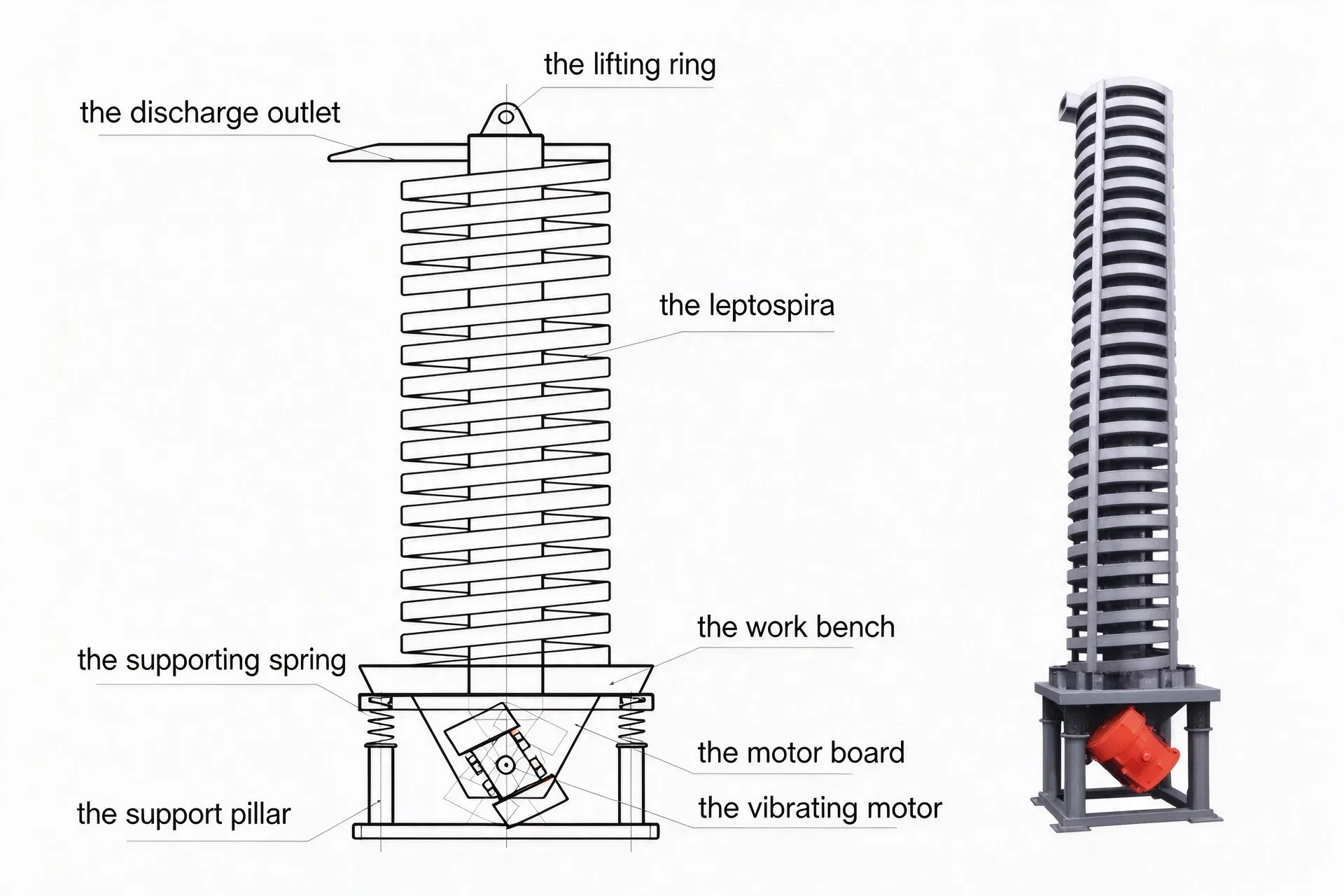
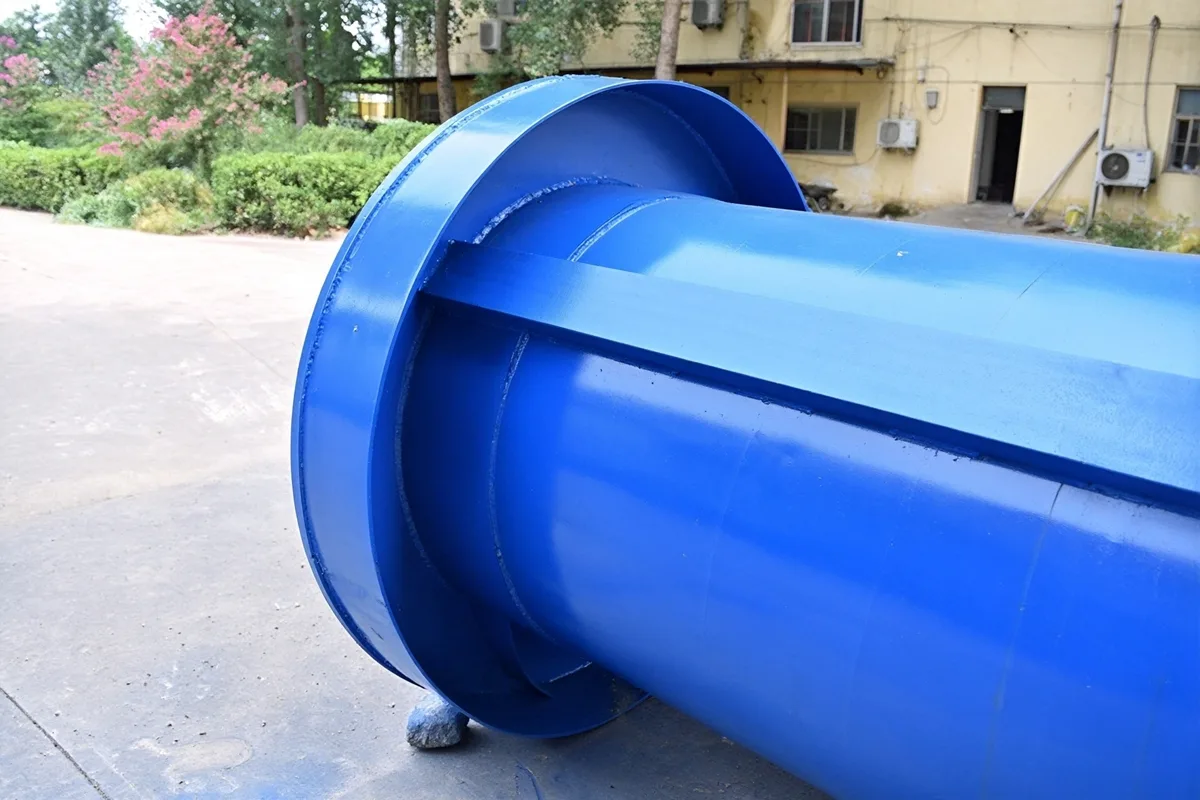
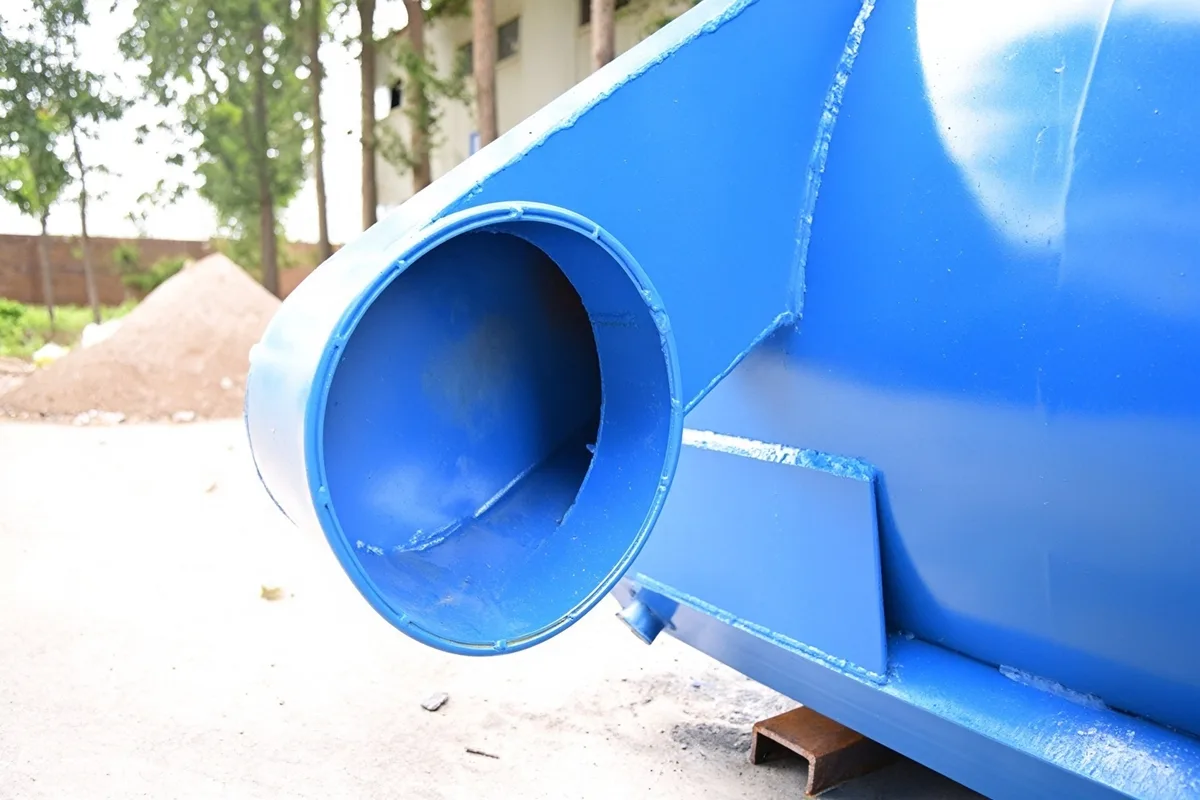
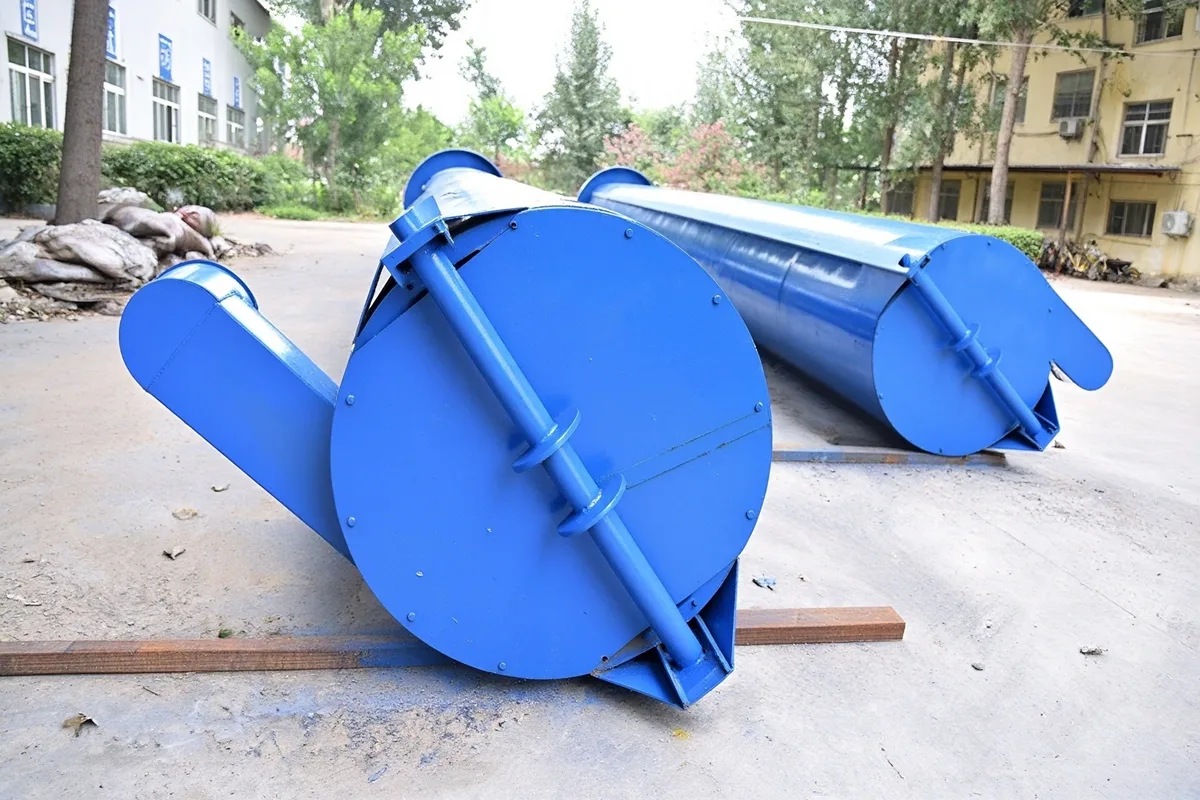
The DZC consists of a spiral trough, centre tube, vibration drive, spring isolation system, supporting frame, and inlet and discharge connections. Together, these components provide vertical conveying in a compact layout while limiting vibration transfer to the foundation.
| Part | Function |
|---|---|
| Spiral trough | Carries material along the vertical spiral path |
| Centre tube | Forms the centre of the spiral and supports structural rigidity |
| Trough cover | Encloses the conveying area and can accommodate air connections |
| Inlet throat | Directs incoming material onto the first turn |
| Discharge chute | Guides material from the top of the trough to the next process |
| Isolation springs | Support the vibrating assembly and reduce vibration transfer to the foundation |
| Vibration motors ×2 | Generate the vibration used to convey material |
| Motor mounts | Support the motors and establish their mounting position |
| Base frame | Supports the elevator and transfers its load to the foundation |
| Flexible sleeves | Connect moving inlet and outlet sections to fixed plant pipework |
CONTACT US
Connecting the elevator to an existing silo and ductwork?
Vibrating Spiral Elevator Components

Vibration Settings and Stable Material Flow
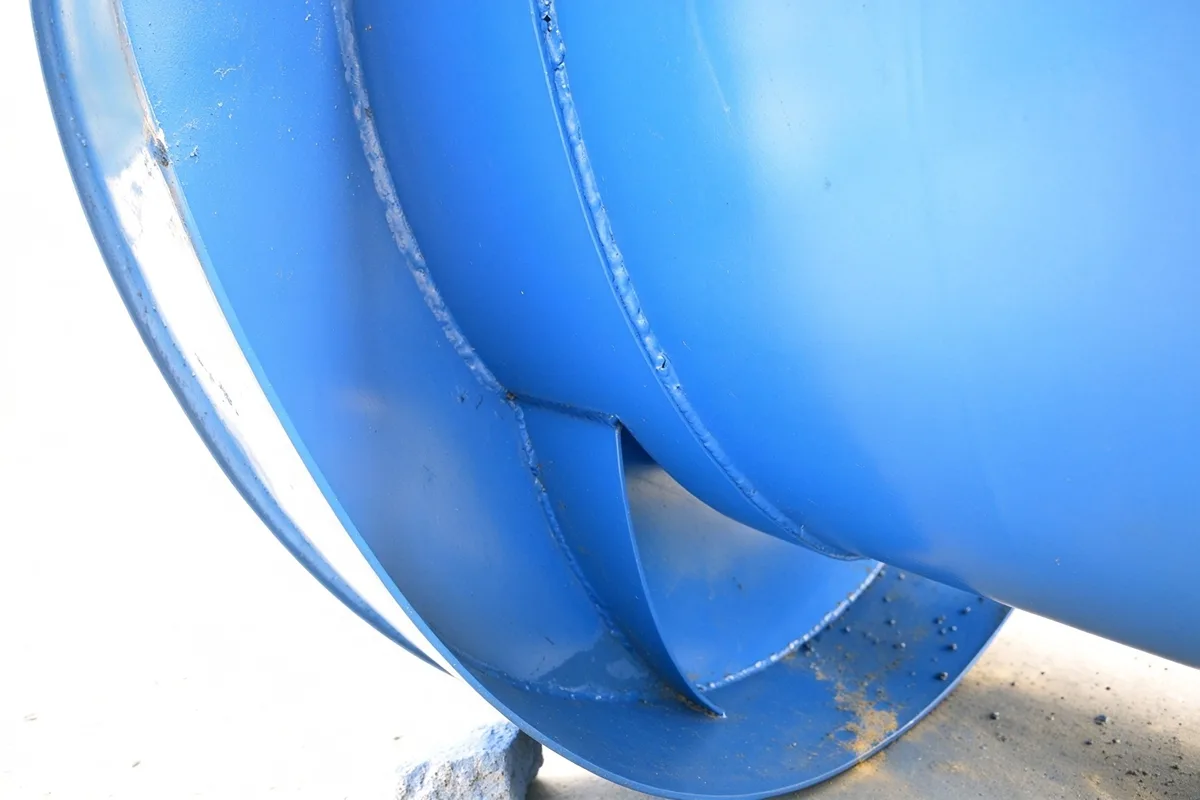
The vibration frequency and amplitude determine how material advances along the spiral trough. The DZC operates at 960 rpm, with a model-dependent double amplitude of 6–9 mm. Correct matching of the motor settings and spring system helps maintain a stable conveying action and the required throughput.
Changes to trough weight, liners, springs, or material load affect the vibrating system. Have the manufacturer review the drive and spring arrangement for the assembled machine. Adjustments should follow its operating instructions and be checked with the actual product under controlled feeding.
| Operating condition | Possible effect | Recommended check |
|---|---|---|
| Heavier trough or liner | May reduce working amplitude and conveying capacity | Check the motor settings against the assembled mass |
| Feed above rated capacity | May overload the first turn and interrupt conveying | Control the inlet feed rate |
| Worn or damaged spring | May cause uneven vibration | Inspect and replace the spring set as required |
| Loose anchor or unsuitable foundation | May increase vibration transmission and operating noise | Check the anchors and supporting foundation |
Features for Compact Vertical Conveying
Vibratory spiral elevators combine vertical transfer with a helical conveying path in a compact layout. The DZC is an option where suitable bulk solids need controlled elevation between processing stages, with covered-trough and process-air options assessed for the application.
Compact Vertical Layout
The vertical design reduces the floor space needed to raise material compared with a long inclined conveyor. This is useful where production equipment, walkways, or existing structures leave limited room for conveying.
Gentle Material Transfer
The vibratory conveying action moves suitable pellets, crystals, seeds, and snack pieces without a rotating screw pushing against the product. This helps reduce breakage and fines where product shape and quality matter.
Conveying with Cooling or Drying
A suitably configured closed trough can use process air to support cooling or drying during elevation. This can combine vertical transfer with an additional process step and reduce the need for separate equipment.
Enclosed, Dust-Controlled Conveying
A covered trough with flexible inlet and outlet connections helps contain dust and connect the elevator to the surrounding production line. An extraction connection can also be included where required.
Feeding and Line Integration
A spiral elevator conveyor needs a controlled inlet feed to maintain a consistent material layer. Match the upstream feeder output to the selected DZC model and keep flexible connections clear of the moving structure. Overfeeding can cause accumulation at the first turn and interrupt elevation.
Material can be supplied by a hopper with a gate, a short screw feeder, or a vibrating feeder. The feeder should deliver material at a controlled rate matched to the DZC’s rated capacity. The inlet can be arranged for side entry or in-line connection, with the throat manufactured to suit the required flange.
| Feed arrangement | Suitable use | Selection note |
|---|---|---|
| Hopper with manual gate | A single product with a relatively steady feed rate | The gate must be adjusted to avoid overfeeding |
| Short screw feeder | Powders requiring controlled, continuous feeding | Set the feeder output within the elevator’s rated capacity |
| Vibrating feeder | Granules or products requiring a gentle, even feed | Match the feeder width and discharge position to the inlet |
| Rotary valve | Feeding from a silo where controlled discharge is required | Check sealing and wear requirements for the material |
Spiral Elevator vs Screw Conveyor and Bucket Elevator
The DZC moves material by vibrating the spiral trough. A rotating screw conveyor uses an auger inside a casing, while a bucket elevator carries material in buckets attached to a belt or chain. Compare the material path, required throughput, lift height, product breakage, cleaning access, and process-air needs before choosing a system.

DZC Spiral Elevator
- Vibration-driven conveying
- Vertical or steep-angle lifting
- Suitable for powders and granules
Screw Conveyor
- Rotating screw blade
- Horizontal or inclined conveying
- Suitable for powders and bulk materialsHorizontal conveying
Bucket Elevator
- Belt- or chain-driven buckets
- Vertical material transport
- Suitable for large-volume bulk handling
For a chain-and-bucket design, review the TH ring chain bucket elevator. For enclosed auger conveying, compare the GX / LS screw conveyor. The operating range of each system must be checked separately.
CONTACT US
Choosing between a DZC elevator and a bucket elevator?
DZC Vibrating Spiral Elevator Specifications
The DZC series includes eight listed models with trough diameters of 300–950 mm and capacities of 1–4 t/h. Maximum lift height varies by model, from 2 m for the DZC300 to 8 m for the DZC950. Compare capacity and lift height together; the largest diameter does not automatically mean the highest throughput for every duty. Confirm the final selection with your material data.
| Model | Capacity (t/h) | Spiral trough (mm) | Lift height (m) | Frequency (rpm) | Double amplitude (mm) | Power (kW) | Weight (kg) |
|---|---|---|---|---|---|---|---|
| DZC300 | 1.0 | 300 | ≤2.0 | 960 | 6–7 | 2×0.4 | 800 |
| DZC500 | 2.0 | 500 | ≤3.0 | 960 | 6–8 | 2×0.75 | 1150 |
| DZC550 | 3.0 | 550 | ≤3.5 | 960 | 6–8 | 2×1.5 | 1300 |
| DZC600 | 3.0 | 600 | ≤4.0 | 960 | 6–7 | 2×1.5 | 1500 |
| DZC800 | 4.0 | 800 | ≤4.5 | 960 | 6–8 | 2×2.2 | 1750 |
| DZC850 | 4.0 | 850 | ≤5.0 | 960 | 6–9 | 2×2.2 | 2300 |
| DZC900 | 3.5 | 900 | ≤6.0 | 960 | 6–9 | 2×3.0 | 2600 |
| DZC950 | 4.0 | 950 | ≤8.0 | 960 | 6–9 | 2×3.7 | 3200 |
Trough, Cooling and Installation Options
Configure the vibratory spiral elevator for the material, required lift, process connections, and cleaning needs. Cooling or drying requires a separate review of product temperature, moisture, feed rate, air conditions, and residence time; it is not established by conveying capacity alone. Confirm the options below in the quotation.
| Option | Available configuration | Purpose |
|---|---|---|
| Trough diameter | 300 / 500 / 550 / 600 / 800 / 850 / 900 / 950 mm | Selects the conveying section for the required duty |
| Lift height | 2.0–8.0 m, depending on model | Matches the floor-to-floor distance |
| Contact material | Carbon steel / 304 / 316L stainless steel | Matches corrosion and product-contact requirements |
| Surface finish | Standard / polished / food-grade finish | Supports product residue control and cleaning requirements |
| Trough cover | Open / closed / insulated | Addresses dust containment, heat loss, and process requirements |
| Process air | Ambient / warm air / chilled air | Supports cooling or drying during conveying |
| Drive | 2×0.4–2×3.7 kW; 380–460 V; 50/60 Hz | Matches site power and operating requirements |
| Motor protection | Standard / explosion-proof | Selected according to the site environment |
| Inlet and outlet | Side entry or in-line; flange made to drawing | Connects the elevator to existing equipment |
| Control | Local starter / VFD / PLC interface | Supports feed-rate adjustment and plant control |
For an enclosed rotating-auger option, compare the GX / LS Screw Conveyor against the DZC for your material and plant layout.
CONTACT US
Does the product need cooling after a dryer?
Applications for Powders, Pellets and Granules
Vibrating spiral elevators are used to raise suitable bulk solids between storage, processing, cooling, and packaging stages. The DZC can be assessed for food ingredients, chemical powders, plastics, minerals, and feed products. Material trials help confirm flow, discharge, and product condition for the proposed duty.

Food Processing
Sugar, starch, breadcrumbs, and snack pieces can be elevated between processing, weighing, and packaging equipment. A closed-trough configuration can also help contain airborne powder.

Chemical and Powder
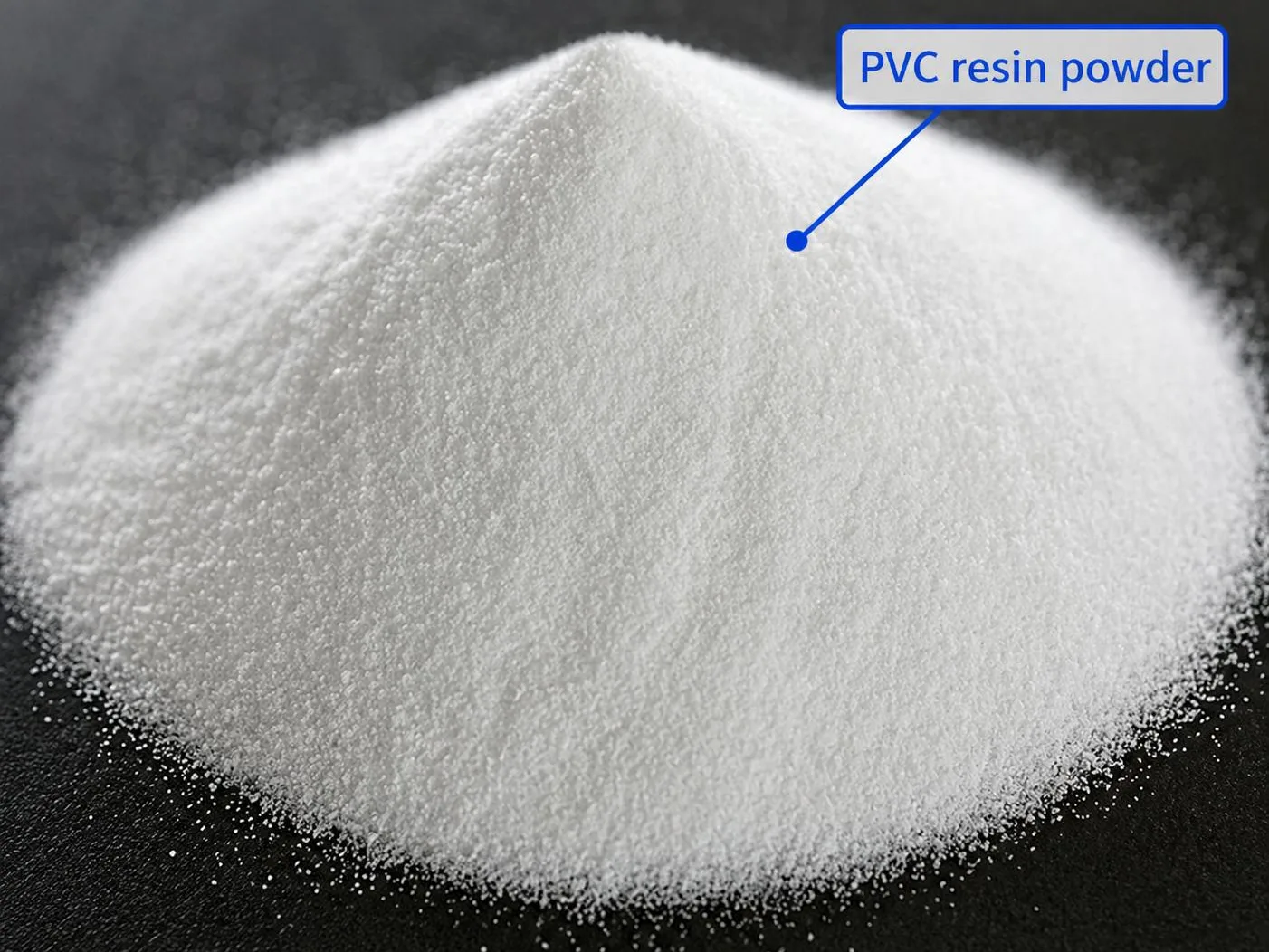
Pigments, resins, and detergent powders can be transferred in a covered trough. Stainless steel contact parts, such as 304 or 316L, are available for applications with specific material-contact requirements.
Plastics and Masterbatch
Plastic pellets and masterbatch granules can be elevated between storage, cooling, and packaging stages. Where required, process air can be introduced to support cooling during conveying.

Battery and Metal Powder
Fine battery and metal powders can be handled in a closed, gasketed trough configuration to help contain dust and limit product exposure to the surrounding environment.

Building Materials and Minerals
Sand, cement, and perlite can be transferred between storage, feeding, and mixing equipment. Trough material and wear protection should be selected according to the abrasiveness of the product.

Feed and Grain
Feed meal, grain, and pellets can be elevated into storage bins or downstream processing equipment. The vibratory conveying action can help reduce impact-related damage to suitable pellets.
When planning access and protection around moving machinery, review the OSHA machine guarding requirements.
CONTACT US
How can we check whether the material is suitable?
DZC Model Selection and Technical Support
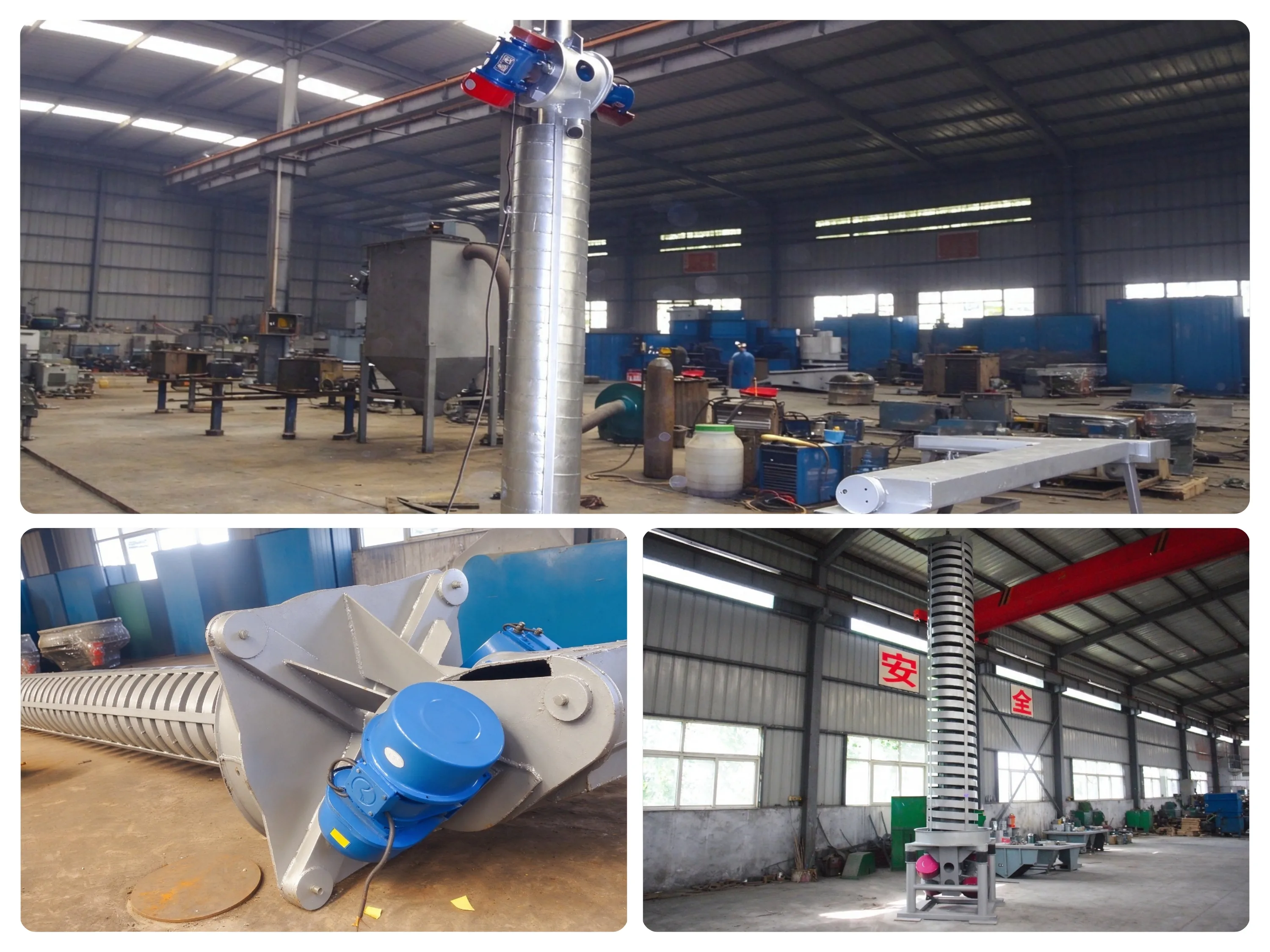
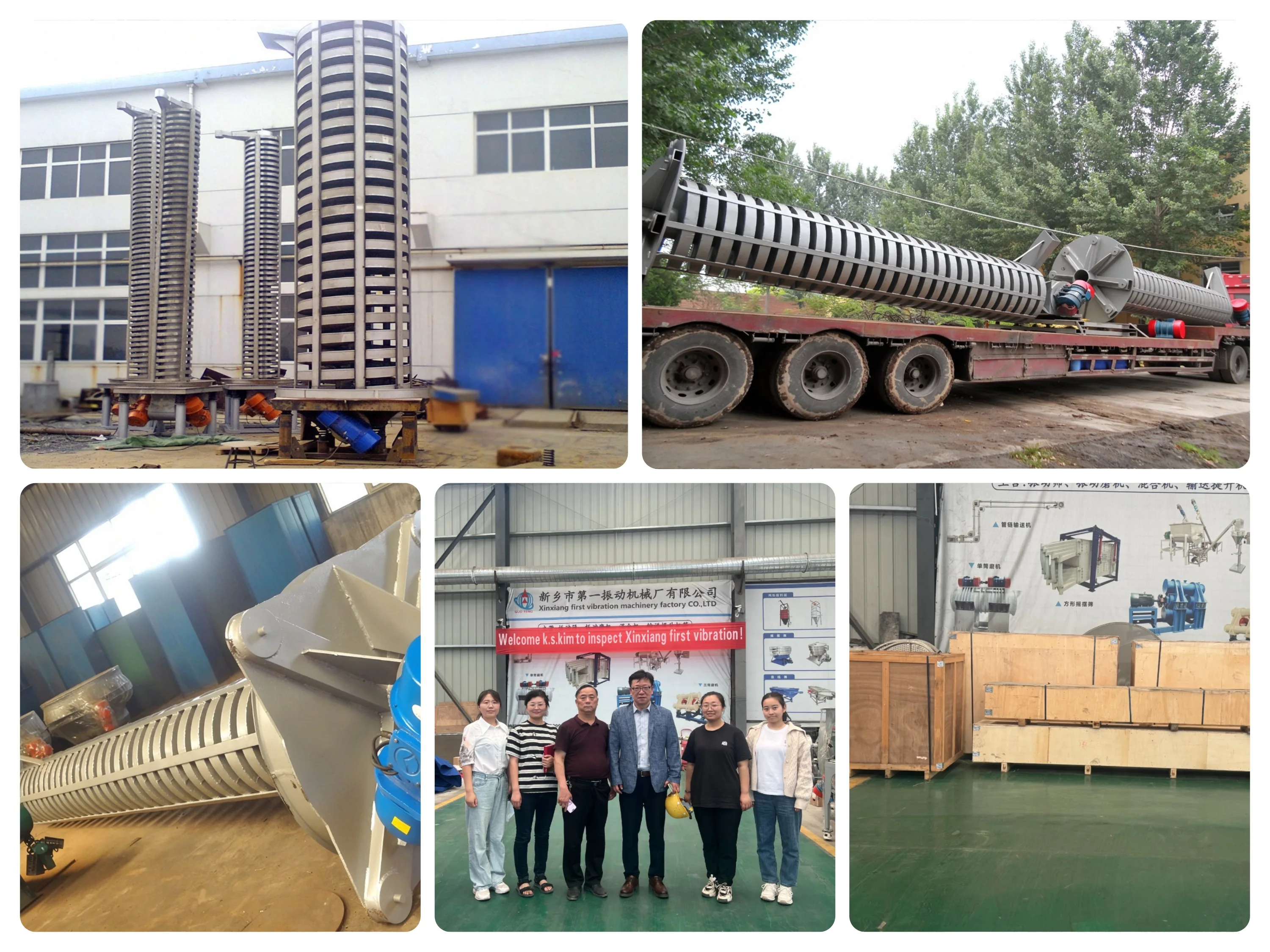
Founded in 1999, GUO FENG manufactures vibration equipment for screening, feeding, and conveying applications. Its production capabilities include equipment design, component machining, welding, assembly, and inspection. For the DZC vibrating spiral elevator, GUO FENG provides model selection and configuration based on material properties, capacity, lifting height, and site connections, together with customization, material testing, technical support, and pre-delivery inspection.
Cooling and Drying Duty During Spiral Elevation
A vibrating spiral elevator lifts material by trough vibration; it is different from a rotating screw conveyor. Select the DZC model using capacity, lift, particle size and material flow together.
For cooling or drying, provide inlet and target outlet temperatures, moisture conditions and feed rate. Process-air conditions, residence time and the complete trough arrangement need separate review; conveying capacity alone does not establish thermal performance.
FAQ
How high can a DZC vibrating spiral elevator lift?
The maximum lifting height is 8 m for the DZC950. The maximum height varies by model, from 2 m for the DZC300 to 8 m for the DZC950. For requirements above 8 m, compare a bucket elevator or another suitable conveying system.
Is a spiral vibration elevator the same as a vertical screw conveyor?
A spiral vibration elevator advances material by vibrating its helical trough. A vertical screw conveyor uses a rotating auger inside a tube. The DZC uses the vibratory method. A bucket elevator uses a third arrangement, with buckets attached to a belt or chain. Select between them using material behavior, capacity, height, and process requirements.
What lump size and material can it take?
The DZC is intended for suitable powders, granules, and small lumps. The existing product specification gives an approximate lump-size limit of 50 mm, but acceptable size also depends on material shape, flow, and trough configuration. Provide a representative sample and bulk density to confirm conveying capacity and suitability.
Can it handle wet or hot material?
The suitability of wet material depends on its surface moisture and tendency to adhere to the trough. Material that sticks or smears may interrupt conveying. For hot material, provide the operating temperature and required throughput so the trough, seals, and other components can be assessed.
Can it cool or dry the product during the lift?
A suitably configured covered trough can use process air to support cooling or drying during elevation. The result depends on the material, feed rate, air temperature and volume, moisture load, and residence time. Agree the required inlet and outlet product conditions before selecting the equipment.
How much product stays inside, and how do you clean it?
Material retention and cleanability depend on the trough, cover, discharge, and access arrangement. For applications involving product or colour changes, discuss the required access, surface finish, and cleaning procedure when specifying the machine.
What wears first, and what should I stock?
Wear depends on the material and operating conditions. Components that may require periodic inspection include the isolation springs, trough liner if fitted, and vibration-motor bearings. The maintenance schedule and recommended spare parts should be based on the actual duty.
What do you need to quote?
For a quotation, provide the material name and bulk density, required capacity, lifting height, lump size, moisture condition, inlet and outlet positions, contact material, site voltage and frequency, and whether cooling or drying is required.