
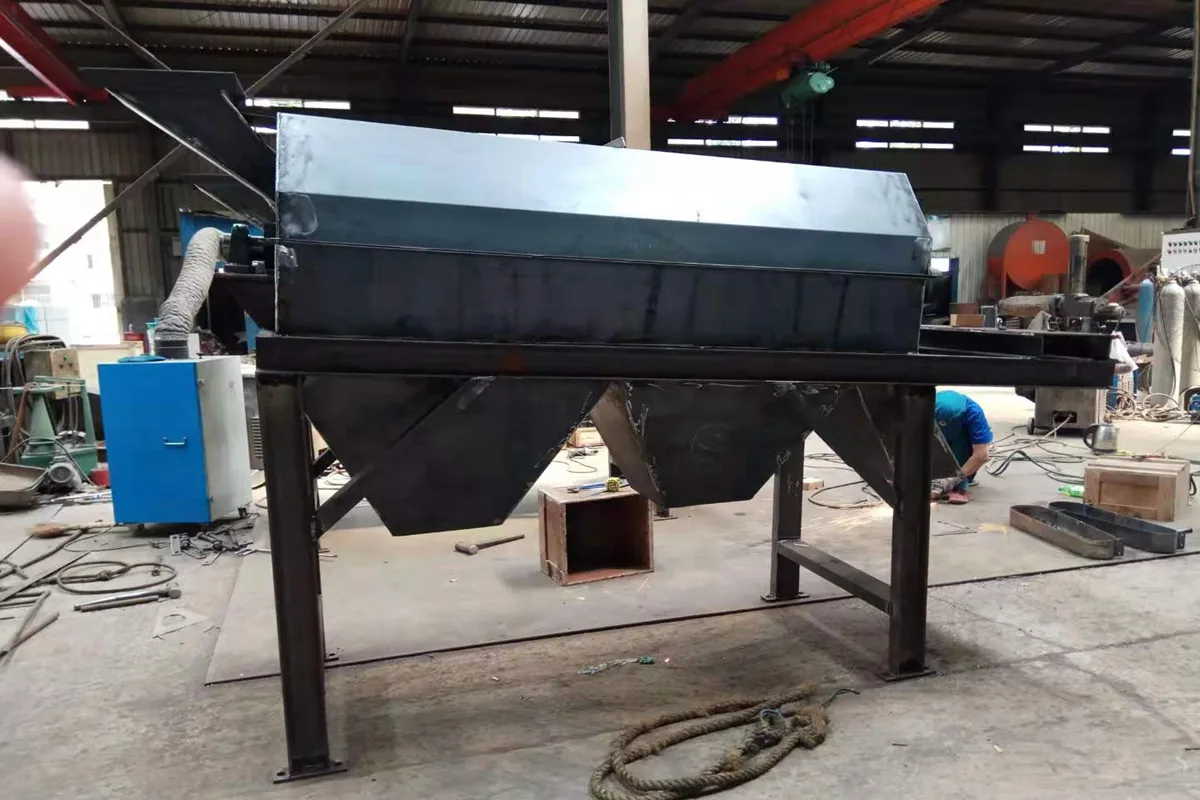
What Is a Trommel Screen?
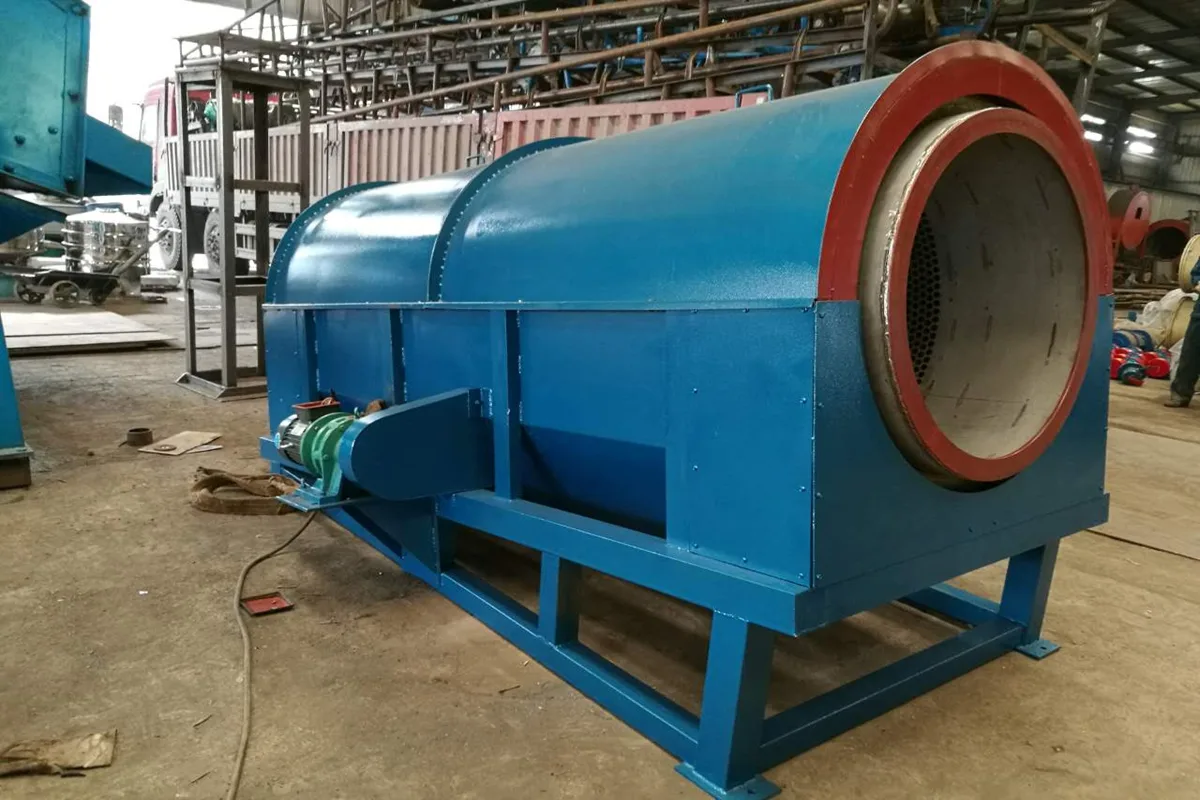
A trommel screen is a rotating cylindrical screen that separates bulk material by particle size. As the drum turns, the feed tumbles and advances along its length. Smaller particles pass through the openings, while oversize material leaves through the end outlet. Also called a rotary drum screen, this equipment is used for sizing aggregates, minerals, coal, fertilizer, and selected recycling materials.
The GUO FENG YTS series is available in six models for continuous bulk material screening. Drum length, opening size, number of screening sections, and cleaning options are selected for the duty. Compare the model specifications below and send your feed characteristics and required fractions for equipment selection.
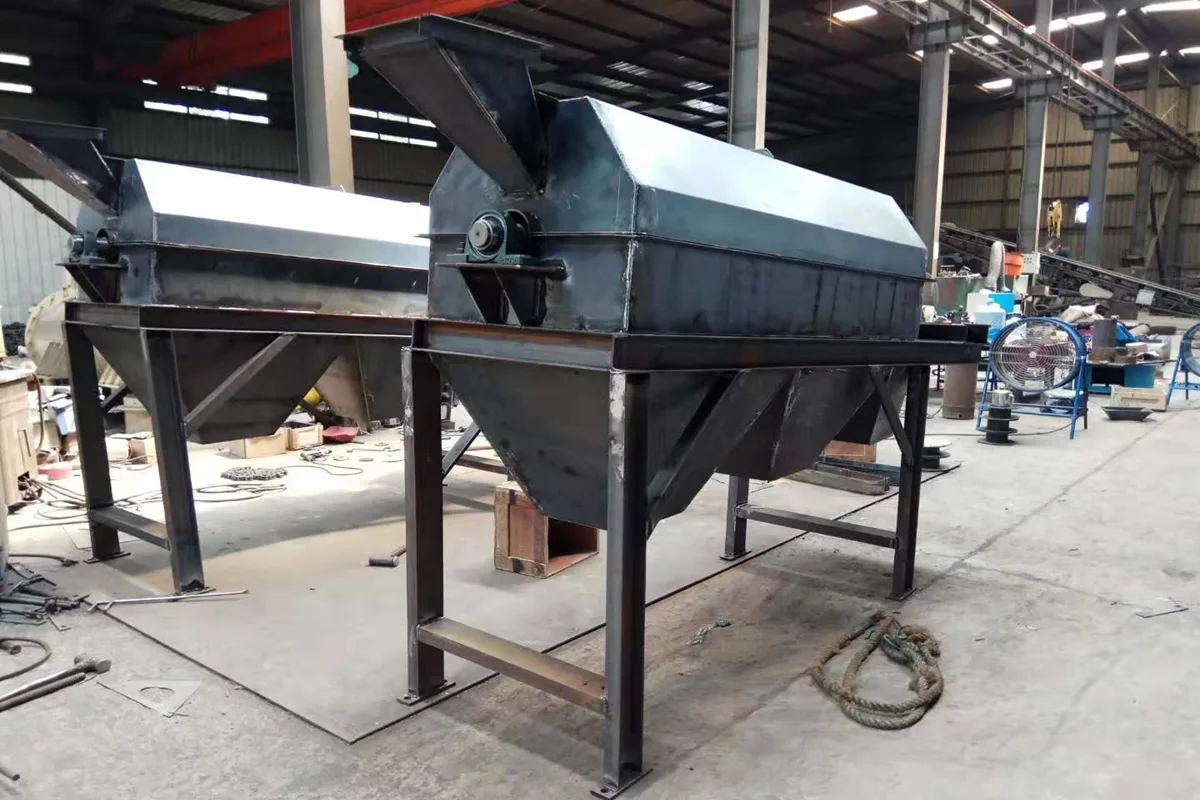
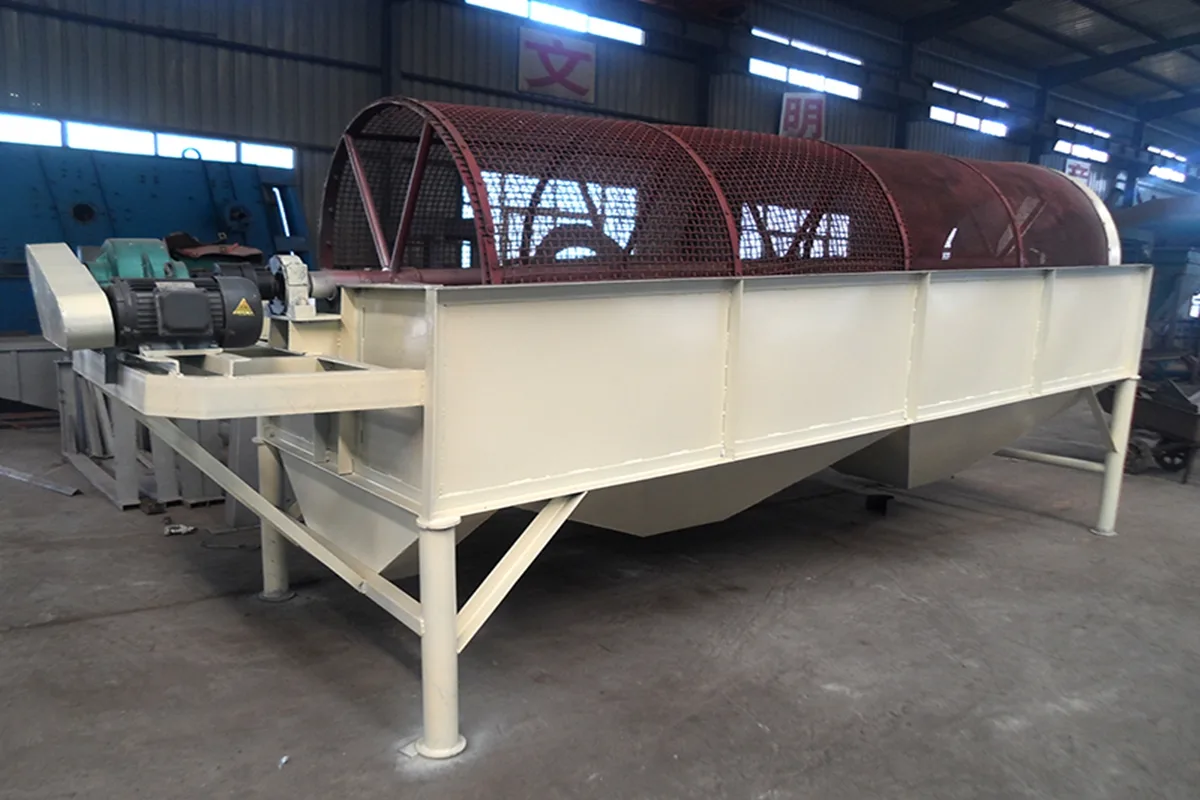
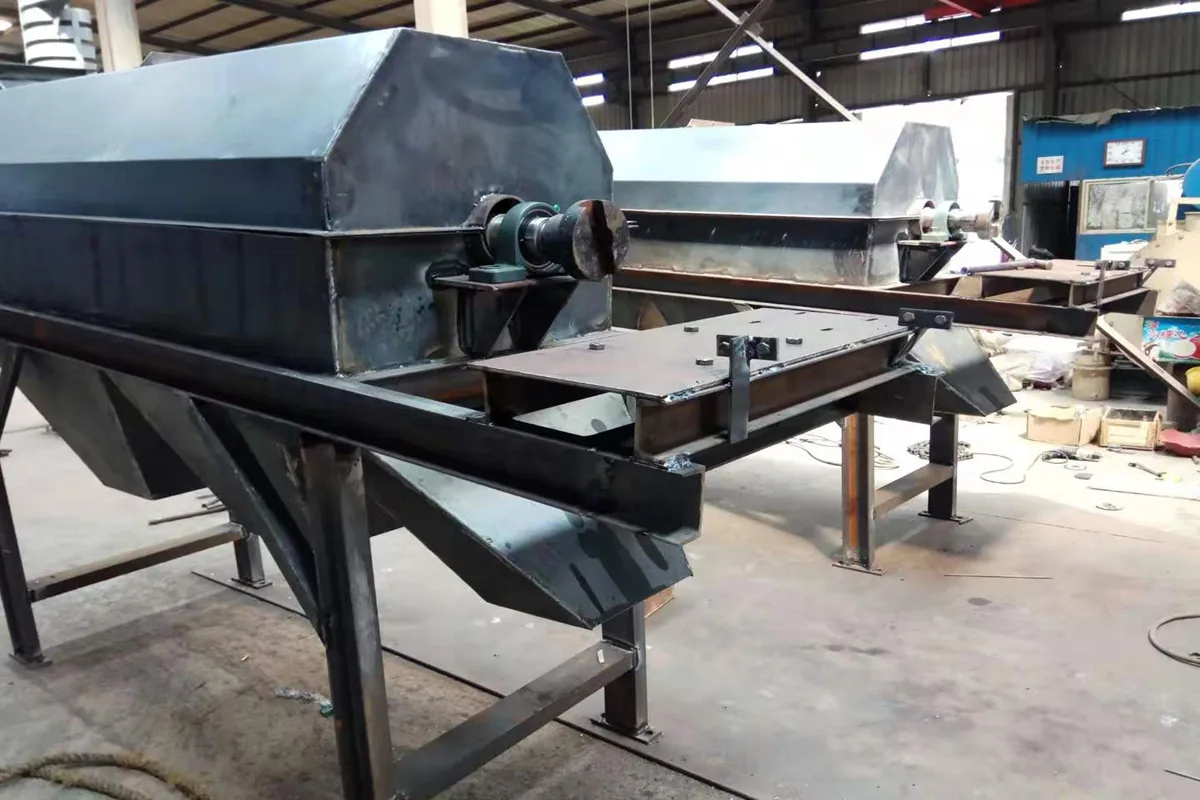
How Does a Trommel Screen Work?
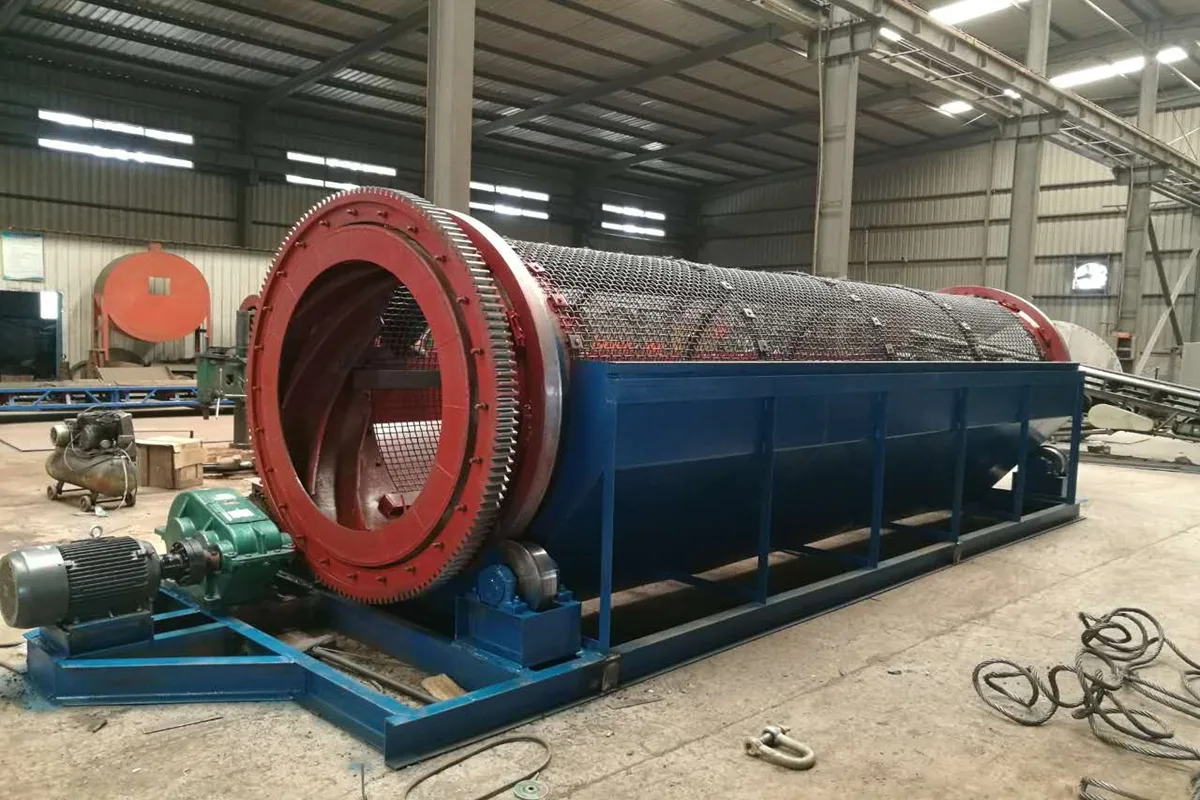
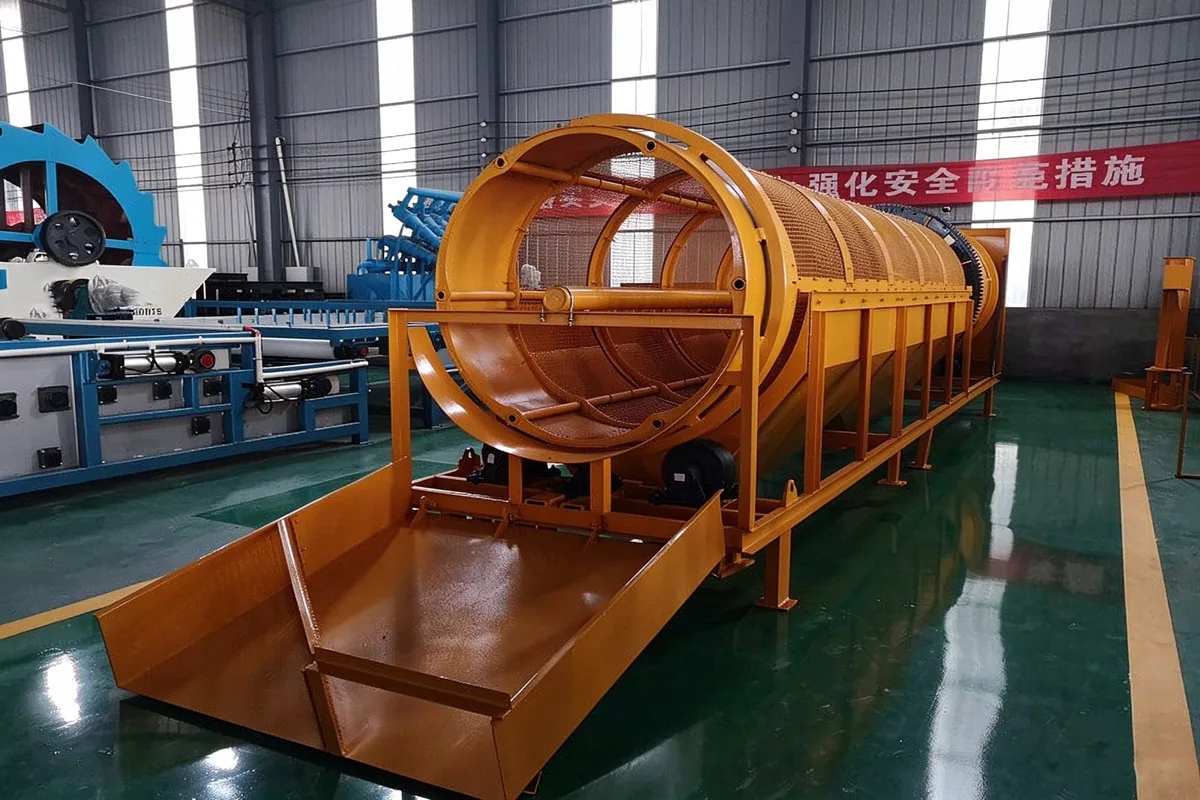
The YTS trommel screen uses drum rotation and an inclined screening surface to move material from the inlet to the discharge end. Repeated tumbling presents particles to the screen openings. The main assemblies include the drum, screen panels, drive system, support rollers, feed inlet, and discharge chutes.
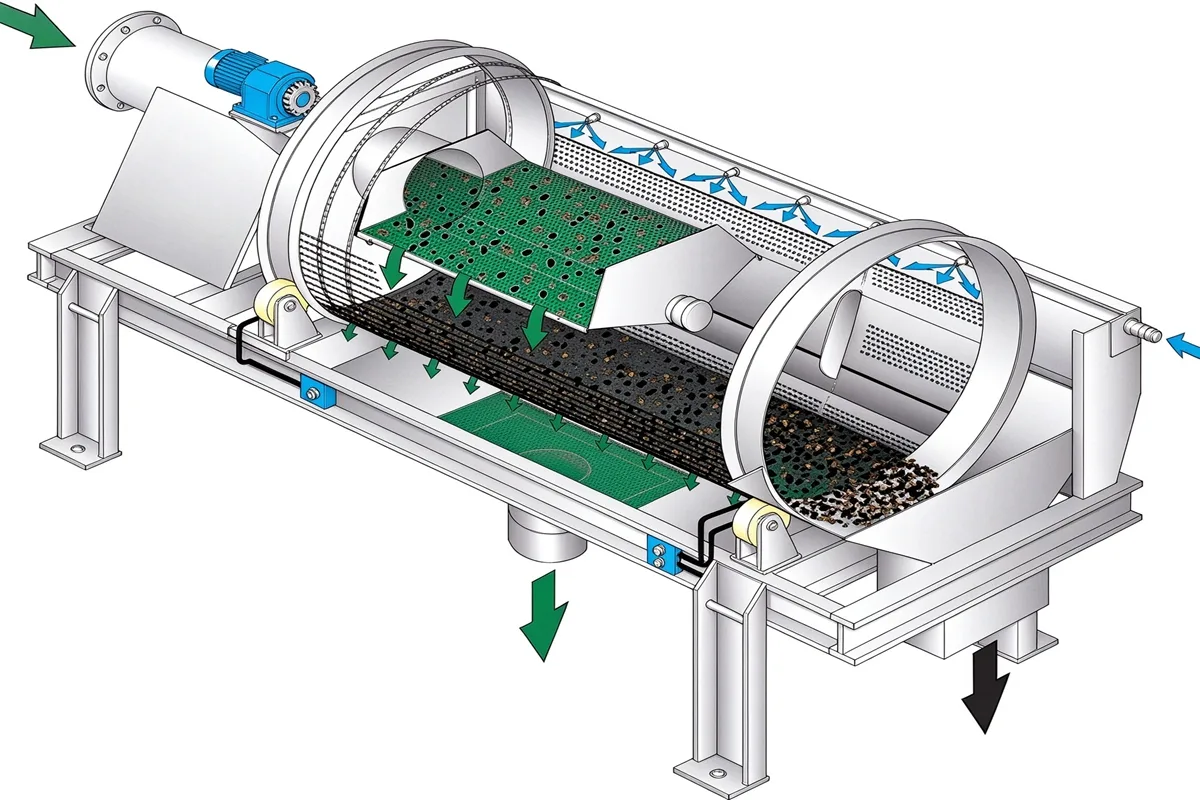
Material Feeding
Bulk materials enter the rotating drum through the feed inlet and are evenly distributed along the screening area.
Drum Rotation and Material Movement
The drum rotates at a controlled speed, causing materials to tumble and move forward along the inclined drum.
Particle Separation
Particles smaller than the screen openings pass through the mesh and are collected below the drum, while larger particles remain inside.
Material Discharge
Oversized materials move to the end of the drum and discharge through the outlet, completing the screening process.
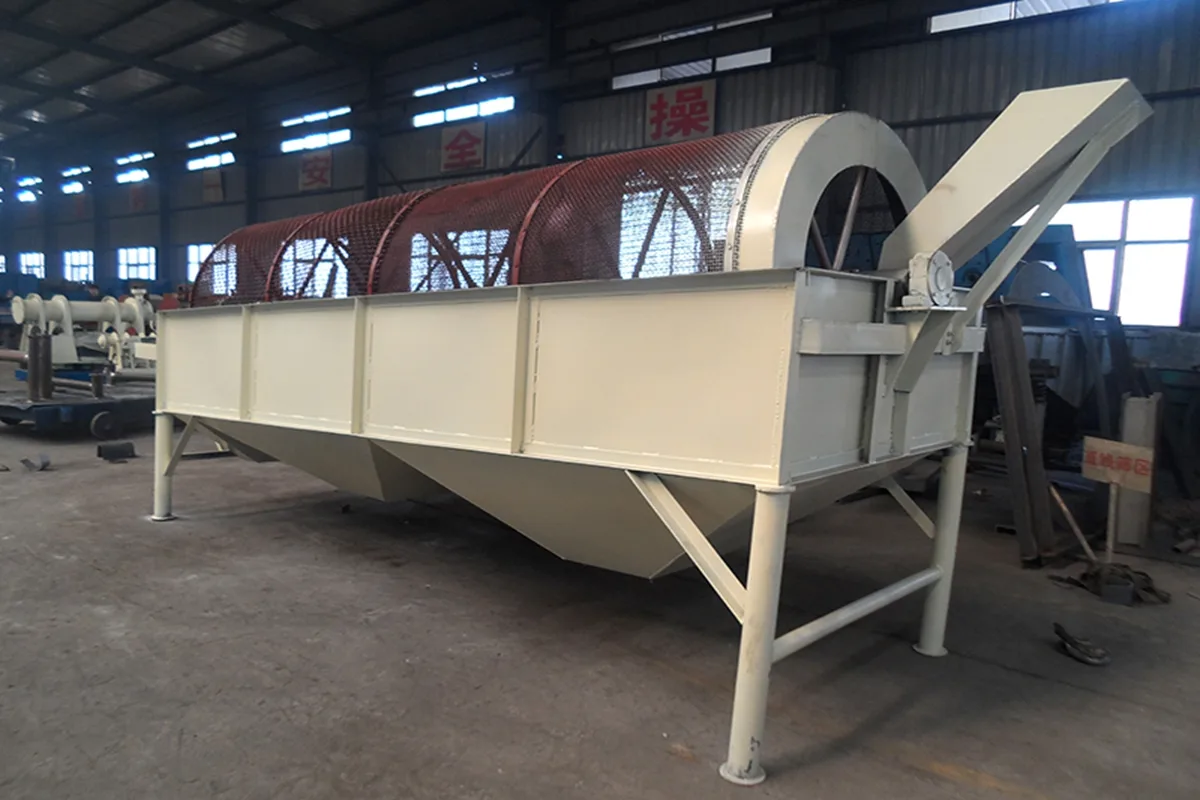
This drum screening machine combines the screening surface with a drive and support assembly. The arrangement of the hopper and chutes must suit the upstream feed and the collection of each product fraction.
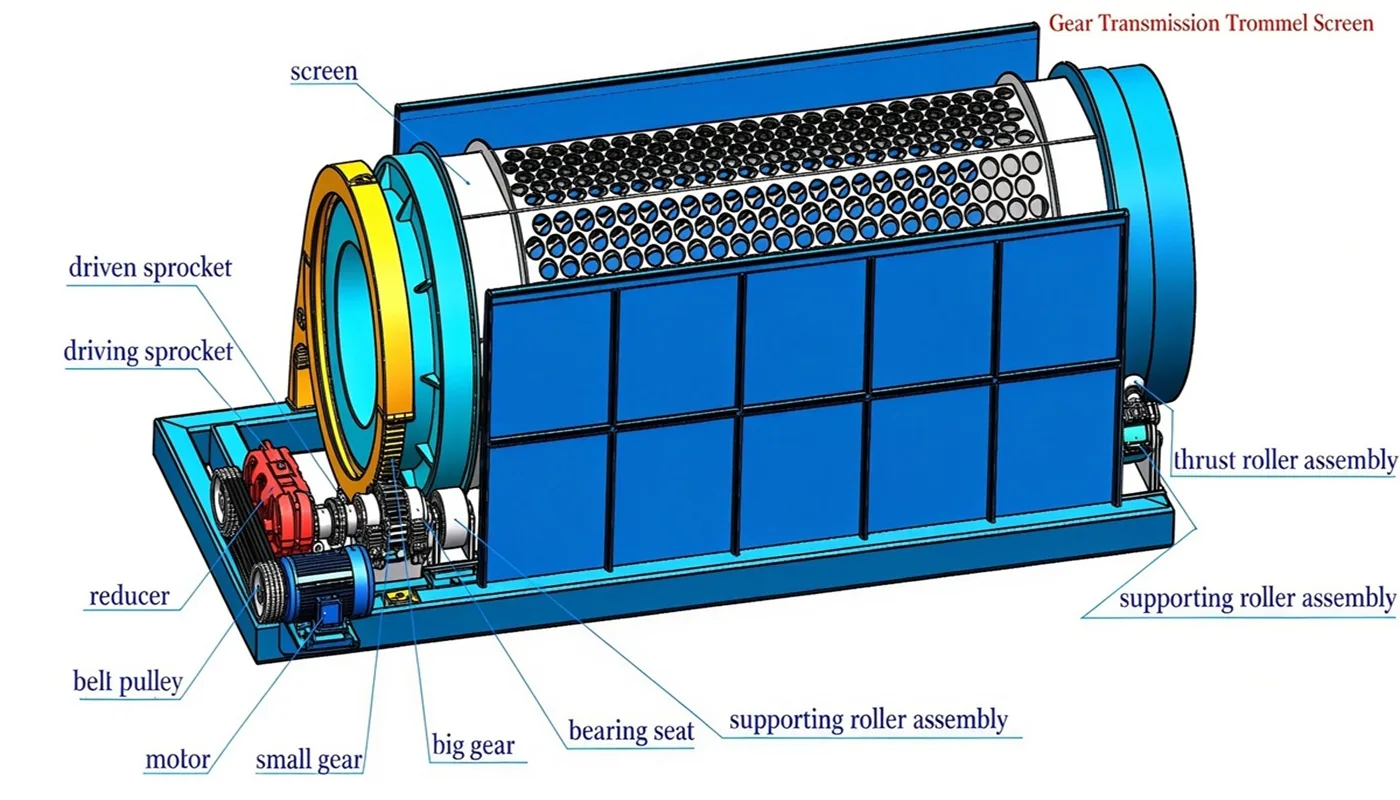
| Component | Function |
|---|---|
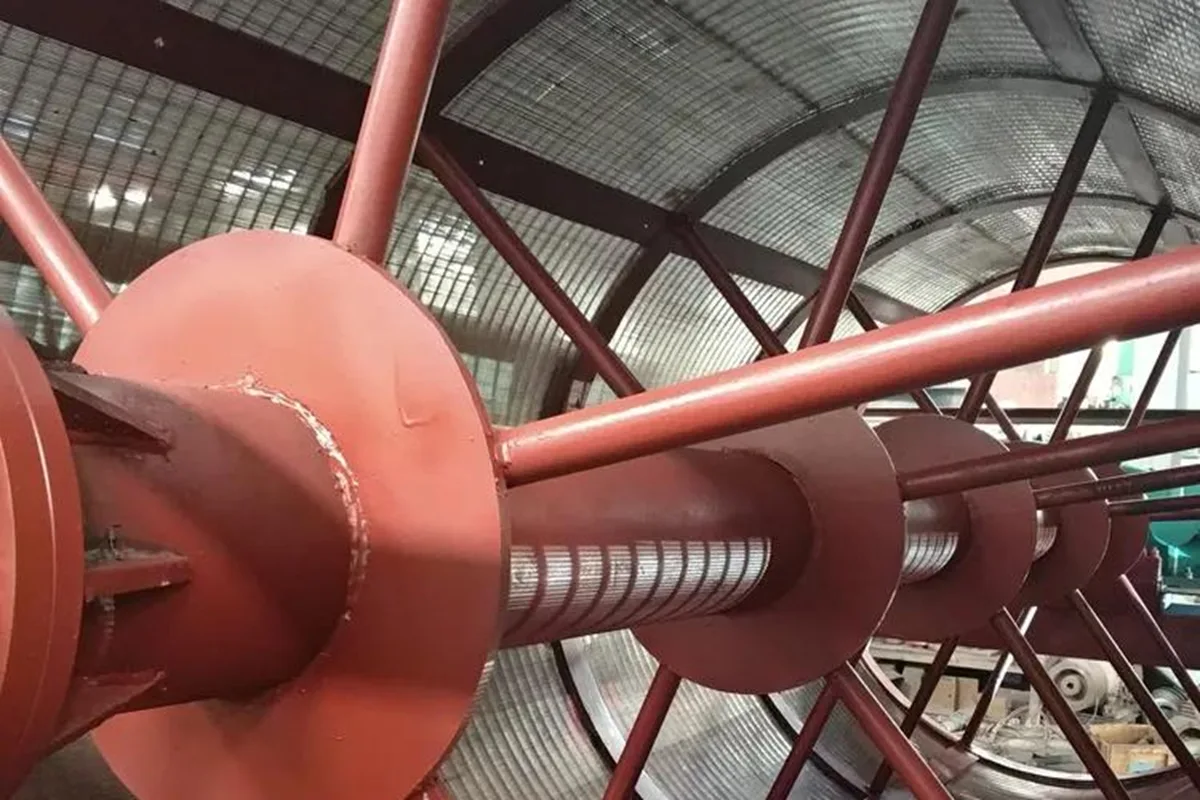
| Screening Drum | Provides the screening surface for material classification |
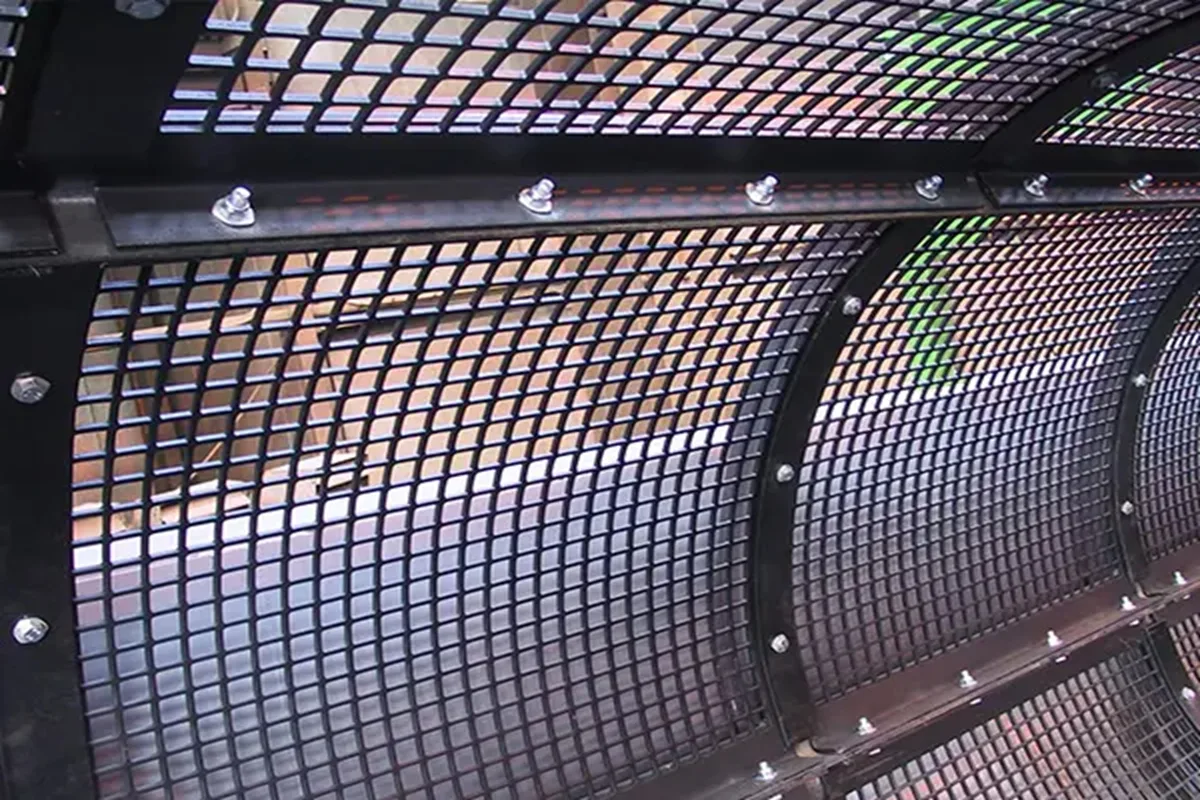
| Screen Mesh | Separates particles according to the required opening size |
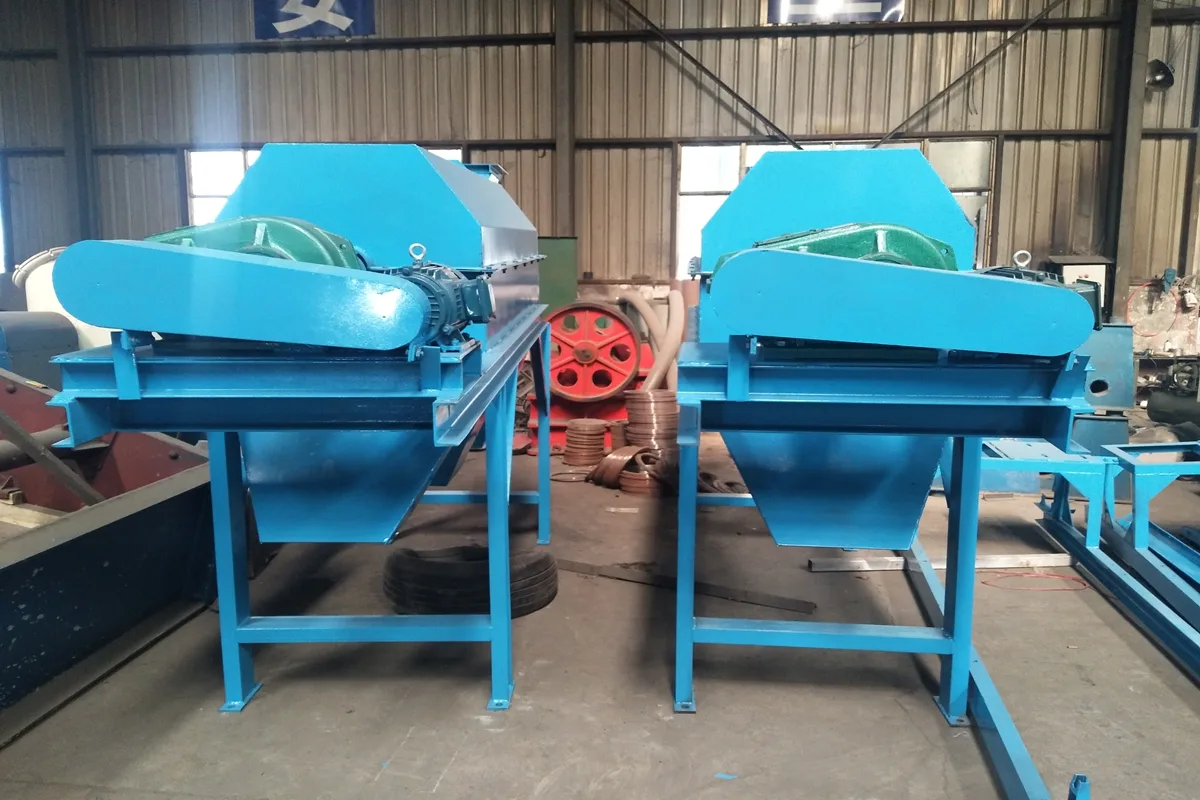
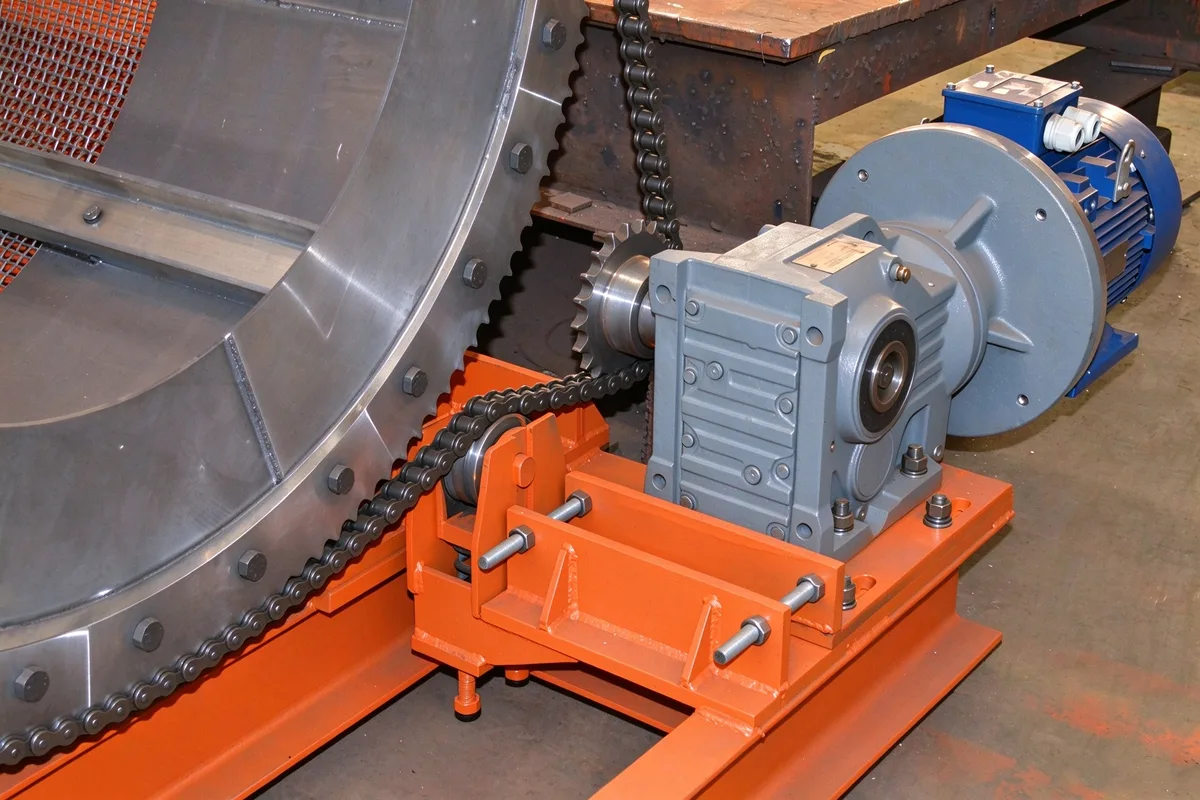
| Drive Motor and Reducer | Supply and regulate rotational power |
| Transmission System | Transfers power to rotate the screening drum |
| Support Rollers | Support the drum and maintain stable rotation |
| Feed Inlet | Guides bulk materials into the screening drum |
| Discharge Outlets | Collect undersized and oversized materials separately |
Multi-Stage Screening
The drum is divided into 1–4 screening sections with different mesh openings. This allows multiple particle sizes to be separated in a single screening process.
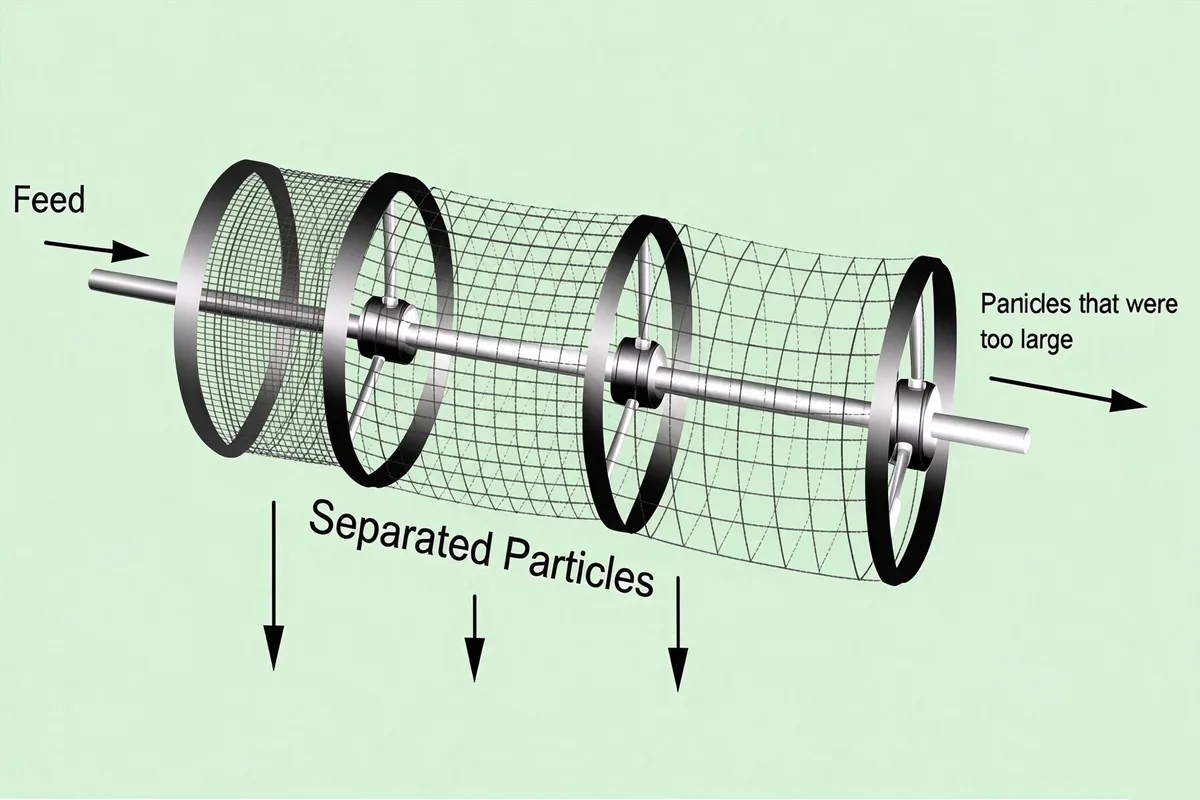
| Screening Sections | Output Fractions | Configuration |
|---|---|---|
| 1 Stage | 2 | One mesh opening |
| 2 Stages | 3 | Two different mesh openings |
| 3 Stages | 4 | Three different mesh openings |
| 4 Stages | 5 | Four different mesh openings |
Screening Drum, Drive and Component Details
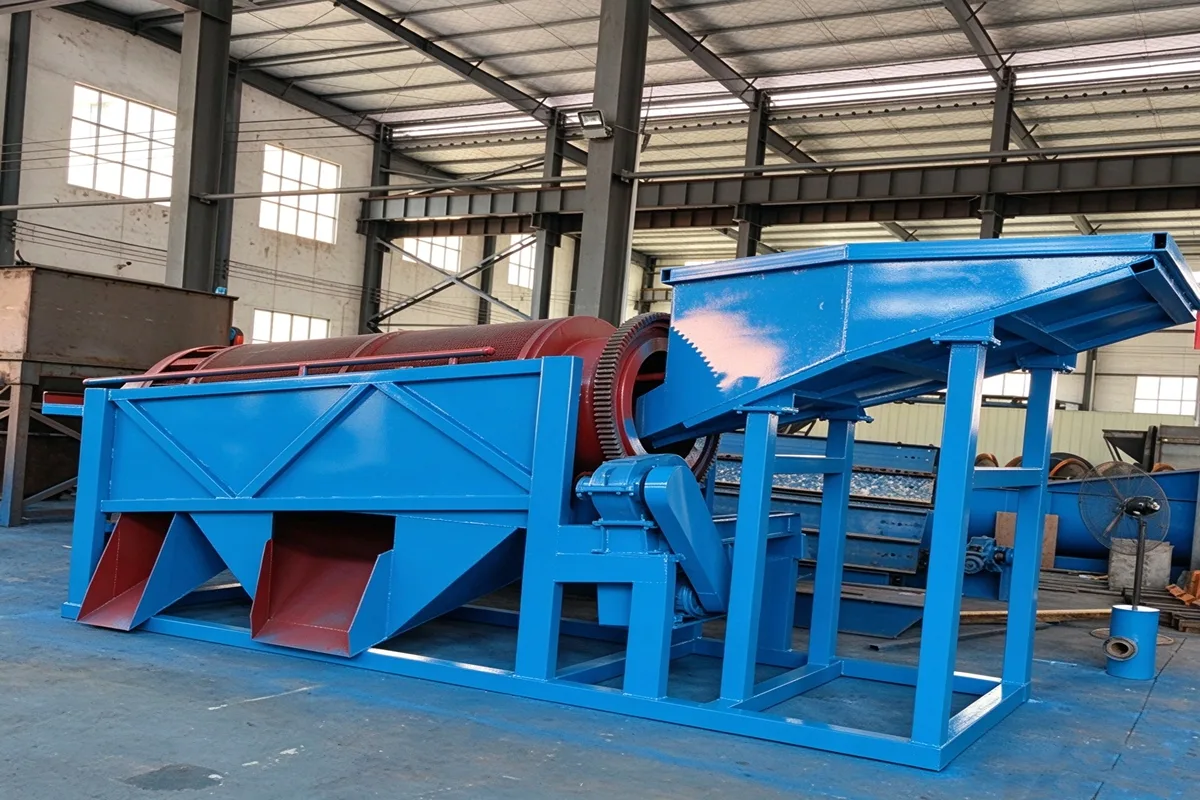
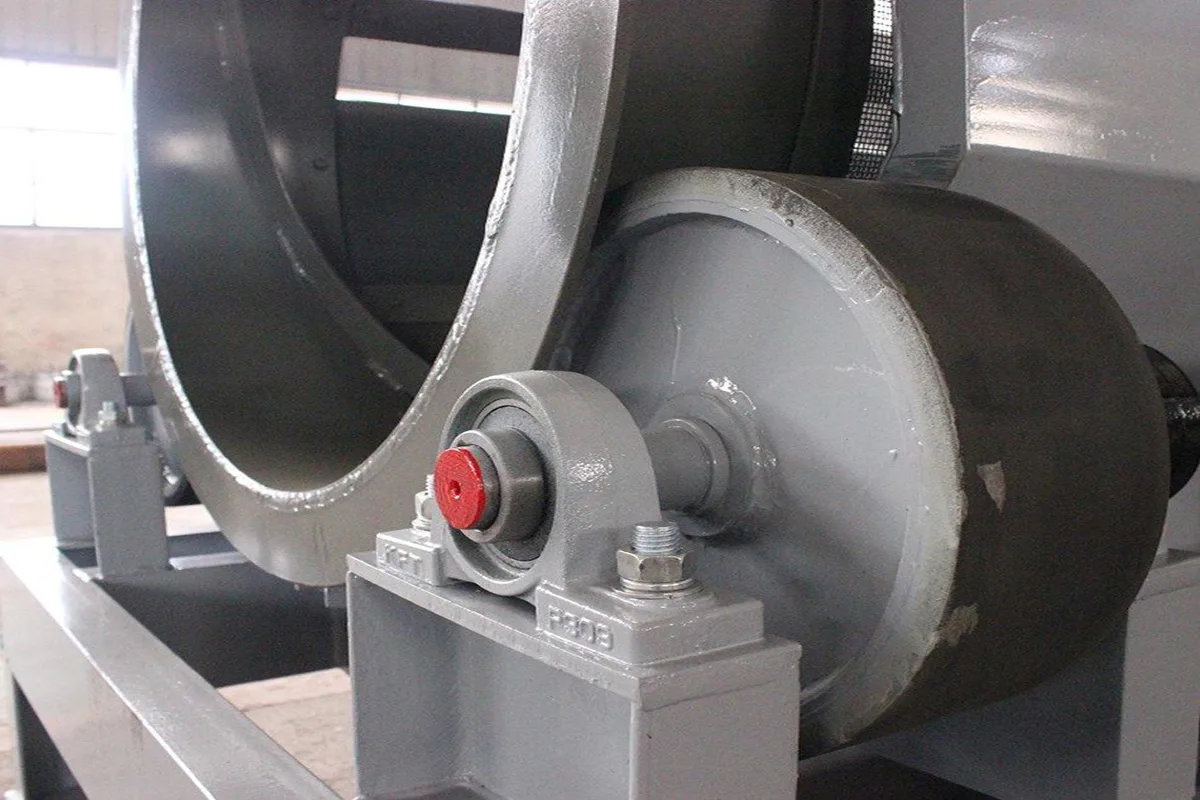
Benefits for Continuous Bulk Material Screening
For processors evaluating a trommel screener, the main considerations are the required cut sizes, feed consistency, and access for cleaning and screen replacement. The YTS series combines continuous drum rotation with configurable screening sections. Match the openings and drum arrangement to the material and the required product fractions.
Continuous Screening Operation
The drum moves material from feed to discharge during operation. Listed capacities across the six models range from 5 to 45 m³/h; actual throughput depends on the material, feed conditions, and selected openings.
Multi-Size Material Classification
Different screen openings from 0.5 to 60 mm can be arranged along the drum to separate materials into multiple particle size fractions.
Flexible Screen Mesh Configuration
Screen openings can be selected according to target particle sizes, with drum lengths ranging from 2 to 8 m.
Accessible Maintenance Structure
The drum, drive assembly, and screening components can be inspected and maintained separately. Motor power ranges from 2.2 to 18.5 kW.
Trommel Screen Types and Drum Configurations
A rotary trommel screen can use a shafted or shaftless drum, with an open or enclosed housing. These are configuration choices rather than a single standard build. Review maximum feed size, wrapping risk, impact loading, dust control, and maintenance access before selecting the arrangement.
Classification by Shaft Structure
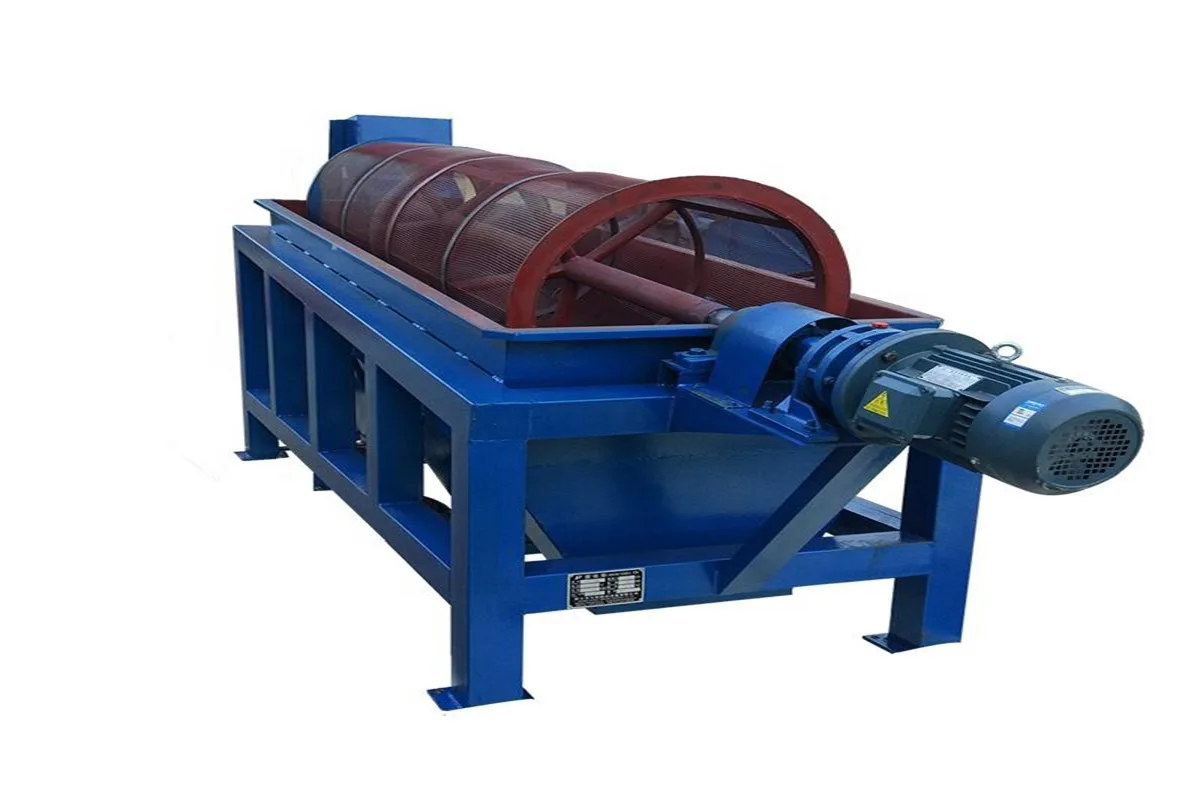
Shafted Trommel Screen
Uses a central shaft to support the rotating drum. Suitable for screening granular materials, powders, and agglomerated materials.
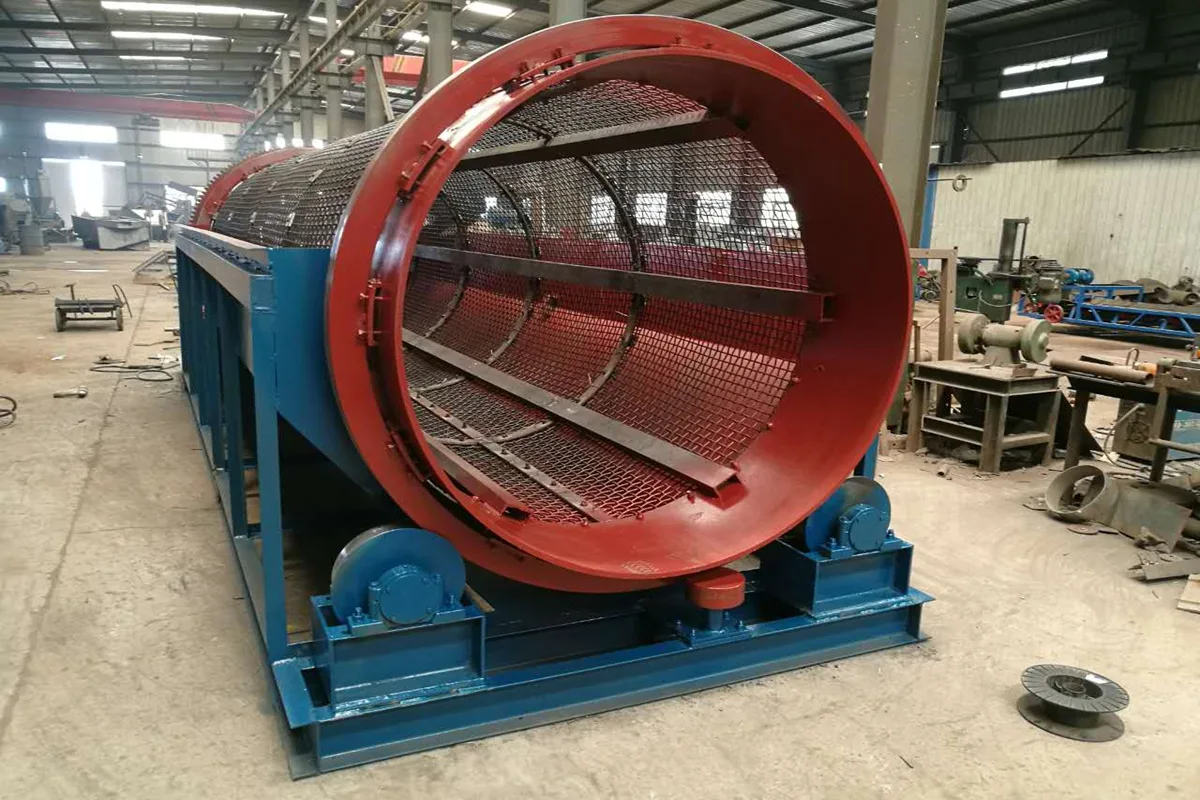
Shaftless Trommel Screen
A drum without a central shaft can be considered for bulky or wrapping-prone feed. Municipal and construction waste require a review of maximum lump size, impact loads, and material composition before a configuration is confirmed.
Classification by Enclosure Structure
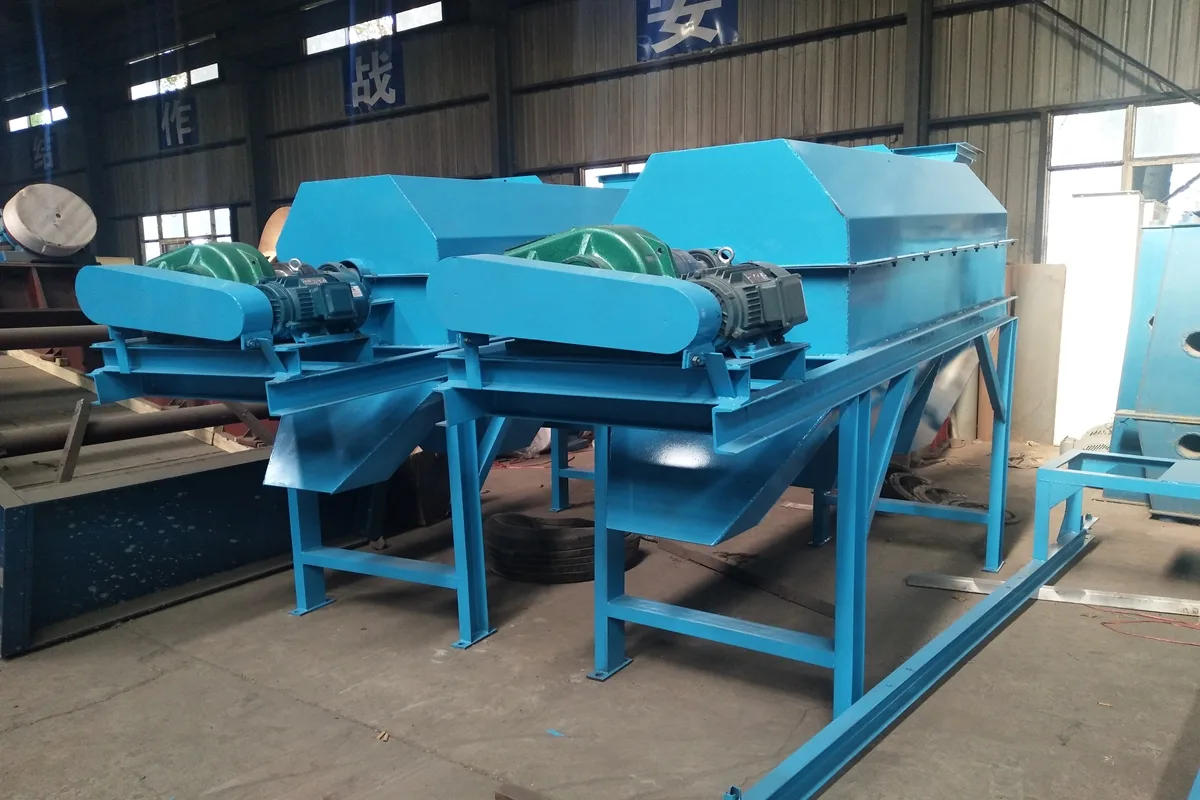
Enclosed Rotary Drum Screen
Features a protective enclosure around the screening drum to help contain dust and prevent external contamination of materials.
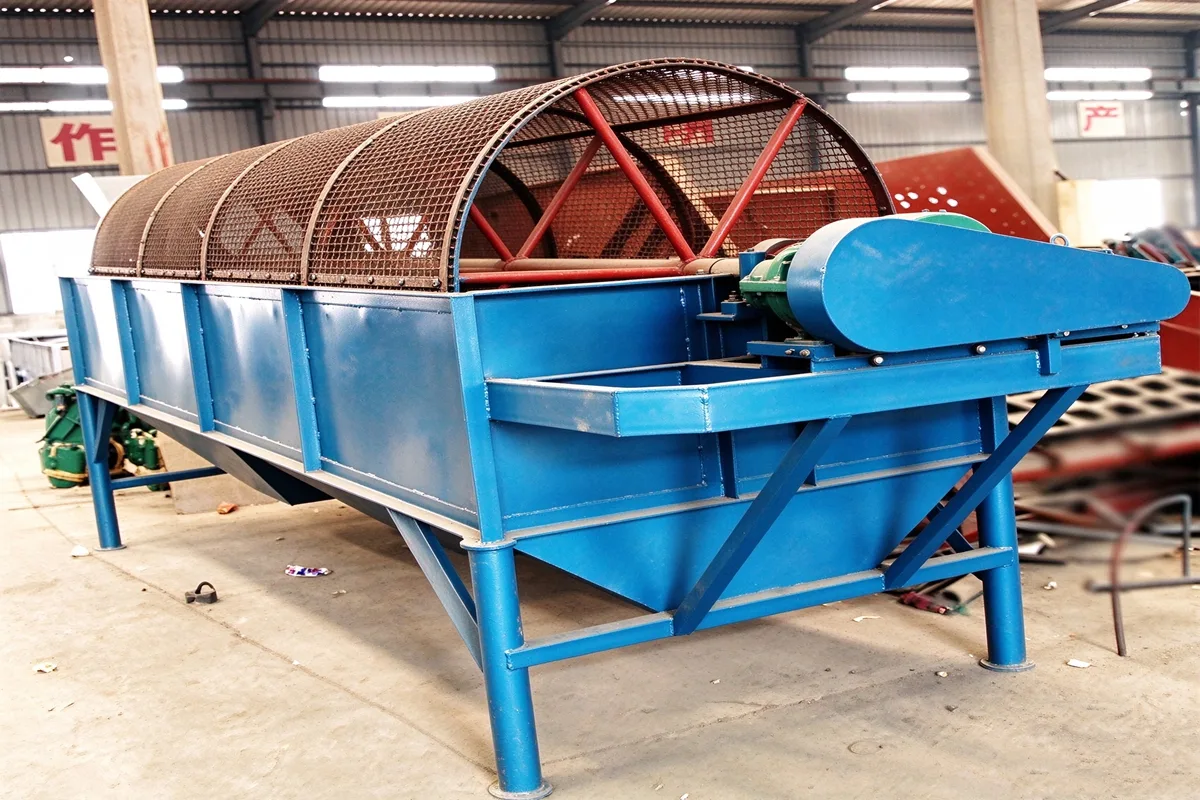
Open-Type Rotary Drum Screen
Uses an exposed drum structure without a fully enclosed housing, allowing easier access for inspection, cleaning, and maintenance.
Screen Openings, Panel Materials and Cleaning Options
Choose suitable screen mesh types, opening sizes, and cleaning systems to match material characteristics and screening requirements. Multiple configurations are available to support different screening conditions and reduce mesh blockage.
Screen Mesh Configurations
Perforated screen plates and woven wire mesh are available for different screening requirements. Mesh openings range from 0.5 to 60 mm, depending on the selected model and configuration.
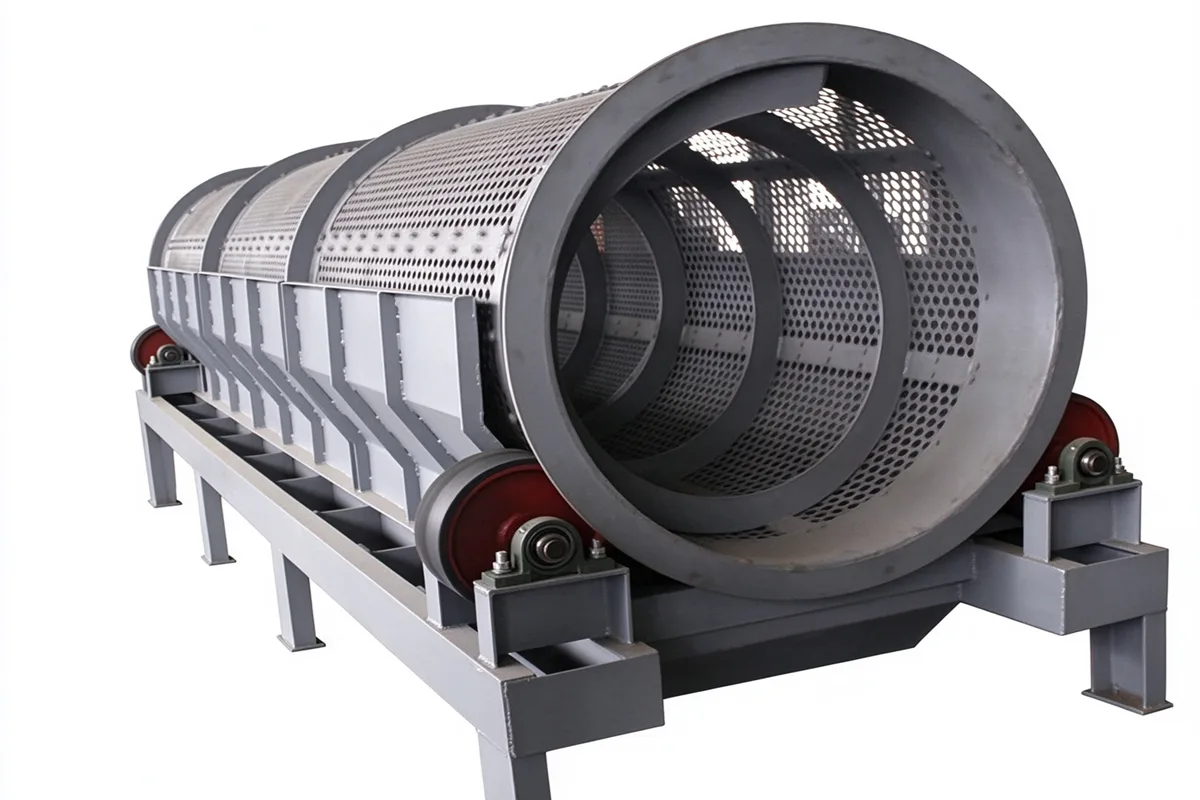
Perforated Screen Plate
A steel plate with punched openings, suitable for screening coarse and abrasive materials.
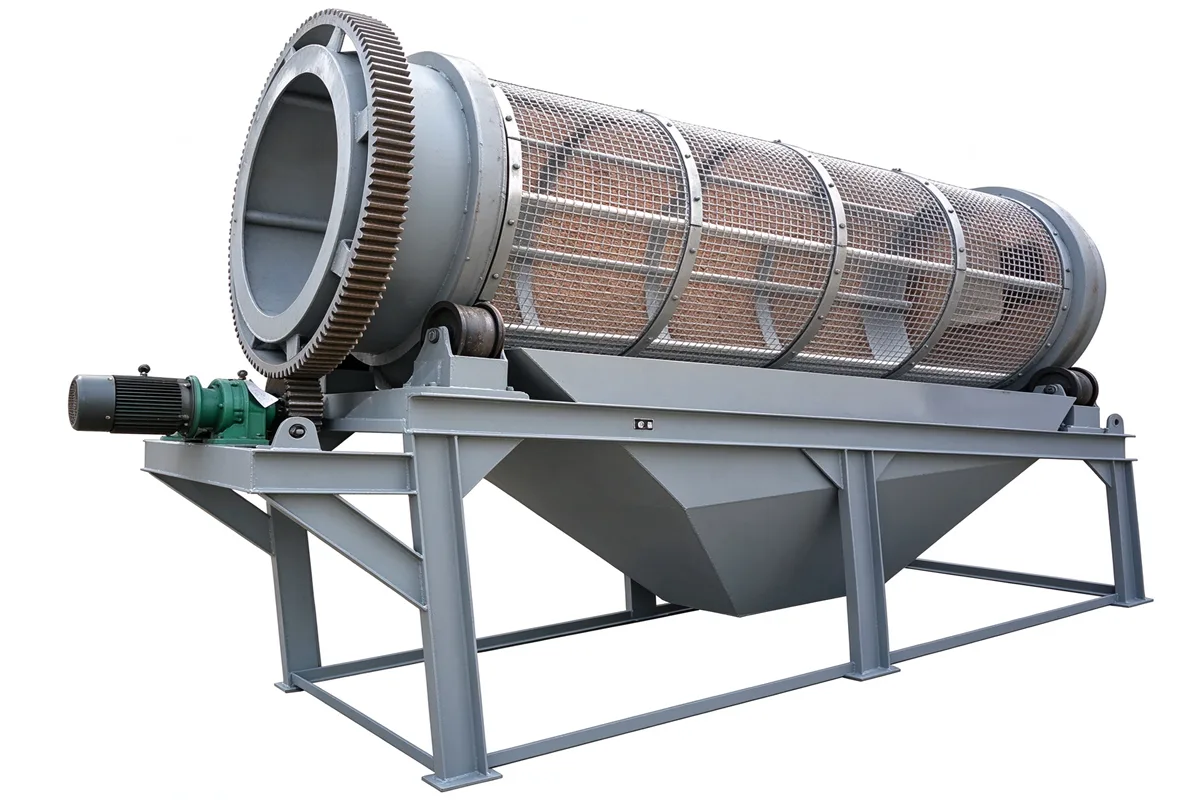
Woven Wire Mesh
Interwoven metal wires form uniform openings, making it suitable for fine particle screening.
Screen Cleaning Systems
Mechanical cleaning devices help remove particles trapped in screen openings. They reduce mesh blockage and support more consistent screening, especially when handling clog-prone materials.
| Cleaning Method | Working Principle |
|---|---|
| Rotary Brush Cleaning | Rotating brushes continuously sweep the screen surface, removing trapped particles and material buildup. |
| Vibrating Cleaning | Vibrators generate high-frequency movement beneath the screen to dislodge particles trapped in the mesh openings. |
| Spray Cleaning | Water nozzles spray the screen surface to wash away sticky residues and keep mesh openings clear. |
| Belt Beating Cleaning | Rotating belts repeatedly strike the screen surface, helping dislodge particles stuck in the mesh openings. |
YTS Trommel Screen Models and Specifications
The six YTS models below have different drum lengths, opening ranges, drive powers, and listed capacities. Capacity is stated in m³/h, which measures material volume; conversion to t/h requires the actual bulk density. Use these figures for initial selection, then confirm the configuration and expected throughput for your feed.
| Model | Drum Length (m) | Screen Opening (mm) | Motor Power (kW) | Inclination (°) | Speed (rpm) | Capacity (m³/h) | Weight (t) | Dimensions (L×W×H, mm) |
|---|---|---|---|---|---|---|---|---|
| YTS600 | 2–4 | 0.5–35 | 2.2–3 | 7 | 20 | 5–10 | 1.6 | 5400×1150×1200 |
| YTS800 | 2–4 | 0.5–40 | 2.2–5.5 | 7 | 18 | 10–14 | 2.4 | 5300×1300×1500 |
| YTS1000 | 2–4 | 0.5–45 | 3–7.5 | 7 | 16 | 14–16 | 4.2 | 5600×1400×2240 |
| YTS1200 | 2–8 | 0.5–50 | 4–11 | 7 | 15 | 16–20 | 5.8 | 9480×1580×3400 |
| YTS1500 | 2–8 | 0.5–55 | 4–15 | 7 | 12 | 20–32 | 7.2 | 9700×1860×3700 |
| YTS2000 | 2–8 | 0.5–60 | 5.5–18.5 | 7 | 8 | 32–45 | 11 | 11000×2400×4500 |
Custom Drum Sizes, Screening Stages and Plant Integration
The rotary drum screener can be configured around the feed material, required fractions, and site layout. Review drum dimensions, panel materials, cleaning devices, drive selection, and the position of each discharge. Options listed below require confirmation for the selected model and process; they are not all included in the standard supply.
| Customization Item | Available Options |
|---|---|
| Drum Diameter & Length | Drum Diameter / Drum Length / Overall Dimensions |
| Screening Stages | 1 Stage / 2 Stages / 3 Stages / 4 Stages |
| Screen Opening | 0.5–60 mm / Round Holes / Square Holes / Slotted Holes |
| Screen Type | Perforated Plate / Woven Wire Mesh / Polyurethane Screen / Rubber Screen |
| Screen Material | Carbon Steel / 65Mn Spring Steel / SS304 / SS316 / Wear-Resistant Steel |
| Screen Cleaning System | Brush Cleaning / Scraper Cleaning / Comb-Type Cleaning / Spray Cleaning |
| Internal Structure | Guide Plates / Lifting Plates / Material Distribution Structure |
| Drive System | Chain Drive / Gear Drive / Friction Roller Drive |
| Motor Configuration | Motor Power / Gearbox / Variable Frequency Drive |
| Feeding System | Feed Hopper / Inlet Size / Inlet Position / Feeding Direction |
| Discharge System | Outlet Quantity / Outlet Size / Outlet Position / Discharge Chute |
| Equipment Material | Carbon Steel / SS304 / SS316 |
| Wear Protection | Wear-Resistant Steel / Polyurethane / Rubber Liners |
| Enclosure & Dust Protection | Protective Cover / Sealed Structure / Dust Collection Port |
| Spray System | Spray Pipe / Spray Nozzles / Water Inlet |
| Support Structure | Support Height / Frame Dimensions / Installation Layout |
| Conveyor System | Feed Conveyor / Discharge Conveyor / Collection Conveyor |
| Electrical Control | Control Cabinet / Variable Frequency Control / Electrical Components |
Contact Us
Request a Trommel Screen Configuration and Quote
Send your material properties, feed rate, target cut sizes, and plant layout to GUO FENG. We can review the model, screen arrangement, drive, cleaning options, and feed and discharge connections for your quotation.
Trommel Screen Applications
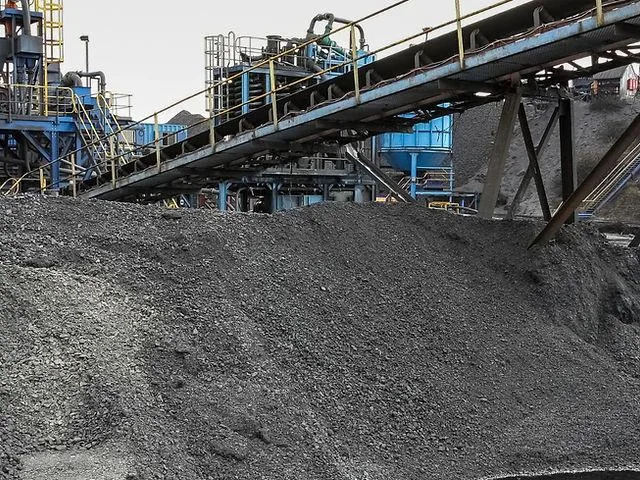
Mining & Minerals
Screens ores, limestone, quartz, and mineral aggregates to separate different particle sizes and remove oversized materials.

Sand & Aggregates
Separates sand, gravel, and crushed stone into different size fractions for construction and aggregate production.
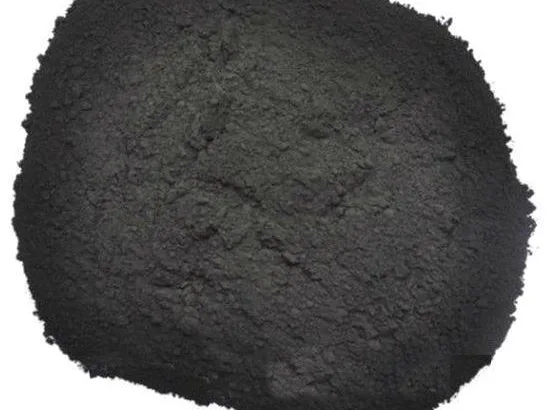
Coal & Energy
Screens coal, coal gangue, coke, and biomass fuel to separate materials by size and remove unwanted particles.

Fertilizer Production
Classifies organic fertilizer, compound fertilizer, and granular fertilizer to separate qualified granules from oversized and fine particles.

Chemical Industry
Screens chemical granules, plastic pellets, and industrial raw materials to achieve consistent particle size classification.

Waste Recycling
Can be evaluated for compost, recycled aggregates, and selected waste streams. Check moisture, fibrous content, maximum feed size, and wrapping behavior. Screening separates material by size; it does not by itself identify or remove every type of contaminant.
For general guidance on safeguarding rotating machinery, refer to OSHA machine guarding requirements. Assess guarding and safe access for the complete installation.
Trommel Screen Manufacturer: GUO FENG
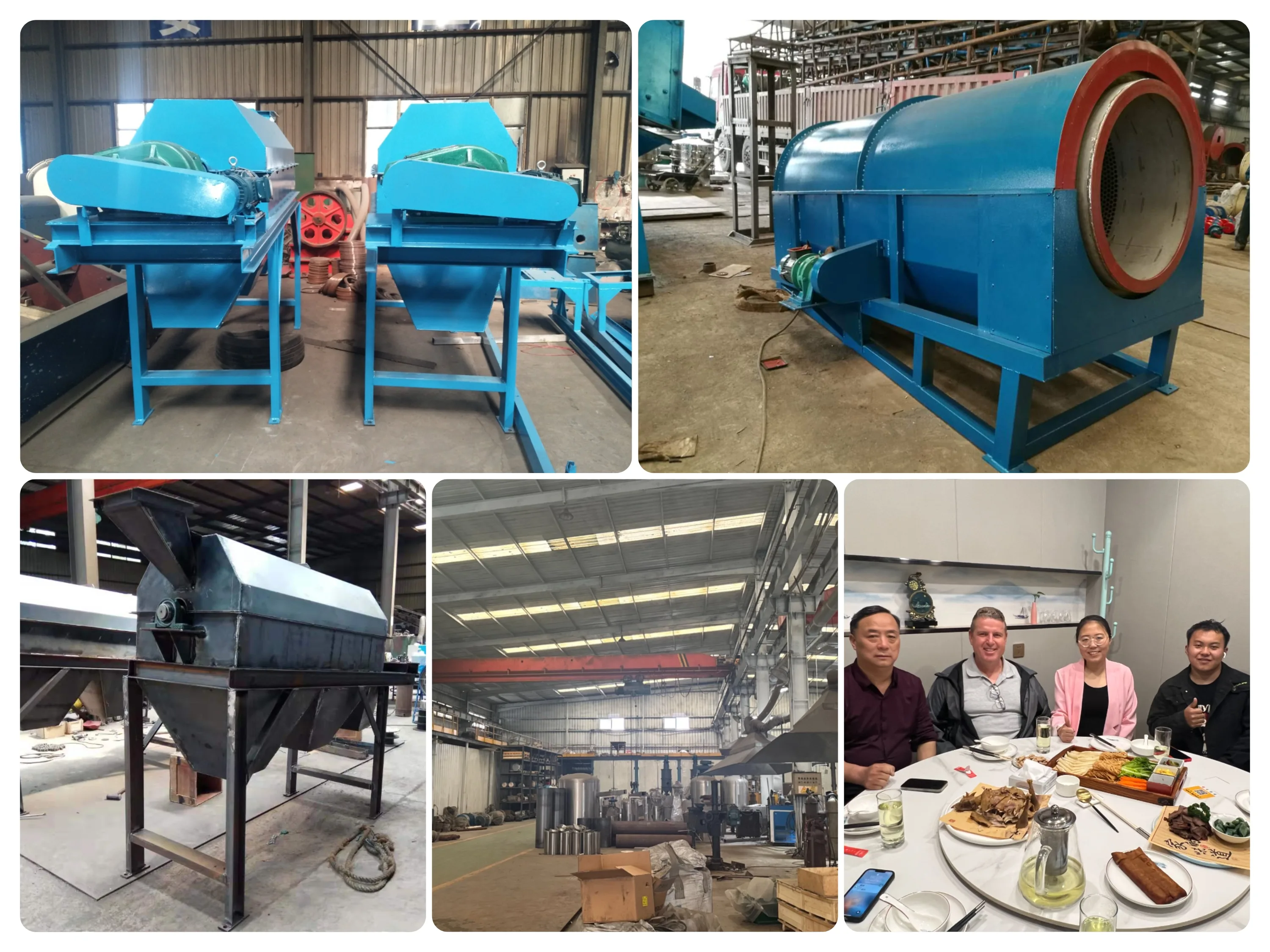
GUO FENG supplies the YTS series and other screening machinery for industrial material processing. As a trommel screen manufacturer, we review drum dimensions, screen materials, screening stages, feed and discharge arrangements, and auxiliary equipment against the proposed duty. Request the configuration drawing, scope of supply, inspection arrangements, and recommended spare parts when comparing quotations.
How to Choose a Trommel Screener
Trommel screens must be sized around the material and the separation target. A smaller opening, higher moisture level, or larger proportion of near-size particles can change the usable capacity. Compare the following conditions before choosing a model.
- Feed properties: material name, bulk density, moisture, maximum lump size, particle size distribution, and abrasiveness.
- Separation target: required cut sizes, number of product fractions, and acceptable oversize or undersize carryover.
- Production rate: normal and peak feed rates, stated clearly in m³/h or t/h.
- Cleaning and wear: clogging tendency, panel material, access for replacement, and cleaning requirements.
- Installation: available footprint and height, feed and discharge elevations, electrical supply, and access around the drum and drive.
Confirm the maximum feed size and operating conditions with the manufacturer; the aperture range alone does not establish the allowable feed lump size. For a complete line, review the conveying and screening equipment range and define the interfaces in the layout drawing.
Drum Configuration, Dimensions and Screening Duty
For a YTS trommel screen, the drum length, screening sections, panel openings and support arrangement determine the final installation envelope. Dimensions listed for a series must be checked against the actual drum length and configuration in the approved drawing.
Provide feed size distribution, moisture, bulk density, abrasiveness, required fractions and output. Assess screen open area, feed consistency and cleaning before confirming capacity. The listed m³/h values measure volume; conversion to t/h requires the actual material density.
Trommel Screen FAQ
Is a trommel screen the same as a rotary drum screen?
For bulk solids, the terms usually describe the same rotating-drum screening principle. A trommel separates particles through openings in the drum wall as material tumbles along it. Rotary drum screen can also refer to liquid-screening equipment, so confirm that the proposed machine is designed for your solid feed and process.
What materials can a trommel screen process?
It is suitable for screening sand, gravel, limestone, coal, ores, organic fertilizer, compost, and other bulk materials. Material properties such as moisture content, particle size, and abrasiveness should be considered when selecting the screen configuration.
What is the capacity of the YTS trommel screen range?
The six standard models cover capacities from 5 to 45 m³/h. YTS600 handles 5–10 m³/h, while YTS2000 handles 32–45 m³/h. Actual throughput depends on material properties, feed conditions, and required screening sizes.
What screen opening sizes are available?
Standard screen openings range from 0.5 to 60 mm across the YTS series. The available range varies by model: YTS600 supports 0.5–35 mm, while YTS2000 supports 0.5–60 mm. The opening size should be selected according to the target particle size.
How many particle sizes can a rotary drum screen separate at one time?
A single screening section typically separates material into two fractions: undersize and oversize. GUOFENG can configure 1–4 screening sections with different openings, allowing the equipment to separate materials into 2–5 particle-size fractions.
What are the drum speed and inclination of the YTS series?
The standard drum inclination is 7°, while rotating speeds vary by model from 8 to 20 rpm. For example, YTS600 operates at 20 rpm, YTS1000 at 16 rpm, and YTS2000 at 8 rpm.
How can screen blockage be reduced when processing wet or sticky materials?
Screen blockage can be reduced by selecting suitable screen openings and configuring cleaning devices such as brushes, scrapers, or comb-type cleaners. For materials requiring surface washing, a spray cleaning system can also be considered.
What maintenance is required for a rotary drum screen?
Regularly inspect the screen panels for wear, blockage, and damage. Check the drive motor, gearbox, transmission components, support rollers, and bearings, and lubricate moving parts according to the maintenance schedule. Replace worn screen panels when their openings no longer meet the required screening size.
Can GUO FENG customize the trommel screen for my plant?
Yes. Customization options include drum diameter and length, screen opening size, screen material, screening stages, cleaning devices, feeding and discharge arrangements, motor configuration, protective covers, and auxiliary conveyors. Configurations can be selected according to material properties, required capacity, and site layout.
How do I request a price for a YTS trommel screen?
When comparing a trommel screen for sale, send the material, feed rate, required cut sizes, number of fractions, and site layout. Ask for a quotation that identifies the model, screen panels, drive, cleaning system, included accessories, spare parts, packing, and delivery terms. Price and availability depend on the agreed configuration.