
What Is a Double Tube Vibration Ball Mill?
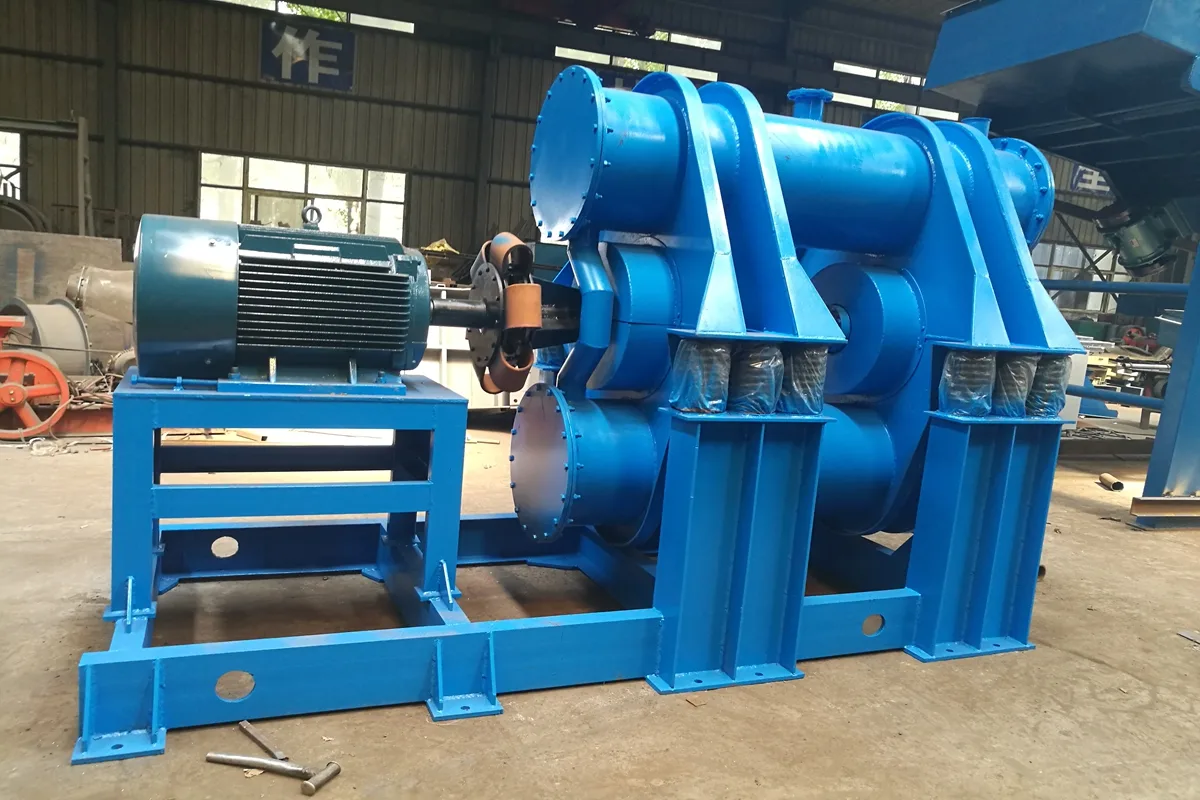
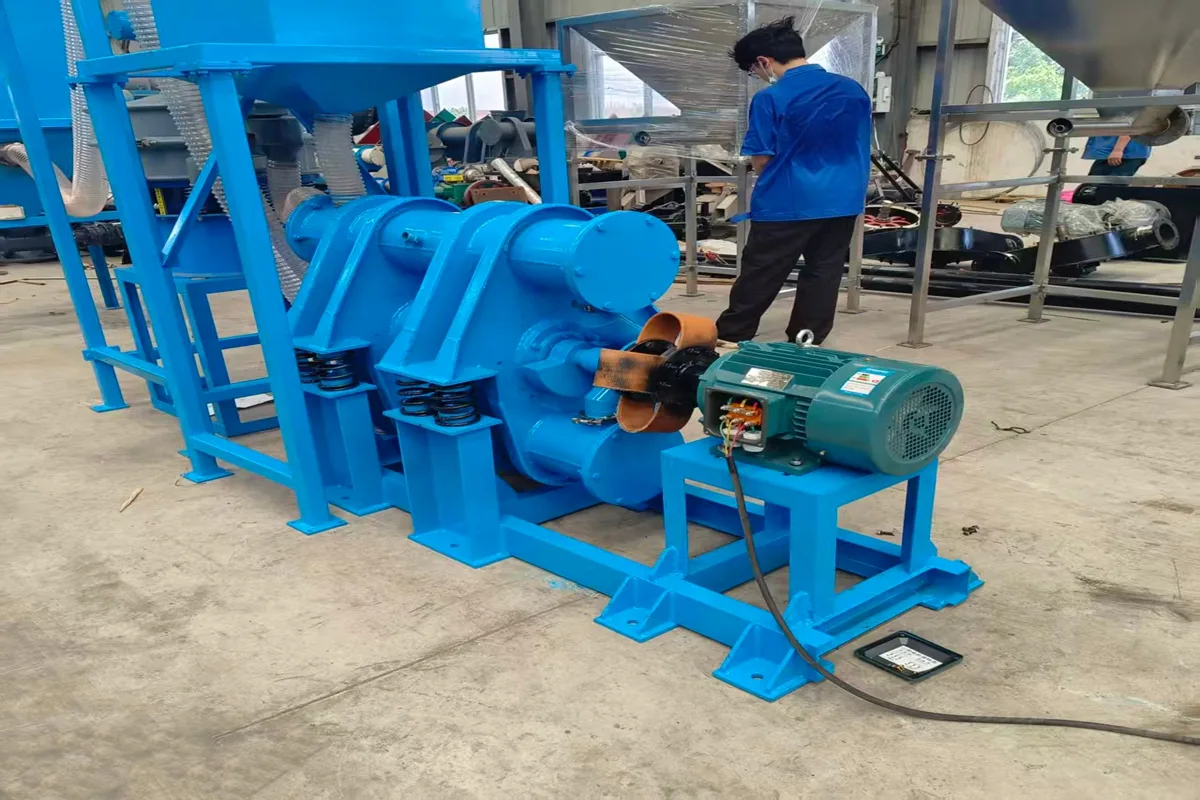
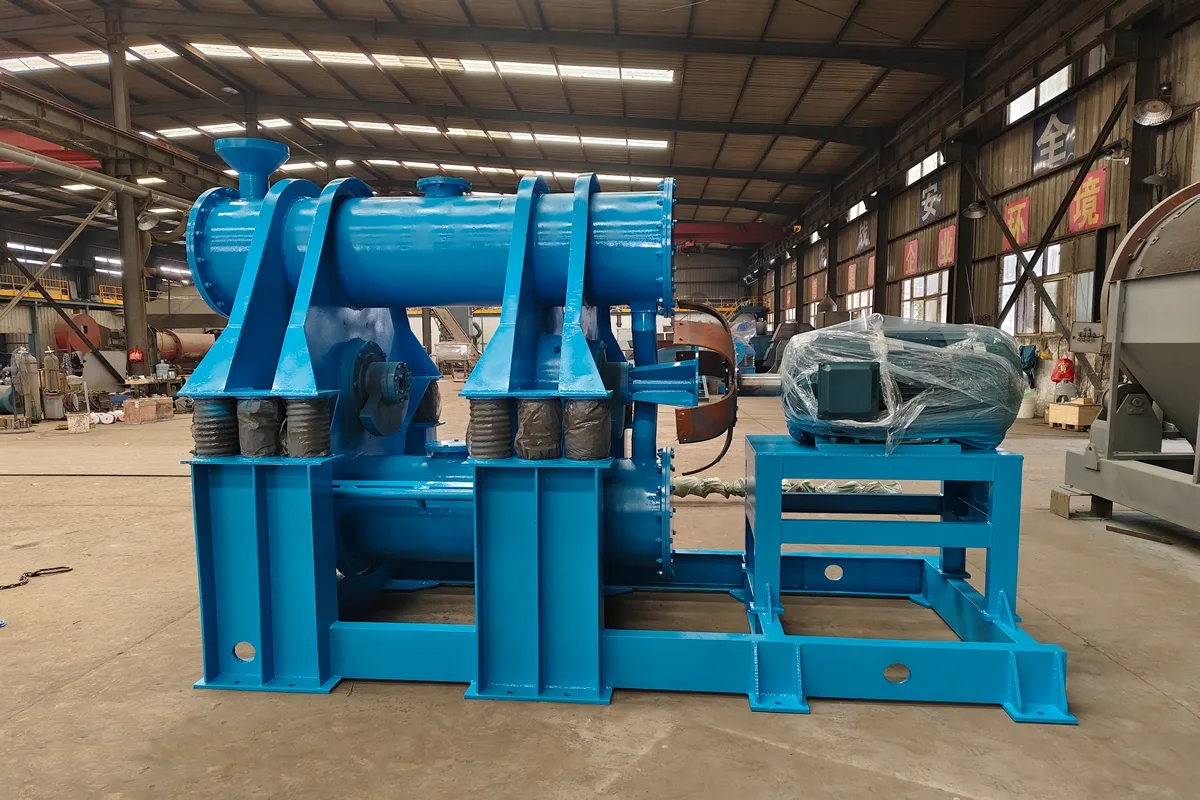
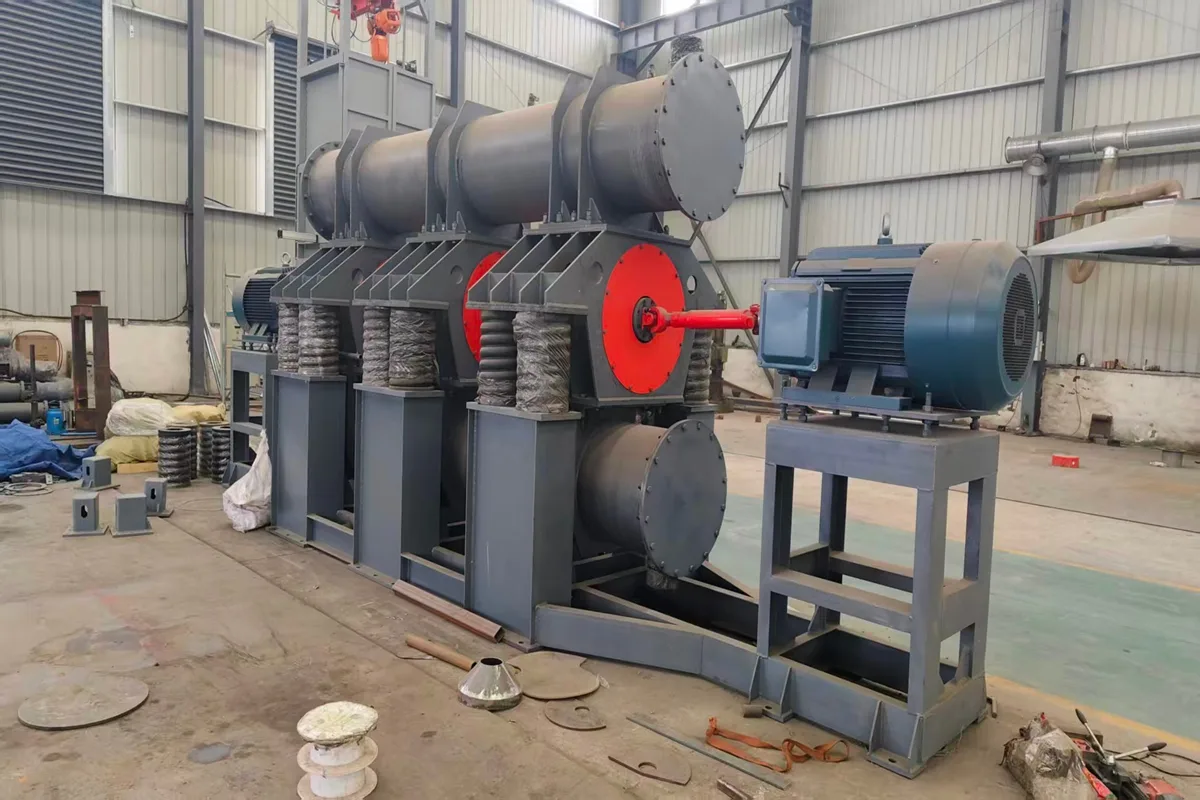
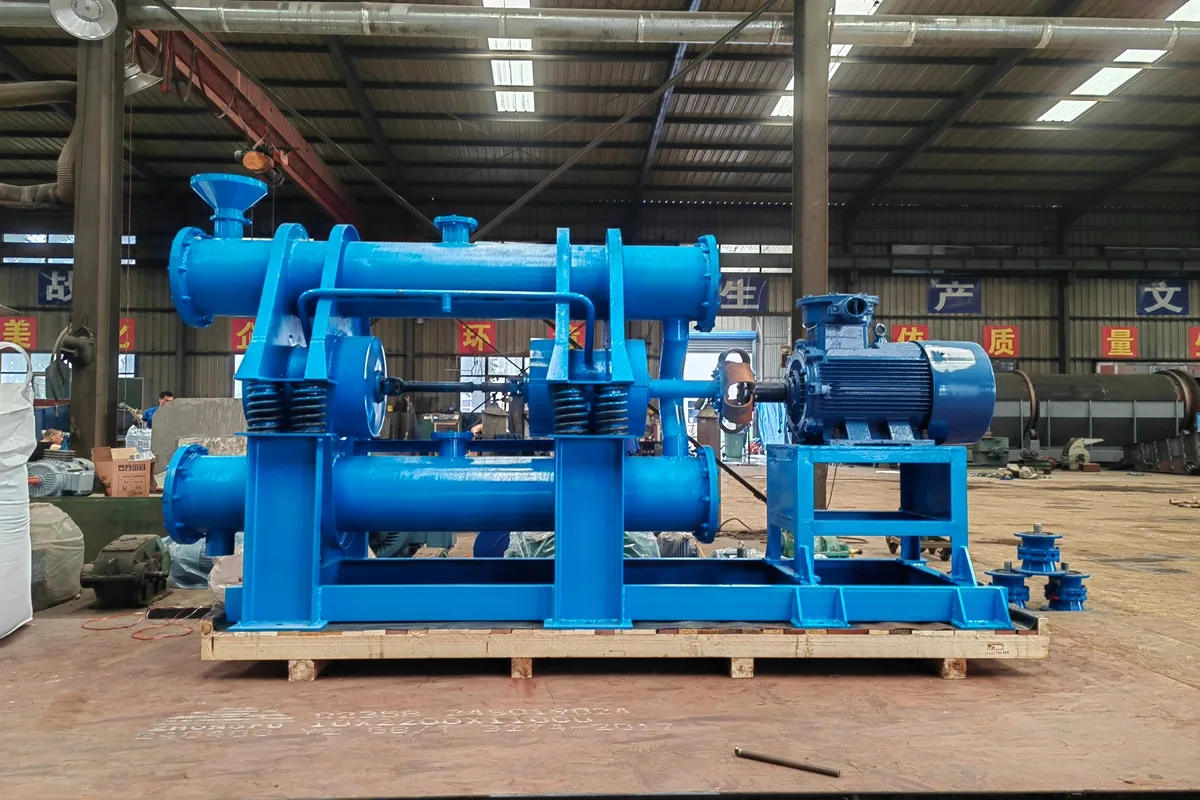
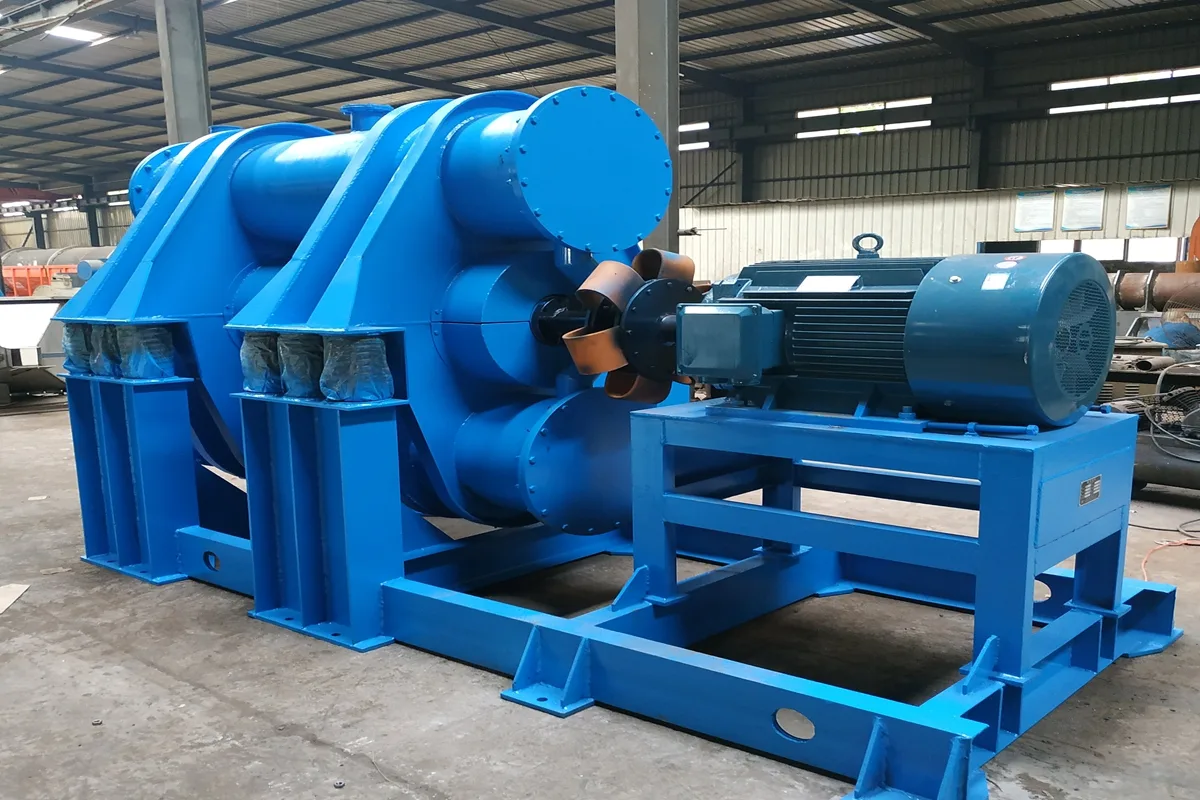
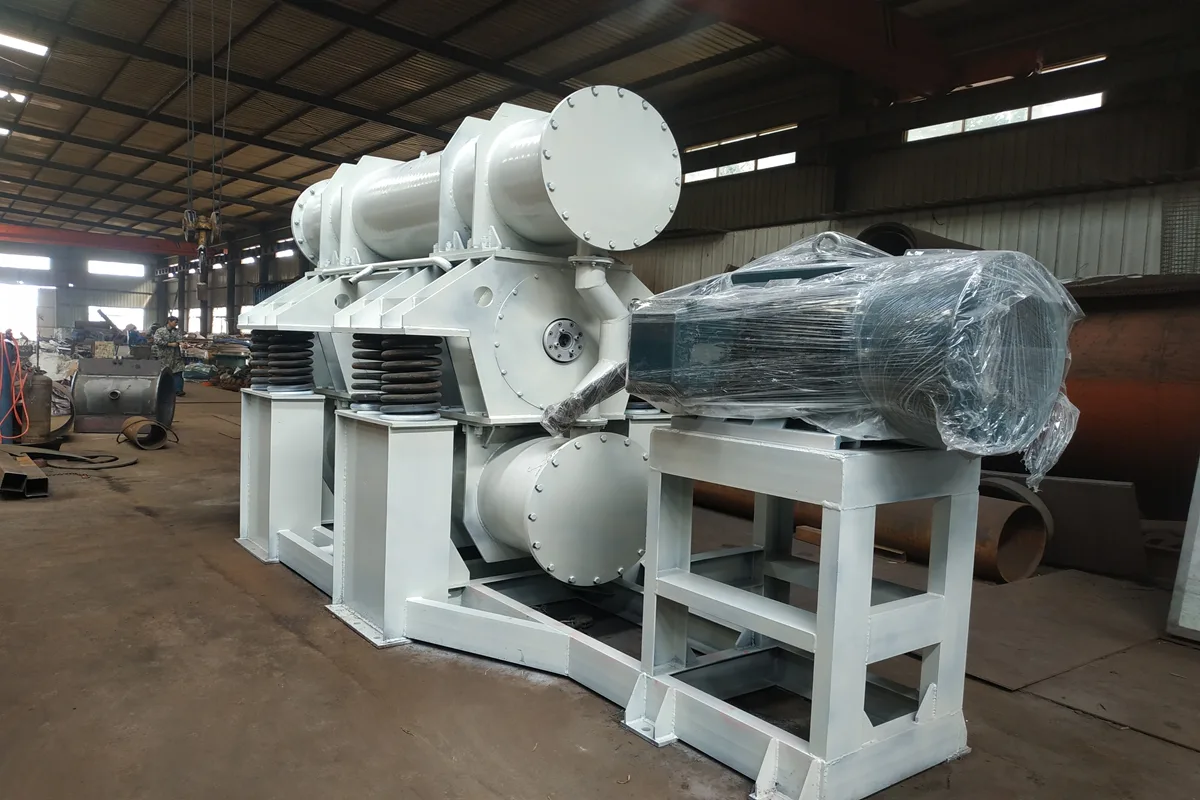
The Double Tube Vibration Ball Mill is an industrial grinding machine featuring two parallel grinding tubes driven by a single vibration system. High-frequency vibration drives grinding media to generate repeated impact and friction, reducing material particle size. Compared with a single-tube design, its dual-tube structure provides greater total grinding volume and supports parallel material processing, offering greater production capacity potential.
Structure and Working Principle
The Double Tube Vibration Ball Mill features a double-tube structure driven by a vibration system. Through the repeated impact and friction of grinding media, it reduces material particle size and supports different grinding configurations.
Working Process
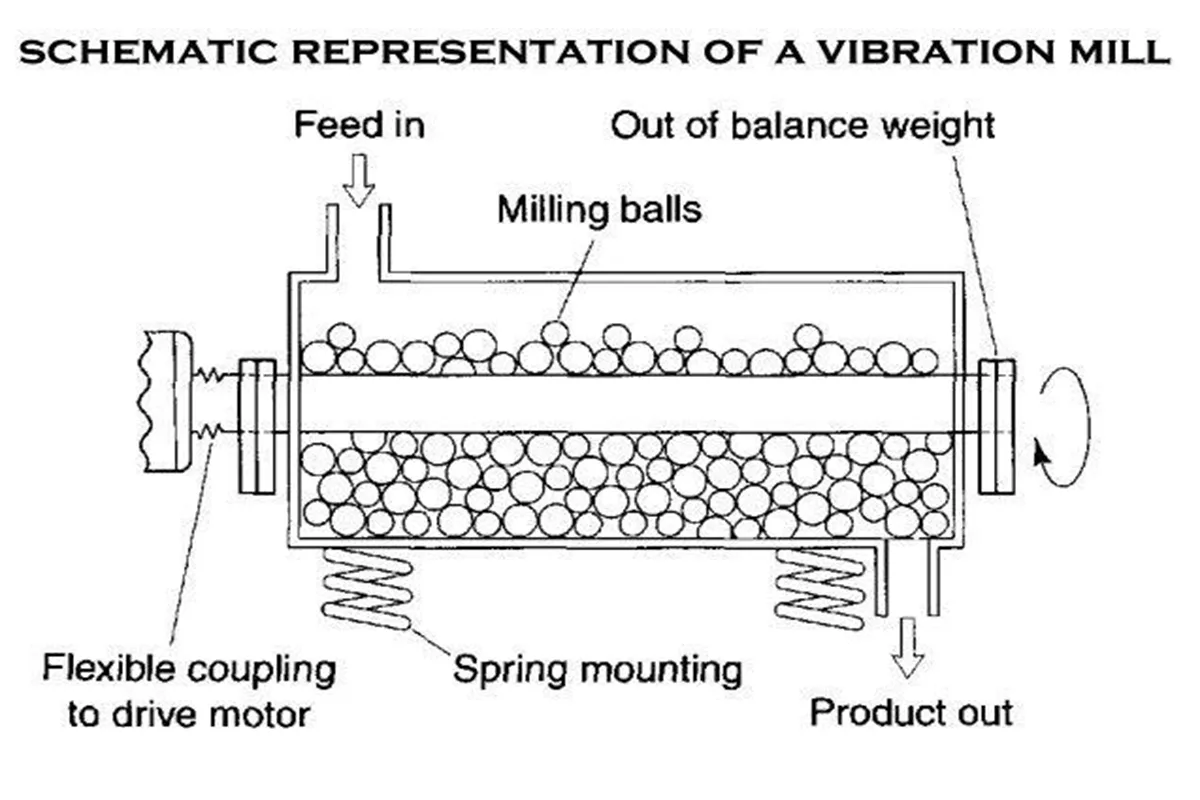
The Vibration Mill completes the grinding process through three main stages: material feeding, vibration grinding, and finished material discharging.
Material Feeding
Raw materials enter the grinding tubes through the feeding system. The feed size and rate are adjusted according to the material properties and grinding requirements.
Vibration Grinding
The vibration drive generates high-frequency mechanical vibration, causing the grinding media to move rapidly and repeatedly impact and rub against the material, reducing its particle size.
Material Discharging
After grinding, the processed material is discharged through the outlet system as fine powder or slurry, depending on whether dry or wet grinding is used.
Structure
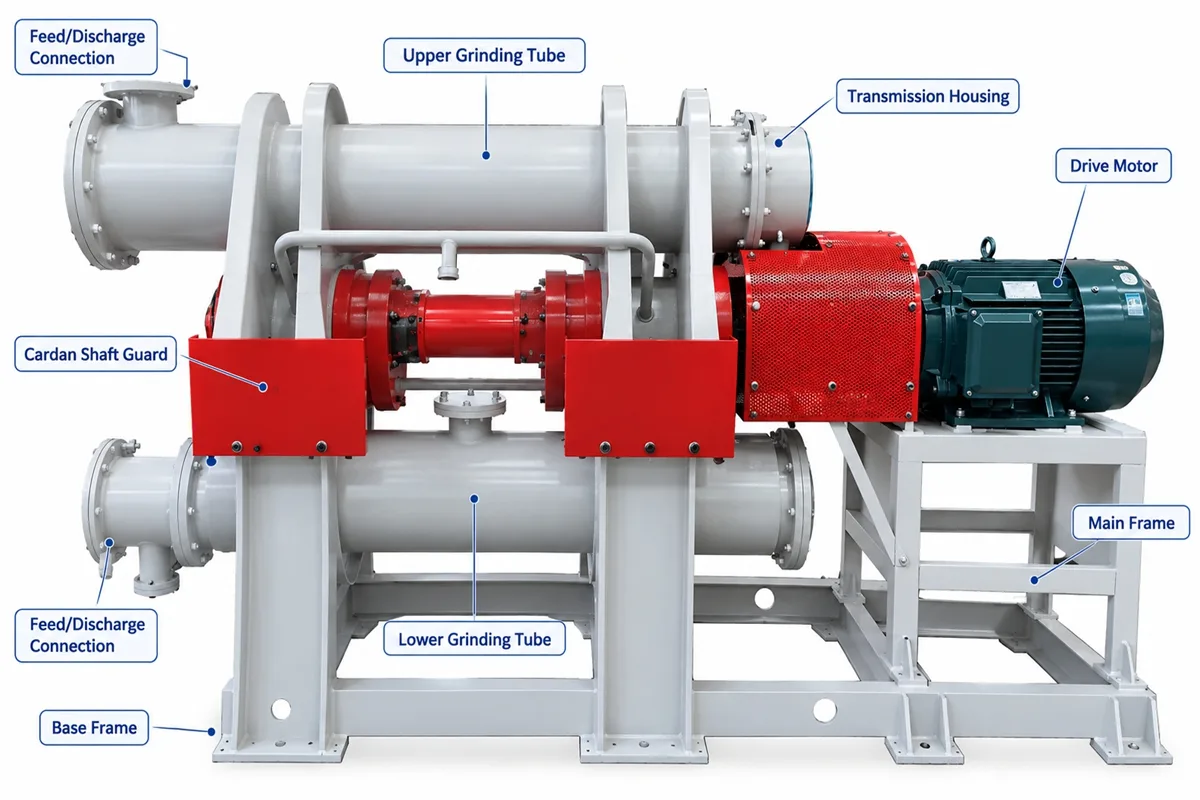
The 2ZM Vibration Ball Mill consists of five main systems that work together to ensure stable material feeding, efficient vibration grinding, and controlled material discharge.
| Main Component | Function |
|---|---|
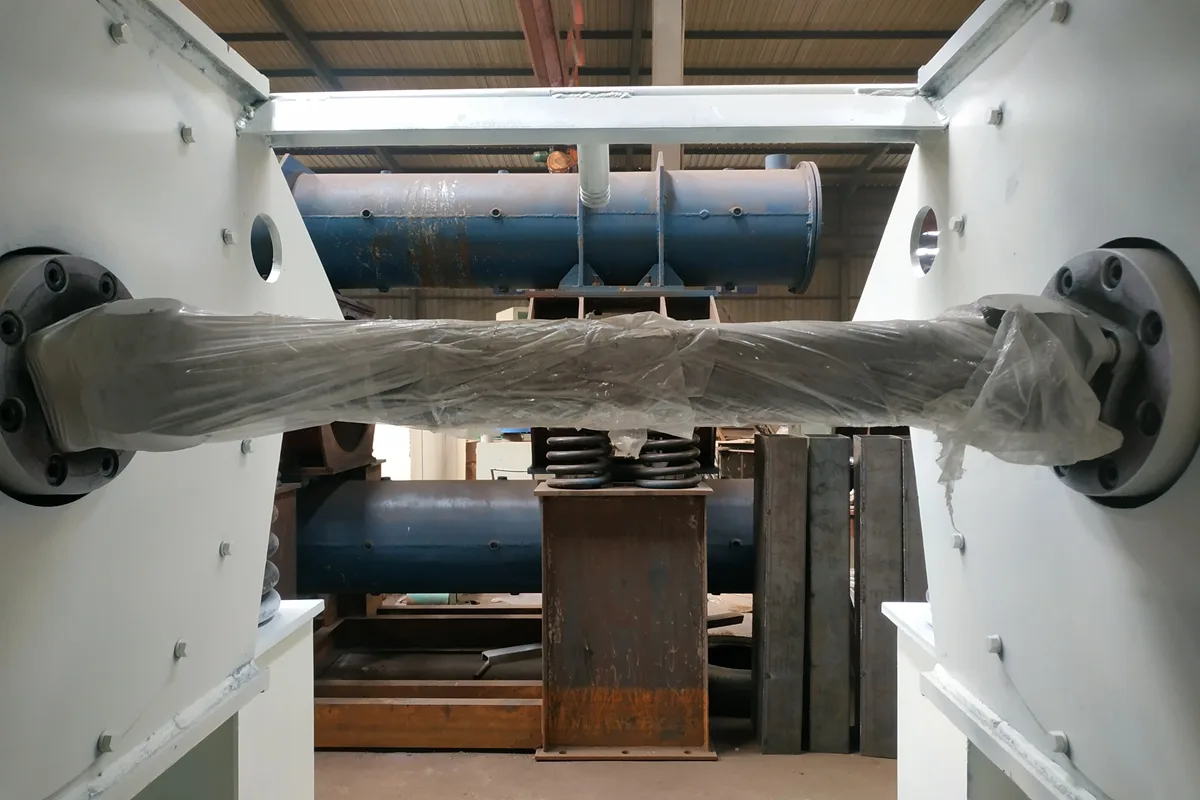
| Grinding Tubes | Two parallel cylindrical chambers where materials are ground. |
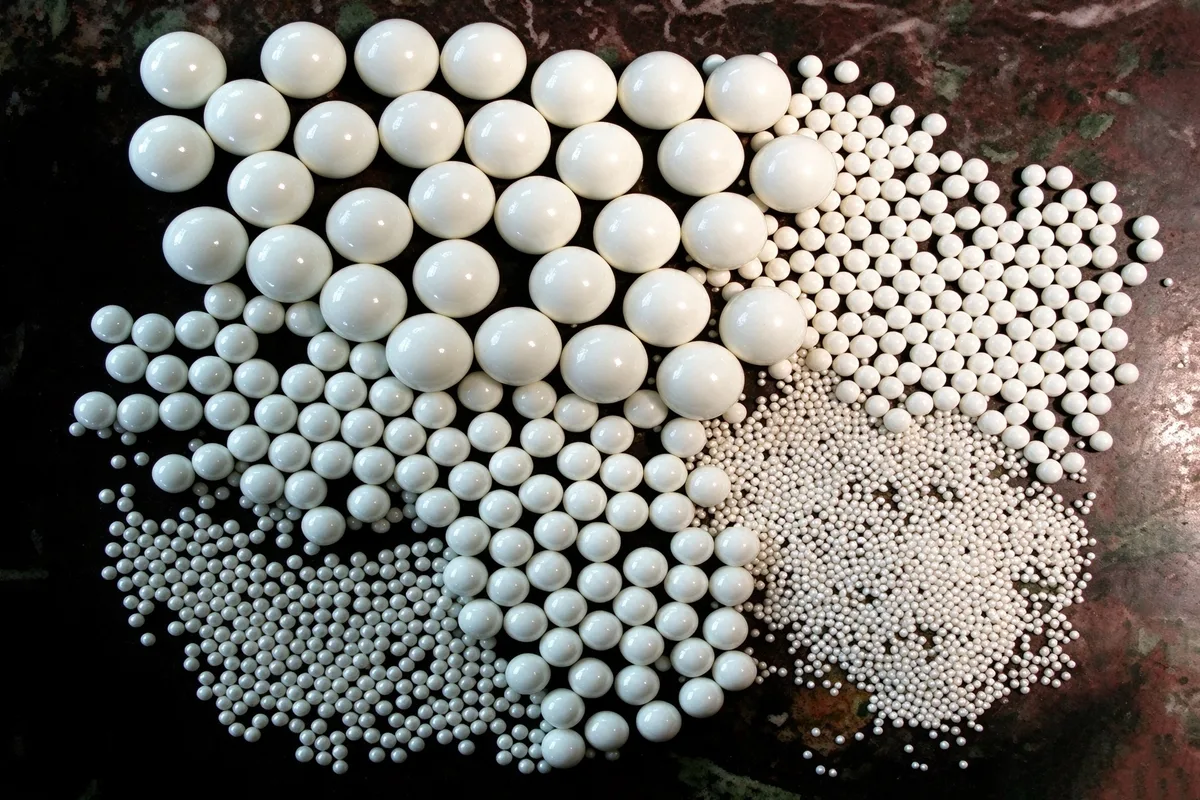
| Grinding Media | Grinding balls that reduce particle size through repeated impact and friction. |
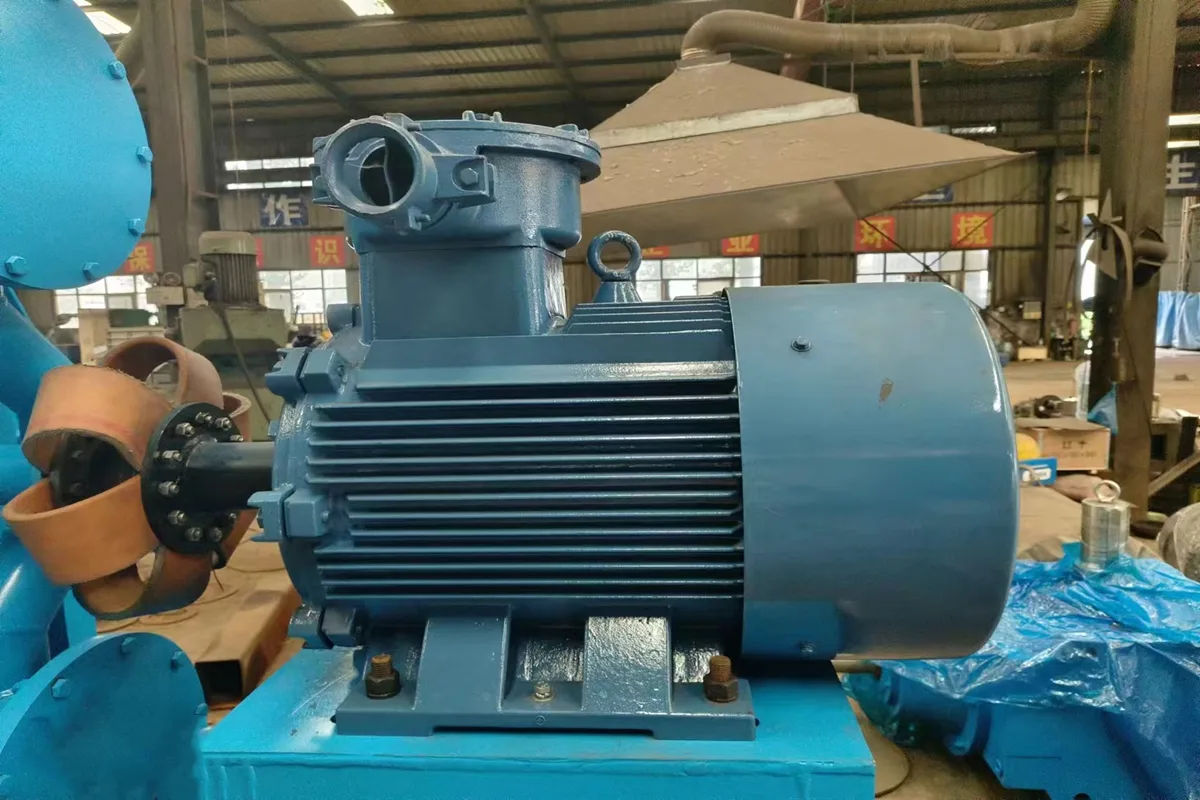
| Vibration Drive System | Generates mechanical vibration to drive the movement of grinding media. |
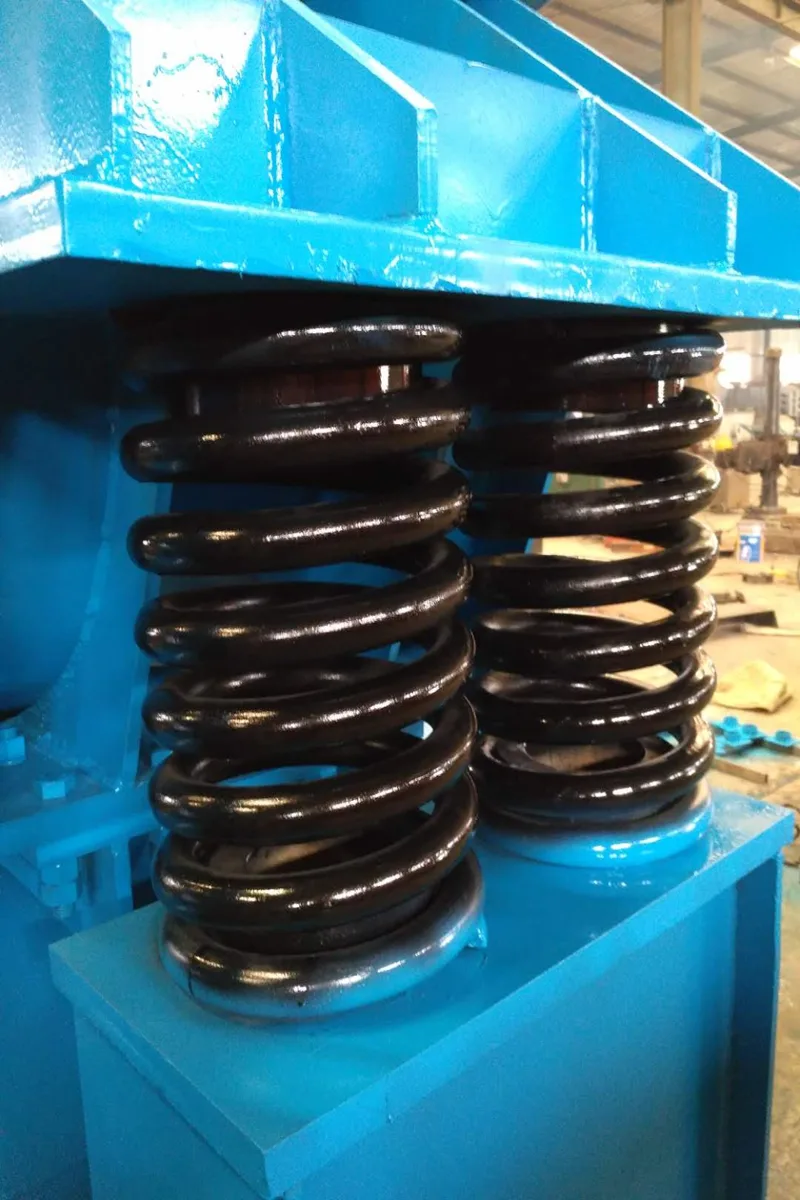
| Spring Support System | Supports the vibrating assembly and helps isolate vibration from the foundation. |
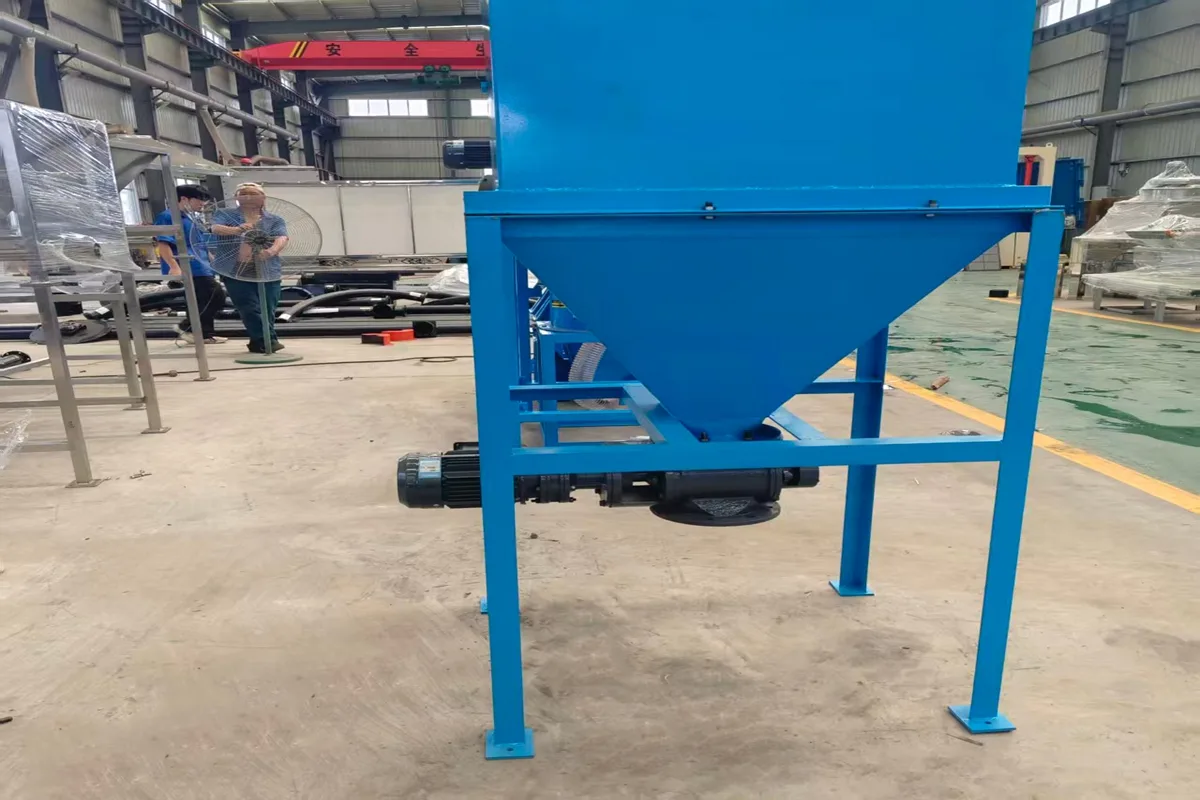
| Feeding & Discharging Systems | Control material feeding and the discharge of finished powder or slurry. |
Two Grinding Modes
The 2ZM Vibration Ball Mill supports two grinding configurations to accommodate different production processes and material processing requirements.

Two-Stage Grinding (Single Feed, Single Discharge)
Material enters the upper grinding tube for initial size reduction, then passes into the lower tube for further grinding. This configuration is suitable for processes requiring successive grinding stages.
Typical applications: Grinding quartz, ceramic raw materials, and other hard minerals that require progressive size reduction to achieve finer particle sizes.
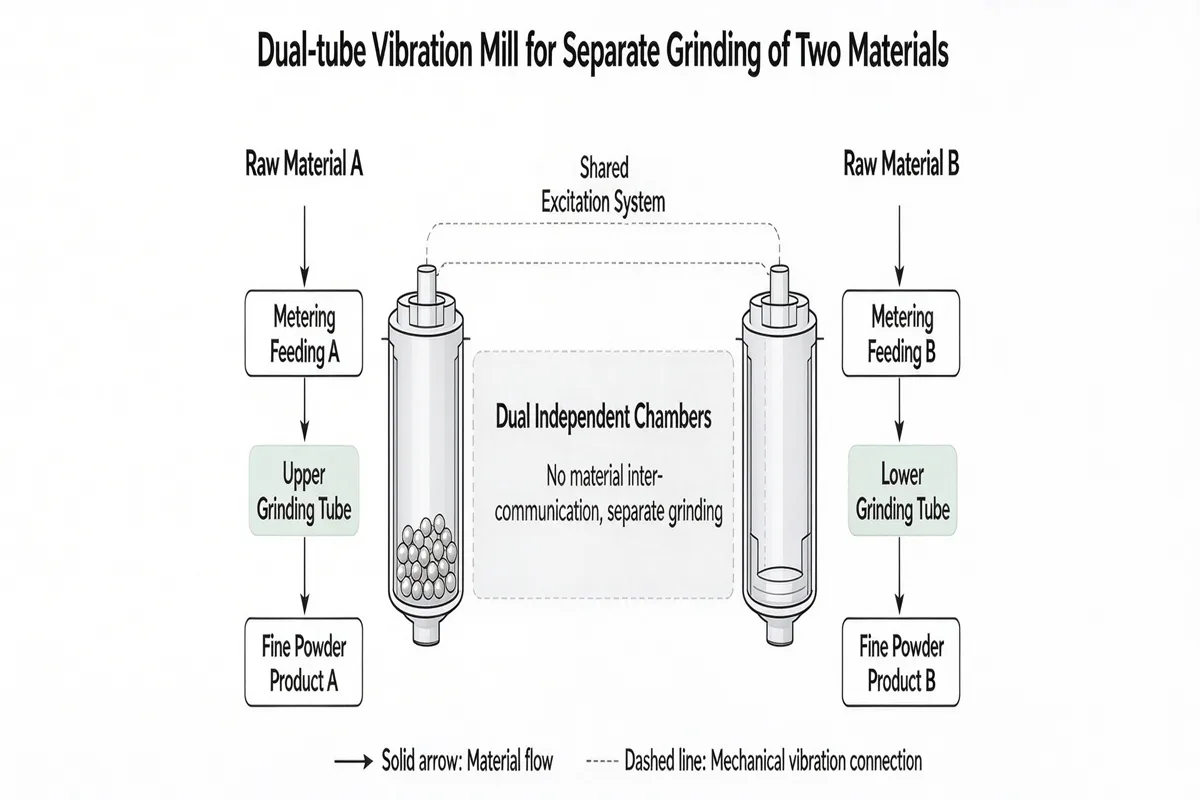
Parallel Grinding (Dual Feed, Dual Discharge)
Both grinding tubes operate simultaneously with separate feeding and discharging systems. They can process the same material in parallel or different materials independently, depending on the production setup.
Typical applications: High-volume grinding of materials such as calcium carbonate and feldspar, or simultaneous processing of different materials in separate tubes.
Part Details
Advantages
Our Double Tube Vibration Mill combines a double-tube grinding structure with adjustable vibration parameters to meet different industrial fine grinding requirements. With 10 models available and flexible motor configurations, GUOFENG provides equipment options for different material characteristics, processing capacities, and production conditions.
Double-Tube Grinding Design
Two grinding tubes provide two processing configurations: two-stage grinding and parallel grinding. This allows the equipment to accommodate both successive size reduction and simultaneous material processing.
Processing Capacity up to 30 t/h
With 10 models covering listed grinding tube volumes from 50L to 2000L, the 2ZM series offers processing capacities ranging from 0.3 to 30 t/h to meet different production demands.
Adjustable Vibration Amplitude
Different models feature amplitudes ranging from 5–8 mm to 8–12 mm, allowing vibration configurations to match equipment size and grinding requirements.
Flexible Power Configurations
Motor power ranges from 11–18.5 kW on the 2ZM-50 to 75 × 2 kW on the 2ZM-2000, providing different drive configurations for different production scales.
Contact Us
Looking for the Right Vibration Mill?
Tell us your material, required output, and grinding requirements. Our team can help you select a suitable 2ZM model and configuration.
Response within one business day
2ZM Double Tube Vibration Ball Mill Specifications
| Model | Grinding Tube Volume (L) | Capacity (t/h) | Motor Power (kW) | Feeding Size (mm) | Vibration Frequency (r/min) | Amplitude (mm) |
|---|---|---|---|---|---|---|
| 2ZM-50 | 50 | 0.3–0.8 | 11–18.5 | 0–25 | 980* | 5–8 |
| 2ZM-100 | 100 | 0.5–1.3 | 17–22 | 0–25 | 980* | 5–8 |
| 2ZM-200 | 200 | 0.5–2.5 | 22–37 | 0–25 | 980* | 8–10 |
| 2ZM-300 | 300 | 0.5–4 | 37–45 | 0–25 | 980* | 8–10 |
| 2ZM-400 | 400 | 0.5–4.8 | 45–55 | 0–25 | 980* | 8–10 |
| 2ZM-600 | 600 | 1–8 | 45–55 | 0–25 | 980* | 8–12 |
| 2ZM-800 | 800 | 1–10 | 55–75 | 0–25 | 980* | 8–12 |
| 2ZM-1000 | 1000 | 1–15 | 55–75 | 0–25 | 980* | 8–12 |
| 2ZM-1200 | 1200 | 1–18 | 75–90 | 0–25 | 980* | 8–12 |
| 2ZM-2000 | 2000 | 1–30 | 75 × 2 | 0–25 | 980* | 8–12 |
Additional Information:
- Grinding Methods: Dry & Wet
- Capacity varies depending on material characteristics and bulk density.
Dry & Wet Grinding Solutions
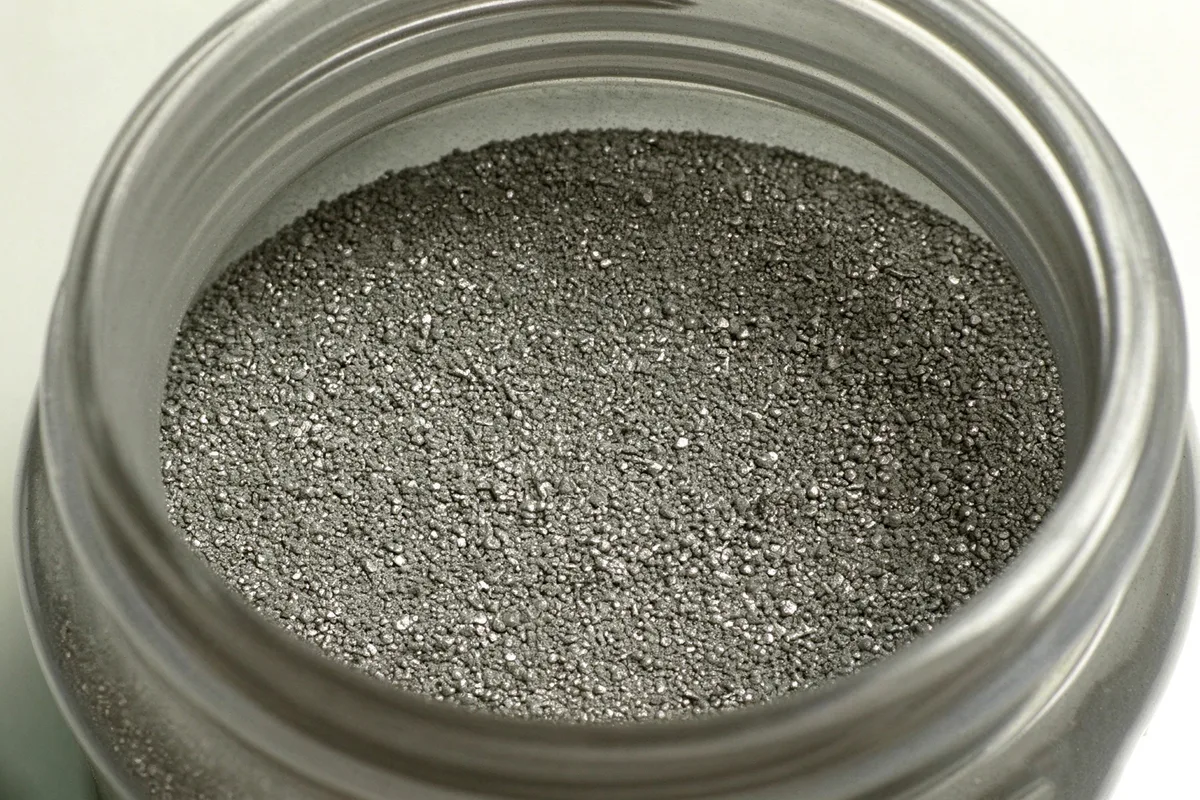
Our Twin Tube Vibrating Mill supports both dry and wet grinding for different material processing requirements. Dry grinding is suitable for producing fine powders without adding liquid, while wet grinding processes materials with liquid to produce slurry. At GUOFENG, we configure suitable grinding solutions according to material properties, target fineness, and production needs.
Dry Grinding
Dry grinding processes materials without adding liquid during grinding. It is suitable for producing fine powders from dry materials.
Typical Applications: Quartz, feldspar, ceramic raw materials, and other minerals requiring powder processing.
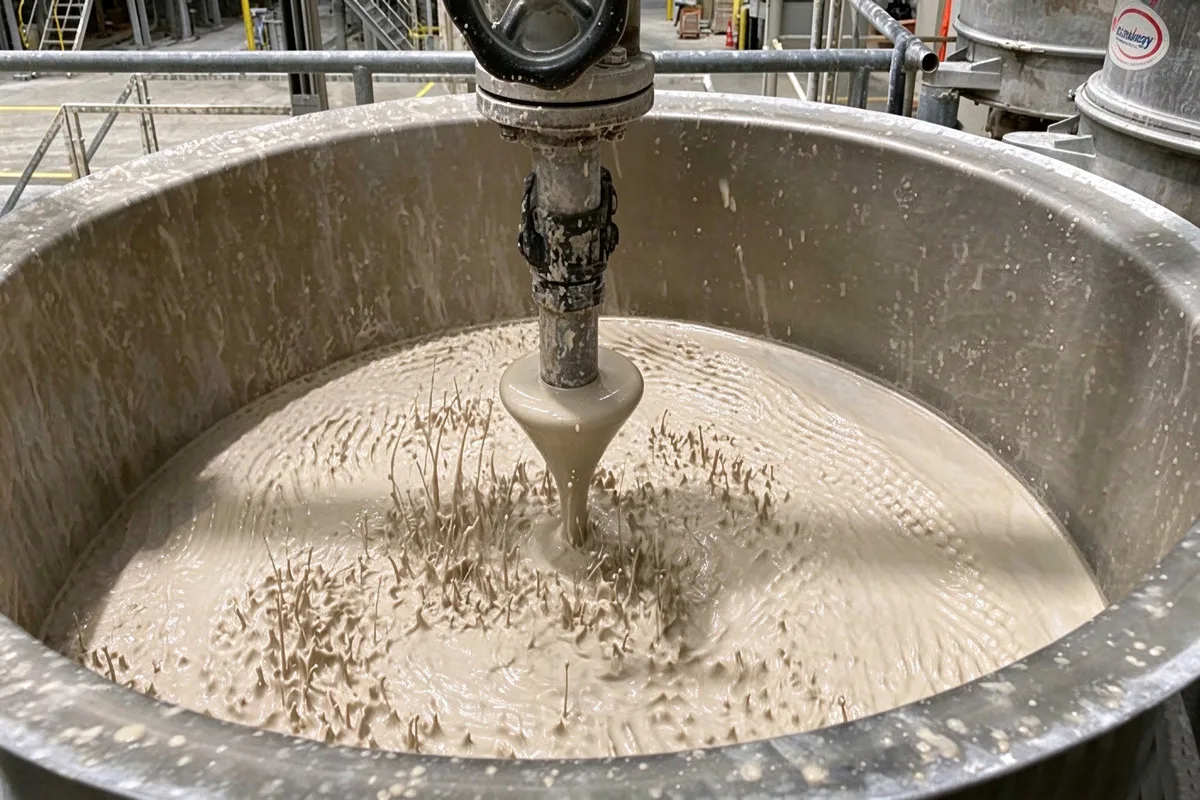
Wet Grinding
Wet grinding uses liquid as a grinding medium to form a slurry, helping process materials that require wet dispersion or slurry-based production.
Typical Applications: Ceramic slurries, mineral suspensions, and other materials processed in liquid form.
Contact Us
Not sure which grinding method is suitable for your material?
Contact GUOFENG for a suitable grinding solution.
Response within one business day
Applications
Our Double Tube Vibrating Mill is designed for fine grinding a wide range of industrial materials, including minerals, ceramic raw materials, chemical compounds, and mineral pigments. At GUOFENG, we provide suitable equipment configurations based on material properties and processing requirements across different industries.
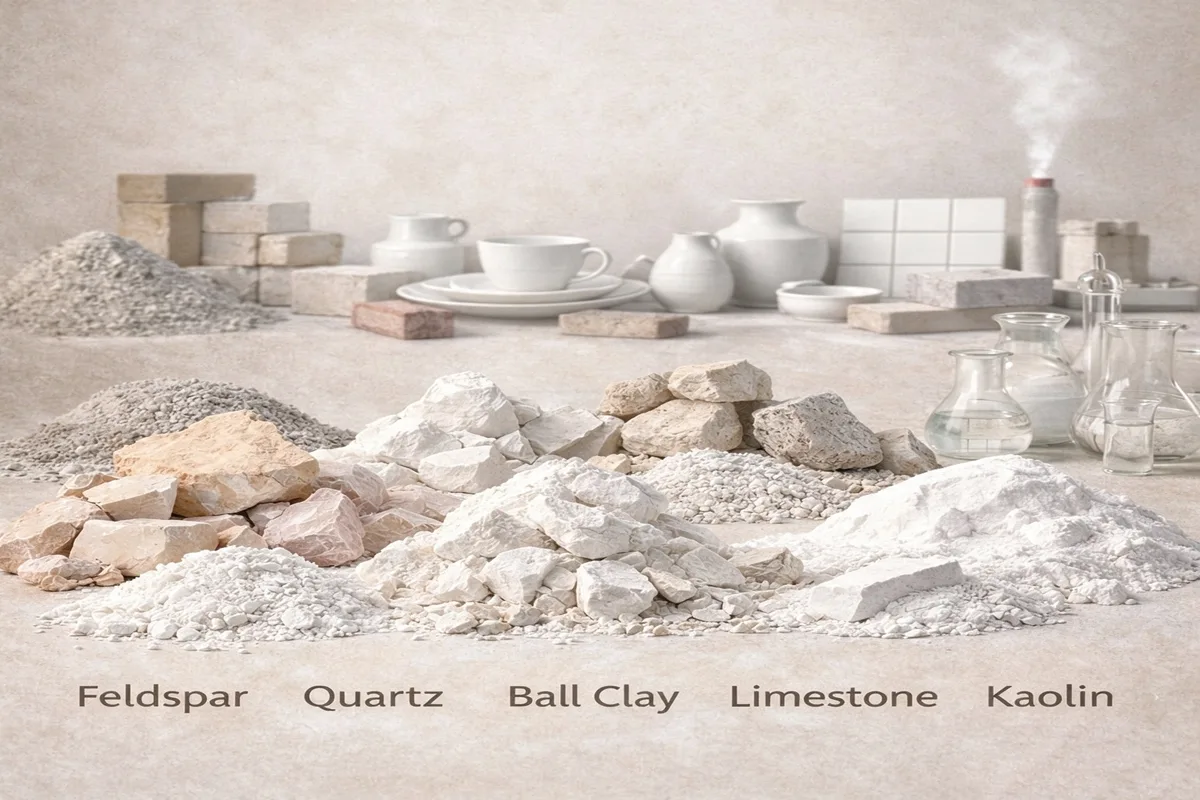
Mining & Minerals
Fine grinding of quartz, feldspar, calcium carbonate, and other non-metallic minerals.
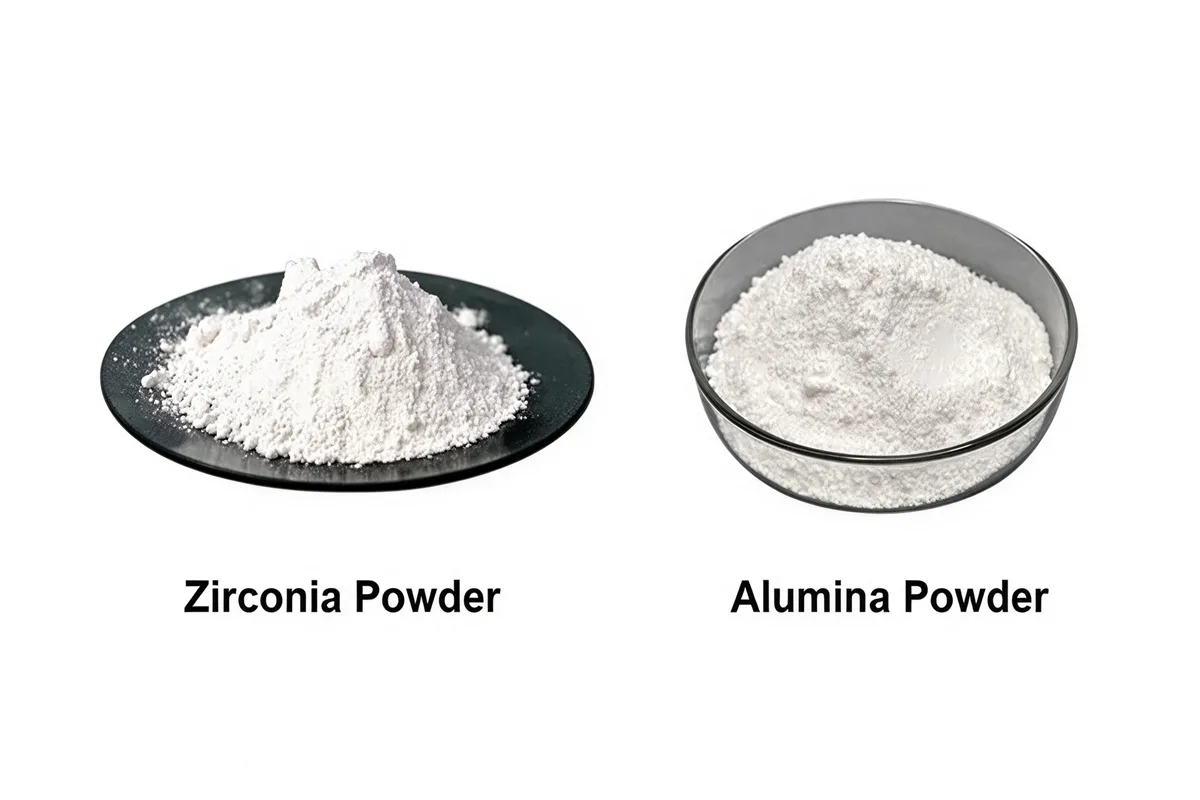
Ceramics & Refractories
Grinding ceramic raw materials, refractory minerals, and inorganic compounds.

Chemical Industry
Processing suitable inorganic chemicals, chemical raw materials, and mineral compounds.

Pigments & Coatings
Fine grinding of suitable mineral pigments, fillers, and coating additives.
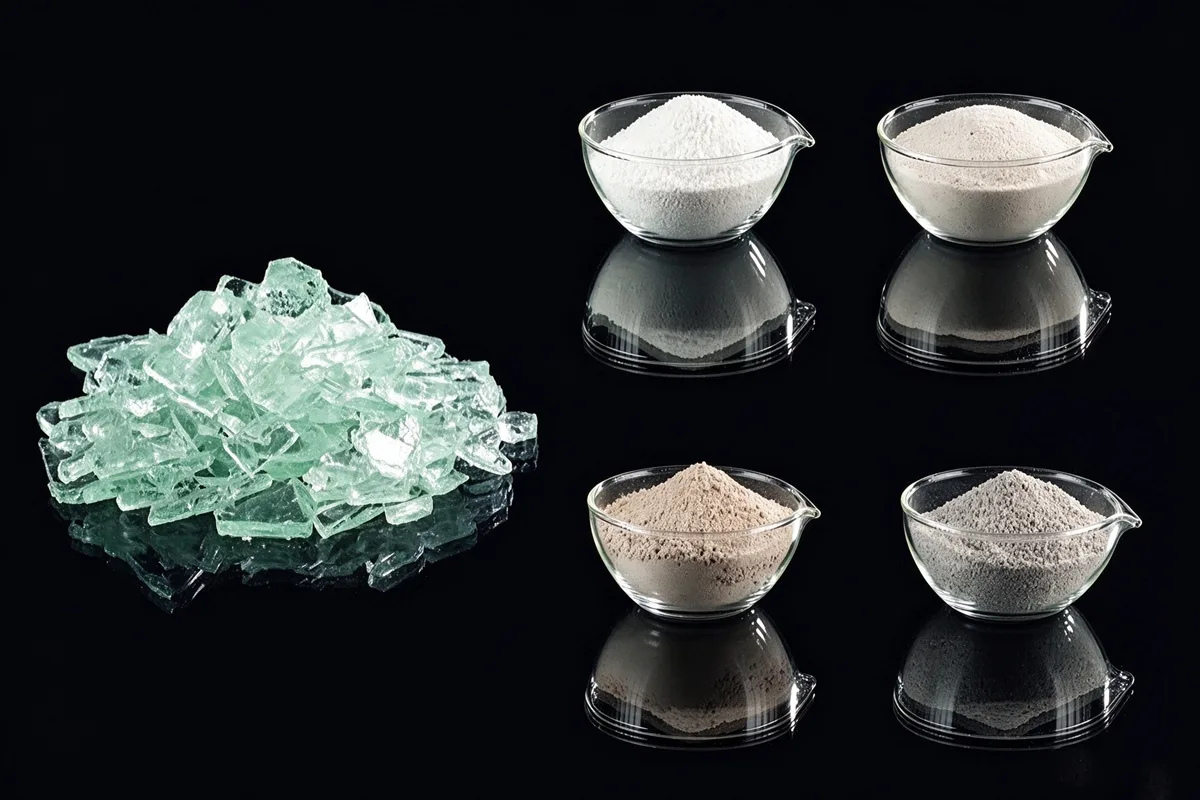
Glass & Building Materials
Grinding silica, glass raw materials, and mineral fillers.
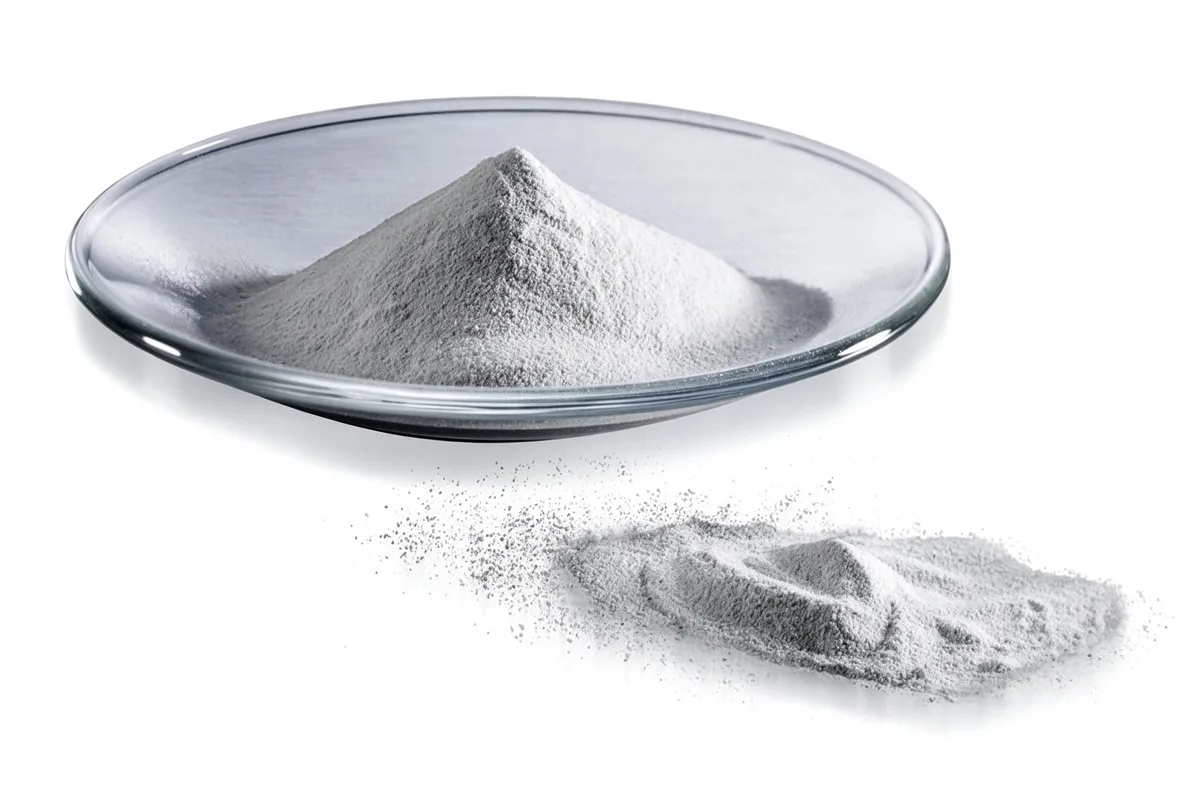
Advanced Materials
Fine grinding of selected functional ceramics and specialty inorganic materials.
Double Tube Vibrating Mill vs. ZM Single-Tube Vibrating Mill
At GUOFENG, we manufacture both single-tube ZM vibrating mills and double-tube vibration ball mills for different industrial grinding requirements. The ZM series features a single grinding tube and is suitable for general fine grinding, while the 2ZM series adopts a double-tube structure, offering greater processing capacity and more flexible grinding configurations. We help customers select the right model based on material properties, target fineness, and required production output.
| Comparison | 2ZM Vibration Mill | ZM Single-Tube Vibrating Mill |
|---|---|---|
| Grinding Structure | Double-tube | Single-tube |
| Grinding Configuration | Two-stage or parallel grinding | Single-stage grinding |
| Grinding Tube Volume | 50–2000 L* | 50–2000 L |
| Processing Capacity | 0.3–30 t/h | 20–3000 kg/h |
| Grinding Methods | Dry & Wet | Dry & Wet |
| Typical Use | Higher-capacity or multi-stage grinding | General industrial fine grinding |
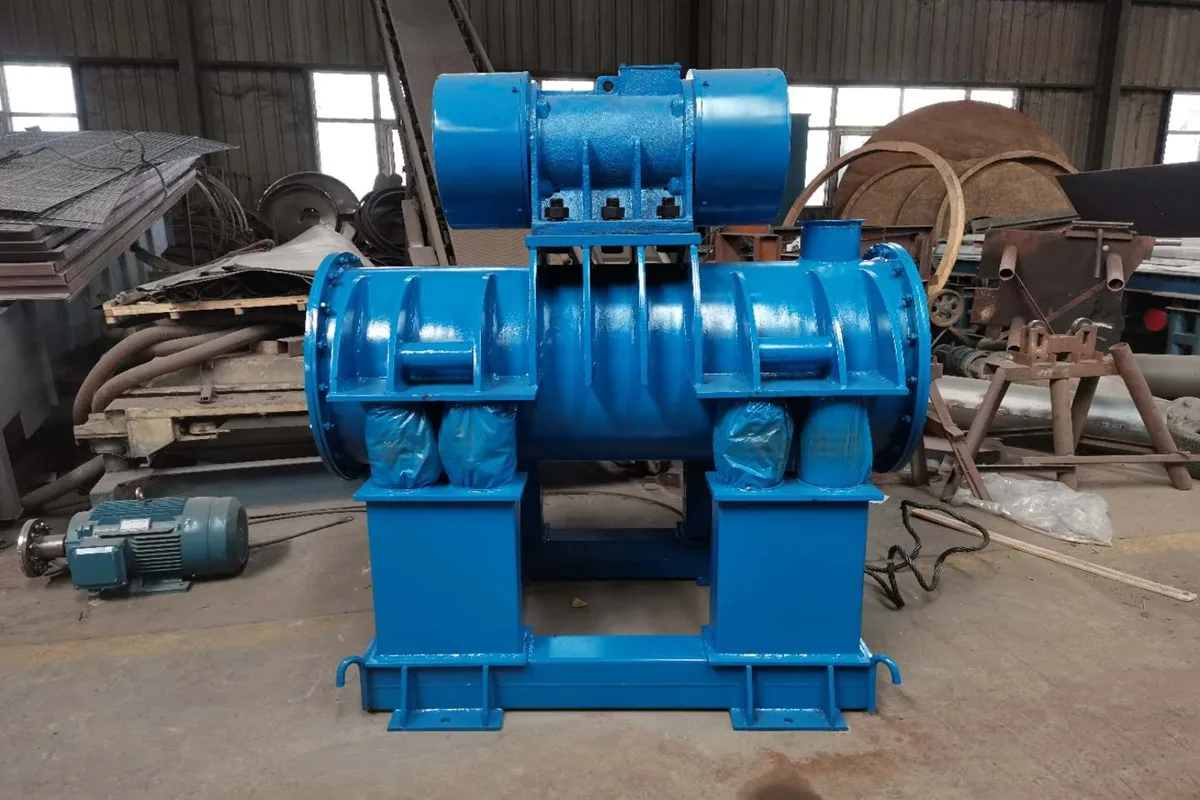
Compare per-tube volume and total working volume using the selected machine drawing. The quotation should state both values together with the parallel or two-stage configuration.
Which Model Should You Choose?
Choose 2ZM Double-Tube Vibration Mill if:
- You need two-stage grinding to achieve finer particle sizes through successive processing.
- Your production requires higher capacity, with listed outputs ranging from 0.3 to 30 t/h.
- You need parallel processing of the same material or separate processing of different materials.
Choose ZM Single-Tube Vibrating Mill if:
- Your material can reach the target fineness in a single grinding stage.
- Your required capacity falls within its 20–3,000 kg/h range.
- You need a simpler grinding configuration for conventional fine powder production.
Customized Double-Tube Vibration Mill Solutions
At GUOFENG, we customize Double-Tube Vibration Mills to match different materials, grinding processes, and production requirements. We can adjust the grinding tube structure, grinding media, inner lining, and feeding and discharging systems to configure equipment for your specific application.
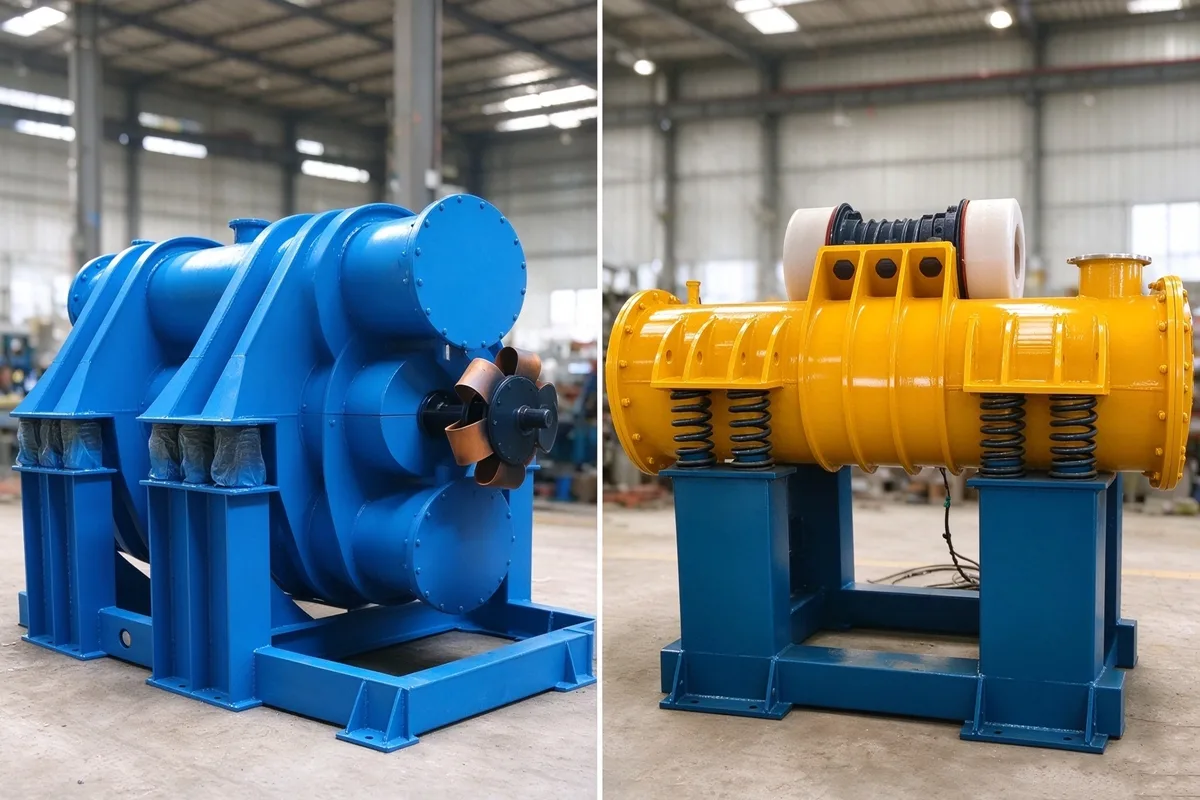
Grinding Tube Materials & Structure
Grinding tubes are available in carbon steel or stainless steel, with double-tube, three-tube, and four-tube configurations.
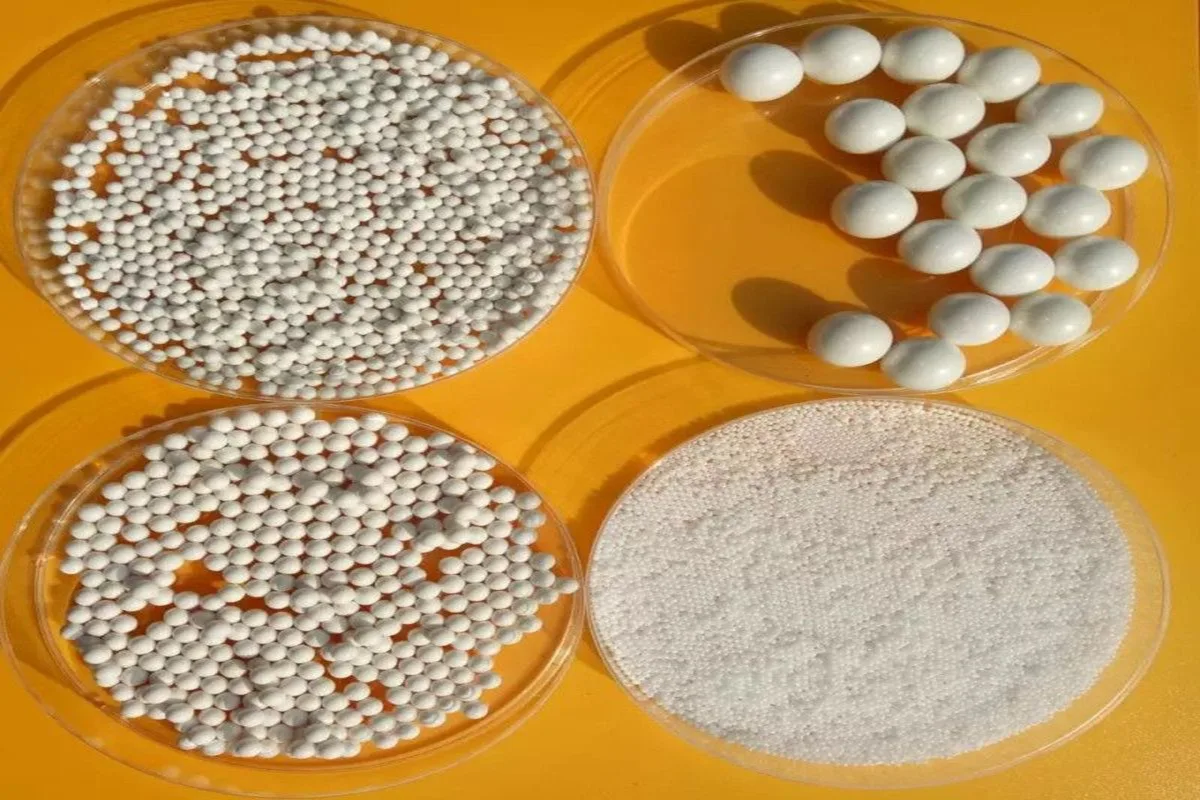
Grinding Media Selection
Choose from high-alumina ceramic balls, zirconia balls, and steel grinding balls according to material hardness and product purity requirements.
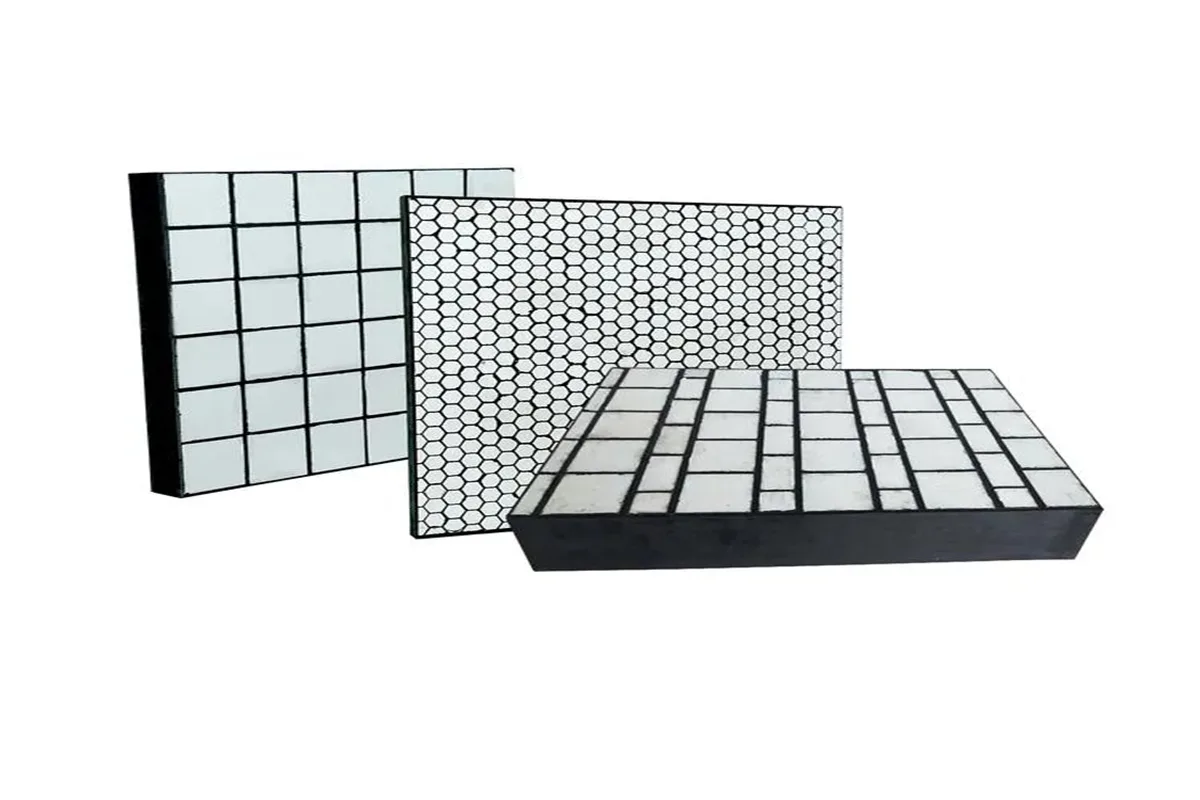
Liner Materials
Available lining options include high-alumina ceramic, zirconia ceramic, rubber, and wear-resistant alloy to suit different material abrasion conditions.
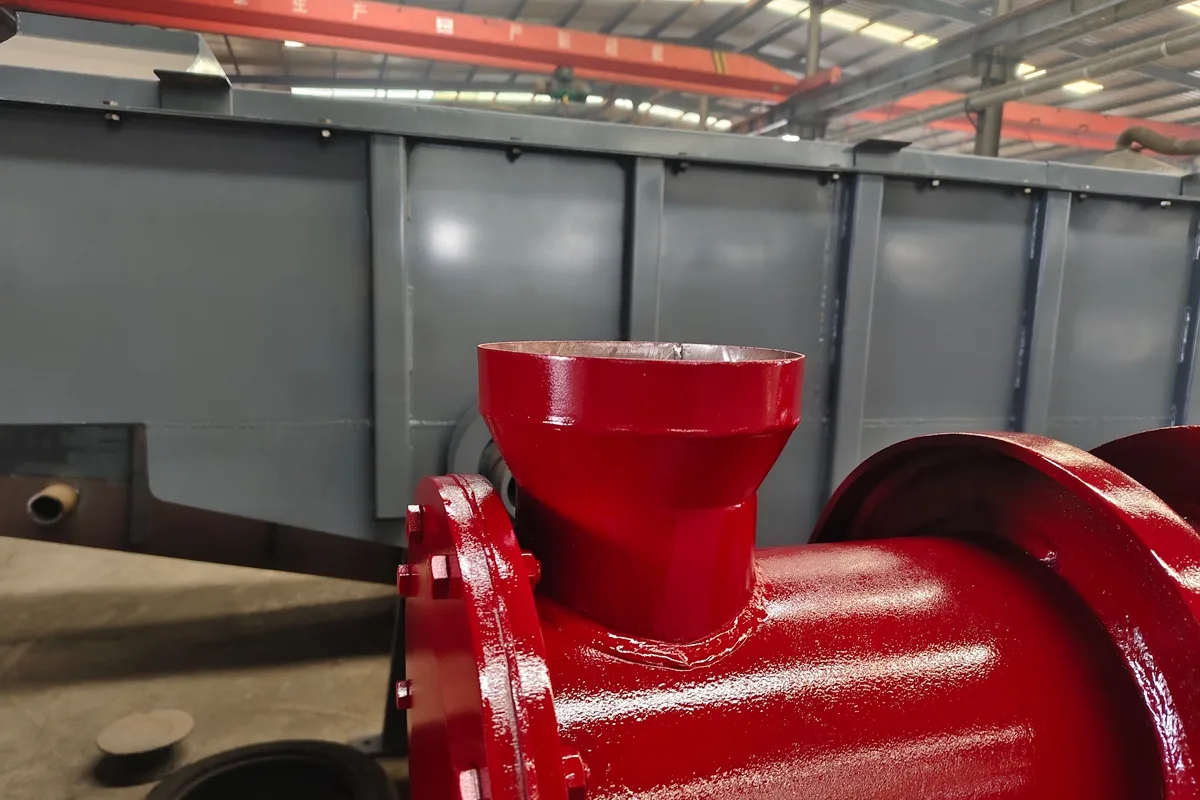
Feeding & Discharging Configuration
Feeding options include hopper and screw feeding, while discharge systems can be configured for powder or slurry handling.
Why Choose GUOFENG?
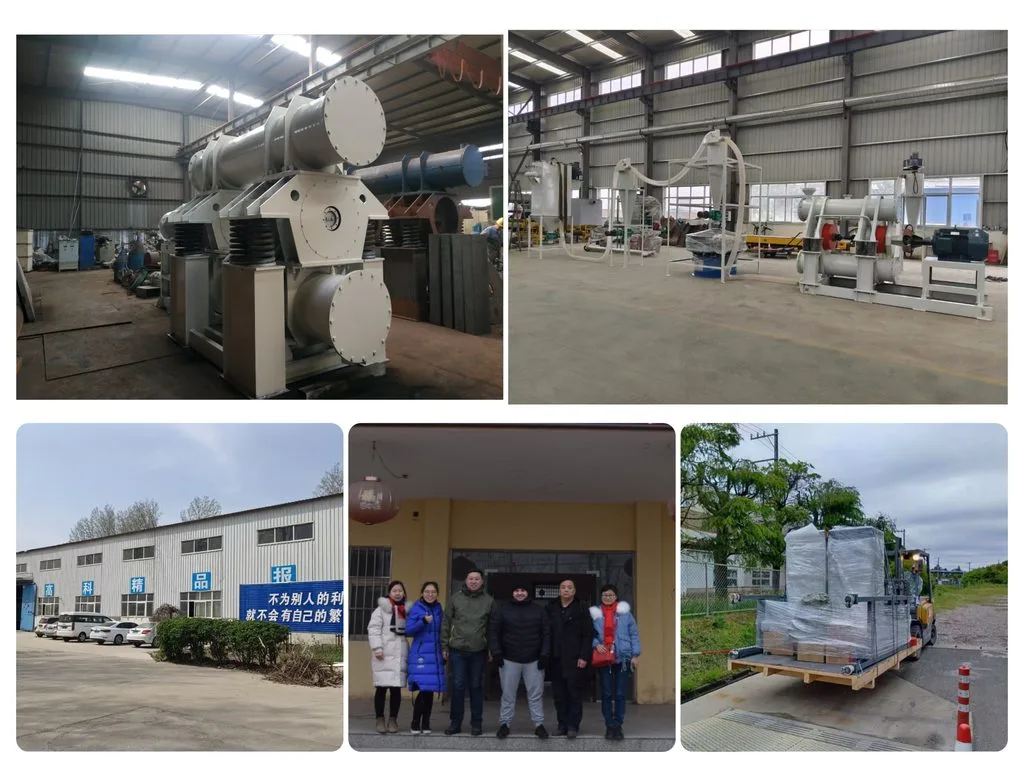
Established in 1999, GUOFENG is a manufacturer of industrial vibrating machinery based in Xinxiang, China, specializing in equipment R&D, manufacturing, and sales. With in-house CNC machining, metal fabrication, assembly, and testing capabilities, we manufacture single-tube, double-tube, three-tube, and four-tube vibrating mills. We also customize grinding tubes, grinding media, liners, and feeding and discharging systems to meet different material and production requirements. From model selection and equipment configuration to pre-delivery testing, installation guidance, and after-sales technical support, we help customers implement suitable grinding solutions.
Tube Volume, Grinding Modes and Capacity Basis
For a double tube vibrating ball mill, compare the volume of each grinding chamber and the combined working volume separately. The selected drawing and quotation should identify both values; a listed series volume alone should not be used to assume a fixed capacity increase over a single-tube mill.
Provide feed properties, target particle-size distribution, dry or wet process and required throughput. Specify whether the duty needs parallel material streams or a two-stage route, and agree a representative grinding trial and acceptance method.
FAQ
What Factors Affect the Final Particle Size of a Vibration Ball Mill?
The final particle size depends on several factors, including feed size, material hardness, grinding media size, grinding time, and vibration conditions. A material grinding test helps determine the appropriate operating configuration.
Can a Vibration Ball Mill Run Continuously?
Continuous operation depends on the machine configuration, feeding and discharging systems, and production requirements. For automated production, the feeding and discharge systems can be designed to match the required material flow.
How to Choose the Right Grinding Media for a Vibration Mill?
Grinding media should be selected according to material hardness, required fineness, and contamination limits. Alumina, zirconia, and steel grinding media are common options, each offering different wear and contamination characteristics.
How Much Does an Industrial Vibration Ball Mill Cost?
The price depends on the selected model, motor configuration, grinding tube materials, liners, grinding media, and feeding and discharging systems. Contact GUOFENG with your capacity requirements for a project-specific quotation.
How Can I Test My Material Before Purchasing a Vibration Mill?
Provide a material sample along with its initial particle size, target fineness, and required processing capacity. These details help evaluate grinding conditions and identify a suitable equipment configuration. Contact GUOFENG to confirm material testing availability.
Can the 2ZM Vibration Ball Mill be integrated into an existing industrial production line?
Yes. GUOFENG can discuss equipment integration based on your existing production line layout and material handling requirements. We can consider the feeding and discharging positions, connection with upstream and downstream equipment, available installation space, and required production flow. Before equipment design, we recommend providing your production line layout, equipment connection details, and relevant process information so that we can evaluate the integration requirements and determine a suitable configuration.
What technical documents and support does GUOFENG provide with the 2ZM Vibration Ball Mill?
We can provide relevant technical documentation to support equipment installation, operation, and maintenance. Depending on the order requirements, this may include equipment specifications, general arrangement drawings, electrical information, operation manuals, and maintenance instructions. Our team can also provide technical guidance on equipment installation, commissioning, and routine operation to help customers prepare for equipment delivery and production startup.