

What Is a Double Screw Cone Mixer?
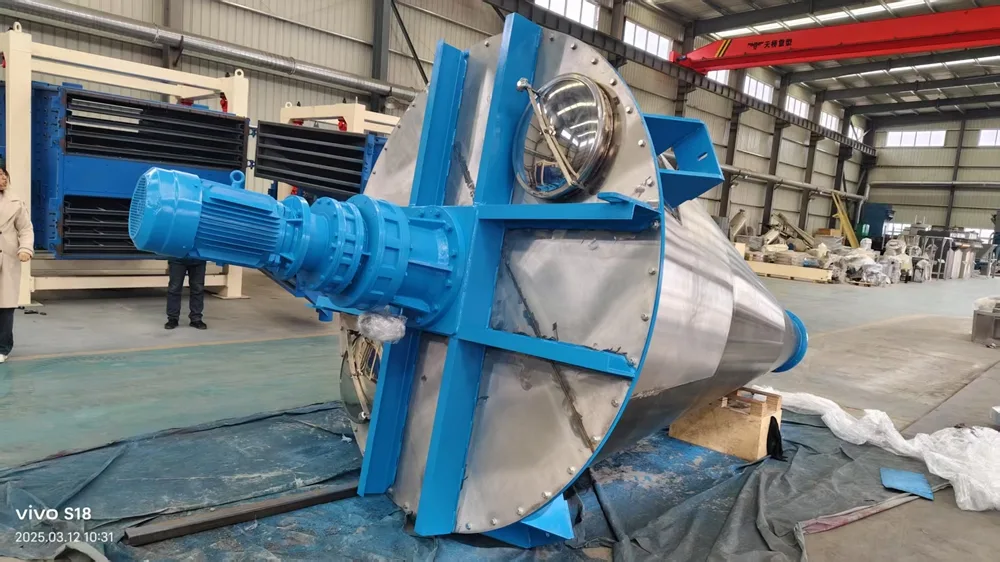
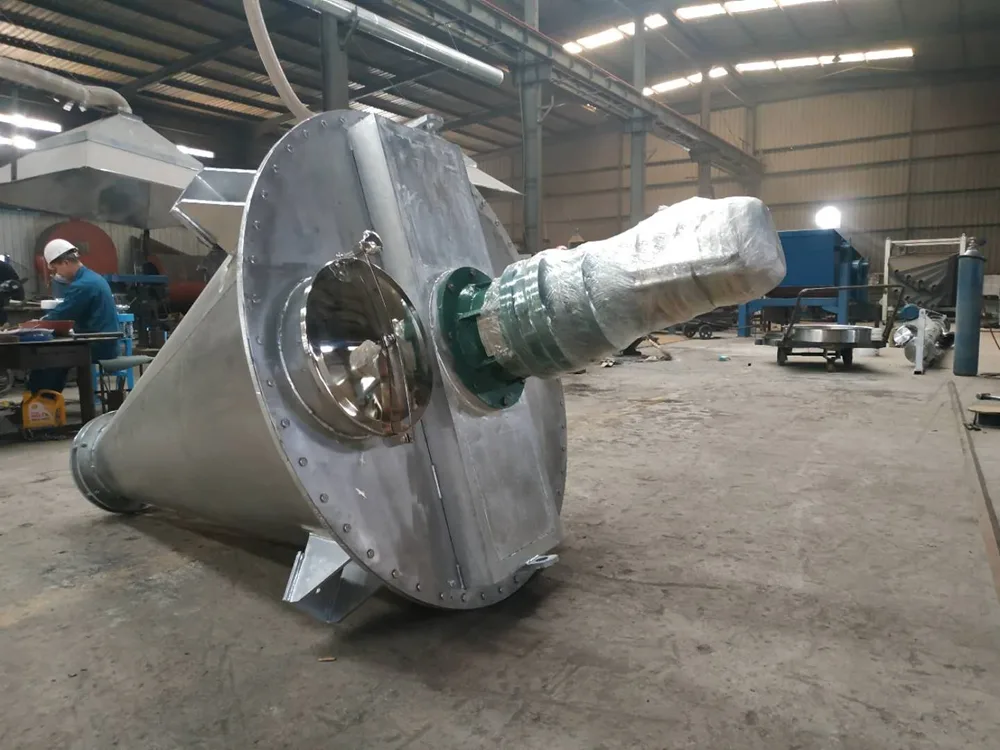
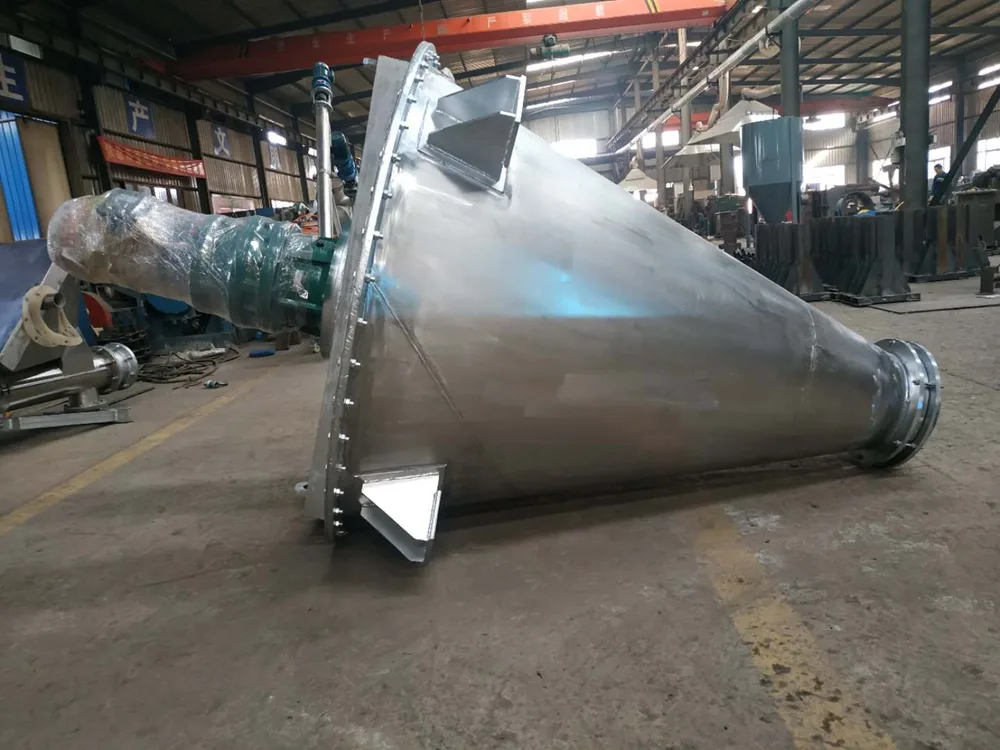
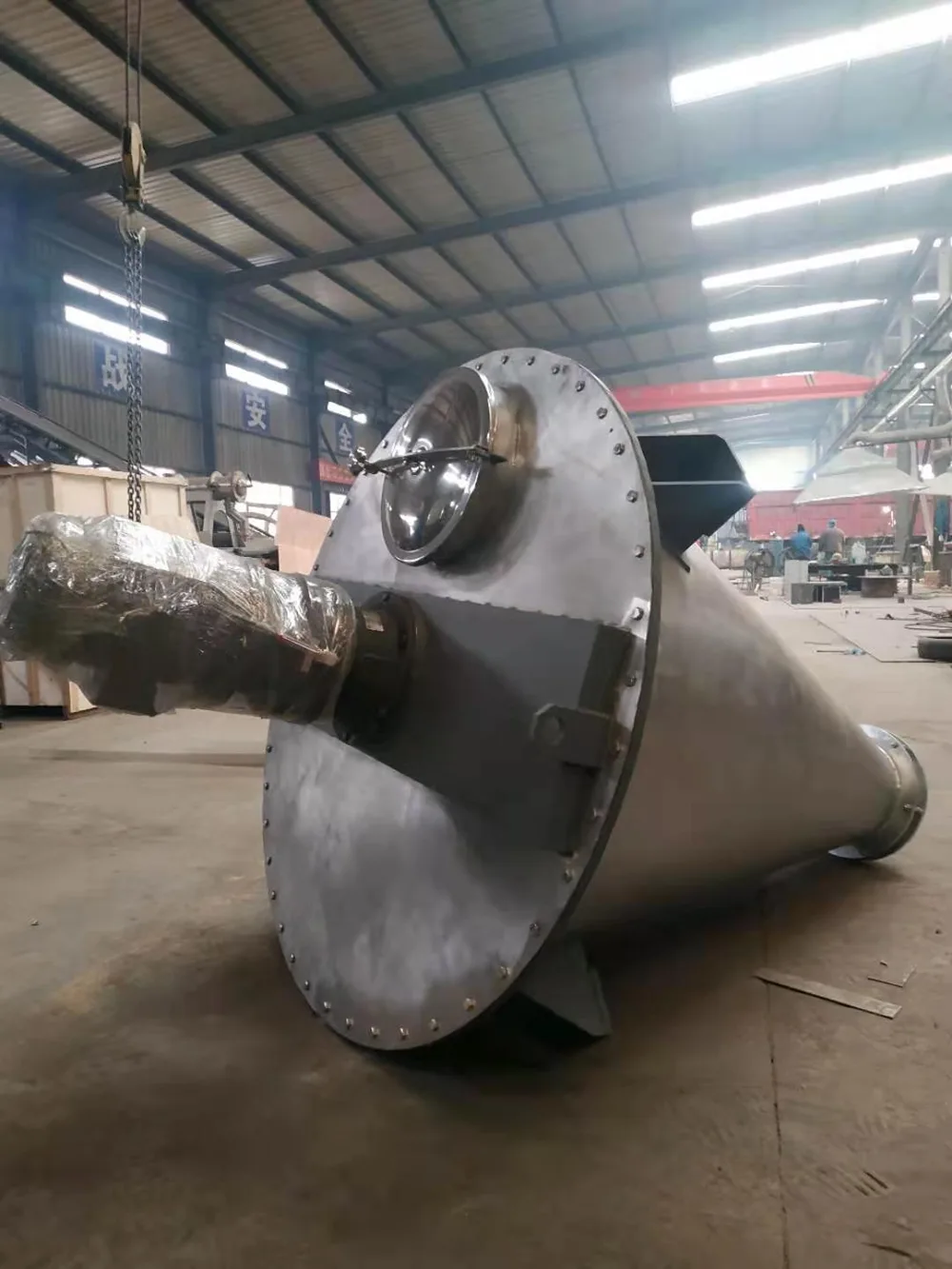
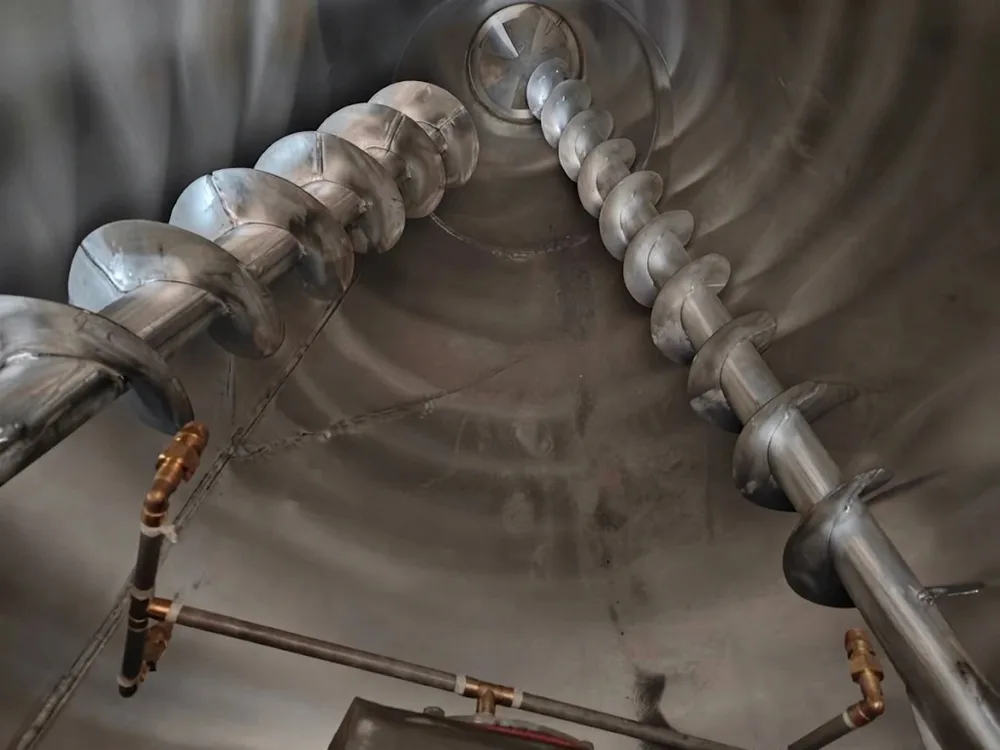
A double screw cone mixer, also known as a twin-screw conical mixer, is a vertical batch mixer designed for blending powders and granules. It consists of a conical vessel and two mixing screws of different lengths. Each screw rotates on its own axis while moving around the vessel wall, lifting and circulating material throughout the mixing chamber.
Material is lifted by the screws and flows downward under gravity, creating continuous mixing with relatively gentle agitation. Typical mixing times range from 4 to 30 minutes, depending on material properties and batch size. The mixer is suitable for materials that require gentle handling and can be equipped with an optional liquid spray system for adding small amounts of liquid to powders.
DSH Double Screw Cone Mixer Working Principle and Main Components
Main Components
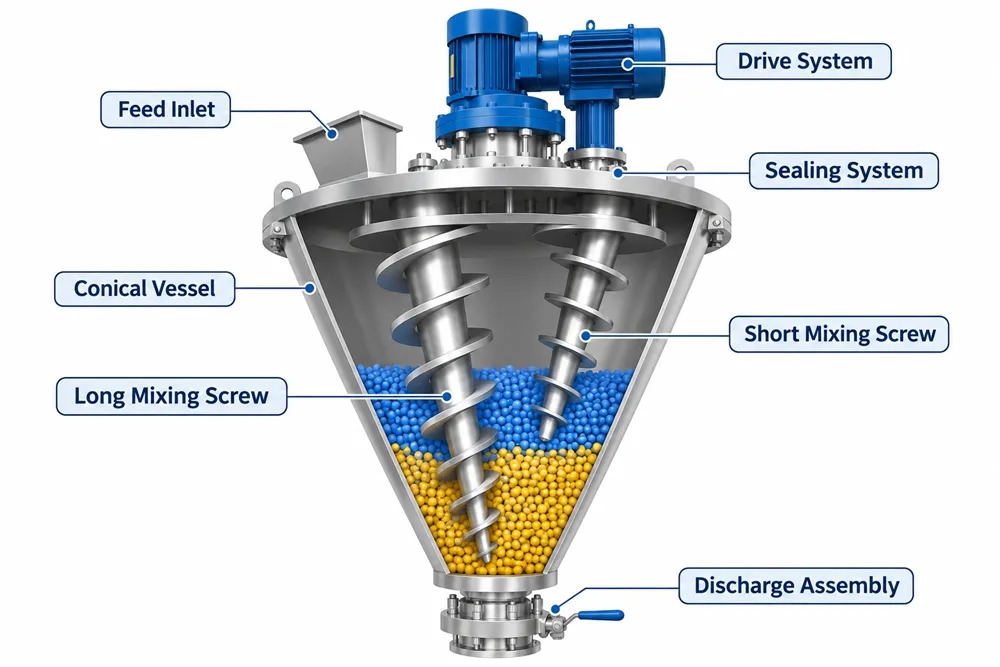
| Component | Function | Design Features |
|---|---|---|
| Conical vessel | Holds the material and provides the mixing chamber | Vertical conical design directs material toward the bottom discharge outlet |
| Long and short mixing screws | Lift material and promote circulation | Two screws of different lengths cover different mixing zones |
| Drive system | Drives screw rotation and orbital motion | Consists of a motor, reduction gearing and associated transmission components |
| Feed inlet | Introduces material into the vessel | Connection can be configured to suit the upstream feeding method |
| Discharge assembly | Controls the discharge of blended material | Located at the cone bottom, with different discharge valve options available |
| Sealing system | Reduces dust leakage | Seal arrangement is selected according to material properties and operating requirements |
Working Principle
The DSH Double Screw Cone Mixer combines screw rotation, orbital motion and gravity-driven material flow to maintain circulation inside the conical vessel. The mixing process involves four main actions:
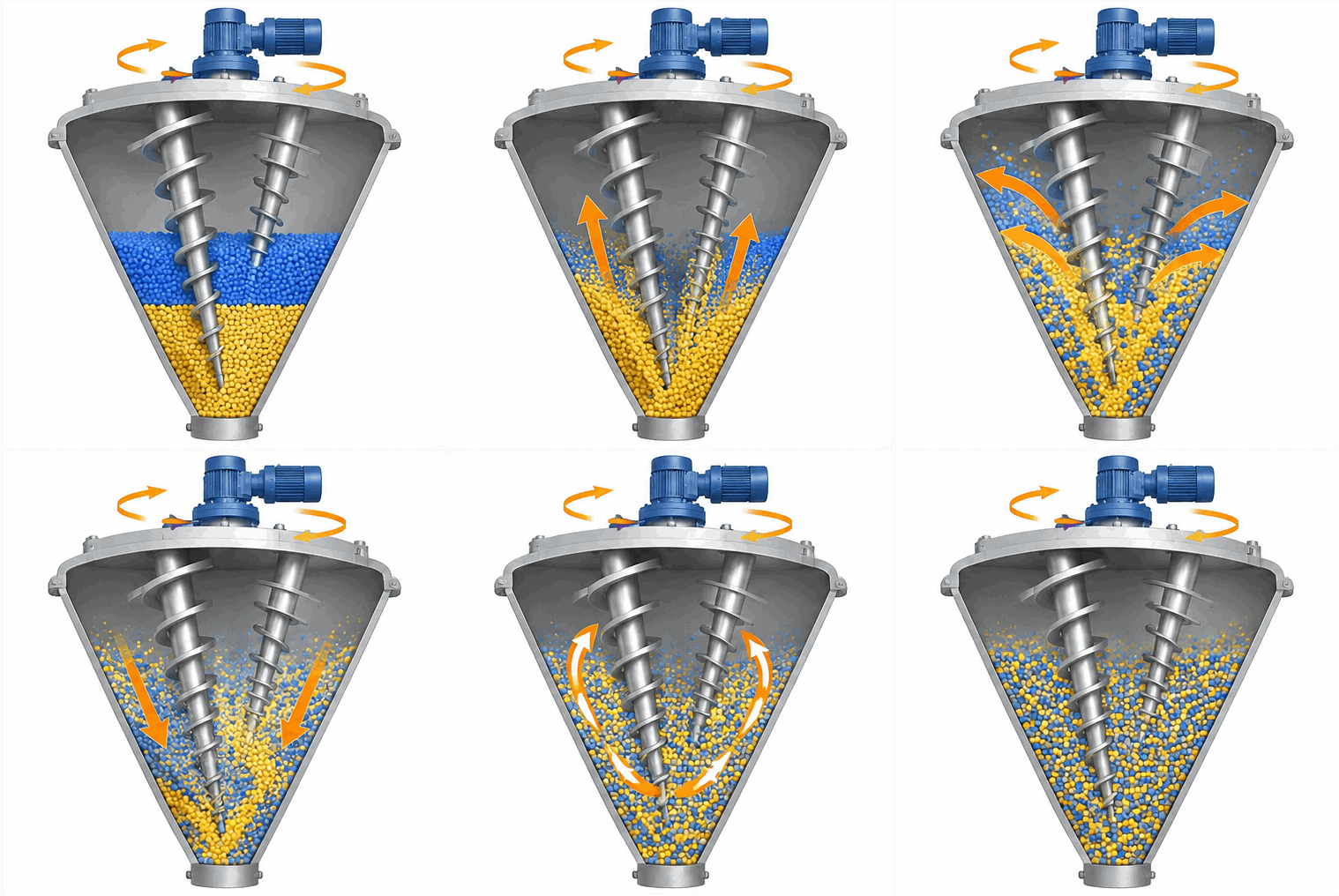
Orbital Motion
Both screws travel along the inner vessel wall, bringing material from different regions into the mixing process.
Screw Rotation
The screw flights lift material from the bottom of the vessel, creating upward flow.
Material Dispersion
The lifted material spreads outward and blends with material elsewhere in the vessel.
Gravity-Driven Return
Material flows back toward the cone bottom under gravity and re-enters the screw lifting zone, completing the circulation cycle.
DSH Double Screw Cone Mixer Parts and Details

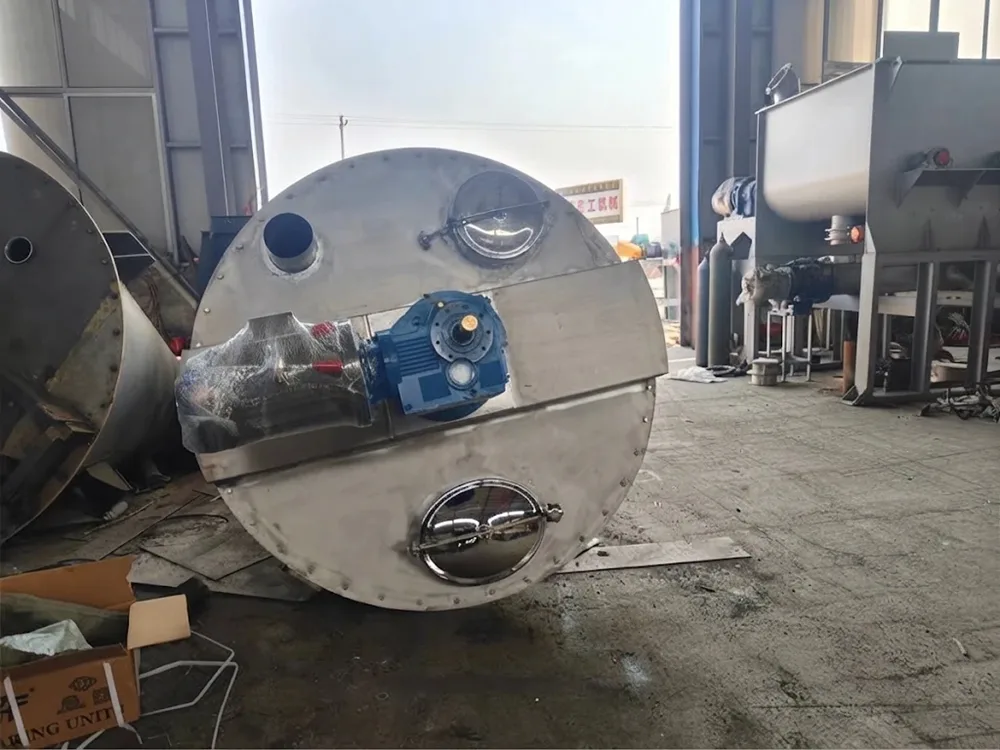
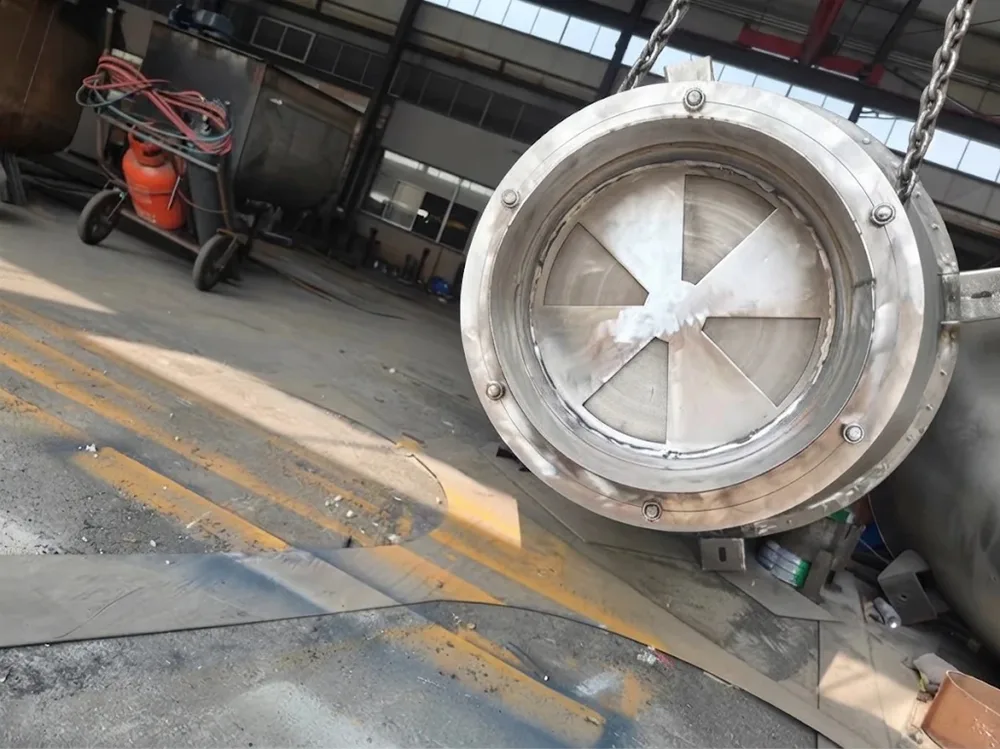
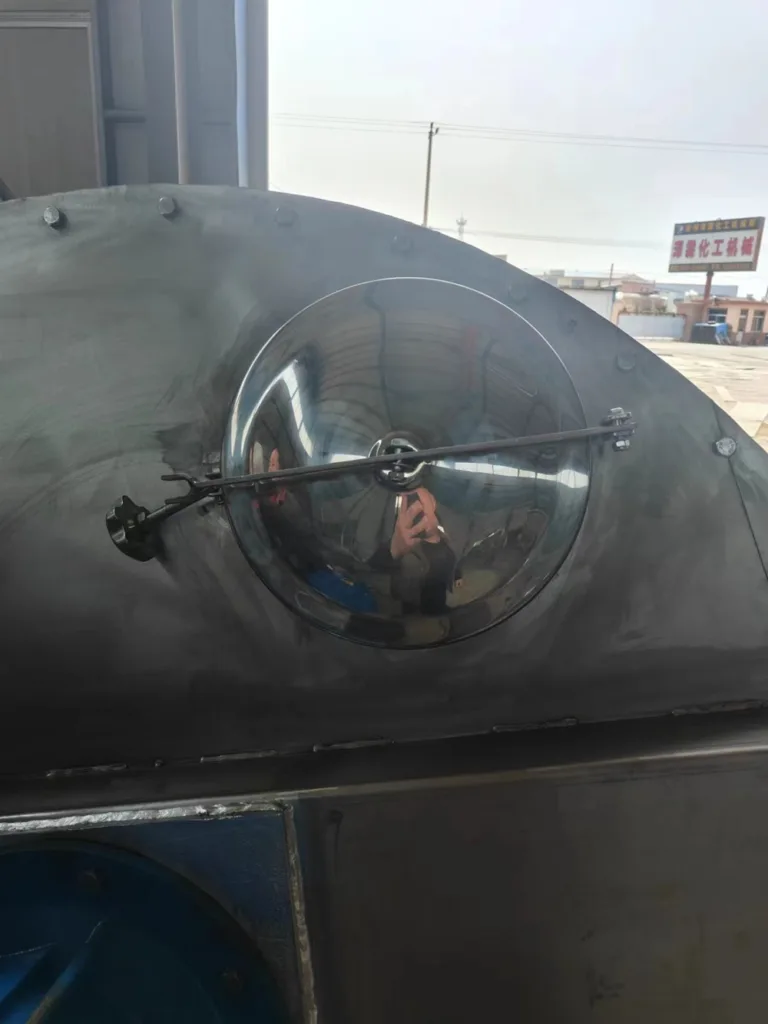

Key Features of the DSH Double Screw Cone Mixer
Uniform Powder and Granule Blending
The two screws maintain material circulation, bringing powders and granules from different areas into contact and reducing localized uneven mixing.
Gentle Mixing Action
The relatively low-shear mixing action reduces mechanical impact on the material. This makes the mixer suitable for certain fragile granules and applications where particle integrity matters.
Versatile Material Handling
The mixer can blend powders and granules of different particle sizes, as well as multicomponent formulations. An optional liquid spray system allows small amounts of liquid to be added when required.
Convenient Discharge with Reduced Material Buildup
The conical vessel directs material toward the bottom outlet, facilitating discharge, reducing residue and making cleaning between batches easier.
Stable Operation
A motor and reduction gearing drive the two mixing screws. This arrangement supports repeated batch production and straightforward routine maintenance.
Configurations for Different Processes
Construction materials, sealing arrangements, feed and discharge connections, and auxiliary mixing devices can be selected to suit different operating conditions.
DSH Double Screw Cone Mixer Technical Specifications
The DSH series includes 16 models. The table below lists the main specifications, including vessel volume, reference batch loading, power and screw speeds.
| Model | Total Volume (m³) | Working Volume (m³) | Reference Batch Load (kg) | Power (kW) | Material Particle Size (mesh) | Orbital Speed (rpm) | Screw Rotation Speed (rpm) |
|---|---|---|---|---|---|---|---|
| DSH-03CP | 0.3 | 0.18 | 180 | 2.2 | 20–450 | 2 | 143 |
| DSH-05CP | 0.5 | 0.30 | 300 | 3 | 20–450 | 2 | 143 |
| DSH-01CP | 1 | 0.60 | 600 | 4 | 20–450 | 2 | 57 |
| DSH-1.5CP | 1.5 | 0.90 | 900 | 5.5 | 20–450 | 2 | 57 |
| DSH-2CP | 2 | 1.20 | 1,200 | 5.5 | 20–450 | 2 | 57 |
| DSH-3CP | 3 | 1.80 | 1,800 | 7.5 | 20–450 | 2 | 57 |
| DSH-4CP | 4 | 2.40 | 2,400 | 11 | 20–450 | 2 | 57 |
| DSH-6CP | 6 | 3.60 | 3,600 | 15 | 20–450 | 2 | 57 |
| DSH-8CP | 8 | 4.80 | 4,800 | 18.5 | 20–450 | 2 | 57 |
| DSH-10CP | 10 | 6.00 | 6,000 | 18.5 | 20–450 | 2 | 57 |
| DSH-12CP | 12 | 7.20 | 7,200 | 22 | 20–450 | 2 | 57 |
| DSH-15CP | 15 | 9.00 | 9,000 | 22 | 20–450 | 2 | 57 |
| DSH-18CP | 18 | 10.80 | 10,800 | 26 | 20–450 | 2 | 57 |
| DSH-20CP | 20 | 12.00 | 12,000 | 37 | 20–450 | 2 | 57 |
| DSH-25CP | 25 | 15.00 | 15,000 | 42 | 20–450 | 2 | 57 |
| DSH-30CP | 30 | 18.00 | 18,000 | 45 | 20–450 | 2 | 57 |
Notes: Working volume is calculated using a fill factor of 0.6. Reference batch loads are calculated using a material bulk density of 1,000 kg/m³. Both are theoretical values; actual batch loading must be confirmed according to material properties and process requirements.
The particle size range is provided for reference. For materials that tend to cake, have poor flowability or require specific mixing performance, suitability should be confirmed through practical trials.
Suitable Materials and Industry Applications
Suitable Materials
The DSH Double Screw Cone Mixer is suitable for batch blending of powders, granules and multicomponent formulations. Applications include blending powders with different particle sizes and mixing powders with granules. A liquid spray system can also be fitted to help distribute small amounts of liquid throughout the powder blend.
For materials with substantial differences in particle size or bulk density, attention should be given to segregation after mixing. Particle characteristics can affect blend uniformity, as discussed in this research on powder mixing and segregation.
Materials that tend to cake, adhere to the vessel wall or flow poorly may require a specific configuration and, where necessary, mixing trials.
Chemical Industry
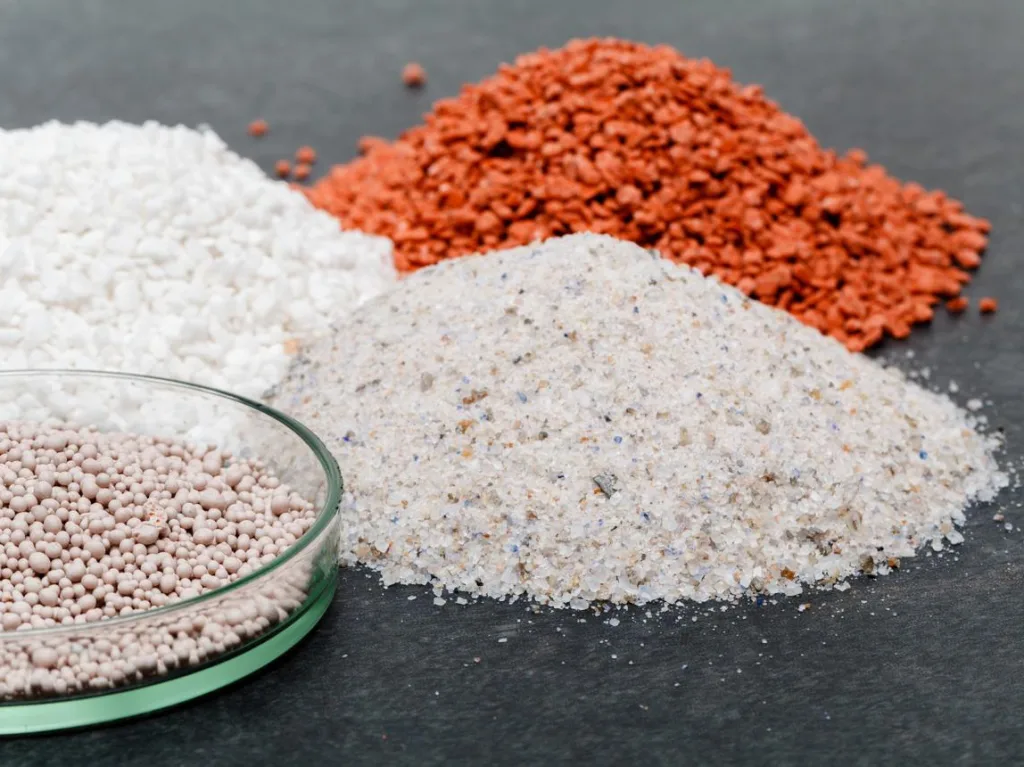
Used for blending resin powders, chemical additives, catalyst supports and other powdered chemical raw materials.
Pharmaceutical Industry

Used for batch blending of pharmaceutical excipients and certain powder formulations. Construction materials and cleaning provisions must meet the requirements of the intended production process.
Food Industry

Suitable for dry ingredient blending, including flour, starch, seasoning powders and food additives.
Animal Feed Industry

Used for blending multicomponent materials such as feed premixes, vitamin powders and mineral additives.
Pigment and Dye Industry

Used for batch blending of pigment powders, dyes and powdered additives across different formulations.
Mineral Powder Industry
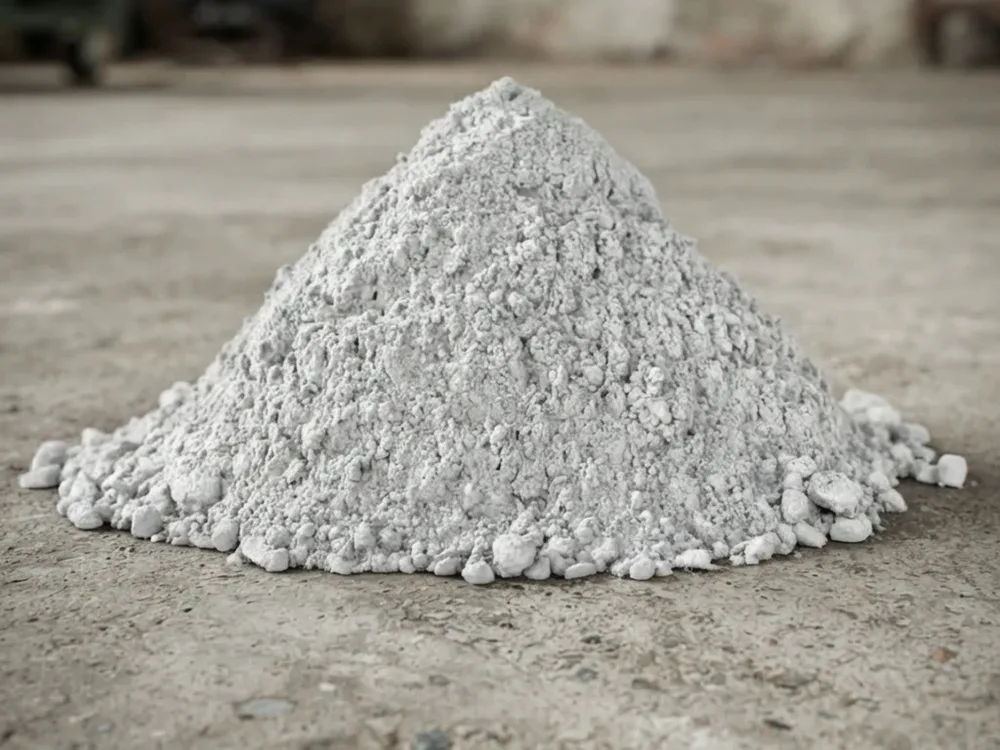
Used for blending mineral powders such as calcium carbonate, talc and quartz. The configuration should be selected according to material abrasiveness and particle size.
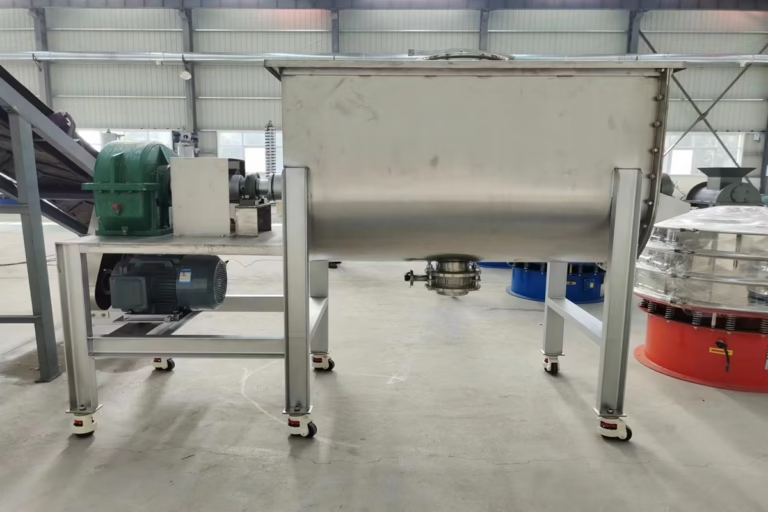
Double Screw Cone Mixer vs Horizontal Ribbon Mixer
Both double screw cone mixers and horizontal ribbon mixers can be used for batch blending of powders and granules. Their main differences lie in vessel design and material movement.
A double screw cone mixer lifts material with two screws and uses gravity to return it toward the vessel bottom. A horizontal ribbon mixer uses inner and outer ribbon blades to circulate the material.
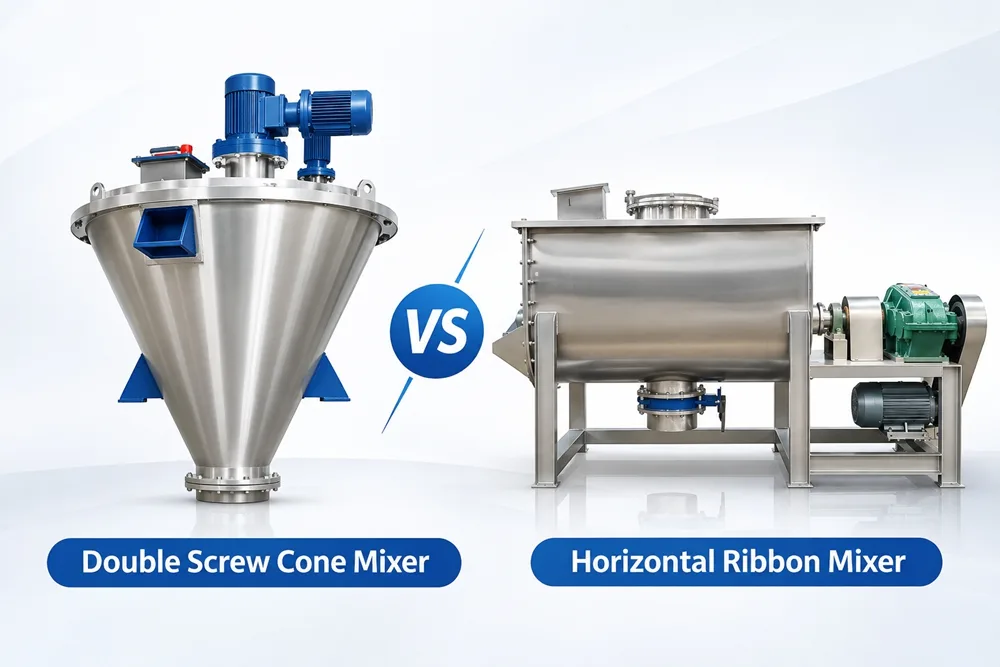
| Comparison | Double Screw Cone Mixer | Horizontal Ribbon Mixer |
|---|---|---|
| Equipment design | Vertical conical vessel with two internal mixing screws | Horizontal U-shaped trough with inner and outer ribbon blades |
| Mixing action | Screws lift material, while gravity-driven downward flow completes the circulation | Inner and outer ribbons circulate material axially and radially |
| Mixing characteristics | Relatively gentle mixing, suitable for certain fragile granules | Mixing intensity depends on ribbon design and operating speed |
| Suitable materials | Powders, granules and certain shear-sensitive materials | Various powders, granules and some materials with adhesive properties |
| Discharge arrangement | Material converges at the cone-bottom outlet | Material is typically discharged through the trough bottom |
| Installation space | Relatively compact footprint, with greater vertical clearance required | Relatively low equipment height, with more horizontal floor space required |
| Cleaning and maintenance | Focus on the screws, vessel wall and bottom discharge outlet | Focus on the ribbons, trough, shaft seals and discharge outlet |
Which Mixer Should You Choose?
A double screw cone mixer may be considered for fragile granules, shear-sensitive powders or production lines that favor a vertical vessel with cone-bottom discharge.
A horizontal ribbon mixer is another common choice where installation height is limited or the material has some tendency to adhere to surfaces. The final choice should take material flowability, mixing requirements and equipment cleaning conditions into account.
How to Select the Right DSH Double Screw Cone Mixer
When selecting a DSH Double Screw Cone Mixer, start with the batch weight and material bulk density, then calculate the required vessel volume. The example below uses a fill factor of 0.6, meaning approximately 60% of the total vessel volume is allocated to material loading.
Batch weight
1,200 kg
Bulk density
800 kg/m³
Fill factor
0.6
01
Material Volume
1,200 kg ÷ 800 kg/m³ = 1.5 m³
The 1,200 kg powder batch occupies approximately 1.5 m³.
02
Vessel Volume
1.5 m³ ÷ 0.6 = 2.5 m³
A mixer with a total vessel volume of at least 2.5 m³ is required.
03
Model Selection
1.8 m³ × 800 kg/m³ = 1,440 kg
The DSH-3CP has a total volume of 3 m³ and a working volume of 1.8 m³ at a fill factor of 0.6.
Preliminary Selection
DSH-3CP
Its theoretical batch load for this material is approximately 1,440 kg, so it can accommodate the required 1,200 kg batch. The actual fill level must still be checked to confirm that it meets the mixing requirements.
Factors That Affect Mixer Selection
Materials that tend to cake, flow poorly or contain components with substantially different particle sizes require consideration of actual mixing performance.
Batch weight
Determine the actual material load per batch rather than relying only on hourly output.
Material bulk density
Lower-density materials occupy more space at the same weight.
Particle size and formulation proportions
Large differences in particle size or ingredient proportions require attention to blend uniformity and segregation.
Material flowability
Caking, adhesion or poor flowability may affect mixing performance.
Batch cycle time
Check whether feeding, mixing and discharge times meet production requirements.
These calculations provide a starting point for model selection. If you do not know your material’s bulk density or are unsure which mixer size you need, contact GUOFENG with the material name and required batch weight. We can help with the calculations and recommend a suitable model.
DSH Double Screw Cone Mixer Customization Options
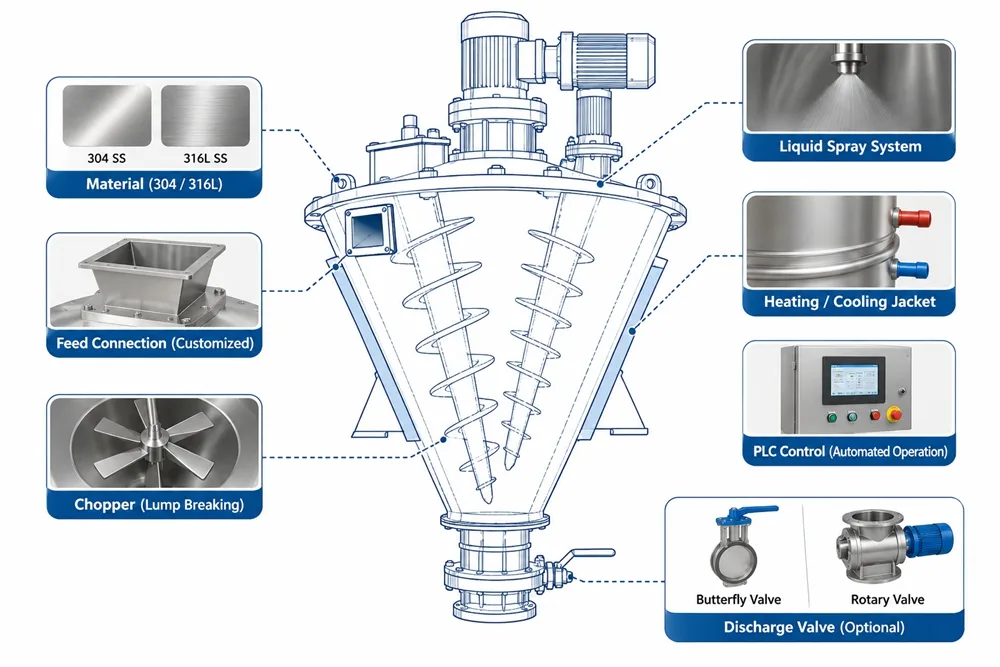
Different materials and production processes place different demands on a mixer. Food powders require consideration of contact materials and cleaning, materials that tend to cake may need an auxiliary lump-breaking device, and formulations containing liquid require an appropriate liquid addition method.
The table below outlines common customization requirements and corresponding options.
| Production Requirement | Available Configuration | Main Purpose |
|---|---|---|
| Food, pharmaceutical or corrosive materials | 304 or 316L stainless steel with an appropriate surface finish | Addresses material contact, corrosion resistance or cleaning requirements |
| Connection to an existing production line | Customized feed connections and bottom discharge valve | Connects the mixer to upstream feeding and downstream conveying equipment |
| Addition of small amounts of liquid to powders | Liquid spray or atomizing system | Helps disperse liquid and reduce localized concentrations during addition |
| Materials that form soft agglomerates | Auxiliary chopper for lump breaking | Helps break up agglomerates and improve mixing conditions |
| Specific sealing or temperature requirements | Dust seals and a heating or cooling jacket | Reduces dust leakage and addresses specific temperature control needs |
| Automated batch production | PLC control and associated interlocks | Facilitates control of mixing time and the equipment operating sequence |
For enclosed powder loading, the mixer can also be integrated with a vacuum powder feeder, depending on the material properties and production line layout.
If you are unsure which options you need, tell us about your material and production requirements. GUOFENG can help identify suitable construction materials, feeding and discharge arrangements, and additional features.
Existing equipment drawings or site photographs are also helpful when developing a configuration for your production process.
Why Choose GUOFENG?
Industrial Equipment Manufacturing Experience Since 1999
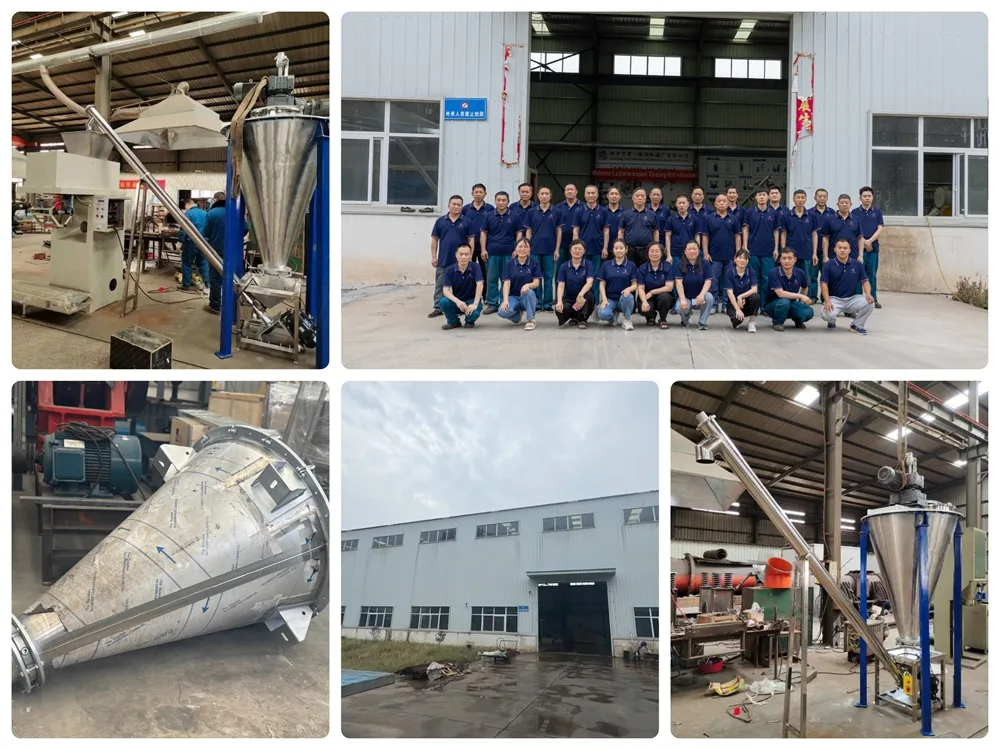
GUOFENG has manufactured industrial equipment since 1999, building experience in powder mixing, screening and conveying equipment. For the DSH Double Screw Cone Mixer, we provide equipment selection assistance and technical support based on material properties and production requirements.
A Broad Equipment Range for Coordinated Purchasing
Our range includes 15 equipment categories and more than 100 specifications, covering mixing, screening, feeding and conveying processes.
When purchasing a DSH mixer, you can also select compatible equipment, such as a GX/LS screw conveyor for powder transfer, to connect different stages of your production line.
Packaging and Protection for Transport
Packaging and securing arrangements are planned according to equipment dimensions and the shipping method. Particular attention is given to the DSH mixer’s conical vessel, drive mechanism, and feed and discharge components to reduce the risk of impact damage during long-distance transport and help the equipment arrive safely.
After-Sales Technical and Spare Parts Support
After delivery, technical support is available for installation, operation, routine maintenance and troubleshooting.
If problems arise with the screw drive, material discharge or seals, we can help investigate the cause and identify the required spare parts.
CONTACT US
Discuss Your Mixer Requirements
Share your material information and specific requirements, and we will help identify a suitable configuration.
DSH Double Screw Cone Mixer FAQ
How Long Does Each Mixing Batch Take?
For common powders, the reference mixing time is approximately 4–30 minutes. Actual mixing time depends on material flowability, ingredient proportions and the required blend uniformity. For formulations with more demanding mixing requirements, material trials are recommended to establish a suitable mixing time.
Can a Double Screw Cone Mixer Blend Powders with Different Bulk Densities?
Yes. However, substantial differences in bulk density require attention to blend uniformity and segregation during discharge. For formulations prone to segregation, the loading sequence and mixing time can be adjusted, and mixing trials can be used to confirm performance.
Can Liquid Be Added During Mixing?
An optional liquid spray or atomizing system can be fitted to add small amounts of liquid to powders. For formulations with a higher liquid content or a tendency to form sticky lumps, equipment suitability should be confirmed first.
What Routine Maintenance Does the DSH Double Screw Cone Mixer Require?
Regularly inspect the mixing screws, drive mechanism, seals and discharge valve. Check for unusual noise, wear or powder leakage. Before cleaning or maintenance, stop the machine and disconnect and isolate the relevant energy sources to prevent unexpected startup.
Can the Mixer Be Connected to an Existing Production Line?
Yes. A suitable connection arrangement can be developed based on the feed and discharge positions, connection dimensions and available installation space. Before purchasing, provide a site layout or equipment connection dimensions so that compatibility can be checked.
Can the DSH Double Screw Cone Mixer Be Customized?
Yes. GUOFENG offers customization of construction materials, feed and discharge connections, sealing arrangements and control systems according to material properties and production requirements. Liquid spray systems and auxiliary lump-breaking devices can also be fitted when needed. Share your material information and specific requirements, and we will help identify a suitable configuration.