
Screen clogging is a common challenge in fine powder screening, especially when processing materials with small particle sizes, strong adhesion, or electrostatic properties. Blocked mesh openings reduce screening efficiency, affect product classification, and increase the frequency of manual cleaning and screen maintenance. Ultrasonic screen deblinding provides a way to reduce particle buildup through high-frequency vibration.
This article explains the causes of mesh clogging, the working principle of ultrasonic deblinding, its advantages and limitations, and how to determine whether the system is suitable for your application.
What Is an Ultrasonic Screen Deblinding System?
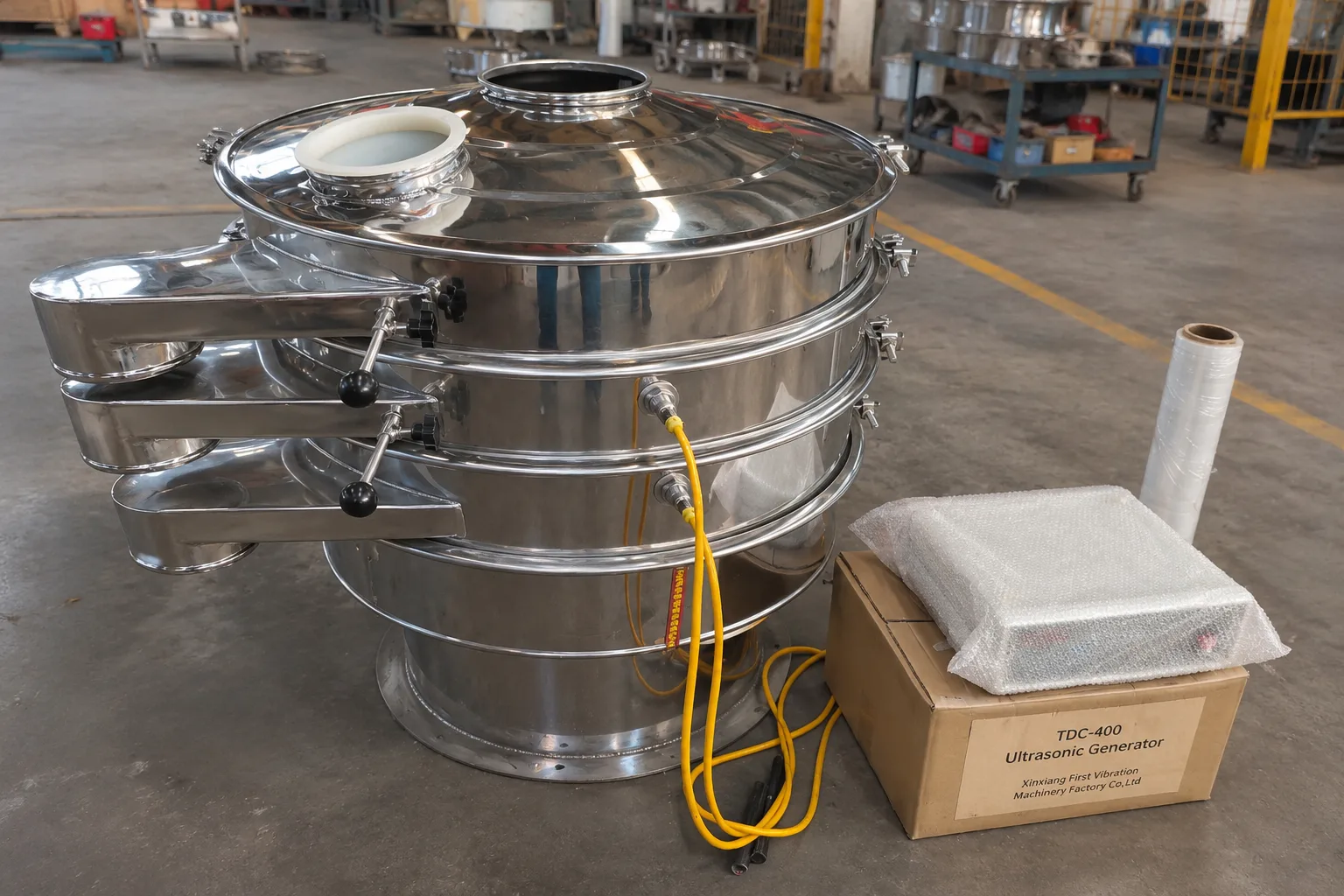
An ultrasonic screen deblinding system is an auxiliary device designed to reduce screen clogging, mainly in fine powder and precision screening applications. It applies high-frequency micro-vibrations to the screen mesh to reduce powder adhesion and particle blockage, helping keep the screen openings clear. Unlike a conventional vibrating screen, which uses mechanical vibration to convey and separate materials, an ultrasonic system primarily assists with screen cleaning and is typically used with fine-mesh vibrating screens. Common applications include metal powders, pharmaceutical powders, chemical powders, ceramic powders, and food powders.
For the broader screening process, see What Is a Vibrating Screen and How Does It Work?.
How Does an Ultrasonic Screen Deblinding System Work?
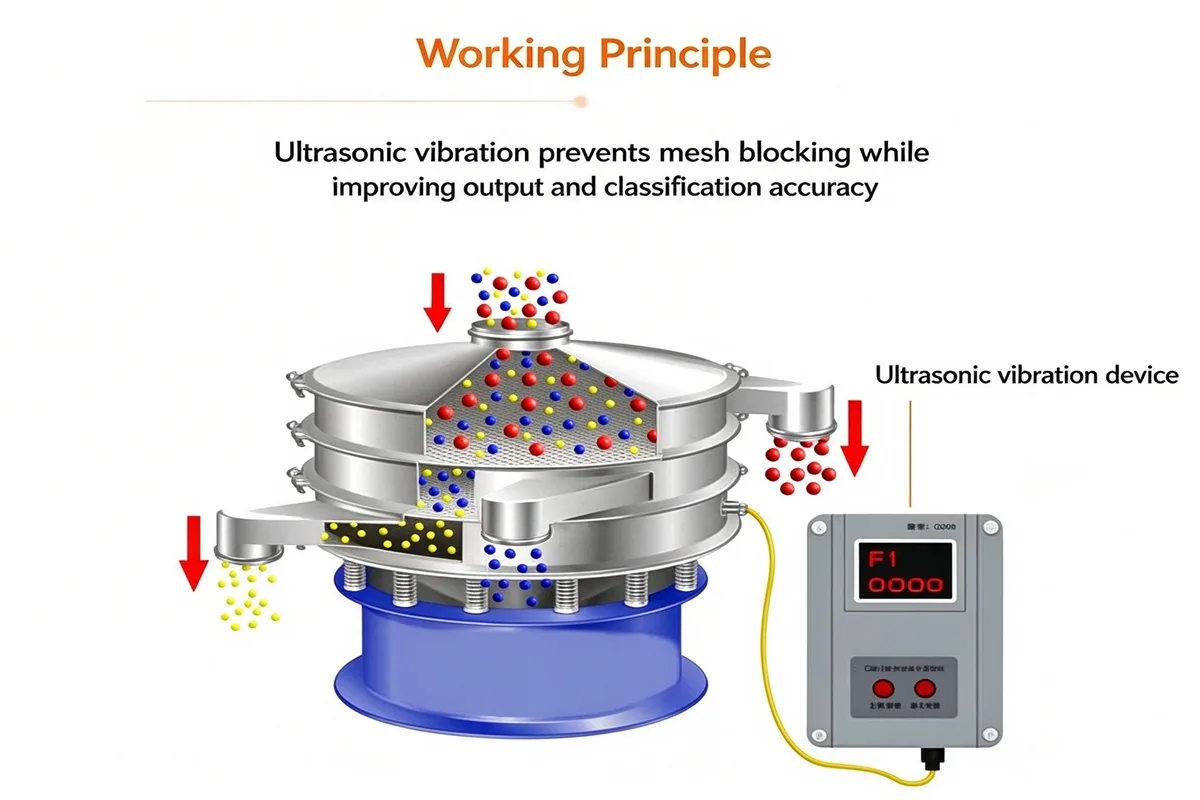
An ultrasonic deblinding system converts electrical energy into mechanical vibration and transfers it to the screen mesh, generating high-frequency, low-amplitude micro-vibrations. The process involves four main stages.
The Ultrasonic Generator Converts Electrical Power into a High-Frequency Signal
The ultrasonic generator converts the input power supply into a high-frequency electrical signal and transmits it to the transducer.
The Transducer Converts Electrical Energy into Mechanical Vibration
Through the piezoelectric effect, the transducer’s internal piezoelectric elements expand and contract rapidly, converting the high-frequency electrical signal into mechanical vibration.
The Resonator Transfers Vibration to the Screen Mesh
Mechanical vibration travels through the resonator or waveguide structure to the screen assembly, causing the mesh to produce high-frequency, low-amplitude micro-vibrations.
High-Frequency Micro-Vibrations Reduce Screen Clogging
Continuous micro-vibrations change the contact conditions between particles and screen wires, helping release particles trapped in the apertures and reducing fine powder adhesion and buildup. The conventional vibrating screen handles material conveying and separation, while ultrasonic vibration helps keep the screen openings clear.
Why Does Screen Clogging Occur During Fine Powder Screening?
Screen clogging is generally related to particle size, material surface properties, and screening conditions. Common causes include the following.

Particle Lodging
Particles close to the screen aperture size can become lodged between the screen wires. As screening continues, more particles occupy the openings, reducing the effective open area.
Particle Adhesion
Some fine powders have strong surface adhesion and tend to stick to the screen wires. As the material accumulates, it covers the openings and restricts particle passage.
Electrostatic Attraction
Dry powders can generate static electricity during conveying and screening. This may cause particles to adhere to the screen surface or cluster together, making screen cleaning more difficult.
Moisture and Agglomeration
When material contains excessive moisture, fine particles can stick together and form larger agglomerates. These agglomerates may cover the screen surface or block individual openings.
Unsuitable Screening Conditions
Excessive feed rates, uneven material distribution, inappropriate mesh sizes, or unsuitable operating parameters can cause material to accumulate on the screen surface and increase the risk of clogging.
What Conventional Screen Cleaning Methods Are Available, and What Are Their Limitations?
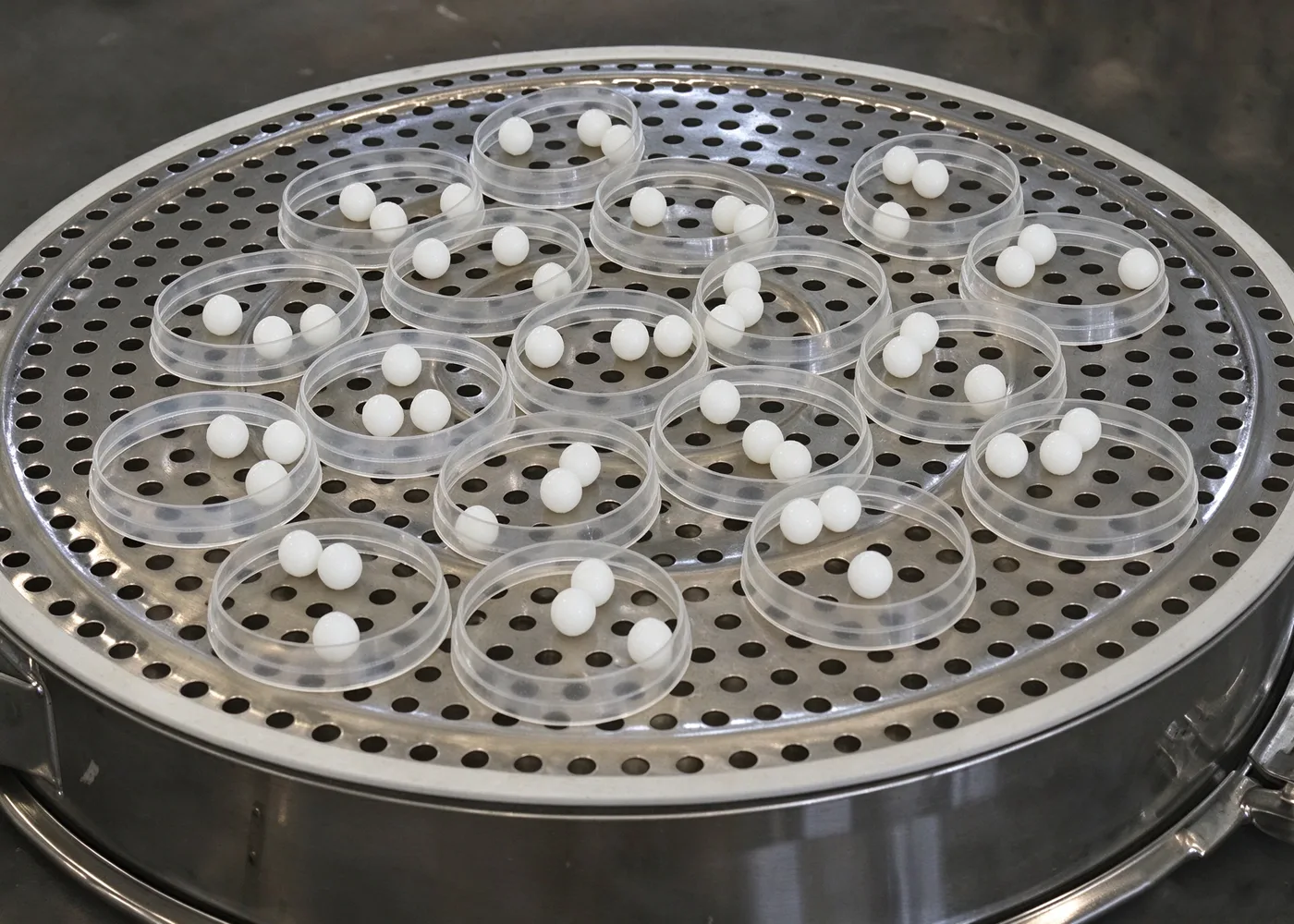
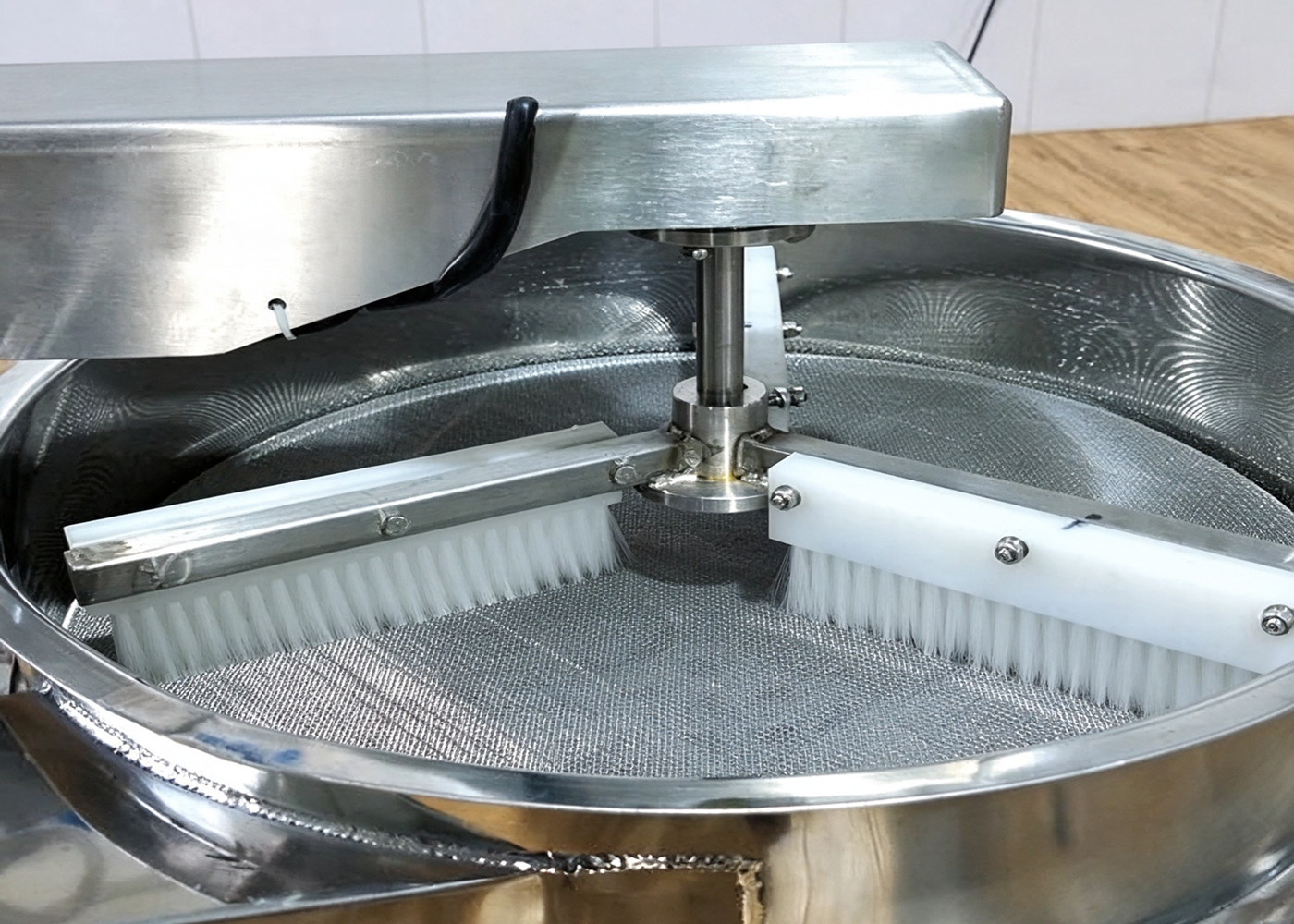
Common mechanical screen cleaning methods include bouncing balls, brushes, and mechanical cleaning rings. They remove blocked particles through impact, contact, or mechanical movement.
Bouncing Ball Cleaning
Bouncing balls are installed beneath the screen mesh. As the machine vibrates, the balls repeatedly strike the underside of the screen to dislodge particles from the openings. This method is suitable for removing loose material buildup but has limited effectiveness on fine meshes and powders with strong adhesion.
Brush Cleaning
Brushes remove adhered particles through direct contact between the bristles and the screen surface. They are suitable for certain materials and screen structures. However, continuous contact may wear the mesh, requiring regular inspection and maintenance.
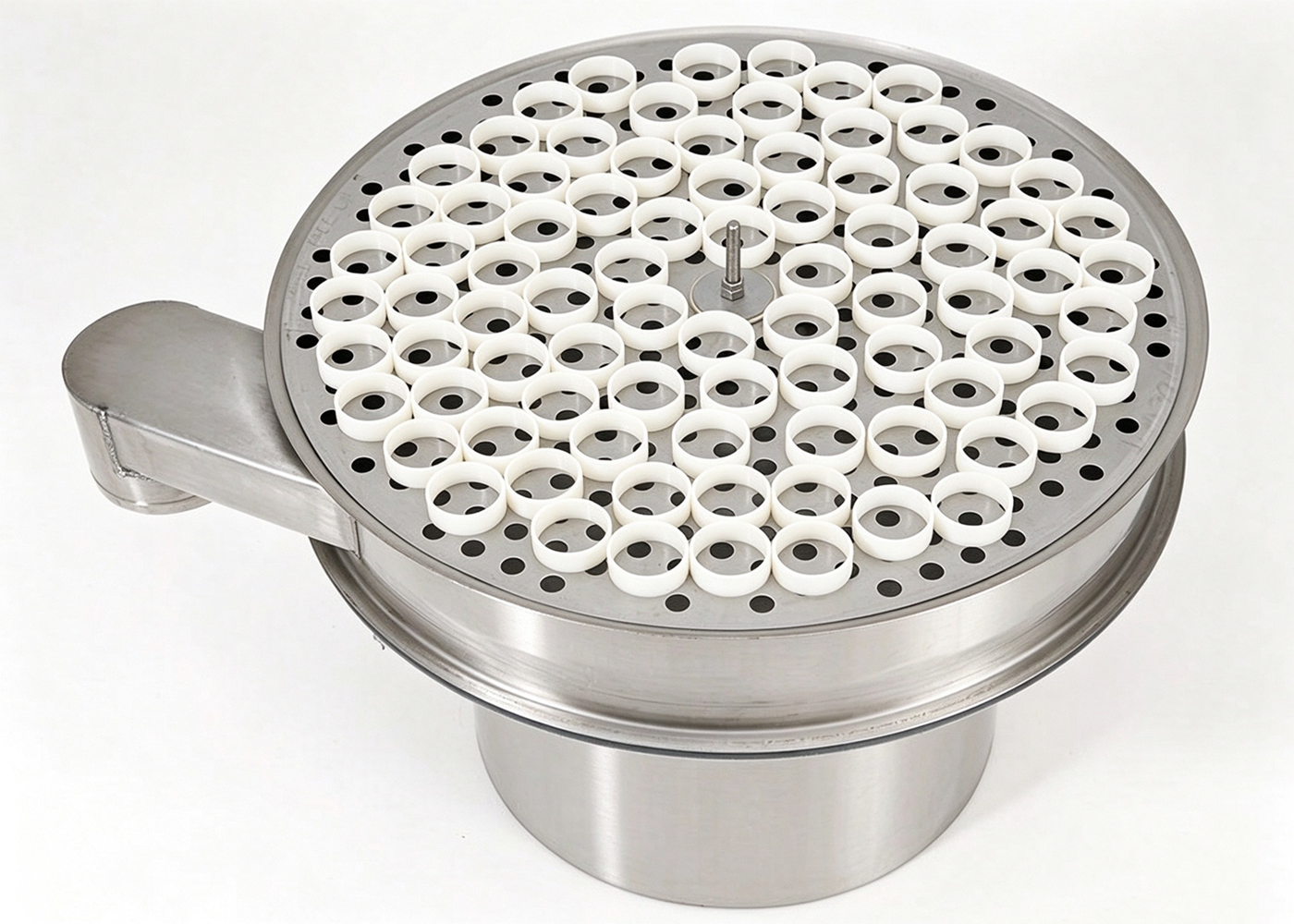
Mechanical Cleaning Rings
Mechanical cleaning rings move across or within the screen surface to remove lodged particles. Their effectiveness depends on the screen structure and particle characteristics. Some designs also require additional installation space and maintenance.
How Does an Ultrasonic Deblinding System Prevent Screen Clogging?
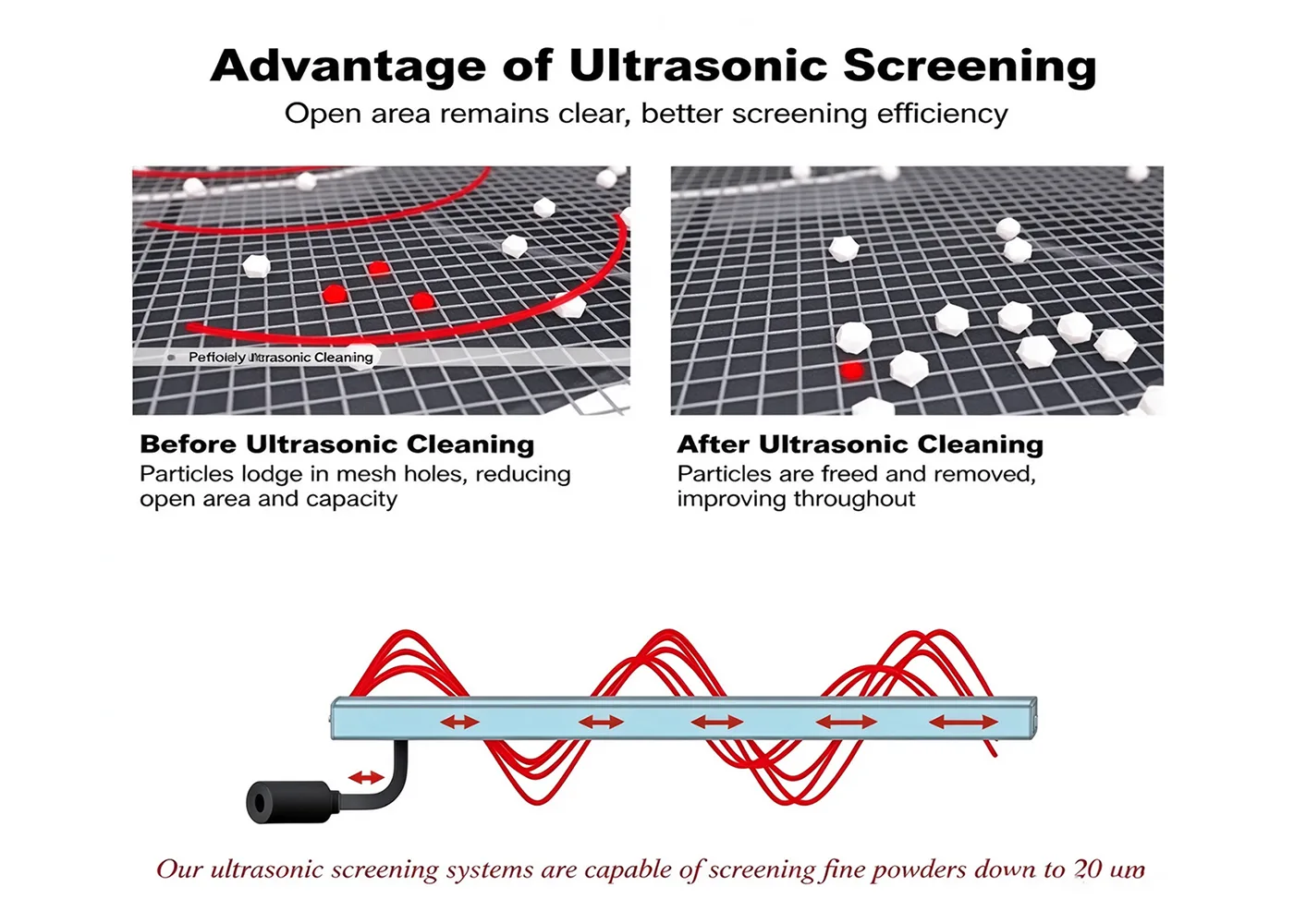
An ultrasonic deblinding system applies high-frequency, low-amplitude vibrations to the screen mesh, reducing particle lodging and powder adhesion. Unlike conventional mechanical cleaning methods, which rely on repeated impacts from bouncing balls or physical contact from brushes, ultrasonic deblinding uses micro-vibrations generated by the screen assembly itself.
Reducing Particle Lodging Near the Aperture Size
Particles close to the screen aperture size can become trapped in the openings. High-frequency micro-vibrations change the contact conditions between particles and screen wires, helping release lodged particles and preventing the openings from remaining blocked.
Reducing Powder Adhesion and Buildup
For fine powders that tend to stick to the screen wires, ultrasonic vibration helps reduce particle retention and accumulation on the mesh surface. This keeps the openings clear and improves the passage of fine particles.
Maintaining the Effective Open Area of Fine Meshes
Fine-mesh screens have small openings, so even a limited number of blocked particles can noticeably affect screening performance. Continuous ultrasonic assistance helps reduce the loss of effective open area and maintain consistent screening.
Reducing Cleaning Downtime and Screen Wear
Conventional mechanical cleaning may require frequent disassembly, brushing, or contact between mechanical components and the mesh. An ultrasonic system assists with cleaning during screening, reducing manual cleaning frequency and wear caused by mechanical contact.
Which Materials and Screening Applications Are Suitable for Ultrasonic Deblinding?
Ultrasonic screen deblinding is mainly used for fine powders, difficult-to-screen materials, and applications where particle lodging or surface adhesion frequently occurs.

| Material Category | Typical Materials | Main Screening Requirements |
|---|---|---|
| Metal powders | Iron powder, aluminum powder, copper powder, stainless steel powder | Fine particle classification and reduced near-size particle lodging |
| Pharmaceutical powders | Active pharmaceutical ingredients, excipient powders, lactose powder | Fine classification and consistent screening |
| Chemical powders | Resin powder, pigments, coating powder, dyes | Reduced powder adhesion and electrostatic clogging |
| Ceramic powders | Alumina powder, zirconia powder, ceramic raw materials | Precise particle size control and reduced particle lodging |
| Food powders | Starch, sugar powder, milk powder, protein powder | Fine powder screening with less mesh clogging and cleaning downtime |
| Mineral and abrasive powders | Silica powder, silicon carbide powder, glass powder | Fine particle classification and improved mesh openness |
In these applications, ultrasonic deblinding systems are typically used with vibrating screens. They are particularly useful when fine-mesh screens, continuous operation, or precise particle classification are required.
What Are the Limitations of Ultrasonic Screen Deblinding? When Is It Not Suitable?
Ultrasonic deblinding mainly addresses particle lodging and fine powder adhesion. It cannot replace material pretreatment or correct an unsuitable screening process. The following conditions require attention:
| Limitation | Main Reason | Recommended Approach |
|---|---|---|
| High-moisture or highly sticky materials | Material adheres to the mesh and forms persistent deposits | Control moisture content or use a different screening method |
| Severely agglomerated materials | Tightly bonded lumps cannot be broken apart by high-frequency micro-vibrations alone | Add crushing or deagglomeration before screening |
| Complex material characteristics | Particle shape, hardness, size distribution, and electrostatic behavior affect deblinding | Conduct screening tests with the actual material |
| Incompatible screen and equipment structure | Mismatched mesh specifications, screen frame design, or transducer connections can affect vibration transmission | Check the screen structure and ultrasonic system configuration |
| Unsuitable screening process | Excessive feed, uneven distribution, or incorrect aperture selection can still cause clogging | Optimize feeding, mesh specifications, and operating parameters |
How Do You Determine Whether an Ultrasonic Screen Deblinding System Is Needed?
The need for an ultrasonic screen deblinding system should be assessed based on screen aperture size, particle size distribution, actual mesh clogging, and production losses. The following five factors provide practical criteria for equipment selection and on-site evaluation.
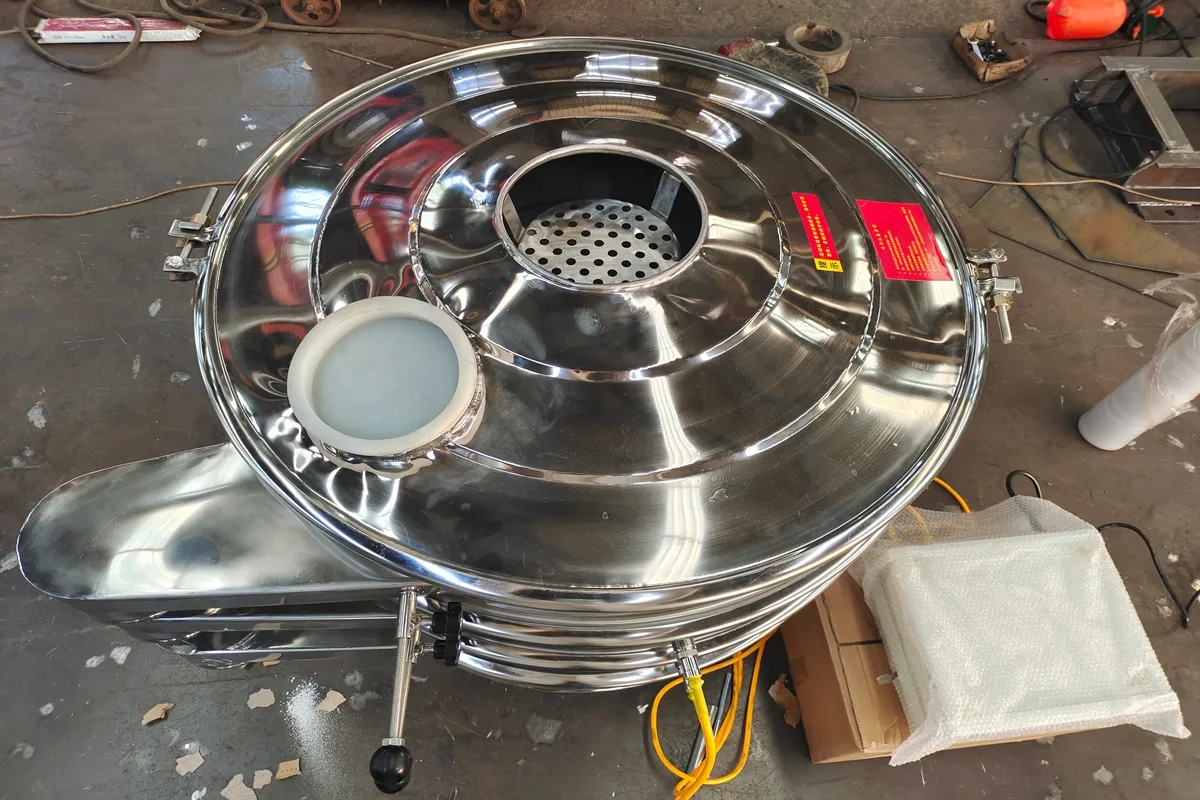
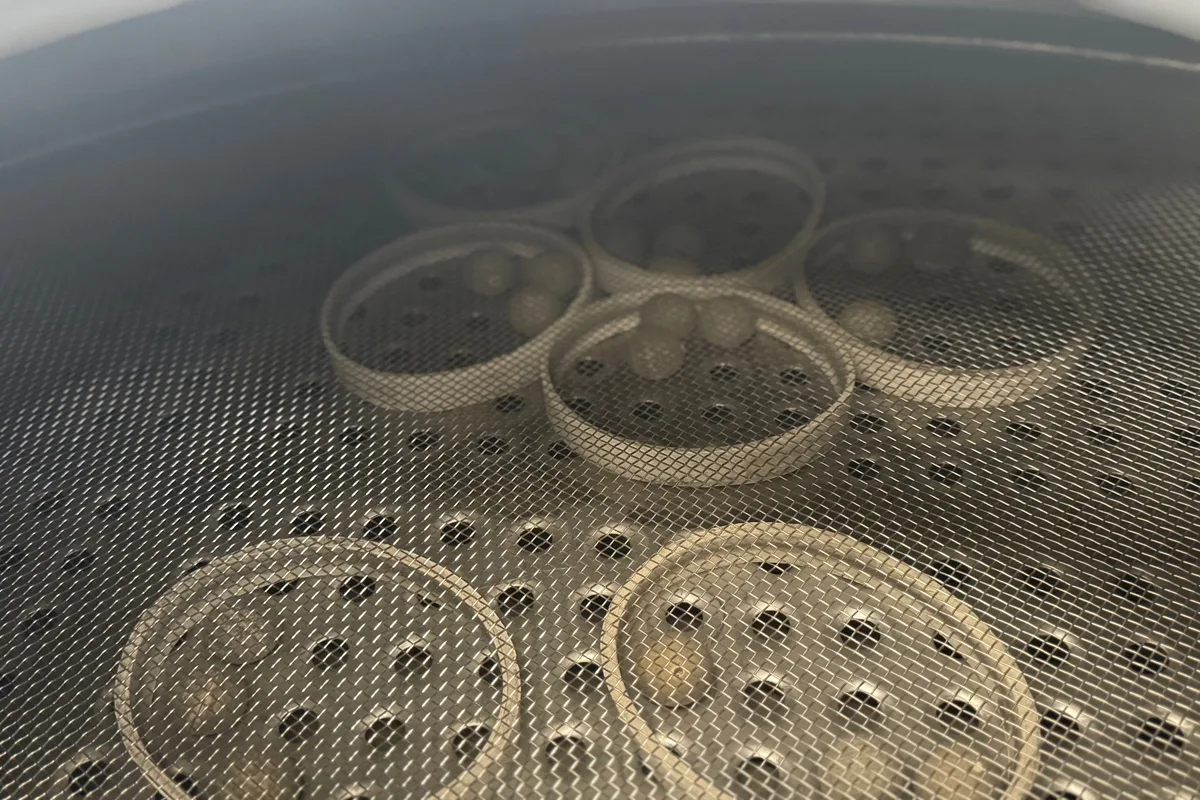
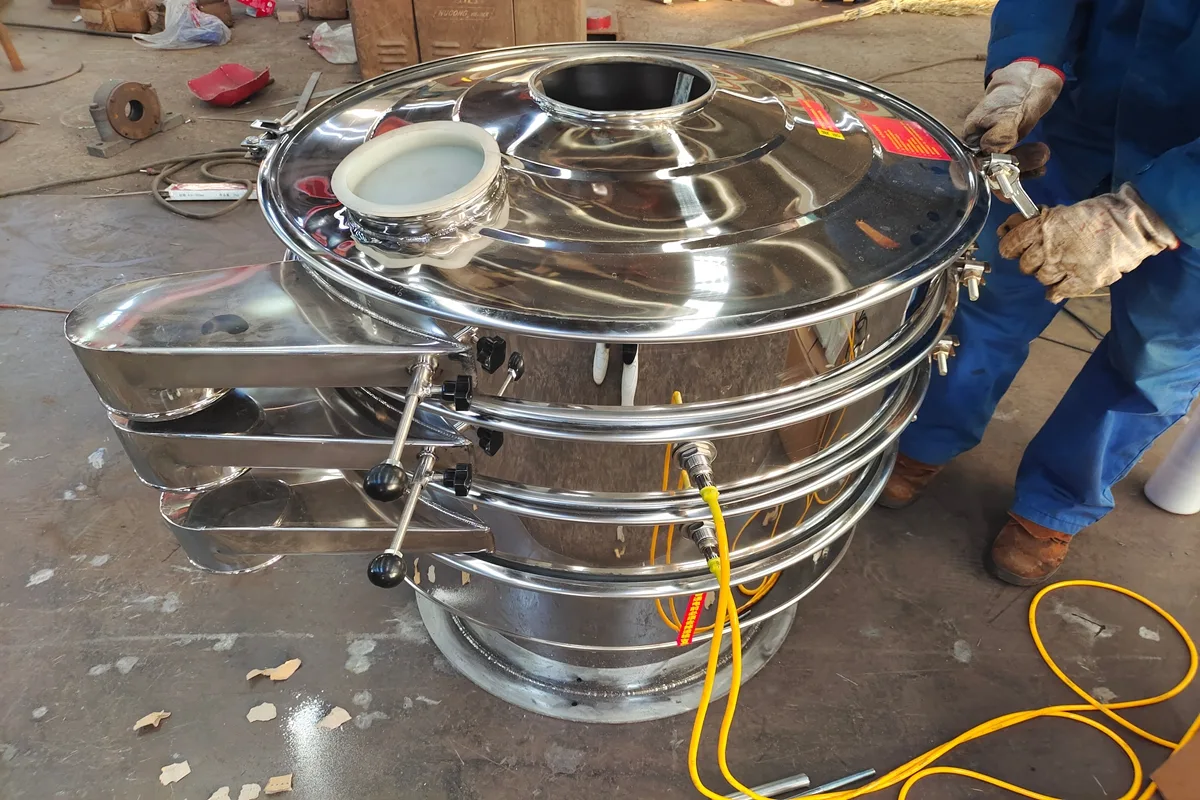
Evaluate Screen Aperture Size: Pay Closer Attention Below 300 μm, Prioritize Assessment Below 100 μm
The smaller the screen aperture, the greater the impact of particle lodging on the effective screening area. The following ranges can be used as an initial guide:
| Screen Aperture | Clogging Risk and Selection Considerations |
|---|---|
| Above 300 μm | Conventional vibrating screens and mechanical cleaning methods are generally considered first. Evaluate ultrasonic deblinding if persistent particle lodging occurs. |
| 100–300 μm | Requires closer attention, particularly when the feed contains a high proportion of near-aperture particles. |
| Below 100 μm | Prioritize ultrasonic deblinding assessment, focusing on fine powder adhesion, particle lodging, and loss of effective open area. |
| 20–100 μm | Ultrasonic assistance is worth considering for precision powder screening. Applications include powder coating screening with 20 μm mesh. |
For example, ultrasonic deblinding has been used with 20 μm mesh in powder coating applications. When fine screens below 100 μm experience frequent clogging during production, ultrasonic deblinding should be considered as a priority option.
Evaluate Particle Size Distribution: A Higher Proportion of Near-Aperture Particles Increases the Risk of Clogging
Particles close to the screen aperture size are more likely to become lodged in the mesh openings. The evaluation should focus on:
- Near-aperture particle proportion: Identify particles close to the target aperture size, particularly those slightly larger than the openings that can become trapped between screen wires.
- Fine powder content: Check whether particles smaller than the target aperture tend to adhere to the screen wires and form a powder layer.
- Particle size distribution width: A feed containing substantial amounts of fine powder, in-range particles, and near-aperture particles is more prone to adhesion and lodging.
- Particle shape: Flakes, needles, and irregular particles may become trapped in screen openings depending on their orientation.
Use laser particle size analysis or standard sieve testing to obtain the particle size distribution and compare it with the target aperture size. Pay particular attention to particles within approximately ±15% of the target aperture size rather than relying solely on the average particle diameter.
Inspect Actual Mesh Clogging: Consider Ultrasonic Deblinding When Cleaning Becomes Frequent
Screen inspections and production records can help determine whether ultrasonic deblinding is needed. Focus on the following conditions:
- Blocked openings: Particles remain lodged inside the mesh, or a continuous layer of fine powder forms on the screen wires.
- Cleaning frequency: The machine requires multiple cleaning stops per shift, or screen cleaning is needed every 1–2 hours.
- Throughput reduction: Processing capacity decreases noticeably after a period of continuous operation under similar feed conditions.
- Screen condition: Frequent cleaning, disassembly, or mechanical impact increases screen wear.
A throughput reduction of more than 10% during continuous operation, or cleaning stops every 1–2 hours, can be used as internal production thresholds for evaluating ultrasonic deblinding. These are practical management criteria, not universal equipment specifications.
Evaluate Existing Cleaning Methods and Production Losses: Consider an Upgrade When Mechanical Cleaning Cannot Maintain Continuous Operation
If bouncing balls, brushes, or other mechanical cleaning devices cannot keep the screen openings clear, compare the potential benefits of an ultrasonic system. Record the following:
- Number of manual cleaning operations and total downtime per day.
- Throughput before and after each cleaning operation.
- Screen replacement intervals and replacement costs.
- Proportion of fine, qualified material discharged with the oversize fraction.
For example, one powder coating application using manual screening required screen cleaning approximately every two hours. Around 30% of the fine powder was discharged with the oversize material and needed to be screened again. After switching to a vibrating screen equipped with ultrasonic deblinding, the system operated with 125 μm or 150 μm mesh and achieved a throughput of 800 kg/h. Another powder coating application used 20 μm mesh for fine screening.
Determine the System Configuration Through Material Screening Tests
Before finalizing the equipment configuration, conduct comparative tests using the actual material on a conventional vibrating screen and an ultrasonic-assisted vibrating screen. Keep the mesh aperture, feed rate, and operating time consistent, and record the following data:
| Test Item | Data to Record | Purpose of Comparison |
|---|---|---|
| Screen specifications | Mesh count, aperture size (μm), wire diameter | Confirm that both tests use the same screen specifications |
| Throughput | kg/h or t/h | Compare actual processing capacity per unit of time |
| Mesh clogging | Number of blocked openings and percentage of blocked area | Evaluate improvements in particle lodging and powder adhesion |
| Screening results | Qualified product particle size distribution and fine powder carryover in the oversize fraction | Check separation accuracy and product recovery |
| Continuous operation | Operating time and number of cleaning stops | Compare operational stability |
| Maintenance costs | Cleaning labor, screen replacement frequency, and replacement costs | Evaluate routine maintenance expenses |
If a conventional vibrating screen experiences persistent particle lodging, powder adhesion, throughput reduction, or frequent cleaning stops, and ultrasonic-assisted screening reduces these problems, there is a clear basis for including an ultrasonic deblinding system in the equipment configuration.
Conclusion
An ultrasonic screen deblinding system uses high-frequency micro-vibrations to reduce particle lodging and fine powder adhesion. It helps keep fine-mesh screens clear, reduces manual cleaning frequency, and improves throughput during continuous screening. For fine powder applications involving metal, pharmaceutical, chemical, ceramic, and food materials, it provides an effective auxiliary screen cleaning solution.
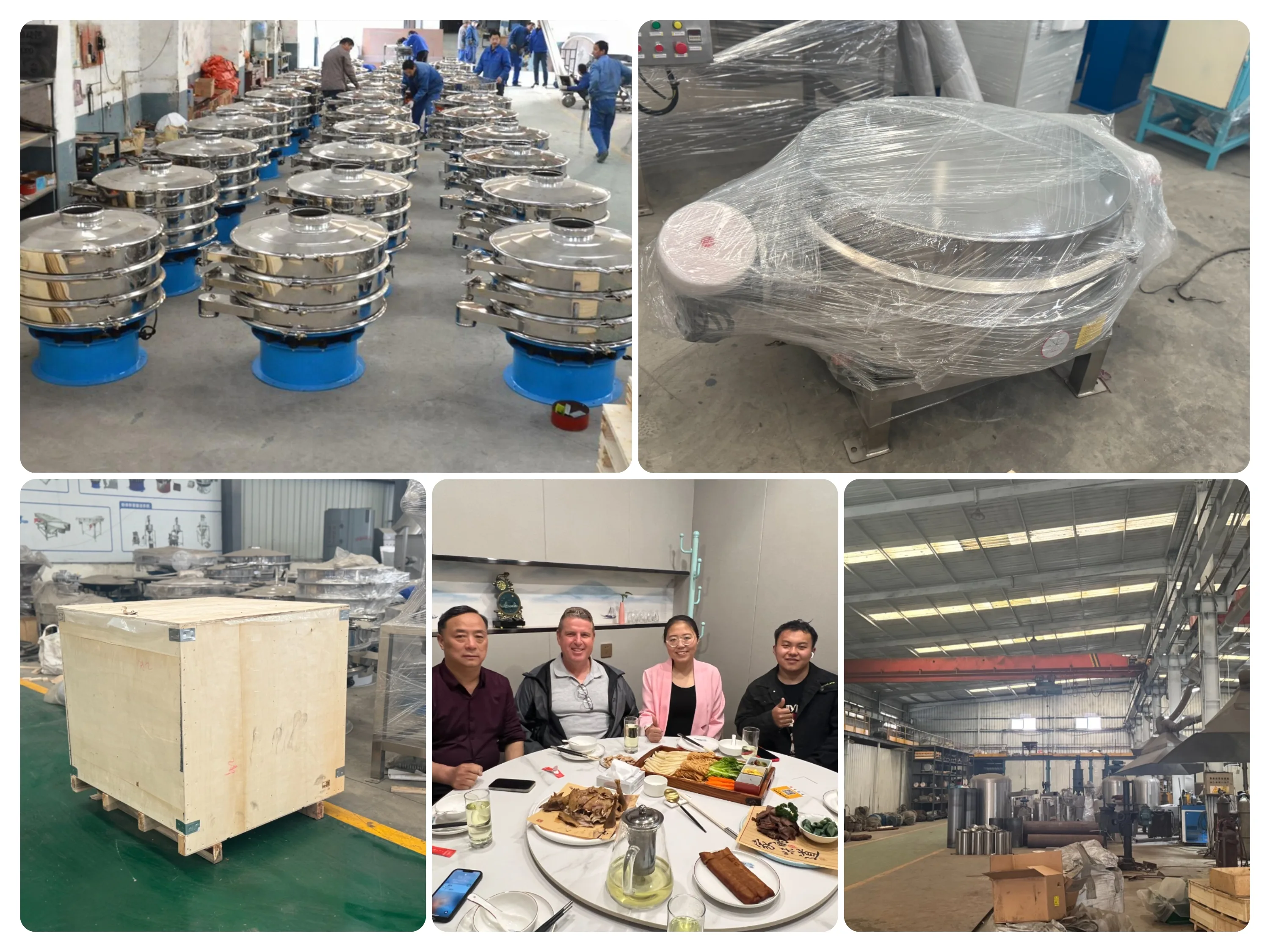
GUOFENG (Xinxiang First Vibration Machinery Factory Co., Ltd.) was founded in 1999 and specializes in the development and manufacture of vibrating screens, vibrating mills, feeders, and conveying equipment. The company can configure screen specifications, deblinding systems, and equipment structures according to material properties, target particle size, throughput, and production line layout.
Contact GUOFENG to discuss your screening requirements and find a suitable ultrasonic screening solution.
FAQ
Can an Ultrasonic Deblinding System Be Used with a Conventional Vibrating Screen?
Yes. An ultrasonic deblinding system is typically installed as an auxiliary unit on a vibrating screen and works alongside the machine’s existing mechanical vibration. The installation must match the screen frame structure, mesh specifications, and vibration transmission components.
What Screen Aperture Sizes Are Suitable for Ultrasonic Deblinding?
Ultrasonic deblinding is mainly used for fine meshes and precision powder screening. Screens with apertures below 100 μm generally require more attention to clogging, while some difficult-to-screen materials may also block screens with apertures of 300 μm or smaller.
Does Ultrasonic Deblinding Affect Screening Accuracy?
The ultrasonic system is designed to reduce screen clogging rather than change the separation particle size. By keeping the screen openings clear, it helps prevent clogging-related variations and maintain consistent particle classification.
Can Ultrasonic Deblinding Completely Replace Bouncing Balls?
Not in every application. The two methods work differently. Bouncing balls use mechanical impact to dislodge blocked particles, while ultrasonic deblinding uses high-frequency micro-vibrations to assist screen cleaning. Depending on the screen and material, the two methods can also be used together.
Can an Ultrasonic Deblinding System Screen Wet Materials?
Ultrasonic deblinding is mainly designed for fine powders and materials prone to screen clogging. Materials with high moisture content, strong adhesiveness, or a tendency to form wet agglomerates may create persistent deposits on the screen. Ultrasonic deblinding alone cannot resolve these conditions.
Does an Ultrasonic Deblinding System Require Regular Maintenance?
Yes. Routine maintenance includes checking the generator, transducer connections, vibration transmission components, and screen tension. The mesh should also be inspected for damage or loosening.
Need help with a similar request?
Share your product requirements, timeline and cooperation goals. We can help clarify the next step.