
We manufacture ceramic powder processing equipment for grinding, screening, feeding and conveying alumina, zirconia, silicon carbide and other ceramic materials.
Equipment can be customized according to material hardness, target particle size, production capacity and purity requirements, with suitable grinding media, wear-resistant liners and product contact materials.
- Fine Grinding & Particle Size Reduction
- Precision Screening & Classification
- Wear-Resistant Equipment Design
- Controlled Feeding & Powder Conveying

Ceramic and Advanced Materials We Process
Our ceramic powder processing equipment covers a range of traditional and advanced ceramic materials. Equipment configurations are based on material hardness, abrasiveness, particle size and purity requirements.

Alumina (Al₂O₃)
Grinding, fine screening and particle size control for technical ceramics, refractory materials and industrial ceramic components.
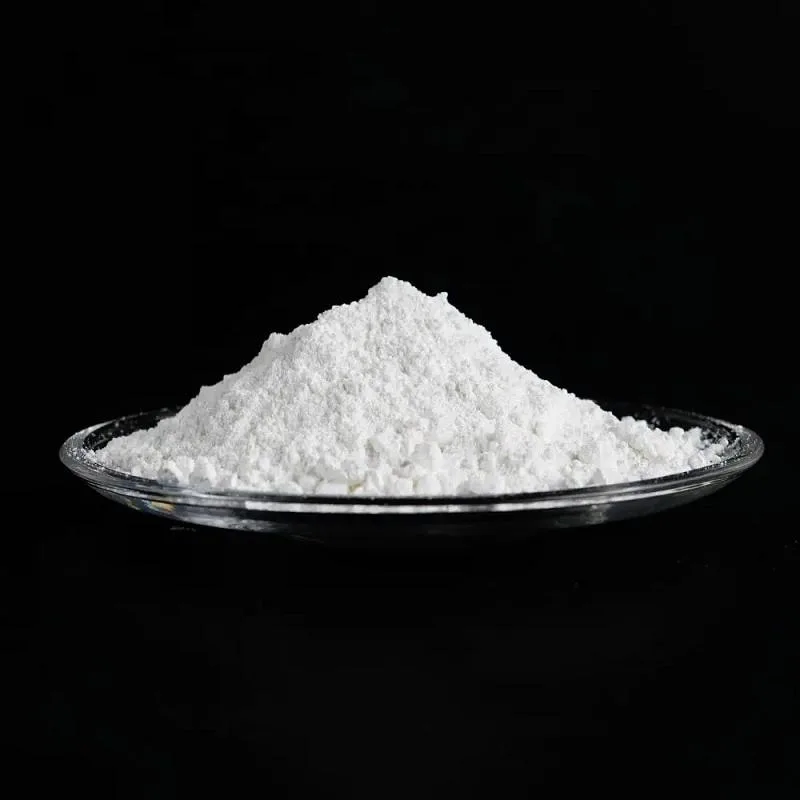
Zirconia (ZrO₂)
Fine powder processing with particular attention to grinding media compatibility and material purity.
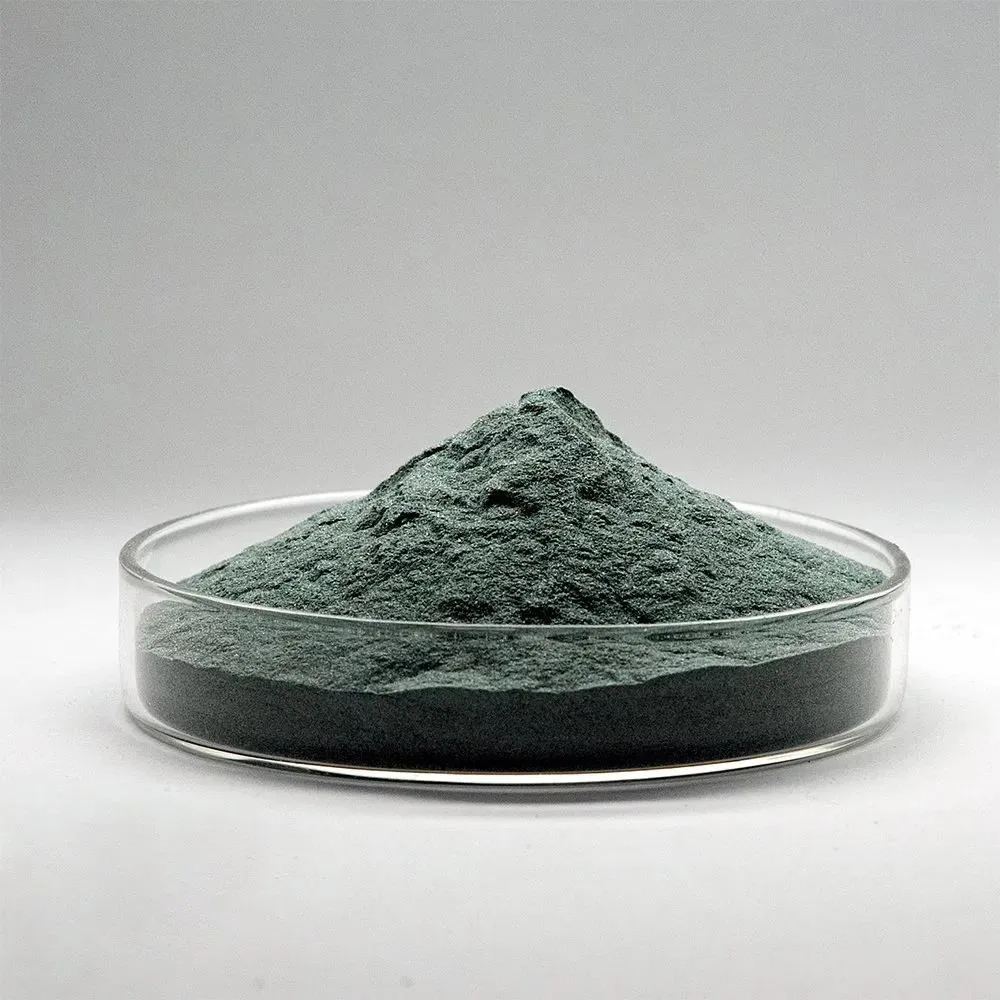
Silicon Carbide (SiC)
Grinding and particle size separation of hard, abrasive materials using suitable wear-resistant components.
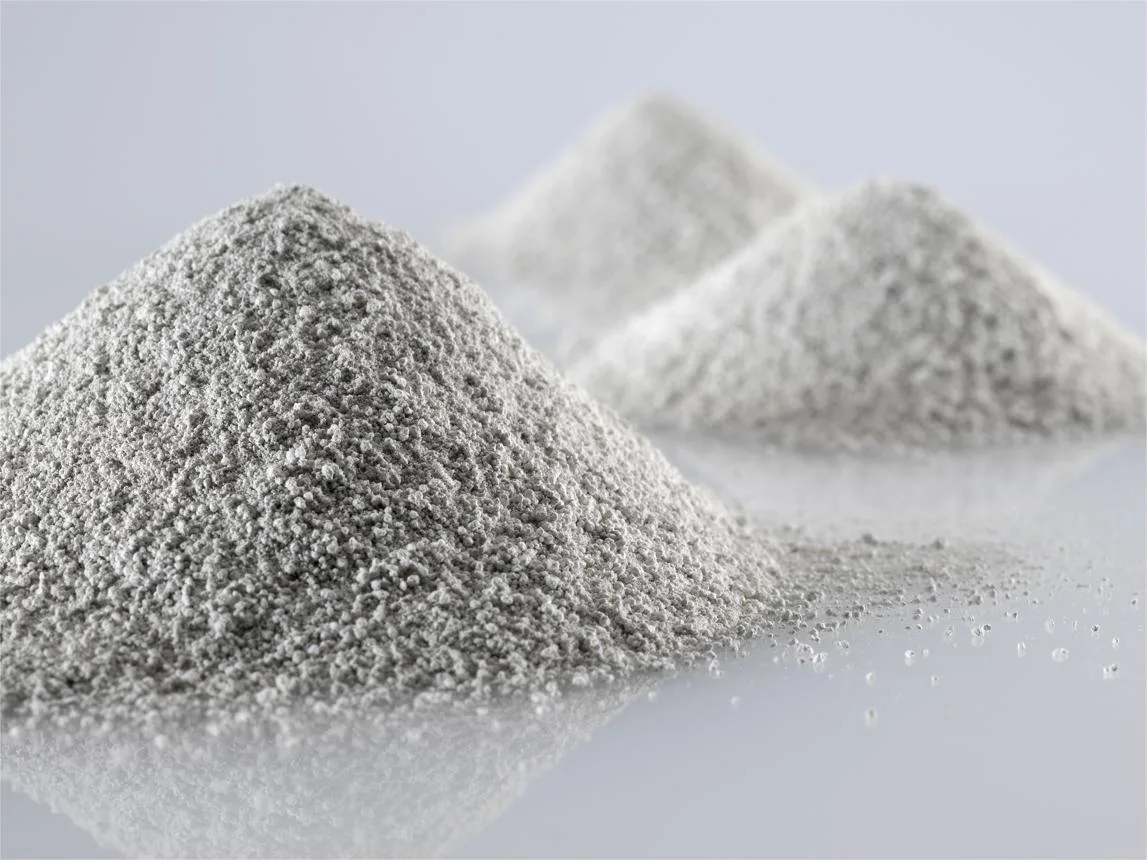
Silicon Nitride (Si₃N₄)
Fine powder grinding and screening for advanced ceramic applications with specific particle size and contamination limits.
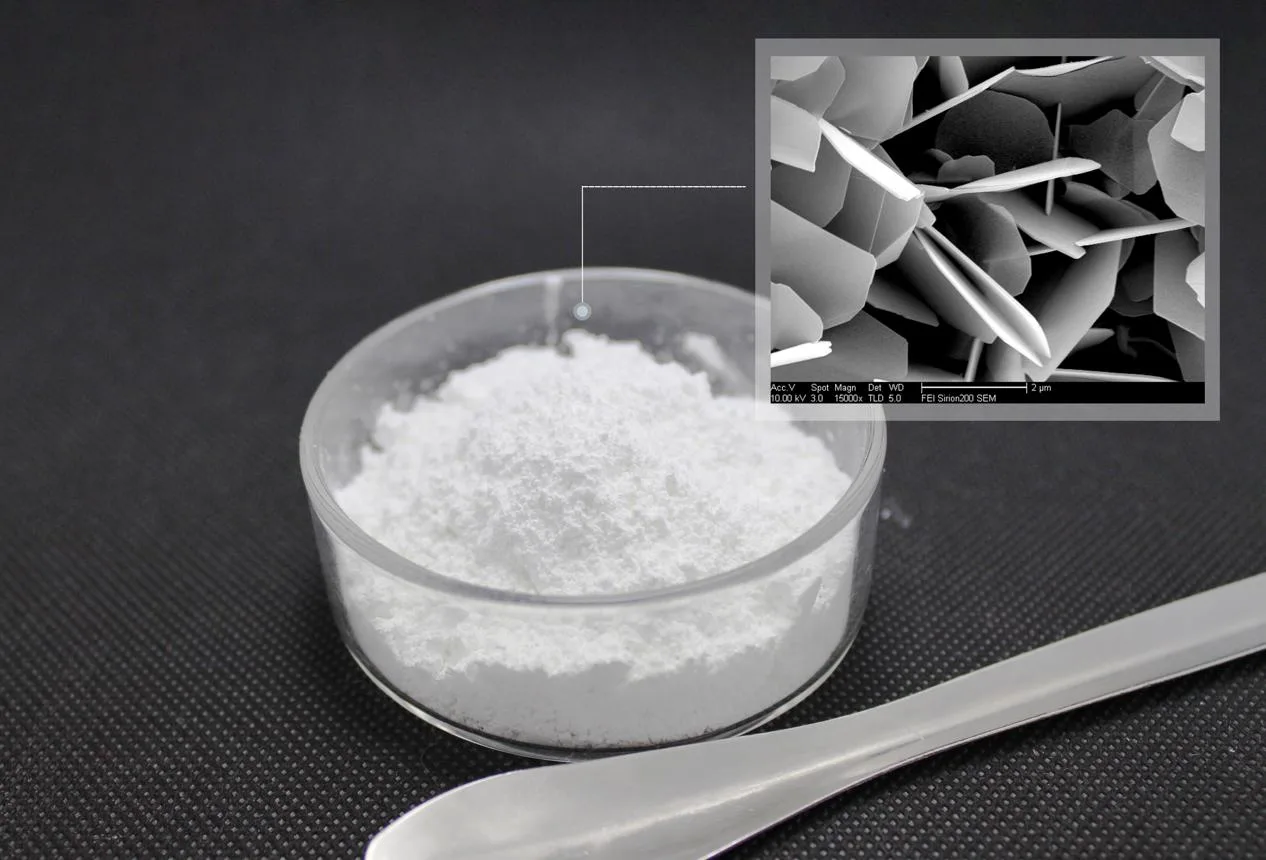
Boron Nitride (BN)
Fine screening, controlled feeding and powder handling based on particle morphology and flow characteristics.
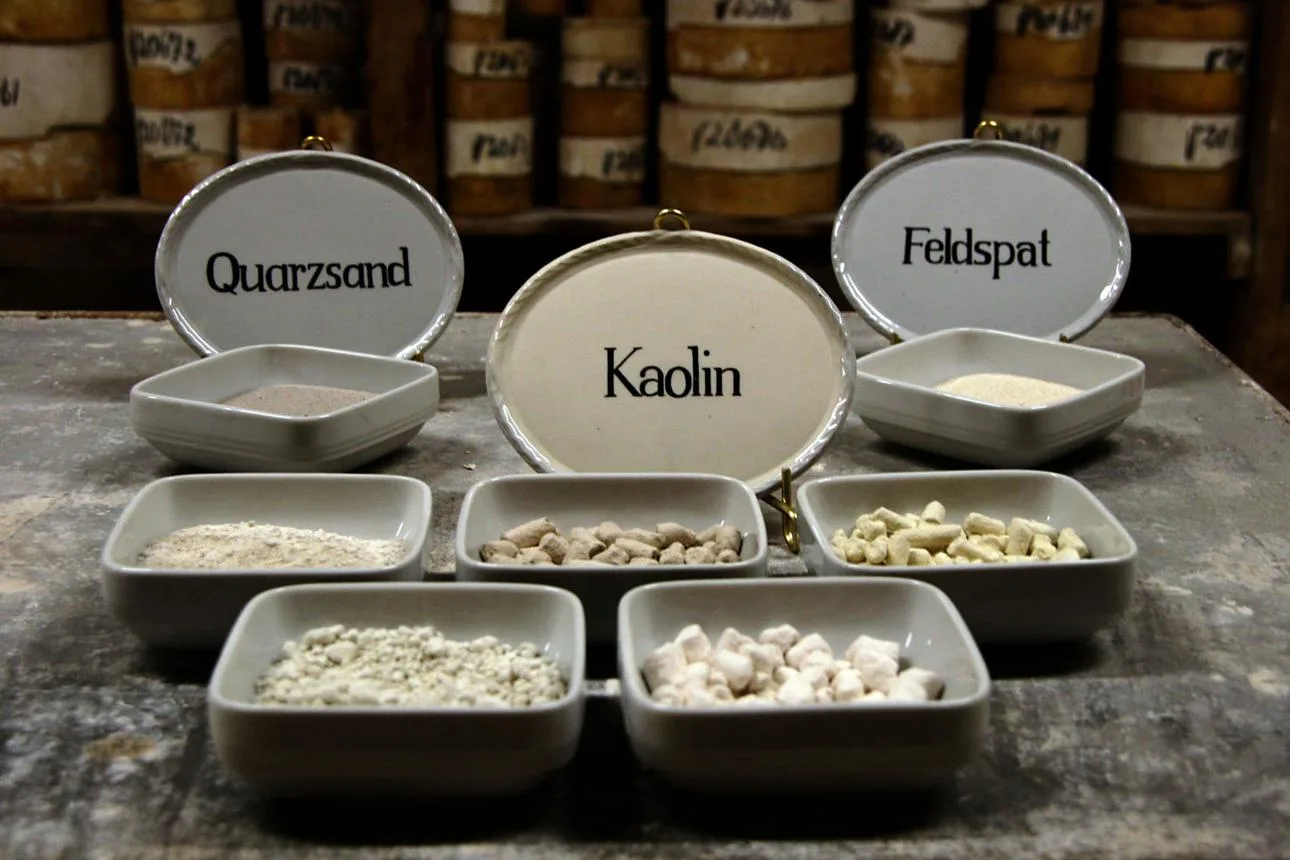
Traditional Ceramic Raw Materials
Crushing, grinding and screening of kaolin, feldspar, quartz and other raw materials used in ceramic production.
Challenges in Ceramic Powder Processing
Ceramic powder processing requires careful control of particle size, equipment wear and material purity. High material hardness, abrasive particles and fine powder agglomeration can affect processing efficiency and finished product quality.
High Material Hardness
Hard ceramic materials require suitable grinding media, sufficient grinding energy and appropriate operating parameters to achieve the required particle size.
Equipment Wear
Abrasive ceramic particles can accelerate wear on grinding chambers, screens and conveying components. Wear-resistant liners and compatible contact materials help extend component service life.
Powder Agglomeration
Fine ceramic powders may form agglomerates that reduce screening efficiency and affect powder consistency. Suitable dispersion and mesh cleaning methods help maintain effective screening.
Material Contamination
Wear from grinding media, liners and other contact components may introduce unwanted impurities. Material compatibility and allowable contamination levels must be considered during equipment selection.
Ceramic Powder Processing Flow
Ceramic powder processing systems can combine raw material preparation, controlled feeding, fine grinding, screening and powder collection. Each processing stage is configured according to the initial material size, target particle size distribution and production capacity.
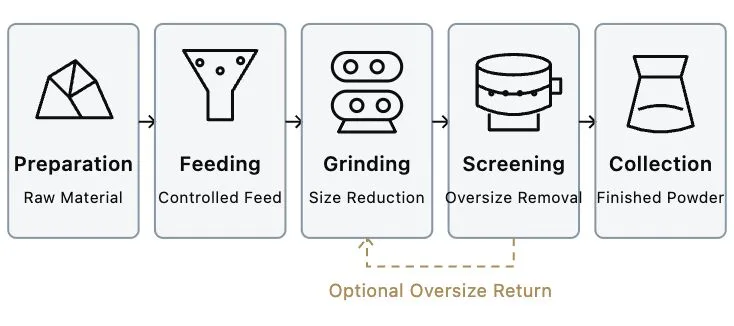
| Processing Stage | Function | Recommended Equipment |
|---|---|---|
| Raw Material Preparation | Reduce large feed particles where required | Industrial Crusher |
| Controlled Feeding | Maintain a consistent material feed rate | Vibrating Feeder |
| Fine Grinding | Reduce ceramic particle size | Single Tube or Double Tube Vibration Mill |
| Fine Screening | Remove oversized particles and separate size fractions | Ultrasonic Vibrating Screen, Tumbler Screen |
| Powder Transfer | Transfer materials between processing stages | Screw Conveyor, Vacuum Feeder |
| Product Collection | Collect processed powder | Receiving Hopper or Suitable Collection System |
Typical ceramic powder processing flow. Processing stages and oversize return arrangements are configured according to material and production requirements.
Equipment for Ceramic Powder Processing
Guofeng supplies ceramic powder grinding equipment, fine screening machines and material handling equipment. Our equipment configurations can be adapted to different ceramic materials, processing capacities and wear resistance requirements.
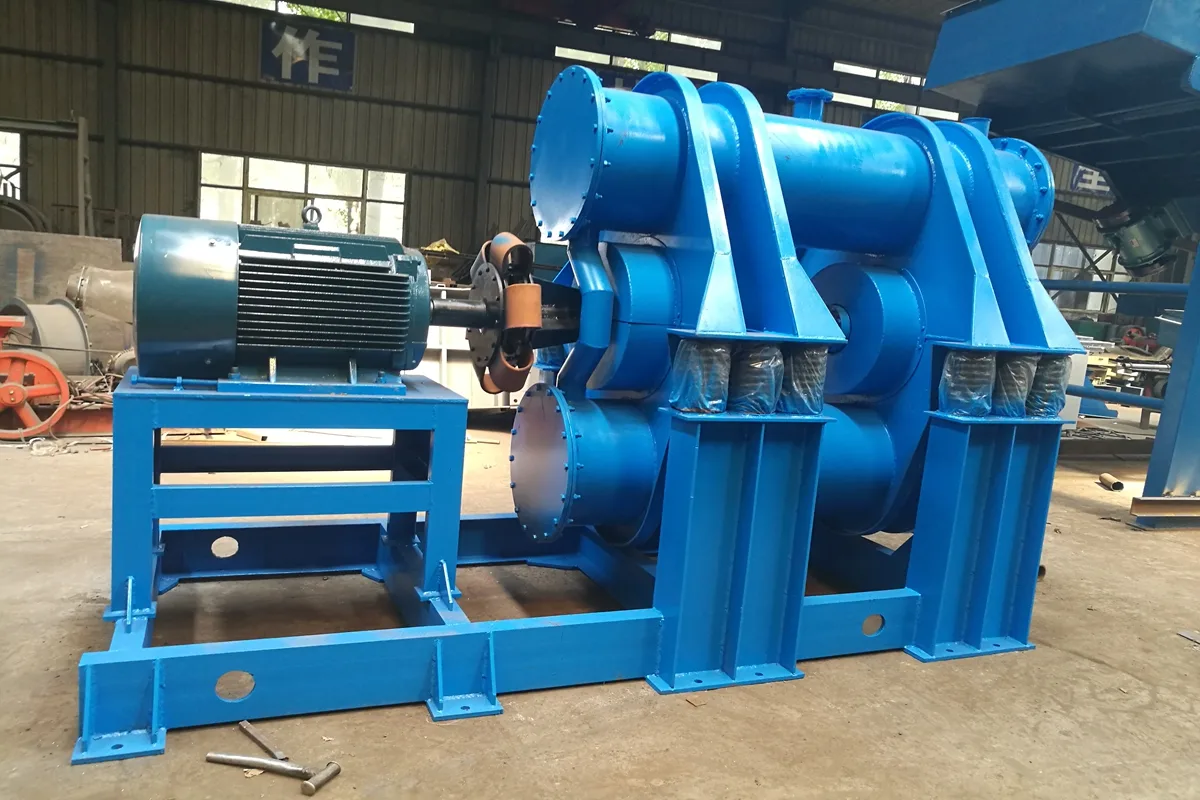
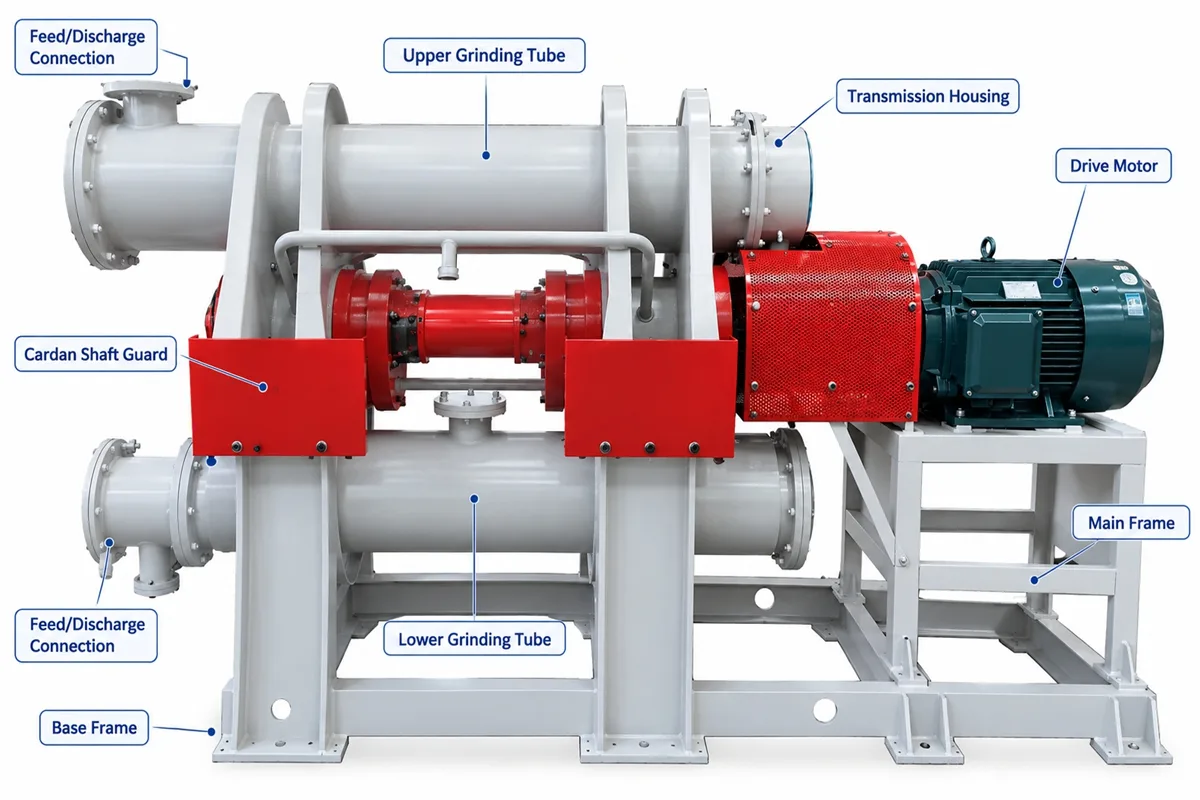
Double Tube Vibration Mill
Reduces ceramic particle size through the impact and attrition of vibrating grinding media. Grinding chambers, media and liners can be configured according to material properties.
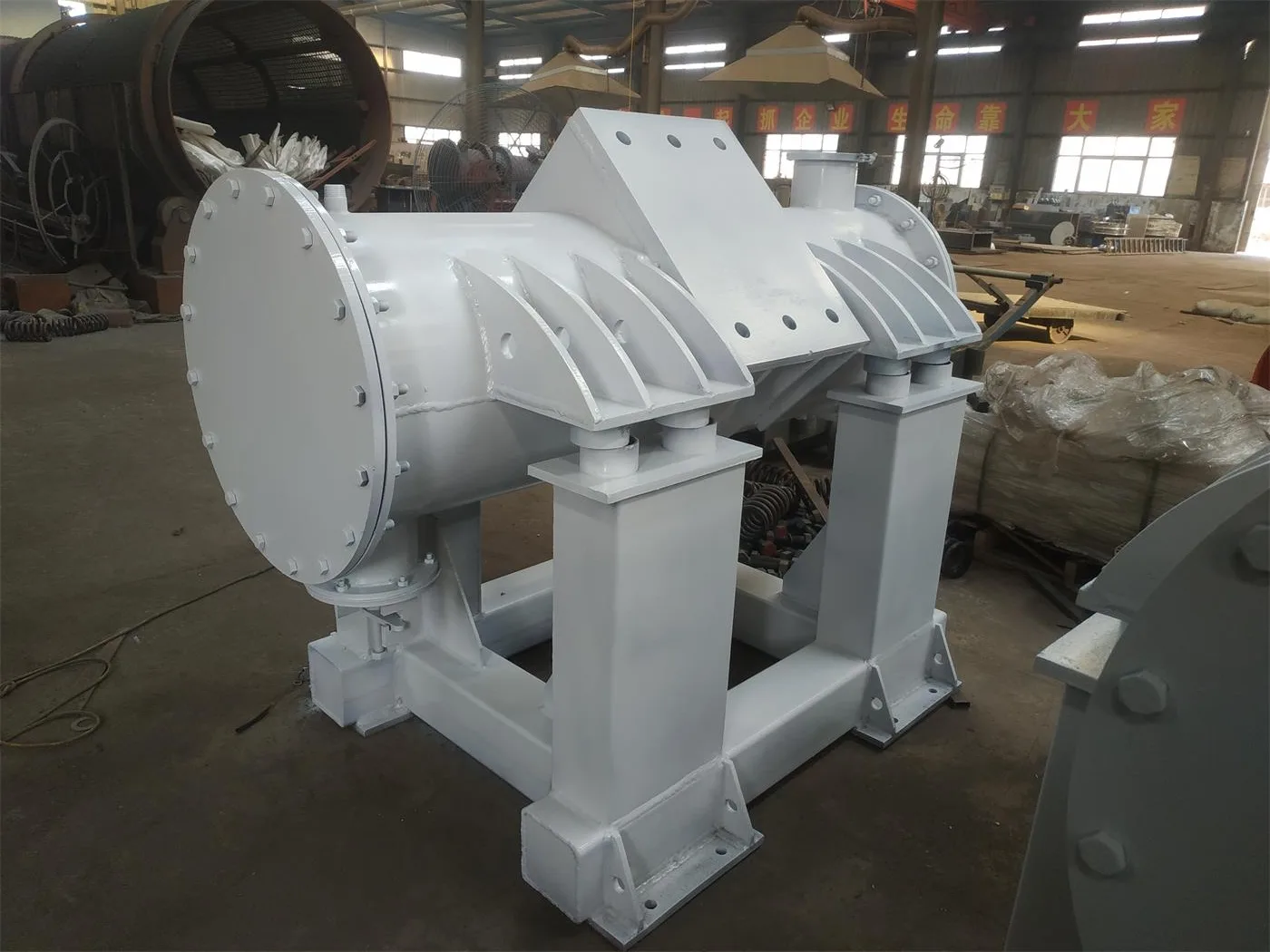
Single Tube Vibration Mill
Suitable for ceramic powder grinding applications requiring controlled particle size reduction and flexible processing configurations.
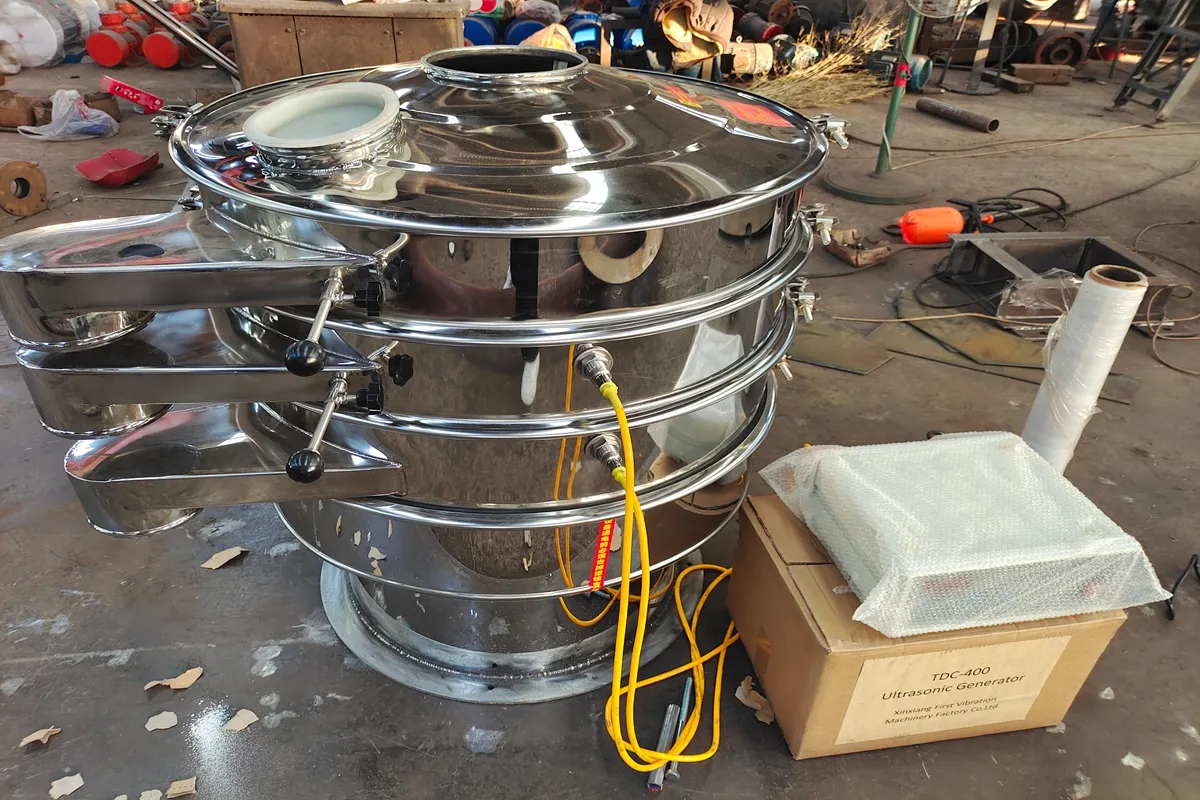
Ultrasonic Vibrating Screen
Uses ultrasonic screen excitation to reduce mesh blinding during fine ceramic powder screening, particularly for powders prone to agglomeration.
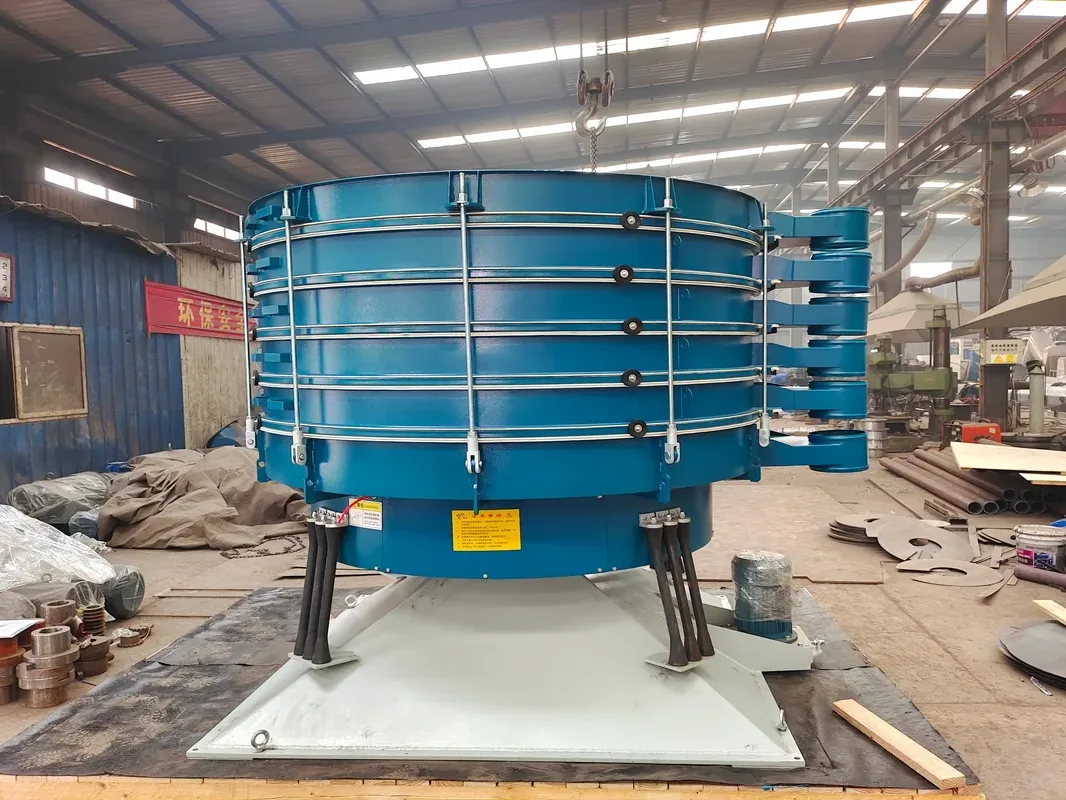
Tumbler Screen
Provides particle size separation through controlled gyratory motion, suitable for compatible ceramic powders and granules requiring multi-stage screening.

Rotary Vibrating Screen
Designed for oversized particle removal, impurity separation by size and particle grading of ceramic powders and granular materials.
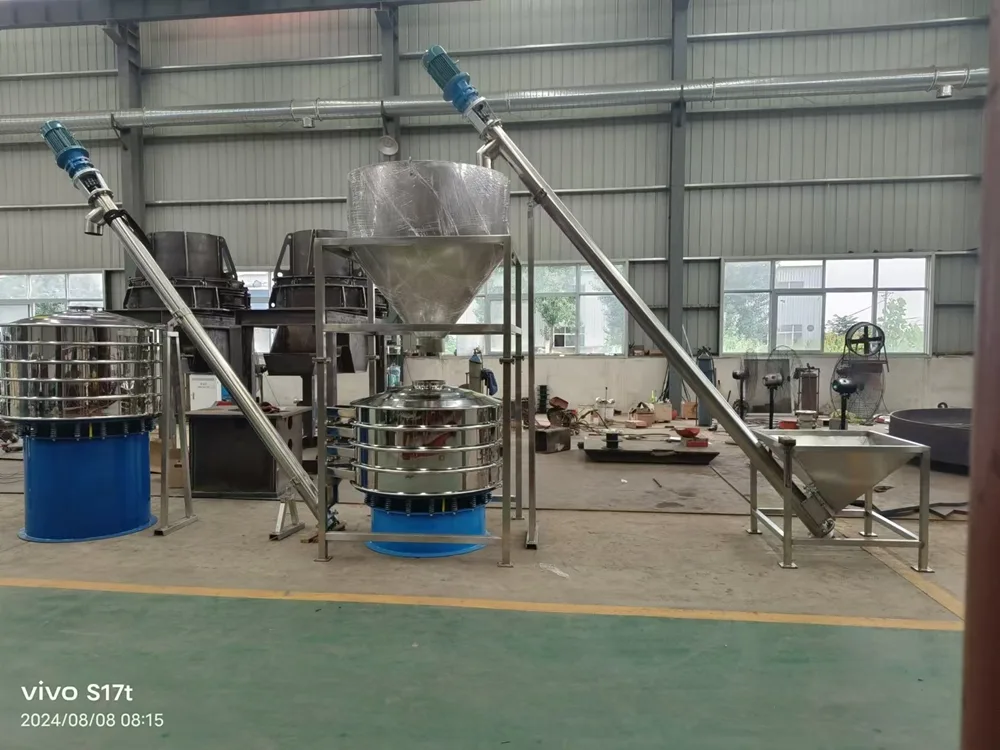
Screw Conveyor
Provides controlled ceramic powder transfer between processing stages, with suitable contact materials and wear-resistant configurations for abrasive applications.
Ceramic Powder Grinding and Screening Solutions
Ceramic materials vary in hardness, abrasiveness, particle morphology and contamination sensitivity. Grinding and screening equipment must be configured according to the characteristics of each material and its intended application.
Alumina and Zirconia Powder Processing
Alumina and zirconia powder processing focuses on particle size reduction, oversized particle removal and material purity. Compatible ceramic grinding media and liners can help limit unwanted metallic contamination during grinding. Fine screening equipment is selected according to the required particle size and acceptable oversize content.
| Configuration | Recommended Solution |
|---|---|
| Grinding | Single or Double Tube Vibration Mill |
| Screening | Ultrasonic Vibrating Screen |
| Grinding Media | Compatible Ceramic Grinding Media |
| Design Considerations | Particle size distribution, media wear, material purity |
Silicon Carbide and Silicon Nitride Processing
Silicon carbide and silicon nitride require careful consideration of grinding efficiency and equipment wear due to their high hardness. Grinding media, liners and screening components should be selected according to material abrasiveness, target fineness and acceptable wear rates. Material trials are recommended before finalizing equipment specifications.
| Configuration | Recommended Solution |
|---|---|
| Grinding | Vibration Mill Subject to Material Testing |
| Screening | Ultrasonic Vibrating Screen or Suitable Fine Screen |
| Wear Protection | Application-Specific Wear-Resistant Liners |
| Design Considerations | Material hardness, component wear, contamination limits |
Traditional Ceramic Raw Material Processing
Traditional ceramic raw materials such as kaolin, feldspar and quartz can be processed through crushing, grinding and screening stages to prepare powders for subsequent ceramic production. Equipment configurations are based on raw material size, moisture content, required fineness and production capacity.
| Configuration | Recommended Solution |
|---|---|
| Raw Material Preparation | Industrial Crusher |
| Grinding | Vibration Mill |
| Screening | Rotary Vibrating Screen or Tumbler Screen |
| Material Transfer | Screw Conveyor |
| Design Considerations | Feed size, moisture, throughput, target particle size |
Dry vs Wet Ceramic Powder Grinding
Dry grinding is suitable for ceramic materials that need to remain in powder form, while wet grinding is often considered when finer particle dispersion or slurry preparation is required. The grinding method depends on material characteristics, downstream processing and finished product specifications.
Dry Ceramic Grinding
Powder-based grinding without a liquid grinding medium.
Wet Ceramic Grinding
Particle size reduction and dispersion in a suitable liquid medium.
| Comparison | Dry Grinding | Wet Grinding |
|---|---|---|
| Processing Medium | No liquid medium | Water or compatible liquid |
| Finished Material | Dry powder | Slurry or suspension |
| Particle Dispersion | Agglomeration may occur | Generally improved dispersion |
| Dust Control | Requires suitable dust containment | Lower airborne dust during grinding |
| Downstream Processing | Suitable for dry powder processes | May require filtration and drying |
| Equipment Requirements | Dry grinding chamber and dust control | Liquid-compatible chamber and sealing |
| Typical Applications | Ceramic powders, mineral fillers | Ceramic slurry and fine powder preparation |
The suitability of a vibration mill for dry or wet grinding depends on its chamber design, sealing arrangements, grinding media and operating conditions.
Grinding Media and Wear-Resistant Materials
Grinding media and liners directly affect ceramic powder grinding performance, equipment wear and material purity. Their selection should consider material hardness, grinding efficiency, chemical compatibility and allowable contamination levels.
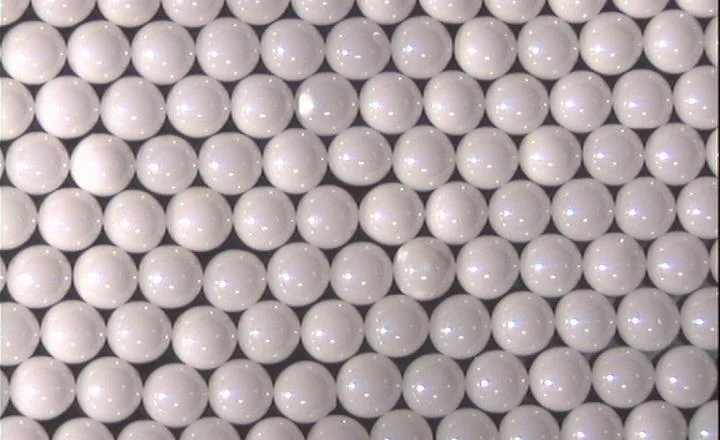

01 / Alumina Grinding Media
A common option for ceramic powder grinding applications where metallic contamination must be limited and material compatibility has been confirmed.
02 / Zirconia Grinding Media
High-density ceramic grinding media with good wear resistance, suitable for selected fine grinding and high-purity powder applications.
03 / Wear-Resistant Liners
Protective liners reduce direct contact between abrasive ceramic powders and grinding chamber surfaces. Liner materials are selected according to wear and contamination requirements.
04 / Product Contact Materials
Grinding chambers, discharge outlets and other contact components can be configured with suitable materials to reduce wear and unwanted material contamination.
Grinding Media Selection Guide
| Grinding Media | Main Characteristics | Selection Considerations |
|---|---|---|
| Alumina Ceramic | Good hardness and wear resistance | Alumina contamination limits |
| Zirconia Ceramic | High density and good wear resistance | Zirconium contamination limits and cost |
| Steel | High density and impact energy | Metallic contamination and corrosion |
| Other Ceramic Media | Application-specific material compatibility | Hardness, wear rate and availability |
Grinding media should be selected according to the required grinding performance and acceptable impurity levels rather than hardness alone.
Fine Screening and Particle Size Control
Fine screening is used after ceramic powder grinding to remove oversized particles and separate required particle size fractions. Screen opening, screening motion and mesh cleaning systems are selected according to powder characteristics and production requirements.
Fine Powder Screening
Ultrasonic screening helps reduce mesh blinding when processing fine ceramic powders that tend to agglomerate.
Particle Size Distribution Control
Particle size analysis can be used to verify D10, D50, D90 and oversize content against the required product specifications.
Key Factors Affecting Ceramic Powder Screening
| Factor | Effect on Screening Performance |
|---|---|
| Screen Opening | Determines the nominal separation size |
| Particle Shape | Affects particle passage through screen openings |
| Powder Agglomeration | May reduce effective screening and cause mesh blinding |
| Moisture Content | Can increase particle adhesion and screen blockage |
| Feed Rate | Influences material distribution and screening efficiency |
| Mesh Cleaning System | Helps maintain effective screen openings |
Screening controls particle separation by size, while particle size analysis verifies the overall particle size distribution. Both are important when ceramic powders must meet specific product specifications.
How to Select Ceramic Powder Processing Equipment?
The selection of ceramic powder processing equipment depends on material hardness, feed size, target particle size, production capacity and purity requirements. The table below provides equipment recommendations for different processing needs and key parameters to consider during selection.
| Processing Requirement | Recommended Equipment | Key Selection Parameters |
|---|---|---|
| Fine ceramic powder grinding | Vibration Mill | Material hardness, feed size, target D50/D90 |
| Abrasive material grinding | Wear-Resistant Grinding Mill | Media compatibility, liner wear, contamination |
| Fine powder screening | Ultrasonic Vibrating Screen | Screen opening, agglomeration, throughput |
| Oversized particle removal | Rotary Vibrating Screen | Particle size, feed rate, oversize content |
| Multi-stage particle grading | Tumbler Screen | Size fractions, capacity, separation requirements |
| Enclosed powder transfer | Screw Conveyor or Vacuum Feeder | Bulk density, abrasiveness, conveying distance |
Technical Information Required for Equipment Selection
Provide the following material and production information to determine suitable equipment models and processing configurations.
| Parameter | Required Information |
|---|---|
| Material | Material name and chemical composition |
| Material Hardness | Mohs hardness or other available hardness data |
| Feed Particle Size | Initial particle size and distribution |
| Target Particle Size | Required fineness, D50, D90 or screen opening |
| Processing Capacity | Required throughput or batch capacity |
| Moisture Content | Material moisture and grinding conditions |
| Contamination Limits | Allowable metallic and other impurities |
| Processing Method | Dry or wet grinding requirements |
| Installation Layout | Available space and equipment connections |
Representative material samples and particle size data are recommended for new ceramic materials or applications with demanding processing specifications.
Engineering Design and Customization
Guofeng provides customized ceramic powder processing equipment based on your material properties, target particle size, production capacity and plant layout. We offer flexible configurations for grinding chambers, grinding media, wear-resistant liners, screen specifications and equipment connections.
| Customization Option | Available Configuration |
|---|---|
| Grinding Chamber | Chamber dimensions and grinding configuration |
| Grinding Media | Media material, size and filling arrangement |
| Wear-Resistant Liners | Liner material and wear protection |
| Screening Configuration | Screen openings, decks and mesh cleaning systems |
| Feeding and Discharge | Inlet and outlet dimensions and positions |
| System Integration | Equipment layout, electrical controls and process connections |
For abrasive materials or applications with strict contamination limits, grinding media and contact materials should be evaluated before final equipment configuration.
Material Testing & Equipment Configuration
Material evaluation helps determine suitable grinding conditions, screening specifications and equipment configurations for ceramic powder processing. Key considerations include particle size reduction, grinding media compatibility, component wear and finished powder quality.
01 / Grinding Performance Evaluation
Evaluation of feed particle size, grinding time, grinding media and achievable particle size distribution.
02 / Grinding Media and Wear Evaluation
Assessment of grinding media compatibility, liner wear and potential material contamination.
03 / Screening Performance Evaluation
Evaluation of screen openings, powder flowability, screening throughput and oversized particle removal.
04 / Particle Size Analysis
Verification of particle size distribution and oversize content against the required ceramic powder specifications.
Frequently Asked Questions
What equipment is used for ceramic powder processing?
Ceramic powder processing equipment typically includes crushers, grinding mills, fine screening machines, feeders and conveying equipment. Equipment selection depends on material hardness, initial particle size, required fineness and production capacity.
Can vibration mills grind high-hardness ceramic materials?
Vibration mills can be used for selected high-hardness ceramic materials, including alumina, zirconia and silicon carbide. Grinding performance depends on material hardness, grinding media, operating parameters and acceptable wear rates. Material trials are recommended for demanding applications.
What is the difference between dry and wet ceramic powder grinding?
Dry grinding reduces particle size without a liquid medium and produces powder directly. Wet grinding uses a compatible liquid medium to assist particle dispersion and produces a slurry or suspension that may require further drying.
How can contamination be reduced during ceramic powder grinding?
Contamination can be reduced by selecting compatible grinding media, wear-resistant liners and suitable product contact materials. Regular inspection, equipment cleaning and controlled material handling also help limit unwanted impurities.
Which screening equipment is suitable for fine ceramic powders?
Ultrasonic vibrating screens are suitable for many fine ceramic powders prone to mesh blinding. Rotary vibrating screens and tumbler screens may be considered for oversize removal and particle grading, depending on particle size, flowability and required throughput.
Can Guofeng customize ceramic powder processing equipment?
Yes. Guofeng can customize equipment dimensions, grinding media, liners, contact materials, screen openings and feeding and discharge connections according to your material characteristics, production capacity and installation requirements, subject to technical feasibility.
Get a Custom Ceramic Powder Processing Solution
Tell us about your ceramic material, feed size, target particle size and required production capacity. Our engineering team can recommend suitable grinding, screening and powder handling equipment for your application.
Include your material name, required capacity, feed and target particle size, contact details and project requirements in your inquiry.