


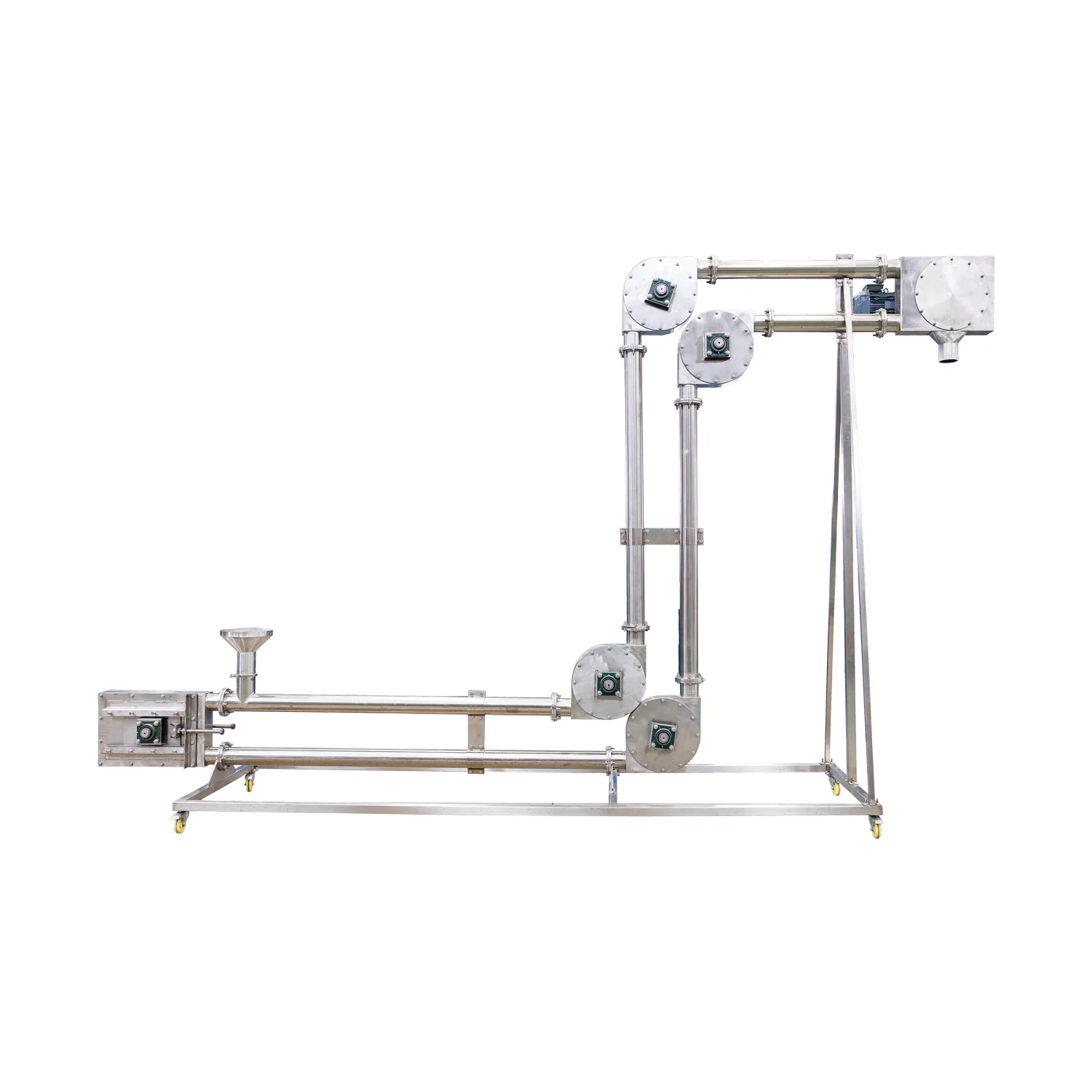
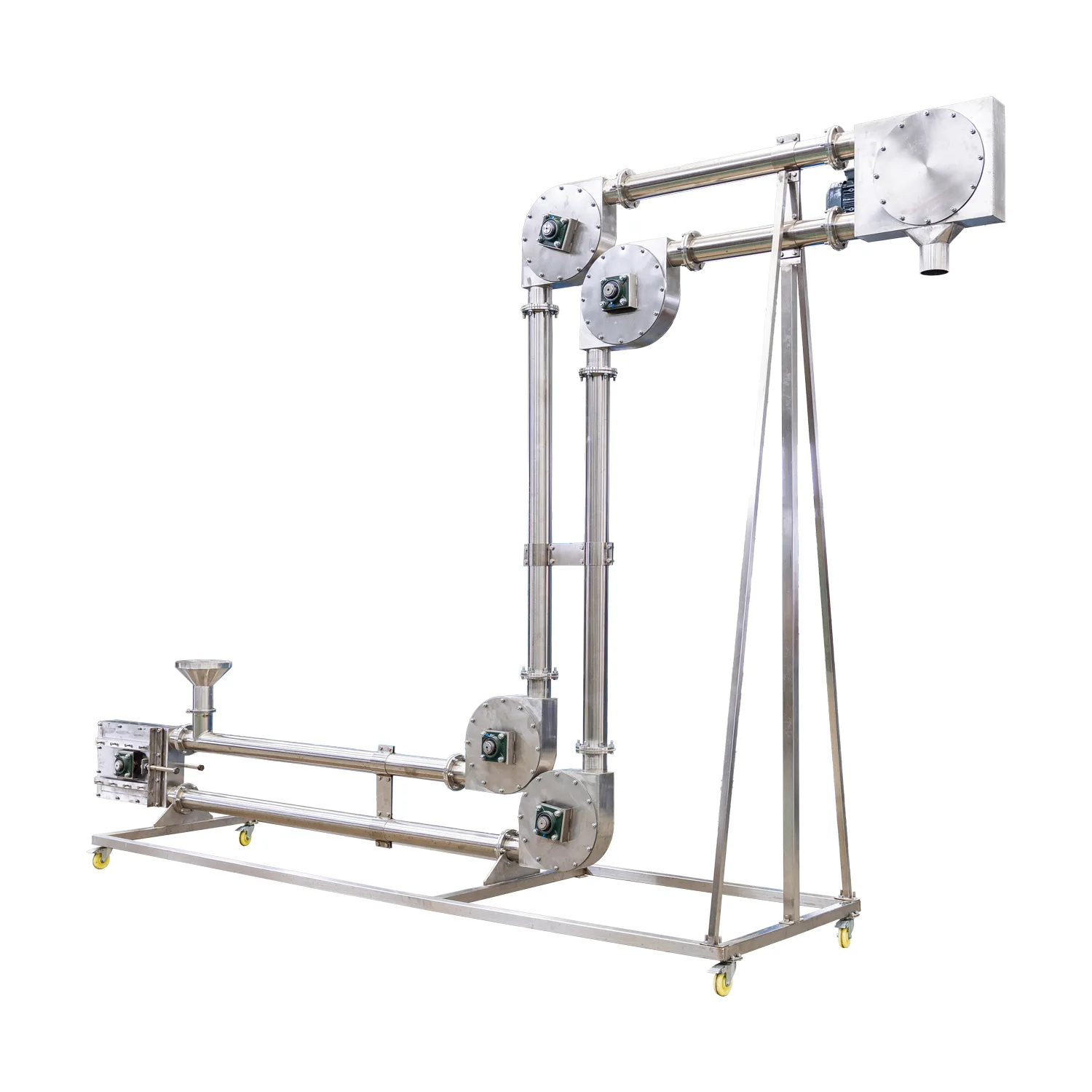
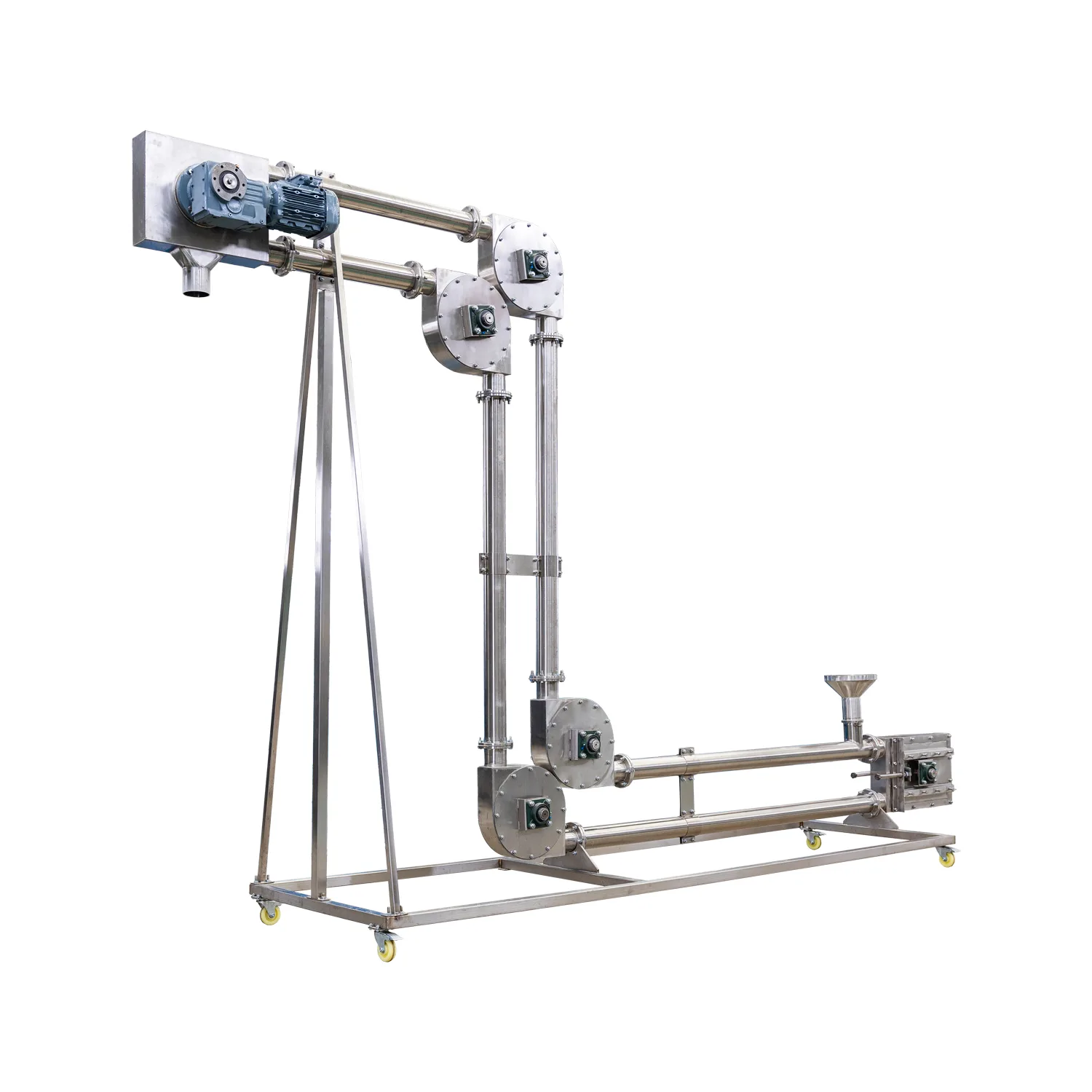
What Is a Tubular Chain Conveyor?
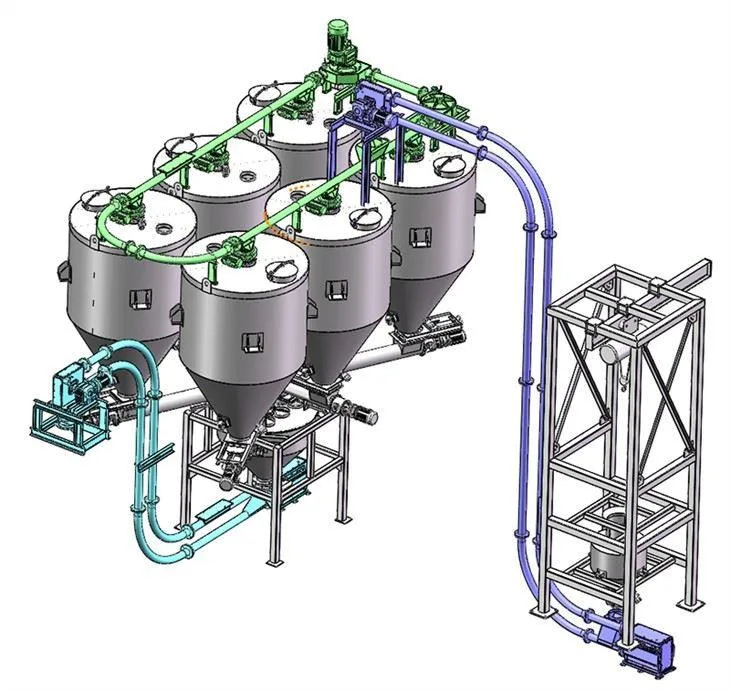
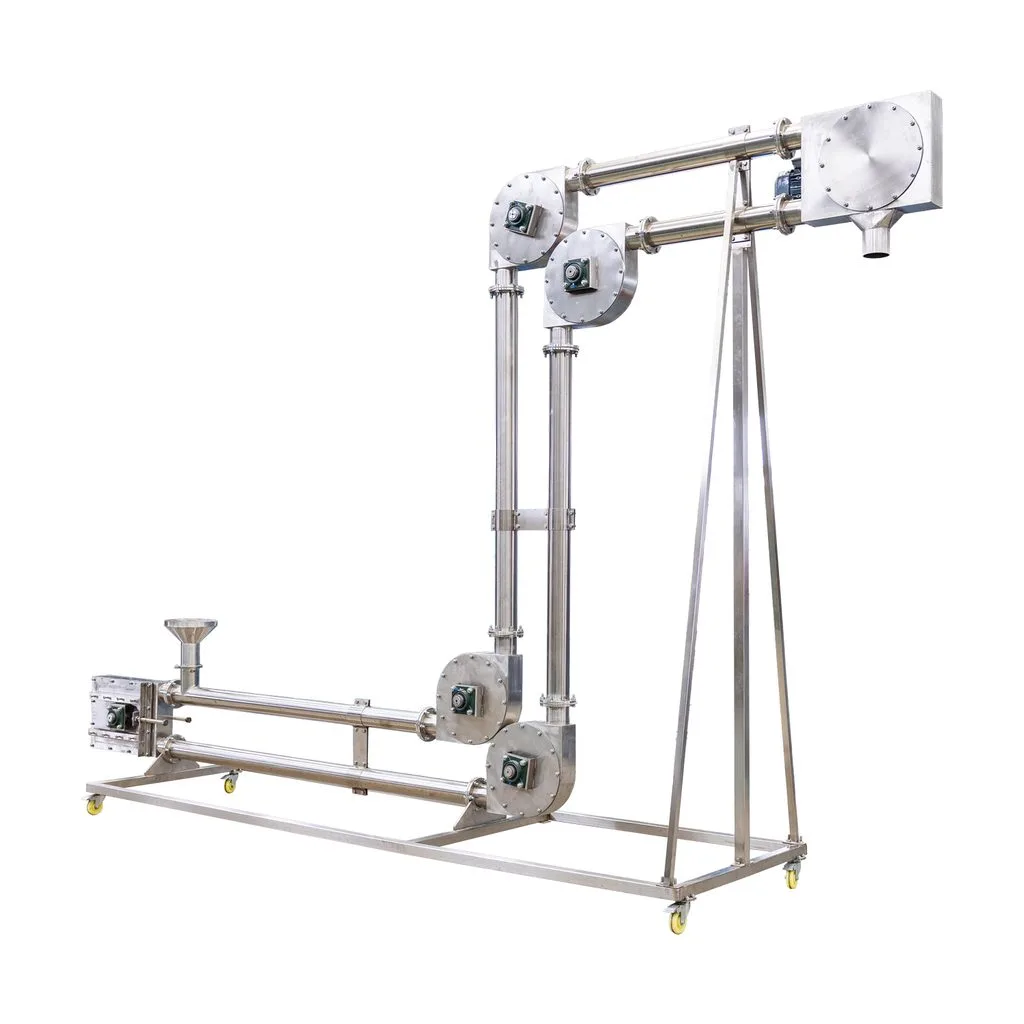
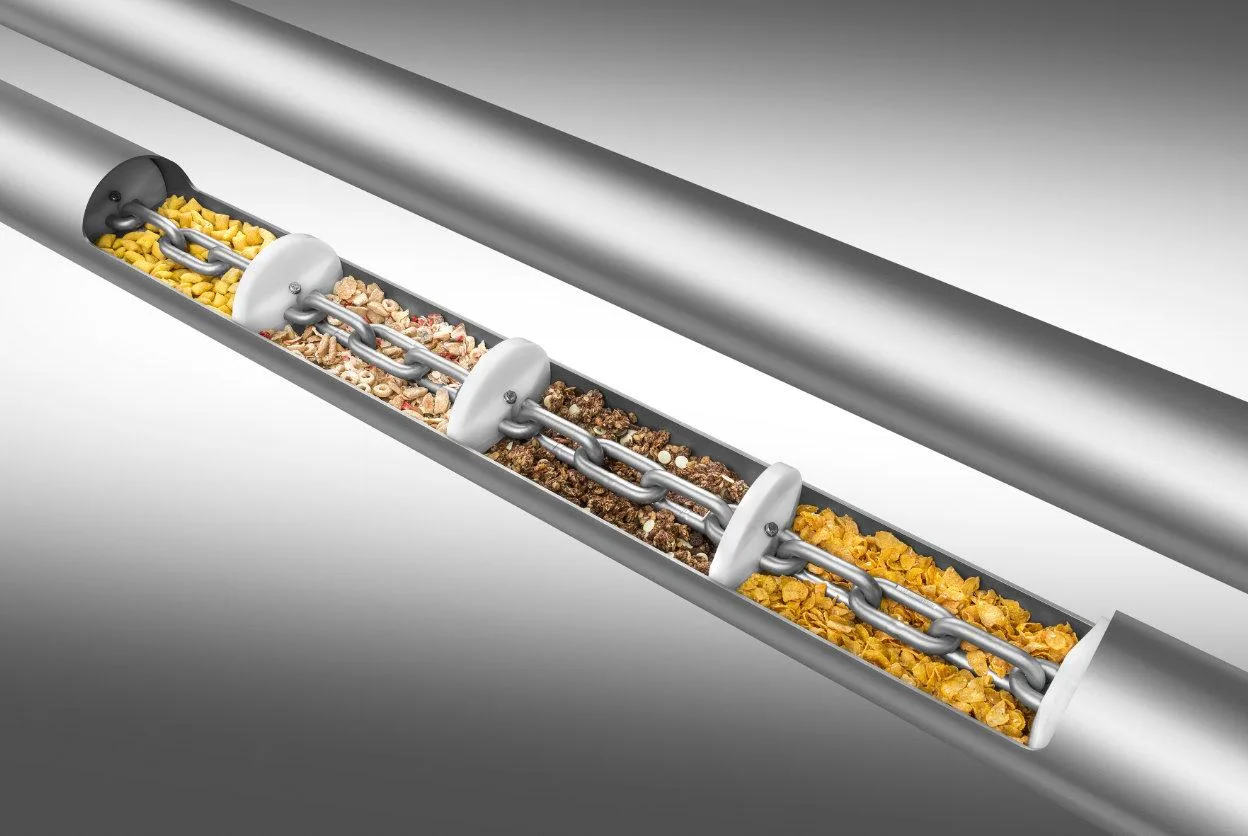
The tubular chain conveyor is a fully enclosed pipeline conveying system. A drive chain propels a series of spaced-out circular conveying discs in a continuous loop within the pipeline, conveying powders, granules, and small chunks of material continuously from the inlet to the outlet. The entire system typically requires only a single drive unit to achieve horizontal conveying, vertical lifting, and multi-angle turns, allowing it to flexibly adapt to various plant layouts.
This equipment is suitable for powders, granules, spherical materials, and small chunks with good flowability that do not easily adhere to the pipe walls. The maximum particle size is recommended not to exceed one-third of the pipe’s inner diameter. The GUOFENG TC Series Tubular Chain Conveyor is available in pipe diameters ranging from DN50 to DN300, with conveying capacities of 0.5–120 t/h. A single unit can convey material over a maximum length of 60 m, and the drive power ranges from 0.18 to 22 kW, meeting the conveying needs of various materials and production lines.
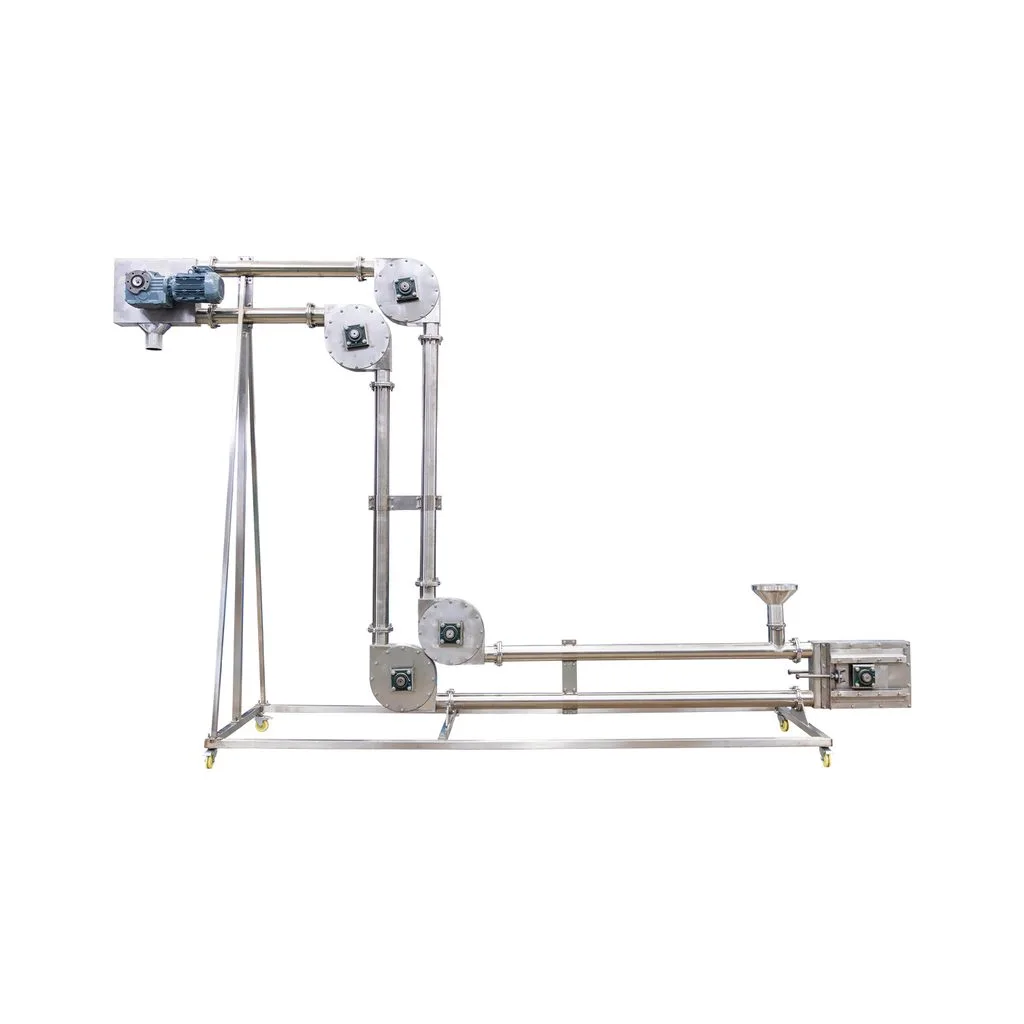
Working Principle and Structure
Material Feeding
Material enters through an inlet and fills the space between two discs.
Plug Transport
The chain pulls the discs, and each disc pushes its plug at 0.2–0.6 m/s.
Direction Change
At a bend the chain articulates and the discs follow the curve without packing the product.
Discharge and Return
The plug falls through a gate at the outlet, and the empty chain returns to the drive.
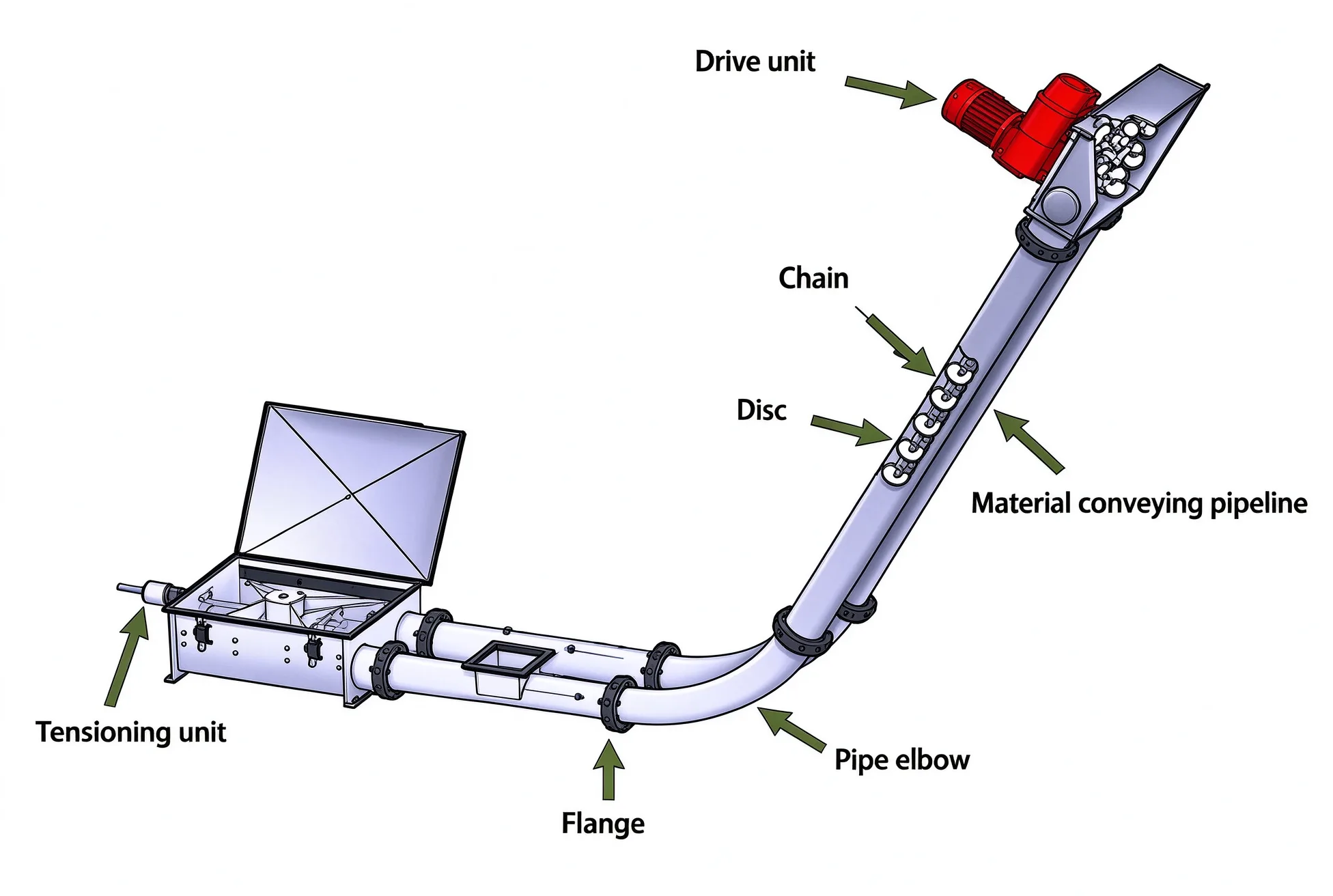
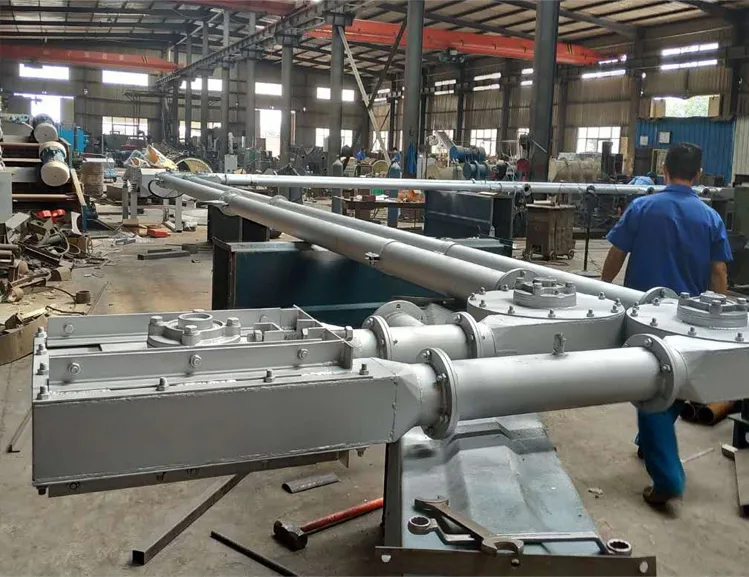
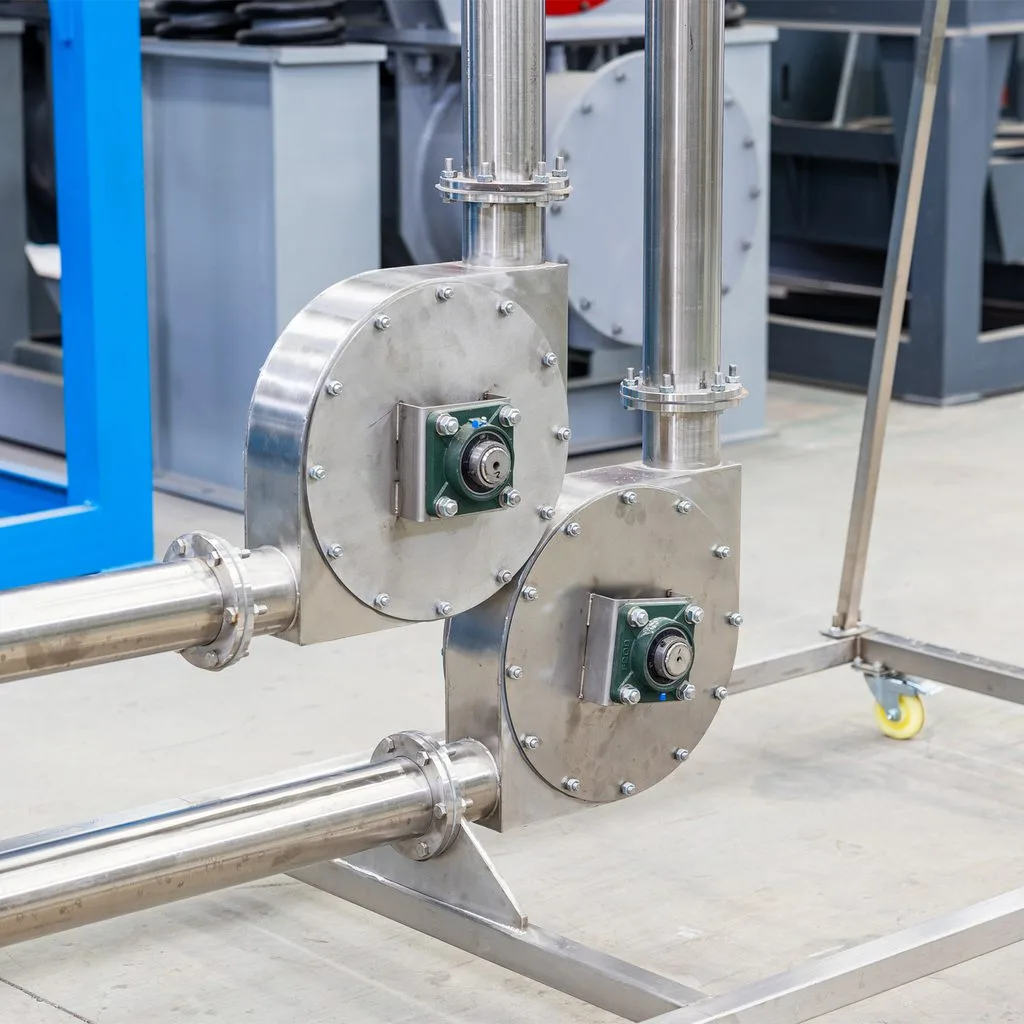
| Part | Function |
|---|---|
| Tube section | Sealed pipe that holds the product. Bolted flanges, gasketed joints. |
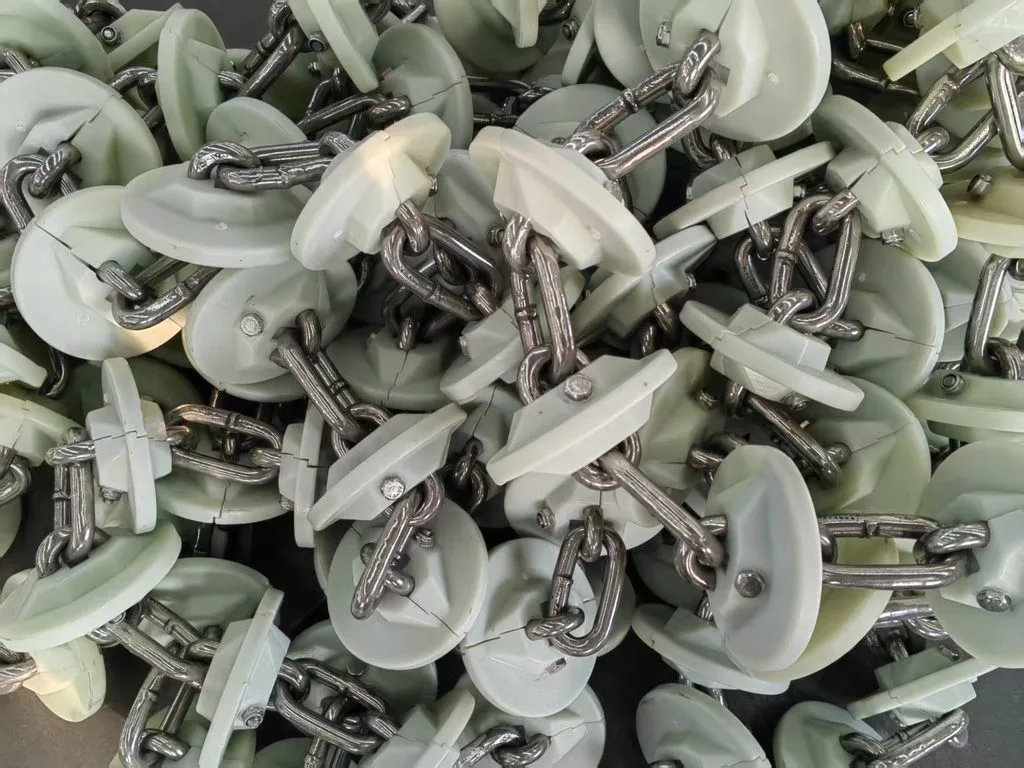
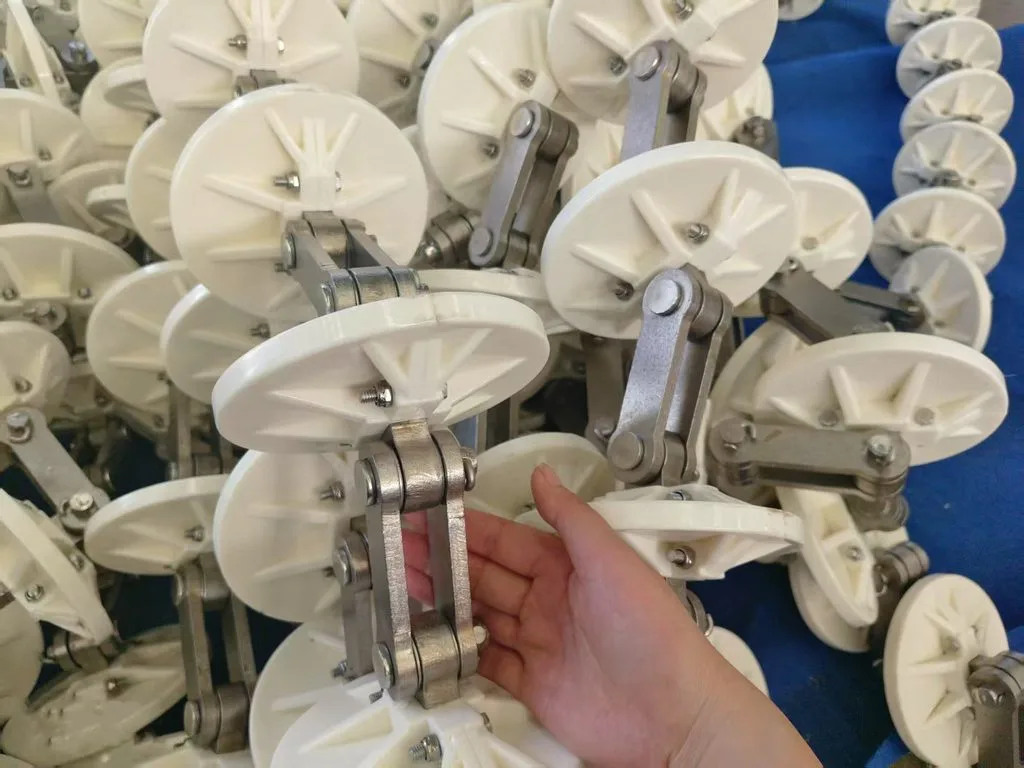
| Chain | Pulls the discs. Articulates at every bend. |
| Conveying disc | Pushes the plug. 2–4 mm clearance to the bore. |
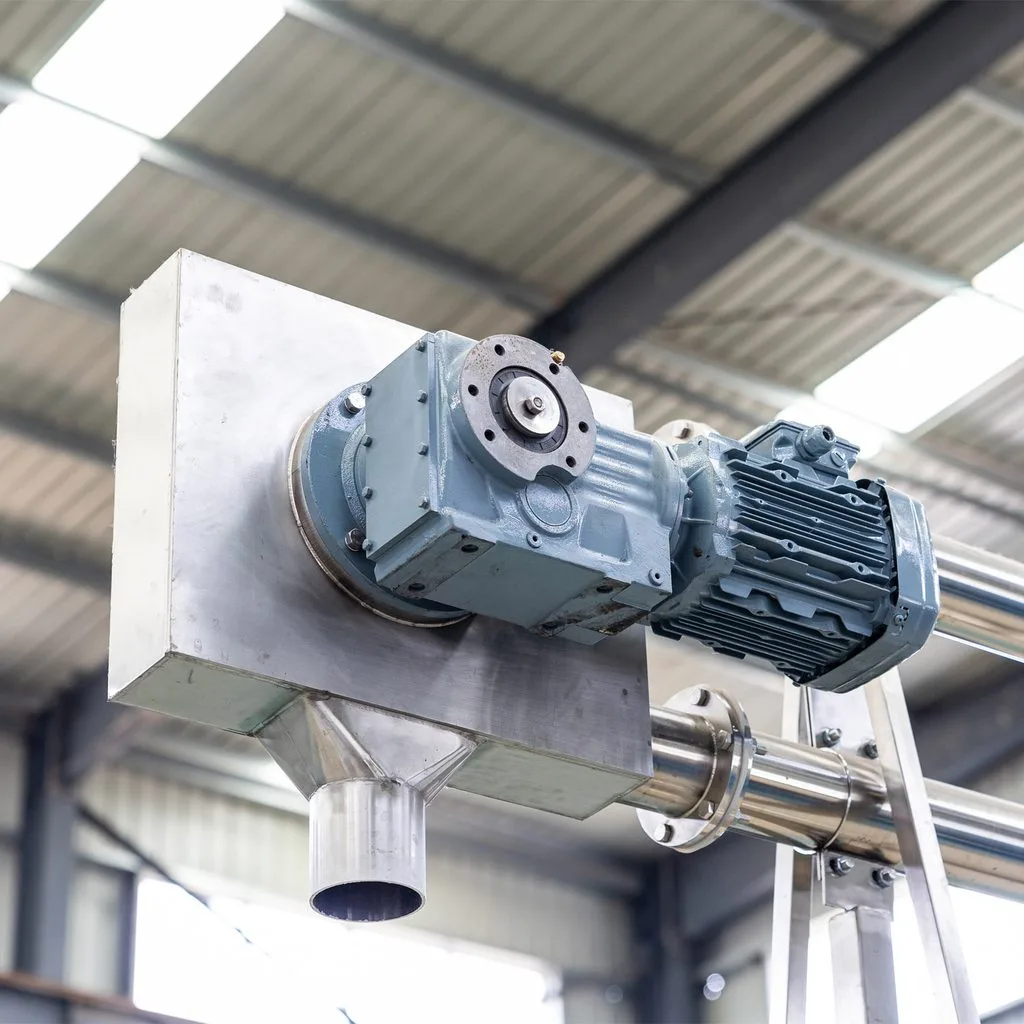
| Drive unit | Motor and reducer. Sprocket drive, no slip. |
| Drive sprocket | Hardened teeth take the chain load. |
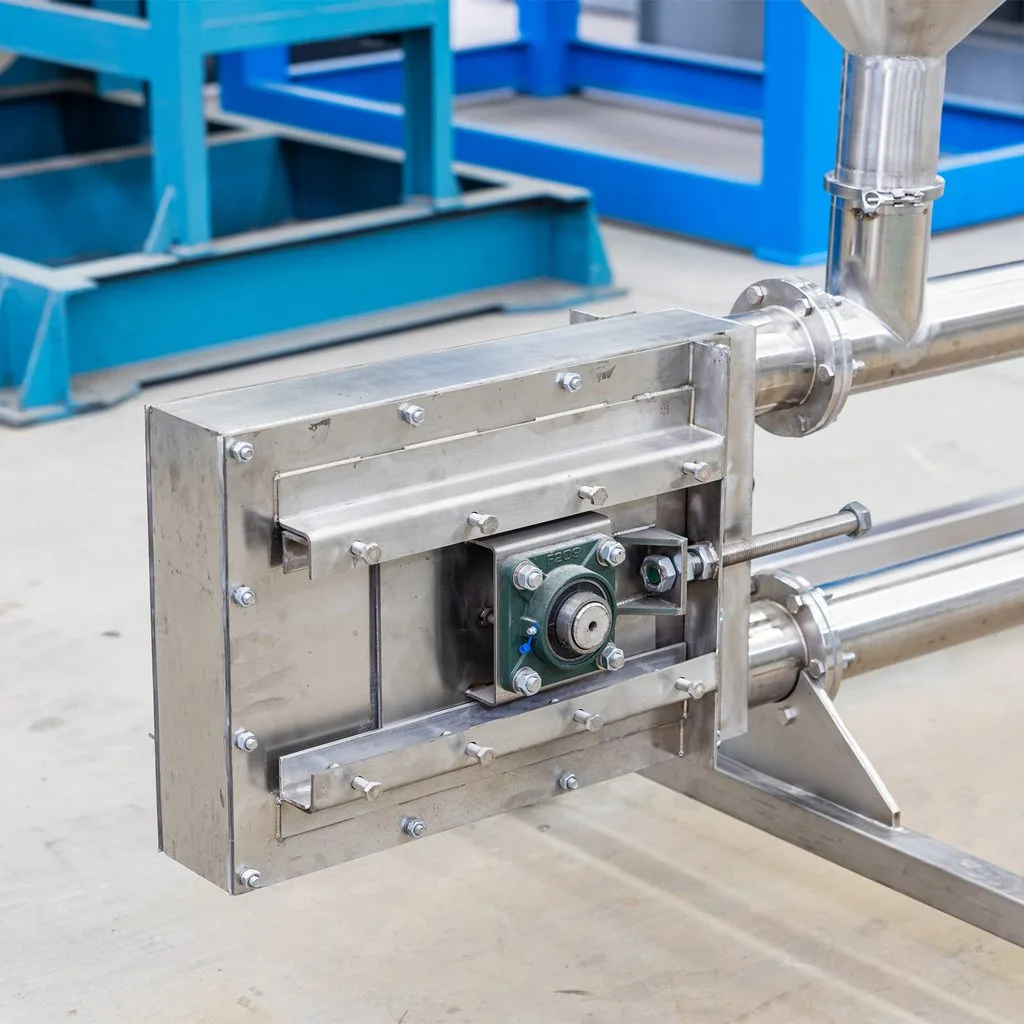
| Tensioner | Removes chain stretch on the return run. |
| Inlet | Feeds the tube. Chute, hopper, rotary valve, or diverter. |
| Discharge gate | Slide, flap, drop-bottom, or rotating. Sets the discharge point. |
| Bend or turn station | 45°, 90°, or 180°. Standard elbow or wheeled station. |
| Control and safety | Chain-break, overload, blocked discharge, overspeed. |
CONTACT US
Need a chain and discs for an existing tube conveyor?
Send the tube OD, wall thickness, bend radius, and a photo of the chain. GUO FENG quotes a chain, a disc set, or a full replacement run.
Part Details
Advantages
Dust-Free Operation
The system uses fully sealed piping to minimize material leakage and dust spillover, keeping the production environment clean. It is suitable for production scenarios—such as food and pigment manufacturing—that require a clean workshop environment.
Gentle Handling
Low-speed enclosed conveying can reduce material impacts for a suitable granular product. Check particle damage and fines through a representative trial over the proposed route; breakage depends on the product, feed and bends.
Flexible Routing
Tubular chain conveyor routing can include horizontal, inclined or vertical sections and turns. Confirm total loaded length, lift, bend arrangement, chain load and drive together for the proposed layout.
Low Power
Power use depends on the material, loaded route, lift, bend arrangement, feed rate and drive. Compare tubular chain and pneumatic conveying using the same material duty and the complete installed system, including auxiliary equipment.
Comparison
Compare GUOFENG’s Tubular Chain, Screw, Pneumatic, and Belt Conveyors to understand their differences in conveying capacity, material suitability, installation layout, and operating conditions. Find the most suitable conveying solution for your production requirements.
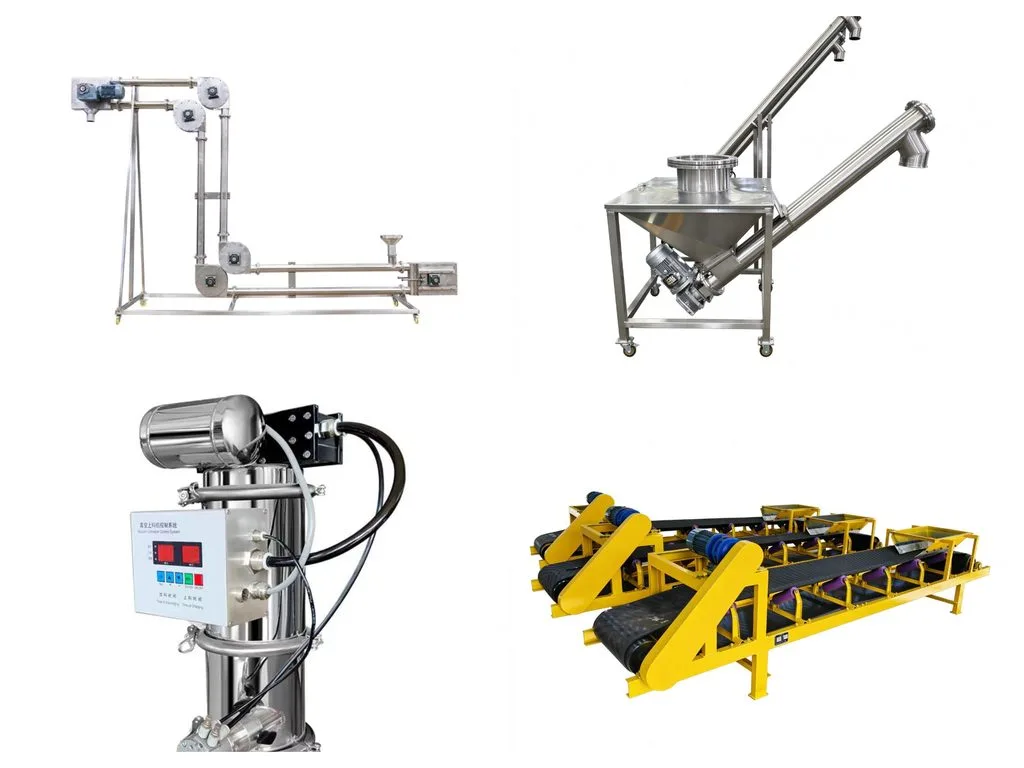
| Criterion | Tubular chain | Screw | Pneumatic | Belt |
|---|---|---|---|---|
| Route bends | Any plane | Straight | Any plane | Straight |
| Route length | Up to 60 m reference; confirm complete duty | Design and material dependent | Design and material dependent | Design and material dependent |
| Capacity | TC model and material dependent | Model and duty dependent | Model and duty dependent | Model and duty dependent |
| Product degradation | Low | Medium–high | Medium | Low |
| Dust containment | Sealed | Covers | Sealed | Open |
| Sticky material | Poor | Fair | Poor | Fair |
| Wear points | Discs, bends | Flight, trough | Bends, blower | Belt, idler |
| Power comparison | Compare complete systems at the same material, output, lift and route. | |||
When Not to Use It
- Moist, sticky materials may build up in the tube or bends. Assess adhesion and flow with the actual product; a universal moisture percentage does not establish suitability.
- Very High Conveying Capacity: Maximum single-pipe conveying capacity of 120 t/h, maximum particle size of 100 mm, and maximum conveying distance of 60 m.
- Highly abrasive material can accelerate wear at discs, bends, chain and drive components. Select wear materials and inspection intervals for the actual duty.
Which One Fits
- Two or more bends with a dust limit: tubular chain.
- Straight run at high tonnage: belt.
- Sticky or wet materials require a product-specific conveying assessment.
- Long conveying routes require a separate system comparison and drive review.
For a straight conveying route, compare the GX / LS Screw Conveyor with the tubular chain option for your material and layout.
CONTACT US
Tubular chain, screw, or pneumatic?
Send the material, route, capacity, and the reason the current conveyor fails. GUO FENG prices the tube line and marks where a screw or belt costs less.
Tubular Chain Conveyor Specifications
GUOFENG TC Series Tubular Chain Conveyors are available in eight standard models, with pipe diameters ranging from DN50 to DN300. Different configurations are available to accommodate varying conveying capacities, material characteristics, and installation requirements.
| Model | Tube diameter | Capacity (t/h) | Conveying distance (m) | Power (kW) |
|---|---|---|---|---|
| TC-50 | DN50 | 0.5–1.5 | 0–60 | 0.18–2.2 |
| TC-80 | DN80 | 1–3 | 0–60 | 0.18–3 |
| TC-100 | DN100 | 2–7 | 0–60 | 0.55–4 |
| TC-125 | DN125 | 3–10 | 0–60 | 1.1–5.5 |
| TC-150 | DN150 | 8–25 | 0–60 | 2.2–7.5 |
| TC-200 | DN200 | 15–50 | 0–60 | 3–15 |
| TC-250 | DN250 | 30–75 | 0–60 | 5.5–18.5 |
| TC-300 | DN300 | 60–120 | 0–60 | 7.5–22 |
Customization
GUOFENG customizes Tubular Chain Conveyors to match your plant layout, material characteristics, and conveying requirements. From pipe diameter and conveying route to chain discs, inlets, outlets, and drive systems, key components can be adjusted to suit different installation conditions, conveying capacities, and production processes. The following options show the main components and configurations available for customization.
| Option | Choices | What it solves |
|---|---|---|
| Tube diameter | DN50 / 80 / 100 / 125 / 150 / 200 / 250 / 300; DN350 on request | Capacity, lump size |
| Tube material | Carbon steel painted, 304, 316L; wear liner at bends | Corrosion, food contact, wear |
| Chain | Link, roller, or forged; hardened alloy or stainless | Load, temperature, washdown |
| Disc | UHMWPE, nylon, PU, white food-grade, stainless; 2–4 mm clearance | Contact, noise, wear |
| Drive | Gear motor or shaft-mounted; fixed or VFD; 0.18–22 kW; 380–480 V; explosion-proof | Power, start profile |
| Bends | Standard elbow, long-radius bend, wheeled turn station; 45° / 90° / 180° | Layout, disc wear |
| Inlets and discharges | Chute, hopper, rotary valve, diverter; slide, flap, drop-bottom gate; 1–6 of each | Feed and distribution points |
| Cleaning | CIP spray ring, brush assembly, chain knocker, inspection doors | Allergen changeover |
| Controls | Local box, PLC, chain-break, overload, blocked discharge, run-hour meter | Automation, protection |
| Documentation | GA drawing, manual, material certificates, CE declaration, test report, export crate | Export, commissioning |
CONTACT US
Need a bend, gate, or disc grade not in the table?
Send the material and proposed route for a configuration review. Bends, discs, gates and liners should be specified in the approved drawing; quotation and delivery timing depend on the agreed scope.
Applications

Food Processing
Common materials include grain, flour, sugar, coffee beans, and starch. Enclosed, low-speed conveying helps reduce dust leakage and prevent material loss during food processing.

Chemical Industry
Common materials include plastic pellets, resin powder, pigments, and chemical additives. Sealed conveying reduces dust emissions and limits material exposure to the surrounding environment.

Pharmaceutical Industry
Common materials include pharmaceutical powders, granules, lactose, and excipients. The enclosed conveying structure helps maintain a clean production environment and reduces the risk of material contamination.
Plastics Industry
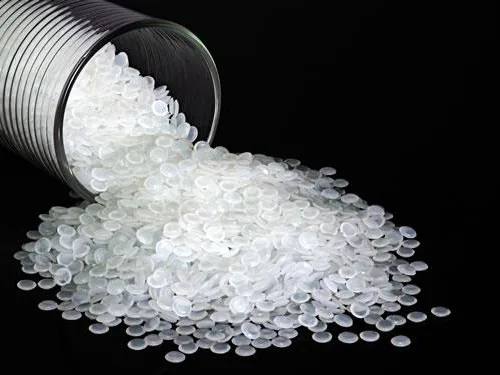
Common materials include PE, PP, and PVC pellets and plastic granules. Gentle conveying reduces pellet breakage and the generation of fine particles during transportation.
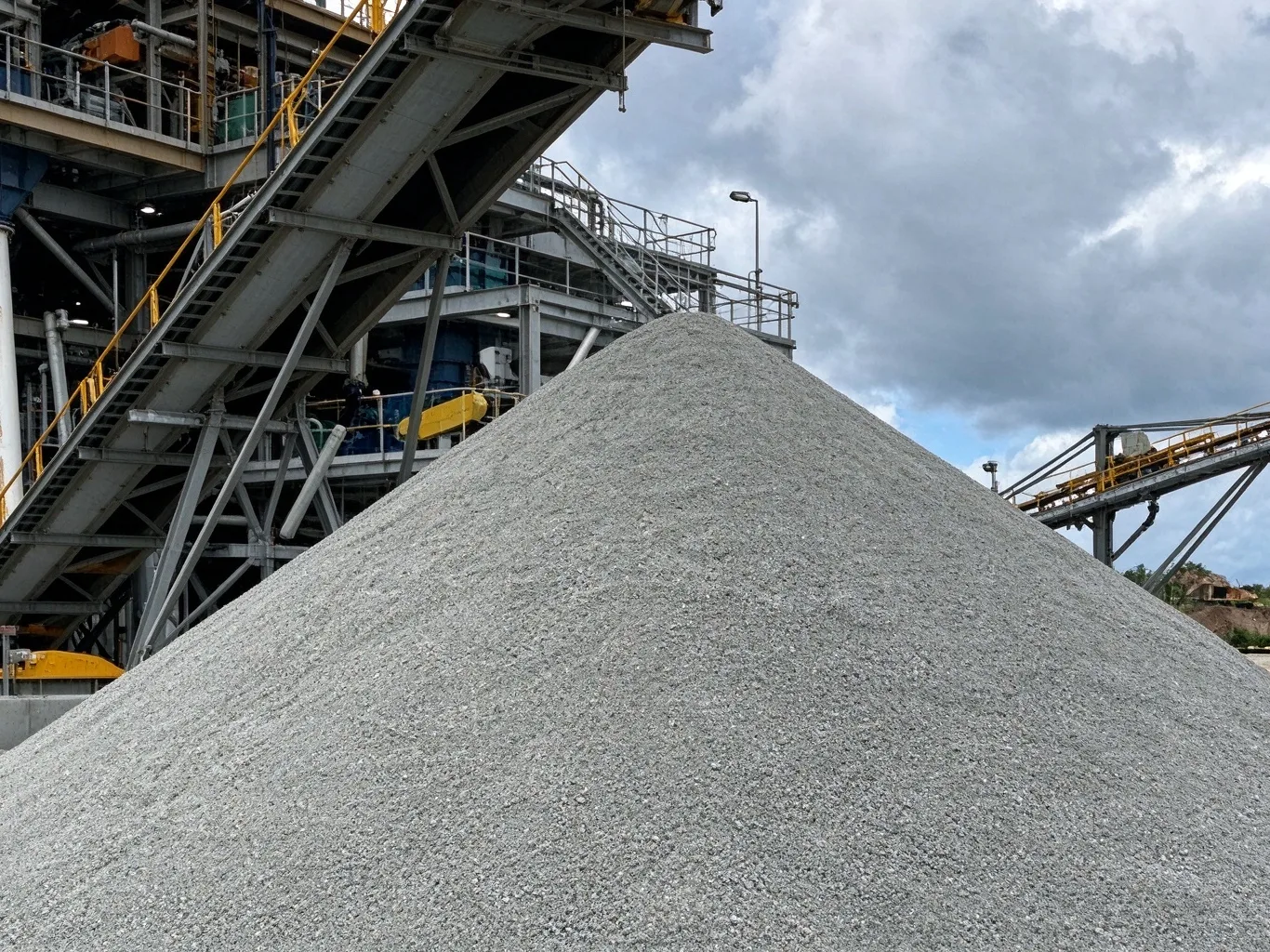
Building Materials
Common materials include cement, lime powder, gypsum, and calcium carbonate. The enclosed pipeline helps control dust and transfer fine powders between production processes.
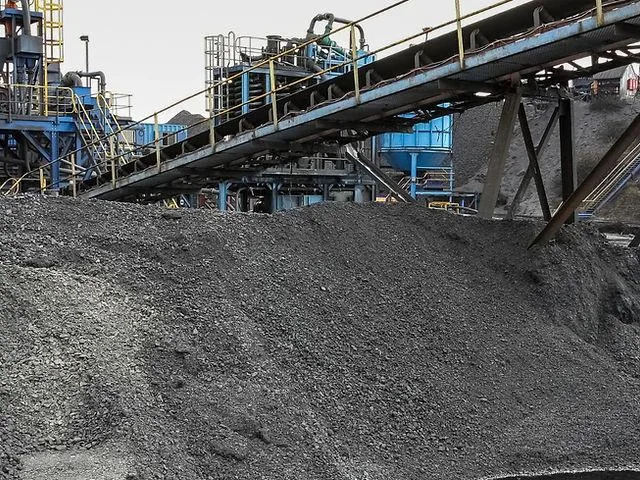
Port & Logistics
Common materials include grain, feed pellets, fertilizer granules, and bulk powders. Flexible pipeline layouts allow materials to be transferred between storage silos, hoppers, and processing equipment.
For installation planning, review OSHA machine guarding requirements for rotating parts and ingoing nip points.
CONTACT US
Not sure your product will pass the bends?
Provide material properties and the route. Agree sample quantity, trial conditions, acceptable coating and breakage, and disc-clearance criteria before sending material.
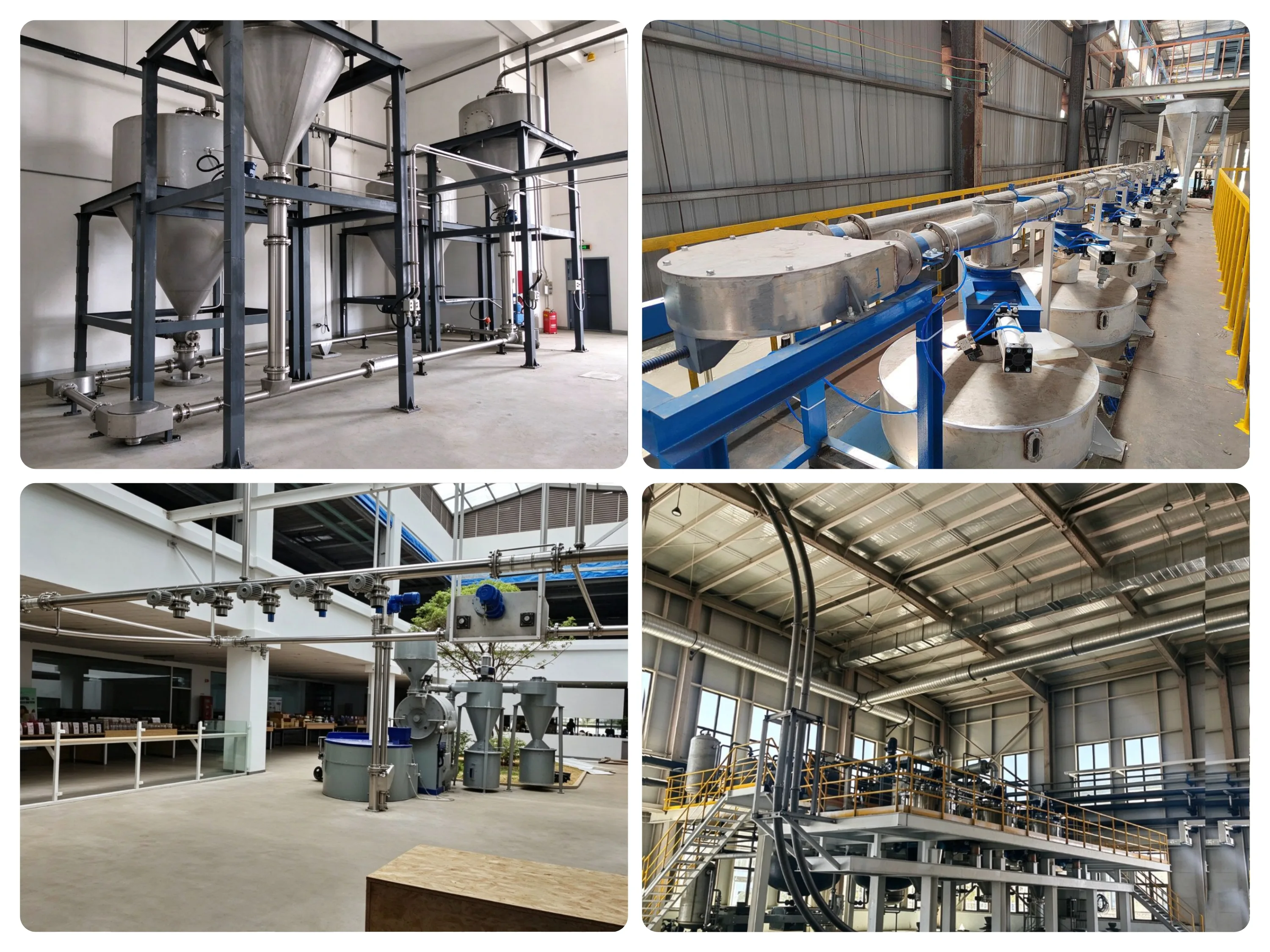
Customer Site
About GUO FENG
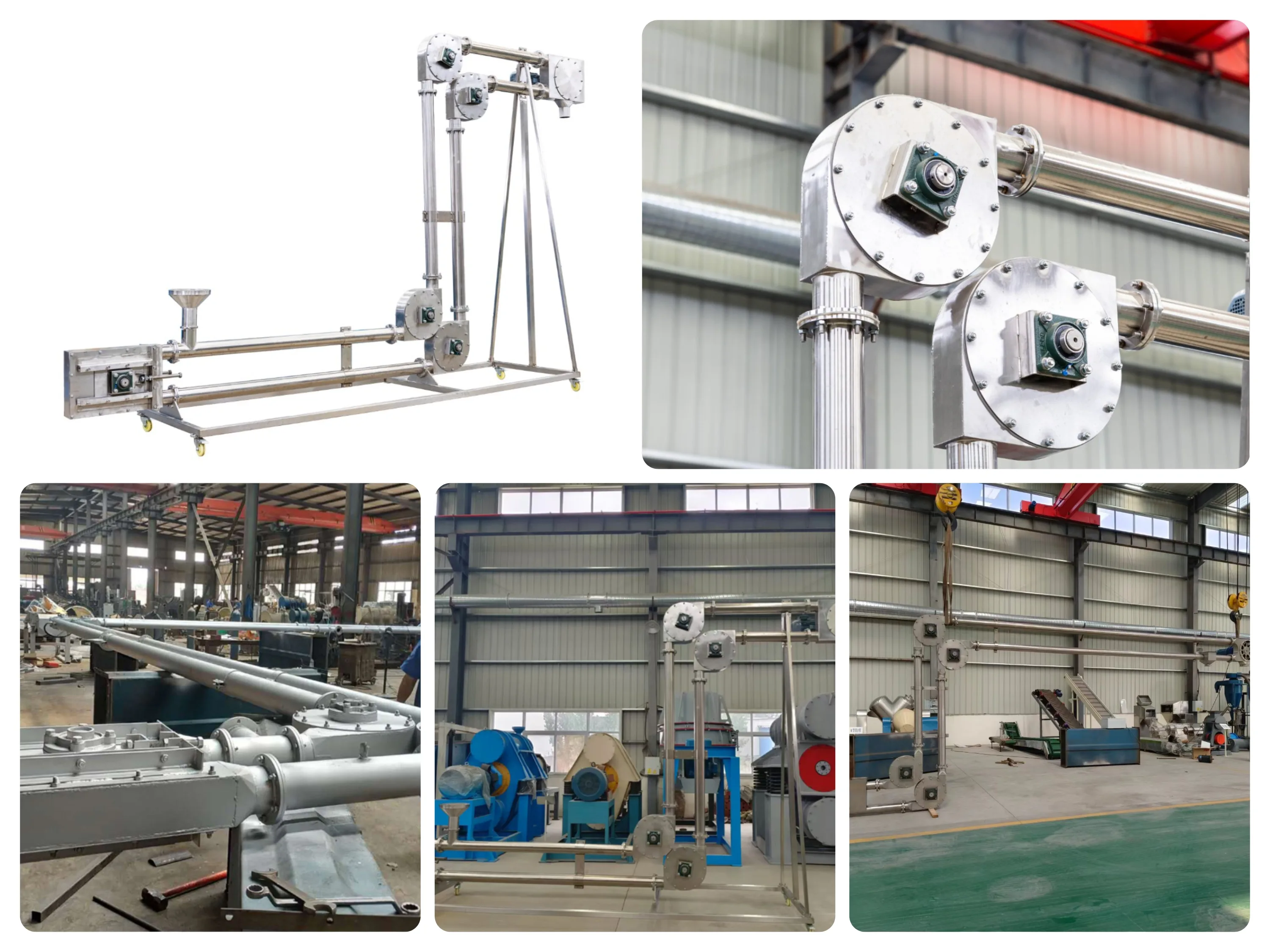
GUO FENG was founded in 1999 and has extensive experience in bulk material handling equipment manufacturing. The company has its own production base with CNC machining equipment and a professional production team, covering equipment design, parts manufacturing, welding, assembly, and quality inspection. The TC tubular chain conveyor comes in eight tube sizes with carbon steel, 304, or 316L tubes and a choice of chain, disc, and gate. With a complete quality management system and related certifications, GUO FENG provides customized equipment solutions, material testing, technical guidance, and pre-delivery inspection.
Tubular Chain Conveyor Route and Performance Basis
A tubular chain conveyor must be sized for the complete loaded route, including lift, bends, disc clearance, feed and discharge points. A listed series capacity or maximum route length is not a guarantee that both limits can be achieved together.
Agree the material, bulk density, particle distribution, moisture, route and product-quality criteria for a representative trial. Confirm chain and disc materials, allowable temperatures, wear limits, cleaning requirements, supply scope and delivery schedule for the selected configuration.
FAQ
How far can a tubular chain conveyor run?
The listed reference route length is up to 60 m per unit. Permitted lift and bends depend on material, chain load, drive and layout. Confirm the complete route in the quotation rather than adding an independent maximum lift to the maximum length.
Can it replace a screw conveyor or a pneumatic line?
A tubular chain conveyor may be an alternative after comparing material suitability, route, required output, product damage, cleaning, power and maintenance. Distance or nominal capacity alone does not establish replacement suitability or cost.
How do I choose the tube diameter?
Choose tube diameter using particle size and shape, required volumetric rate, disc geometry and route resistance. The listed TC-150 and TC-200 capacity ranges are reference values; confirm the working fill and material duty for the proposed configuration.
What capacity does a DN150 tube handle?
TC-150 is listed at 8–25 t/h. The actual mass rate depends on bulk density, working fill, speed, lift and bends. Confirm the reference material and test route before converting that range to another powder.
Can it handle wet, sticky, or hot material?
Sticky or wet product can coat the tube and discs or accumulate at bends. Confirm material behaviour and continuous and peak temperatures for the complete configuration, including disc material, seals and chain. Stainless tube construction alone does not establish a high-temperature rating.
What drives the price, and what does the quote include?
Price depends on pipe size and route, chain and discs, drive, bends, gates, materials and controls. Request an itemized quotation with documentation, testing and delivery terms. Manufacturing lead time is confirmed for the agreed order.
How long do discs and chain last?
Disc and chain life depends on material, abrasiveness, clearance, temperature, route and operating hours. Inspect wear, tension and performance under the supplied maintenance plan. Use the approved dimensional limits and replacement criteria for the installed components.
How is it installed, and what maintenance does it need?
Confirm supports, drive location, pipe alignment, inlet and outlet connections and maintenance access against the installation drawing. Agree commissioning and site responsibilities separately. Routine checks include chain tension, disc wear, joints, gates and protective devices; isolate all energy sources before maintenance.