
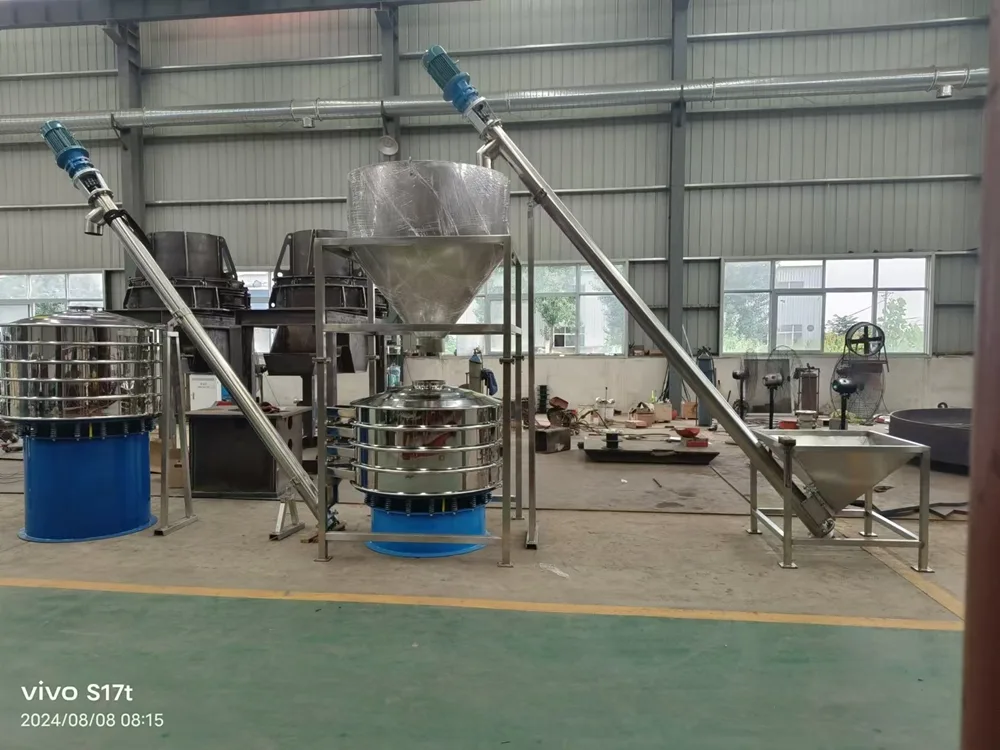
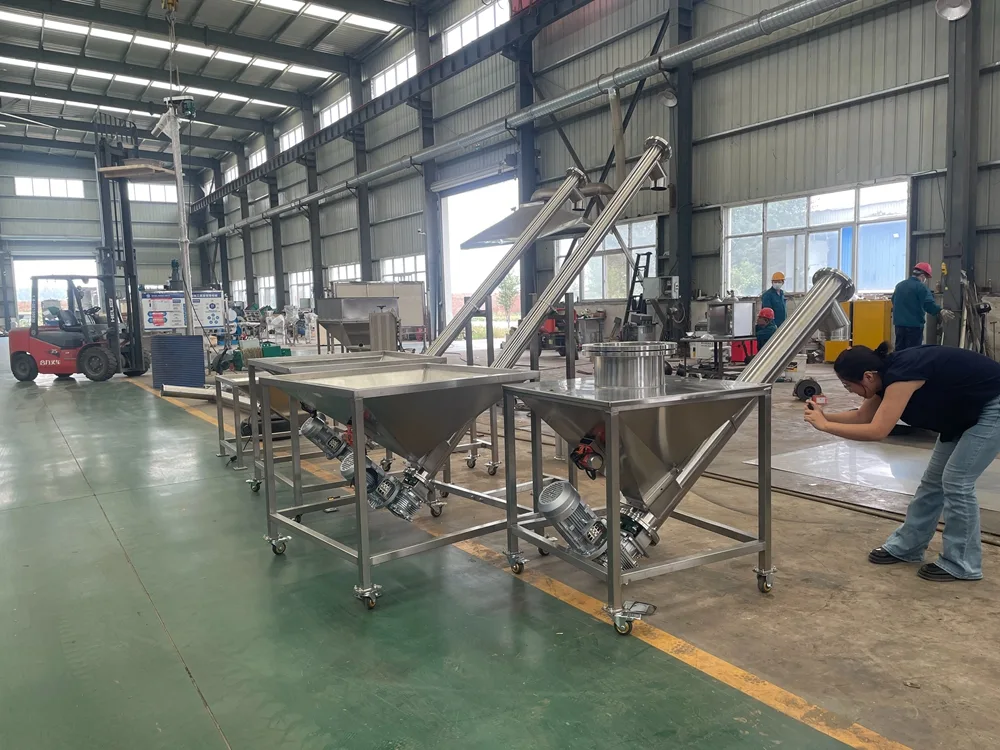
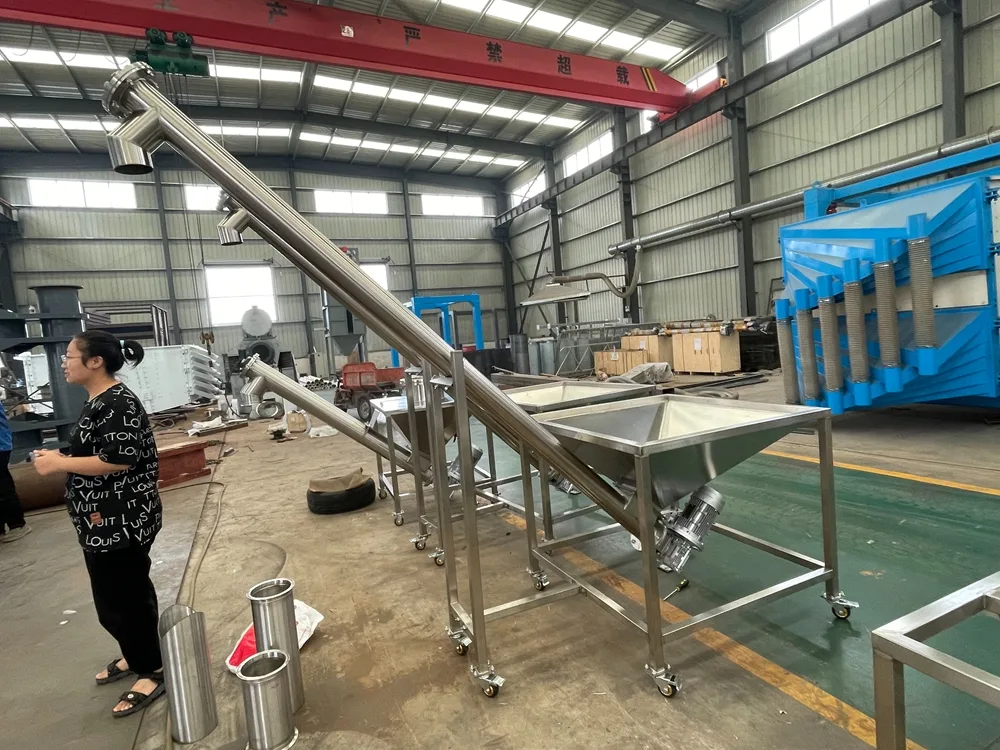
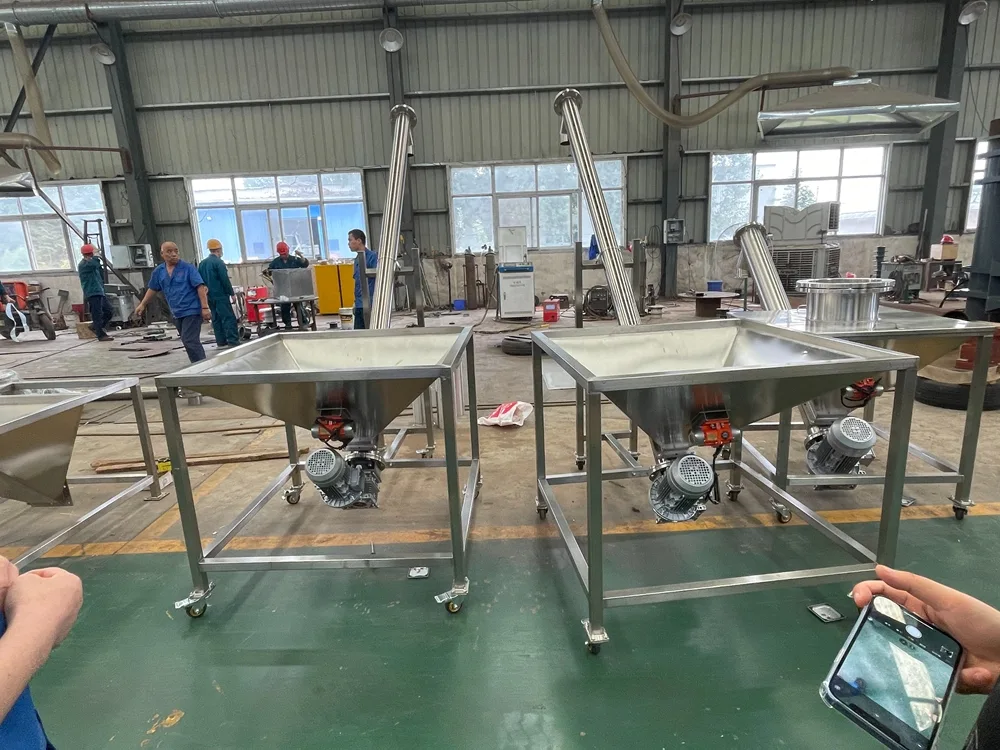
What Is a GX or LS Screw Conveyor?
A screw conveyor, also known as an auger conveyor, is a common type of bulk material handling equipment. It uses rotating screw flights to move material through a trough or tubular casing, providing continuous conveying of powders, granules, and small lumps.
Both GX and LS models are shafted screw conveyors. The LS series is an improved design developed from the GX series. These conveyors are commonly used to transfer material between silos, feeders, mixers, and other production equipment, connecting different stages of a production process.
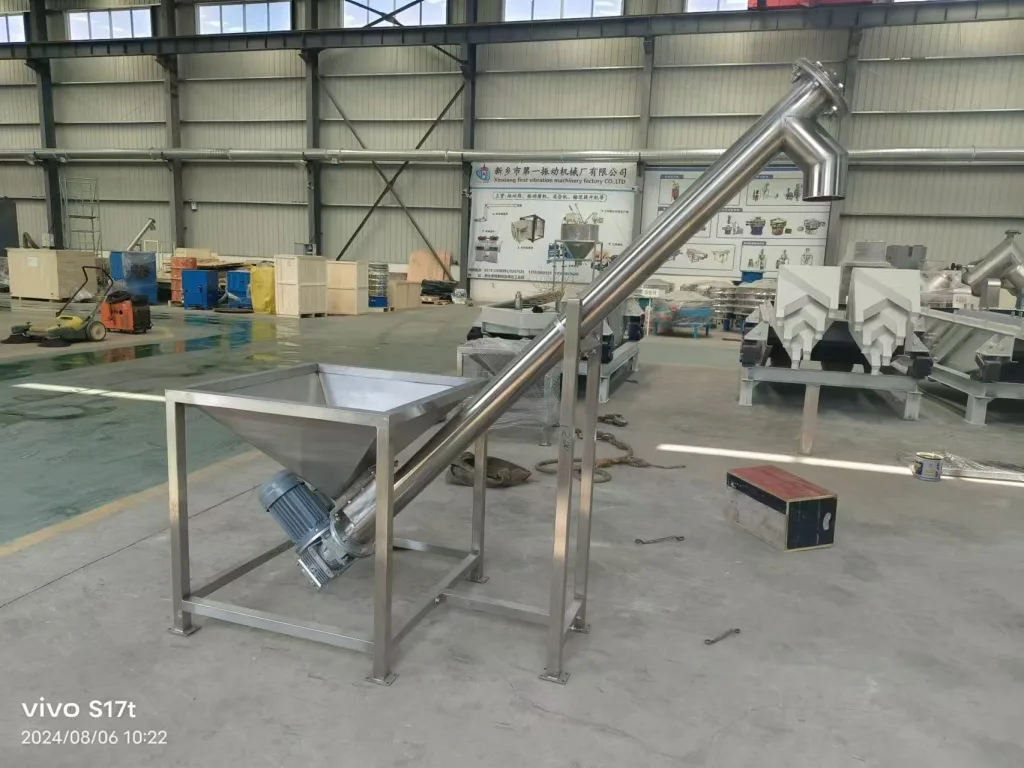
How GX and LS Screw Conveyors Work
The drive unit rotates the screw shaft, causing the screw flights to move material along the conveyor axis. The combined effects of the rotating flights, gravity, and the conveyor casing move material toward the discharge end for continuous transfer.

1. Feeding
Material enters the conveyor through the inlet.
2. Conveying
The drive unit rotates the shaft and screw flights, moving material along the conveying path.
3. Discharge
Material leaves through the outlet and moves to the next stage of production.

| Component | Function |
|---|---|
| Drive unit | Provides rotational power for the conveyor. |
| Screw shaft | Supports the screw flights and transmits power. |
| Screw flights | Move material in the conveying direction. |
| Inlet | Allows material to enter the conveyor. |
| Conveyor casing | Contains the material and screw assembly and defines the conveying path. |
| Intermediate hanger bearings | Support longer screw shafts and reduce shaft deflection. |
| Outlet | Allows material to discharge from the conveyor. |
Intermediate hanger bearings are fitted where required by the conveyor length and structural design. They are not necessary on every model.
GX vs LS Screw Conveyors
GX and LS conveyors both use a shaft and rotating screw flights to convey material. The GX series is a traditional general-purpose design, while the LS series is an updated version. Their main differences are in structural design and bearing arrangement.
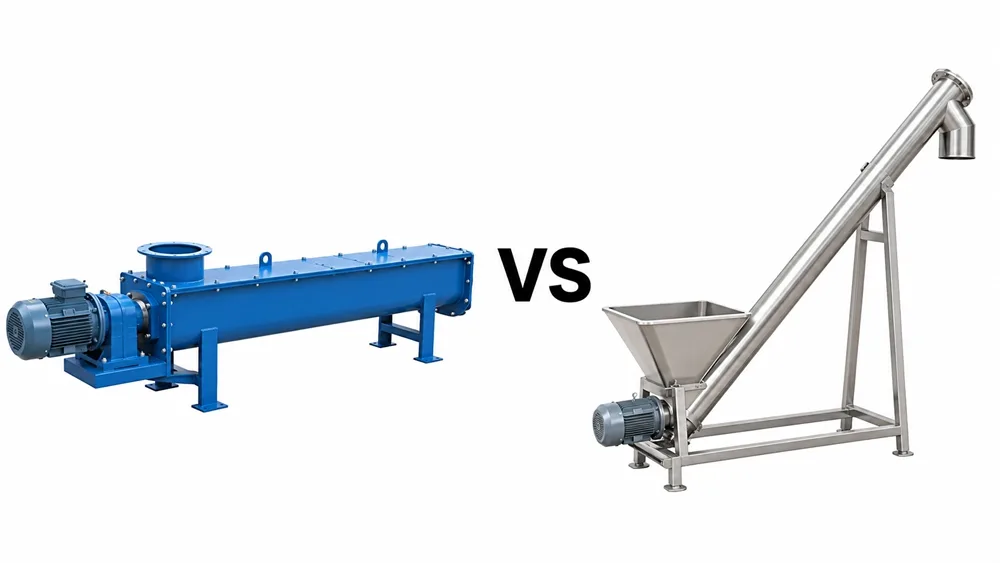
| Comparison | GX Screw Conveyor | LS Screw Conveyor |
|---|---|---|
| Product design | Traditional general-purpose series | Updated series developed from the GX design |
| End bearings | Traditional designs generally use internally mounted end bearings | Typical designs use externally mounted end bearings |
| Intermediate hanger bearings | Uses intermediate supports suited to the design | May use rolling-element or plain hanger bearings |
| Dust sealing | Uses seals suited to the bearing arrangement | May use an improved dust seal design |
| Discharge end | Conventional discharge arrangement | Some designs include a cleaning device |
| Maintenance | Maintenance requirements depend on the bearing and seal design | External end bearings provide easier access for inspection and maintenance |
| Model range | GX200, GX250, GX300, GX400, GX500 | LS100–LS1250 |
Note: Bearing, seal, and discharge arrangements may vary between models. The final configuration depends on the selected model and actual operating conditions.
Choosing Between GX and LS
Choose LS
Choose LS for a new production line when a wider range of screw diameters is needed. Select the model according to the required conveying capacity and site conditions.
Consider GX
Consider GX when replacing an existing GX conveyor or matching the installation dimensions and connections of an existing production line.
For inclined or vertical conveying, calculate conveying capacity, drive power, and structural requirements for the actual installation angle.
Key Features of GX and LS Screw Conveyors
Continuous Material Transfer
The screw flights rotate continuously to move material along the conveyor, supporting the continuous transfer of powders, granules, and small lumps within a production line.
A Range of Sizes
Screw diameters range from 100 to 1250 mm, with different screw pitches and rotational speeds available. Models can be selected according to material characteristics, production capacity, and conveying distance.
Enclosed Construction
Material moves within a trough or tubular casing. This helps reduce material spillage and dust dispersion during conveying and keeps the production area cleaner.
Flexible Installation
The conveyor orientation and inlet and outlet positions can be arranged to suit site conditions, allowing connection to silos, feeders, mixers, and other production equipment.
Screw Conveyor Applications
GX and LS screw conveyors are primarily used to convey powders, granules, and small lumps of bulk material. Applications include cement, building materials, mining, metallurgy, chemicals, power generation, grain processing, and fertilizer production.
Cement and Building Materials
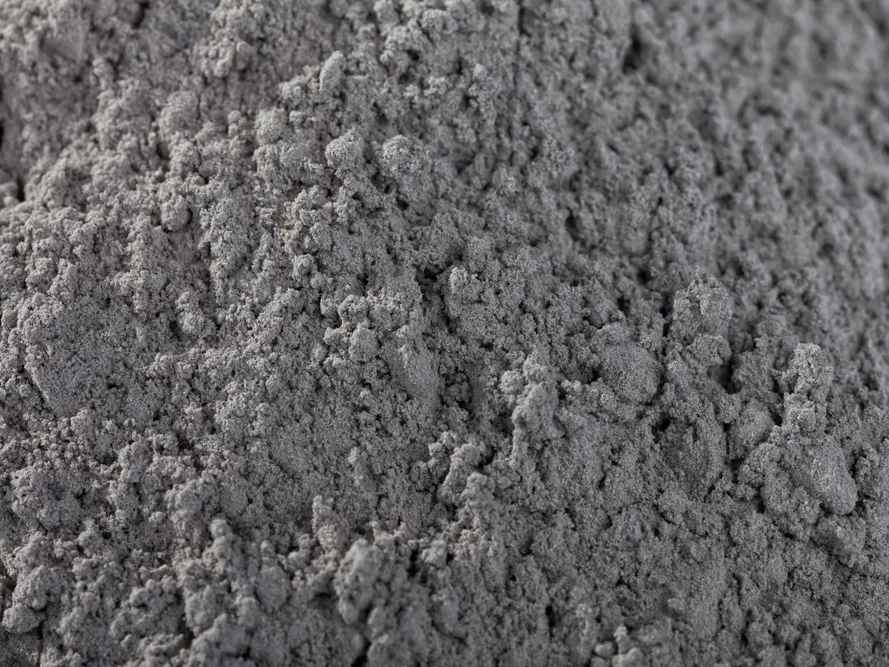
Used to convey cement, fly ash, lime powder, sand, and other raw materials for building materials production. Common applications include cement production lines, batching systems, and material transfer operations.
Mining and Metallurgy
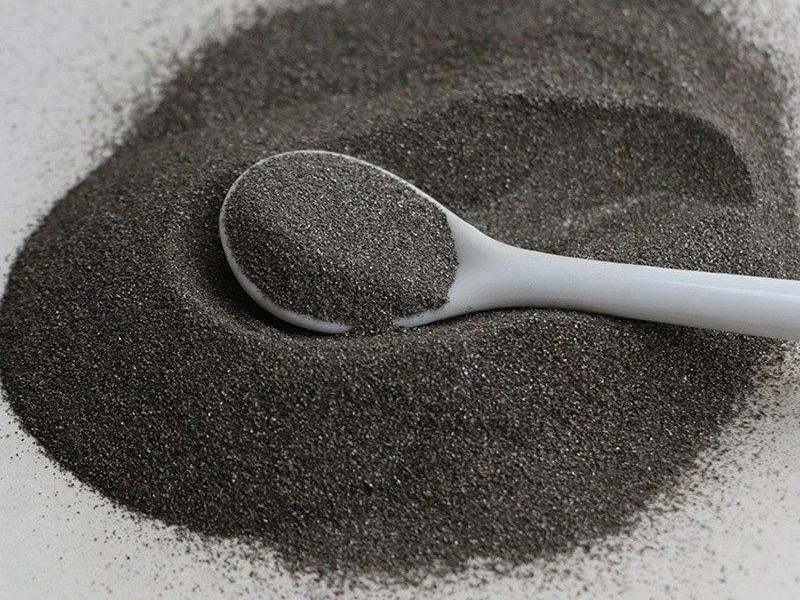
Used to convey mineral powders, ore fines, and other suitable bulk materials in mineral processing and metallurgical production lines.
Chemical Processing
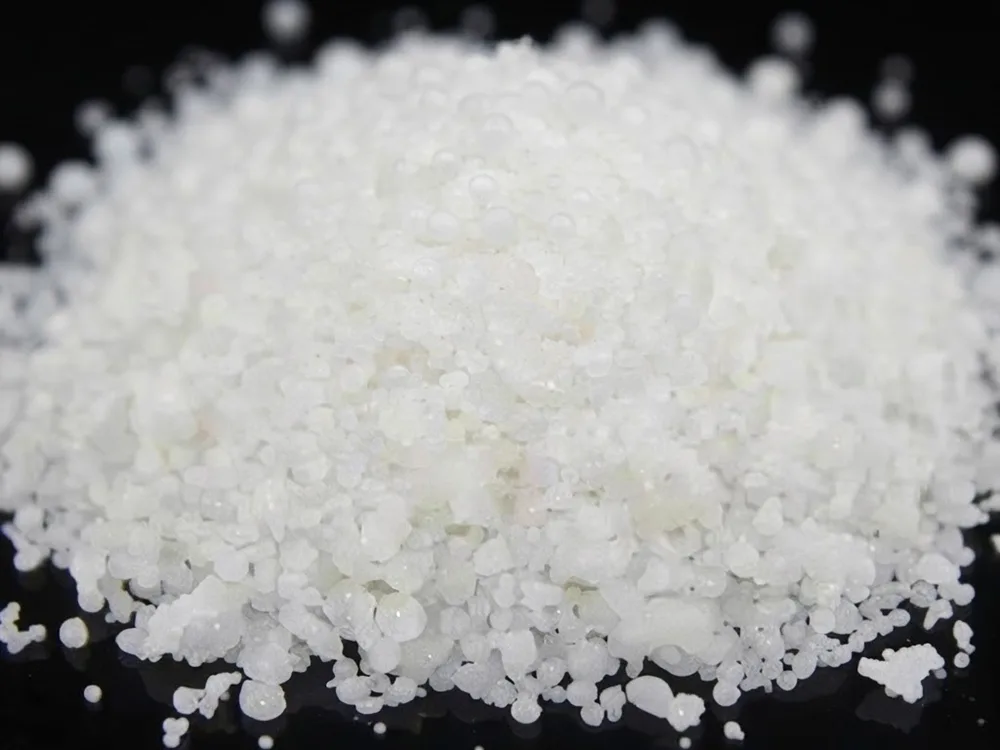
Used to transfer chemical powders, granular raw materials, and other suitable chemical materials between stages of a production process.
Power Generation
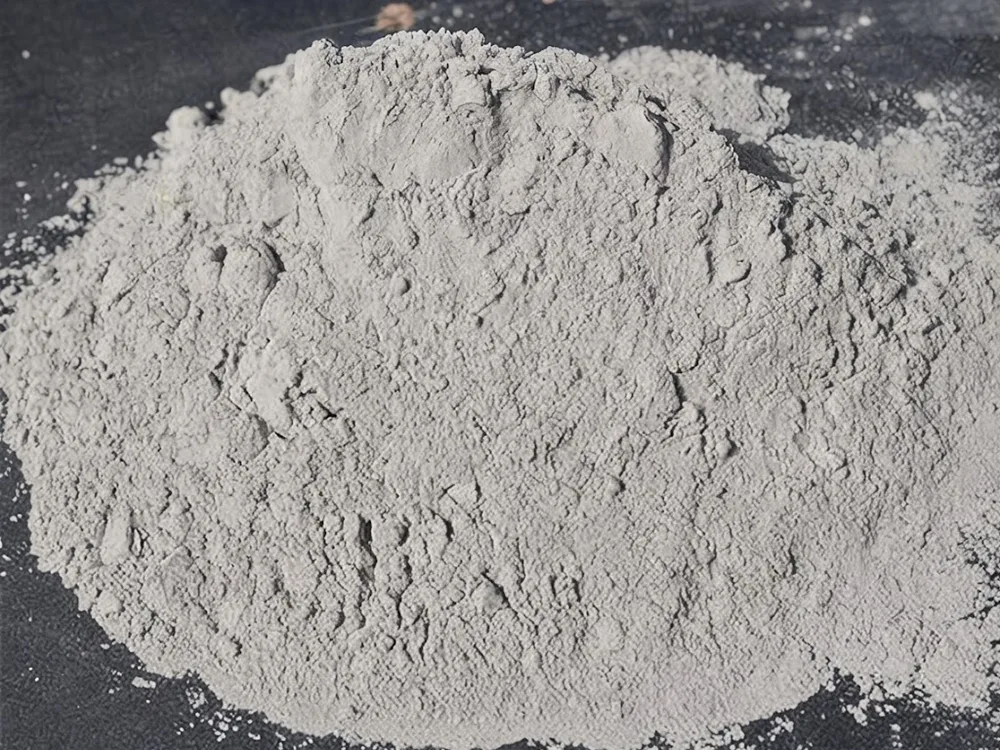
Used to convey pulverized coal, fly ash, and other powdered materials in power plant material handling and ash handling systems.
Grain Processing
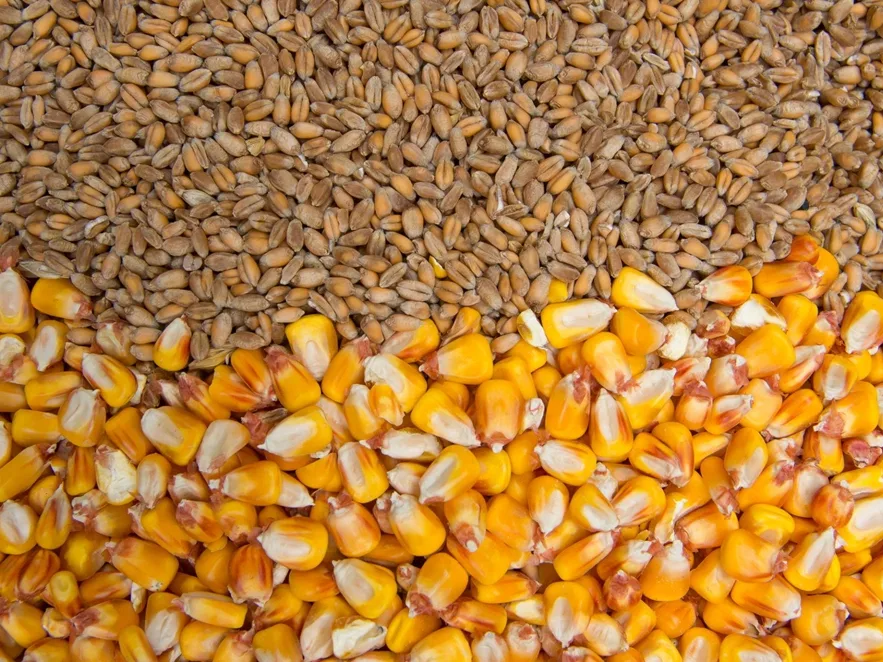
Used to convey wheat, corn, and other grains during processing, storage, and transfer.
Fertilizer Production

Used to convey fertilizer granules, powdered fertilizer ingredients, and other suitable materials in fertilizer production and batching systems.
Selection note: Highly sticky materials, materials prone to caking, and materials that can wrap around the shaft may cause buildup or blockages in a conventional shafted screw conveyor. The conveying design should be selected according to the material characteristics.
GX and LS Screw Conveyor Technical Specifications
GX and LS screw conveyors are available in multiple models, with screw diameter, pitch, and rotational speed varying by model to suit different materials and conveying requirements.
| LS Model | GX Model | Screw Diameter (mm) | Screw Pitch (mm) | Conveying Distance (m) | Speed (rpm) | Capacity (m³/h) |
|---|---|---|---|---|---|---|
| 100 | — | 100 | 100 | 1–30 | 90–140 | 1.9 |
| 160 | — | 160 | 160 | 1–30 | 75–120 | 5.7 |
| 200 | 200 | 200 | 200 | 1–30 | 60–90 | 9.3 |
| 250 | 250 | 250 | 250 | 1–30 | 60–90 | 18 |
| 315 | 300 | 315 | 315 | 1–30 | 45–75 | 29.1 |
| 400 | 400 | 400 | 355 | 1–30 | 45–75 | 52.9 |
| 500 | 500 | 500 | 400 | 1–30 | 35–60 | 69.8 |
| 630 | — | 630 | 450 | 1–30 | 35–60 | 125 |
| 800 | — | 800 | 500 | 1–30 | 30–45 | 174 |
| 1000 | — | 1000 | 560 | 1–30 | 20–35 | 261 |
| 1250 | — | 1250 | 630 | 1–30 | 16–30 | 305 |
Specification Notes
- The listed capacities are reference volumetric conveying rates calculated using a fill factor of φ = 0.33.
- Actual capacity depends on bulk density, particle size, moisture content, and material flowability. Final values must be determined for the material and operating conditions.
- Conveying distance, screw speed, and drive configuration should be matched to the model and actual conveying requirements.
- A dash (—) indicates that no corresponding GX model is listed for that size.
Custom Screw Conveyor Configurations
GX and LS screw conveyors can be configured to suit material characteristics, conveying distance, and installation conditions. Where a standard model does not fully meet project needs, equipment dimensions, inlet and outlet connections, and other configurations can be adjusted to suit the production line layout and operating requirements.
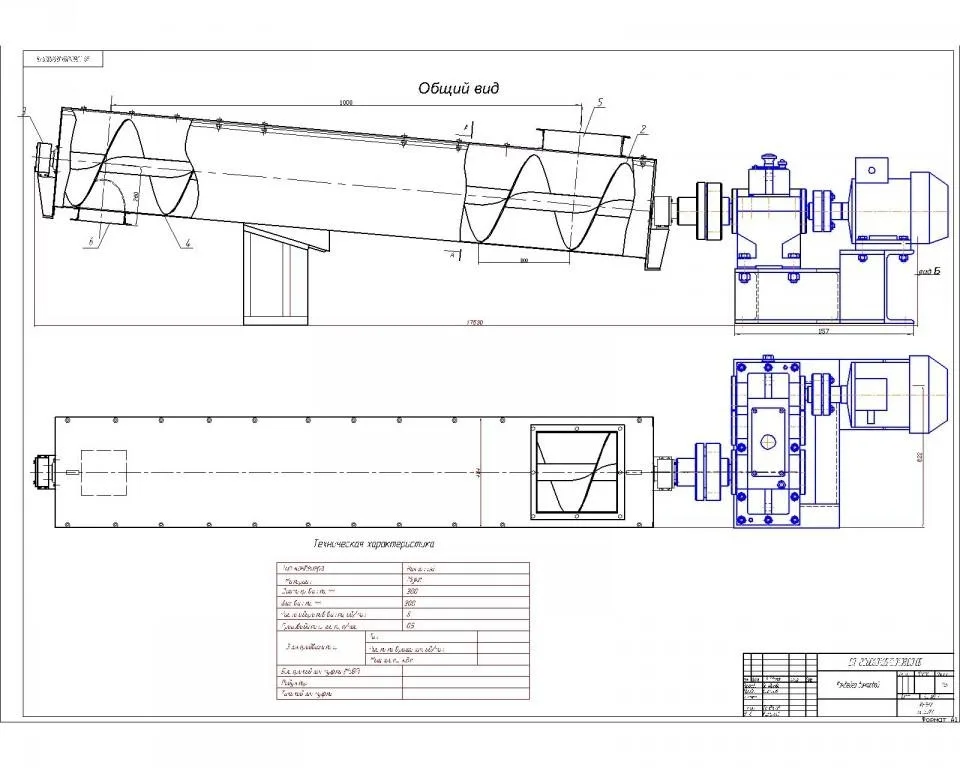
Available Configuration Options
| Configuration | Details |
|---|---|
| Conveyor length | Determined by the required distance and equipment layout. |
| Screw specifications | Screw diameter and pitch selected according to conveying capacity and material characteristics. |
| Inlet and outlet connections | Designed to match the positions and connection dimensions of upstream and downstream equipment. |
| Installation arrangement | Horizontal, inclined, or vertical layouts, according to site conditions. |
| Material contact parts | Suitable construction materials selected according to the conveyed material and working environment. |
| Drive configuration | Motor and gearbox matched to conveying distance, material characteristics, and operating load. |
Information to Provide for a Custom Conveyor
When requesting a quotation, please provide the following information so we can understand your project requirements:
- Material: Material name, particle size, and any special characteristics.
- Required capacity: The amount of material to be conveyed per hour, including the unit of measurement.
- Conveying distance: Required conveyor length and inlet and outlet locations.
- Installation conditions: Horizontal, inclined, or vertical arrangement and available site space.
- Connection requirements: Inlet and outlet positions and dimensions.
- Other requirements: Operating temperature, construction materials, and any special operating conditions.
If complete technical information is not yet available, you can start by sharing material details, basic conveying requirements, or site photos. We will work with you to confirm the conveyor specifications and configuration as more information becomes available. Production line layouts and drawings of existing equipment connections are also helpful.
Why Choose GUOFENG?
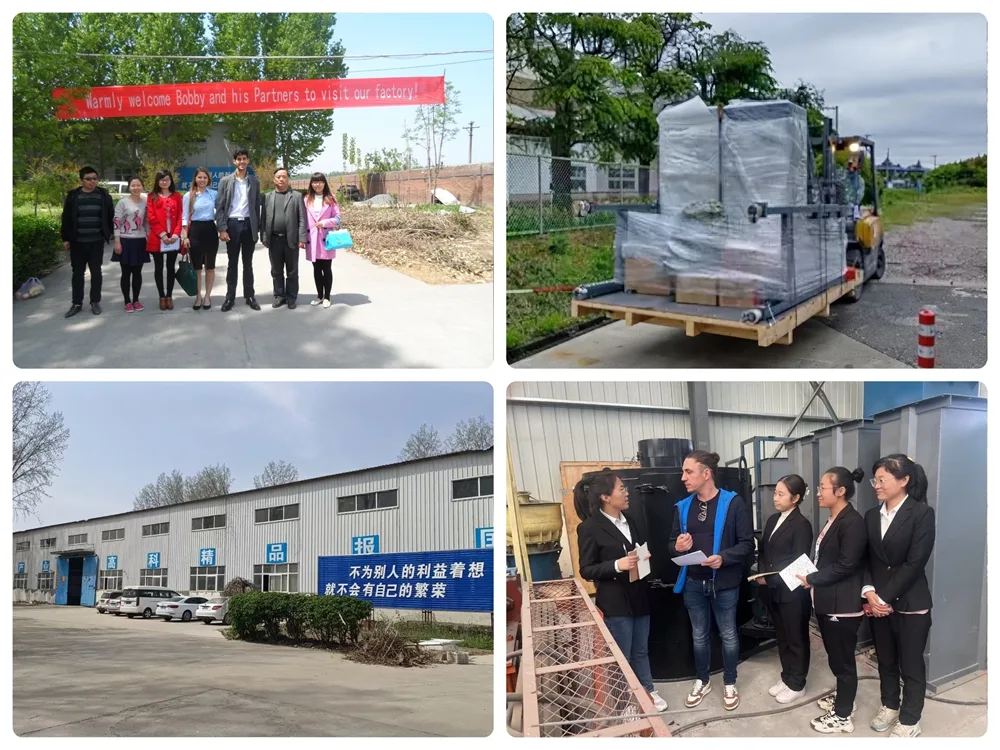
Since its establishment in 1999, GUOFENG has focused on machinery production and manufacturing. With our own production facility and machining equipment, we have in-house capabilities in machining, welding, component manufacturing, and complete equipment assembly. When manufacturing GX and LS screw conveyors, we pay close attention to the quality of the screw shaft, flights, and overall structure. We also recommend equipment sizes and configurations based on the material and conveying conditions.
Conveyor length, installation arrangements, and inlet and outlet connections vary from project to project. We take time to understand your requirements and discuss the relevant technical details. Once production is complete, we carry out pre-shipment inspections and prepare the equipment with suitable packaging and protection for transport. If you encounter problems during installation or operation after delivery, please contact us. We will do our best to provide the technical support you need.
GX/LS Capacity Conditions and Installation Options
Compare GX and LS screw conveyors by their actual model dimensions and construction. A shared comparison row should not be used to assume identical diameters, bearings or installation details across both series.
The listed volumetric rates use a reference fill factor of 0.33. Confirm the corresponding speed, incline and material conditions before selecting the drive. For a receiving hopper and elevated outlet, see the inclined screw conveyor with hopper.
FAQ
What Affects the Actual Capacity of a Screw Conveyor?
Actual capacity depends on screw diameter, pitch, rotational speed, material bulk density, fill level, and installation angle. The values in the specification table are reference volumetric conveying rates. Final conveyor selection should be based on the material characteristics and operating conditions.
Can a Screw Conveyor Handle Wet Materials or Materials Prone to Caking?
Suitability depends on moisture content, stickiness, and flowability. Some wet materials can be conveyed, but material that adheres to the screw flights or casing may cause blockages. These characteristics should be assessed before selecting a conventional shafted screw conveyor.
Can GX and LS Screw Conveyors Operate at an Incline or Vertically?
Inclined and vertical screw conveyor configurations can be designed for the application. Different installation angles require different screw designs, rotational speeds, and drive configurations. Vertical conveying requires separate engineering calculations; horizontal rated capacities cannot be applied directly. The configuration should be determined according to the material and conveying requirements.
What Is the Maximum Conveying Distance?
The current standard specification range is 1–30 m. For longer distances, screw shaft strength, deflection, intermediate supports, and drive configuration must be evaluated before determining whether to use a single conveyor or a system with multiple conveyor sections.
What Commonly Causes a Screw Conveyor to Block?
Common causes include excessive material moisture, sticky buildup or caking, overfeeding, restricted discharge, and a screw design that does not suit the material. If a blockage occurs, check the material condition, inlet and outlet passages, and conveyor operation. Adjust the equipment configuration or operating conditions according to the cause.
Can GX and LS Screw Conveyors Be Customized?
Yes. GUOFENG can discuss conveyor length, screw specifications, inlet and outlet positions, installation arrangements, and drive configuration to suit your project. Please provide material details, required capacity, and the site layout so we can confirm the equipment specifications and configuration.