
We manufacture industrial mineral processing equipment for crushing, grinding, screening, feeding and conveying quartz, limestone, calcium carbonate and other mineral materials.
Equipment can be customized according to feed size, material hardness, target particle size and production capacity, with options for wear protection, dust containment and production line integration.
- Mineral Crushing & Fine Grinding
- Screening & Particle Size Classification
- Controlled Material Feeding
- Bulk Material Conveying
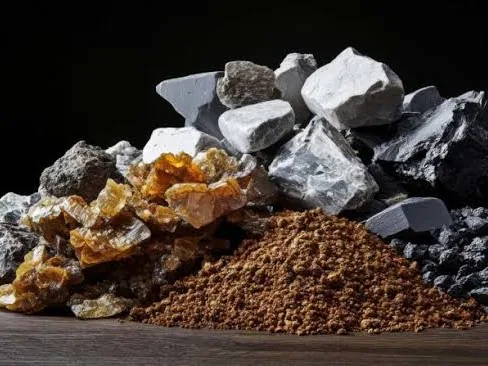
Industrial Minerals We Process
Our equipment covers the processing of industrial minerals in lump, granular and powder forms. Equipment configurations are based on material hardness, abrasiveness, moisture content and finished product specifications.
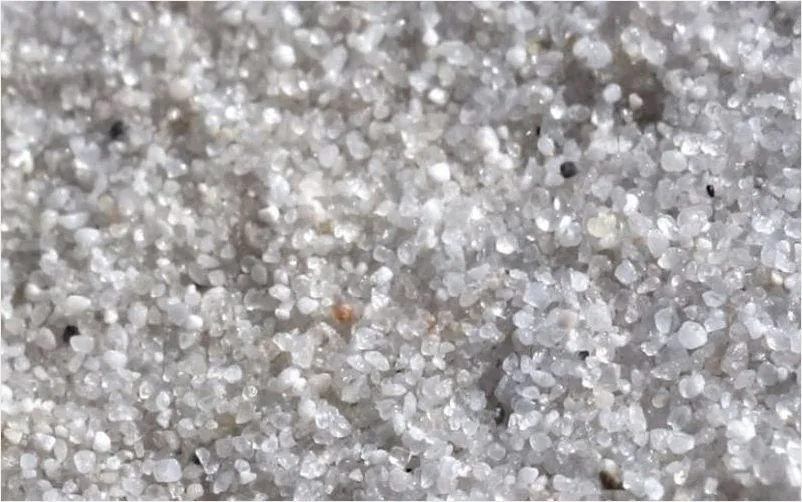
Quartz and Silica Sand
Crushing, grinding and particle size classification for glass, ceramics, foundry and industrial filler applications.
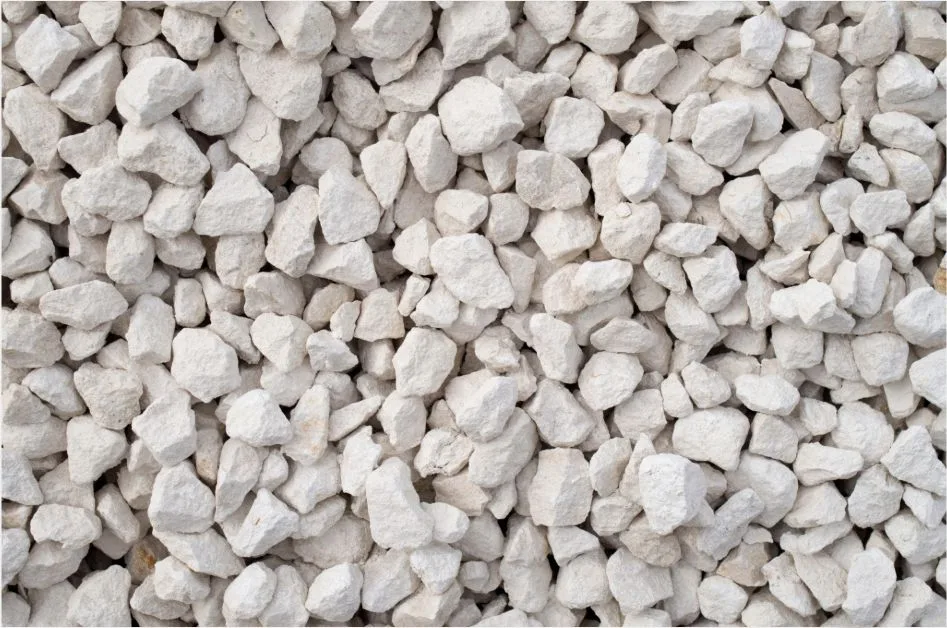
Limestone
Raw material crushing, particle size reduction and screening for construction materials and mineral powder production.
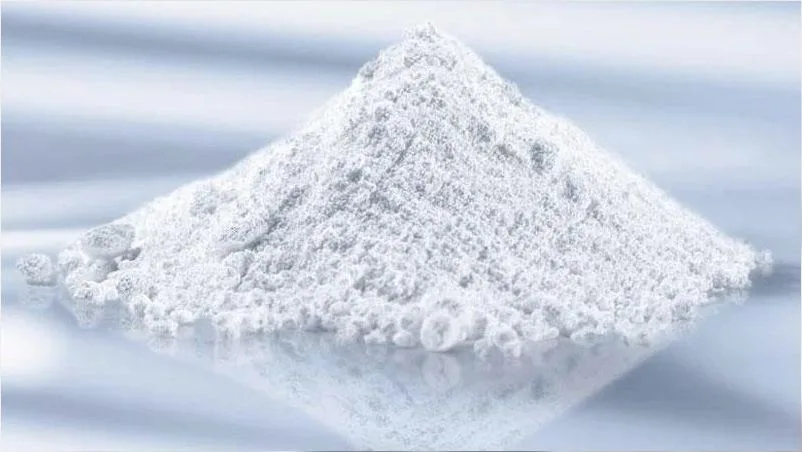
Calcium Carbonate
Fine grinding, oversized particle removal and powder handling for industrial filler production.
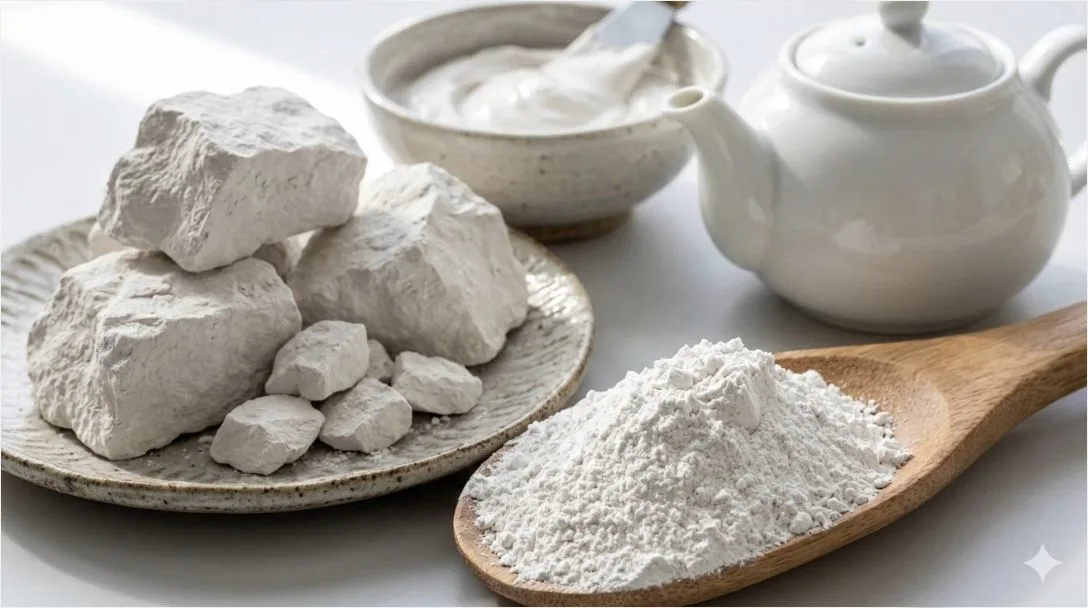
Kaolin
Grinding, fine screening and powder conveying for ceramic, paper and industrial applications.

Talc
Fine powder grinding and screening, with equipment selected according to particle morphology and required fineness.
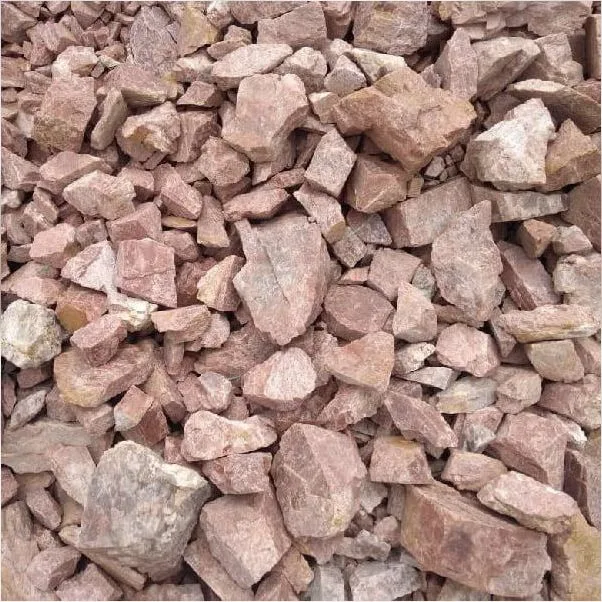
Feldspar
Crushing, grinding and particle grading for ceramic, glass and other mineral processing applications.
Challenges in Industrial Mineral Processing
Industrial mineral processing requires consistent feed rates, controlled particle size and reliable equipment operation. Material hardness, abrasiveness and moisture content directly affect grinding performance, screening efficiency and equipment wear.
Variable Feed Particle Size
Inconsistent feed size can affect grinding efficiency and equipment loading. Crushing, preliminary screening and controlled feeding help maintain suitable feed conditions.
Abrasive Material Wear
Quartz, silica sand and other abrasive minerals can accelerate wear on crushing, grinding and conveying components. Suitable wear-resistant materials help reduce component replacement frequency.
Particle Size Consistency
Grinding and screening equipment must be configured according to the required particle size distribution, oversize limits and finished product specifications.
Dust and Material Handling
Mineral crushing, grinding and transfer can generate airborne dust. Enclosed equipment, sealed transfer points and suitable dust extraction systems help reduce material leakage and worker exposure.
Industrial Mineral Processing Flow
Industrial mineral processing systems can combine crushing, controlled feeding, grinding, screening and material conveying. Each processing stage is configured according to raw material properties and finished product requirements.
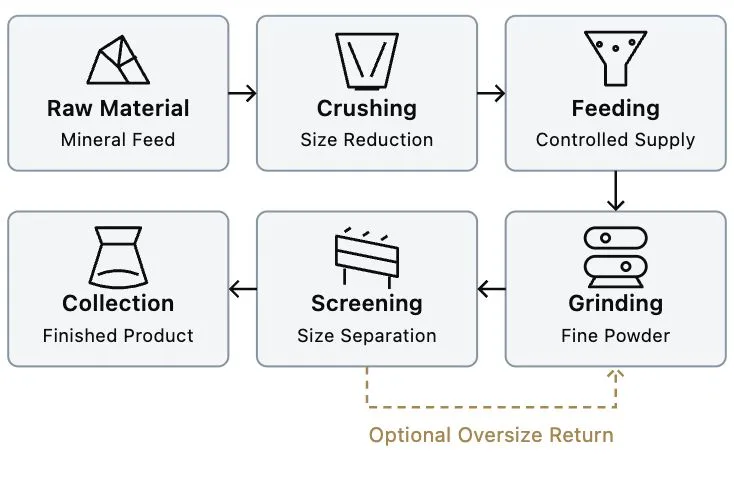
Typical mineral powder processing flow with an optional oversize return circuit.
| Processing Stage | Function | Recommended Equipment |
|---|---|---|
| Crushing | Reduce large mineral particles | Industrial Crusher |
| Feeding | Maintain a controlled feed rate | Vibrating Feeder |
| Grinding | Reduce particle size to the required fineness | Vibration Mill |
| Screening | Remove oversized particles and separate size fractions | Vibrating Screen, Tumbler Screen |
| Conveying | Transfer materials between processing stages | Belt Conveyor, Screw Conveyor |
| Elevating | Lift materials to elevated processing equipment | Bucket Elevator |
Crushing, grinding and oversize return stages are configured as required. Applications requiring very fine particle classification may need additional classification equipment.
Equipment for Industrial Mineral Processing
Guofeng supplies mineral crushing, grinding, screening and bulk material handling equipment for different stages of industrial mineral processing. Our equipment configurations are based on material properties, processing capacity and installation requirements.
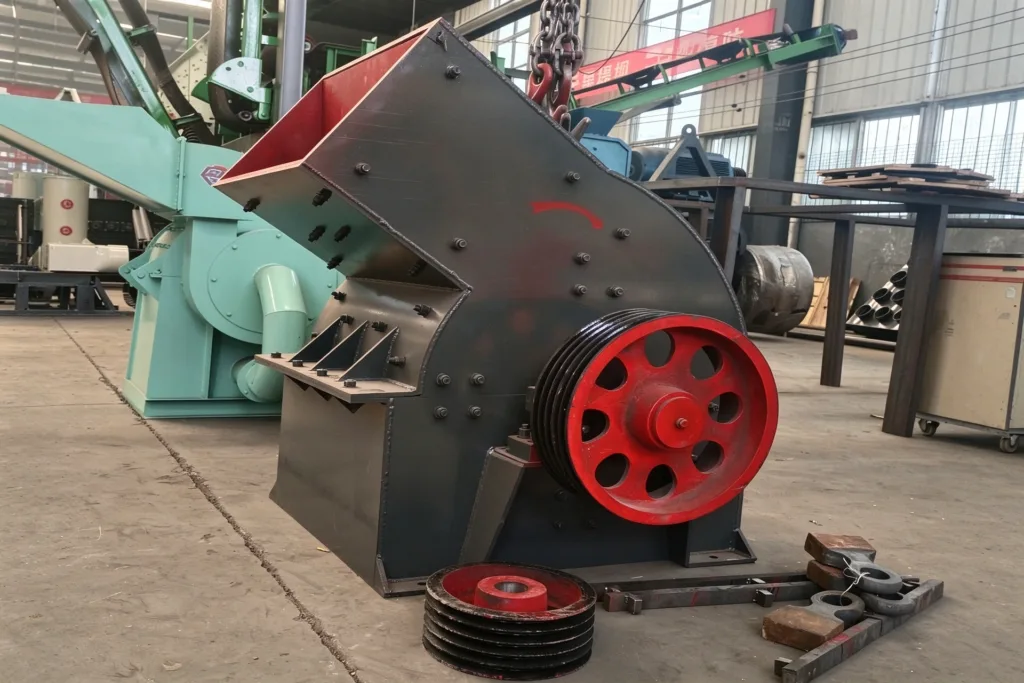
Industrial Crusher
Reduces large mineral particles to a suitable feed size for subsequent grinding, screening or material handling.
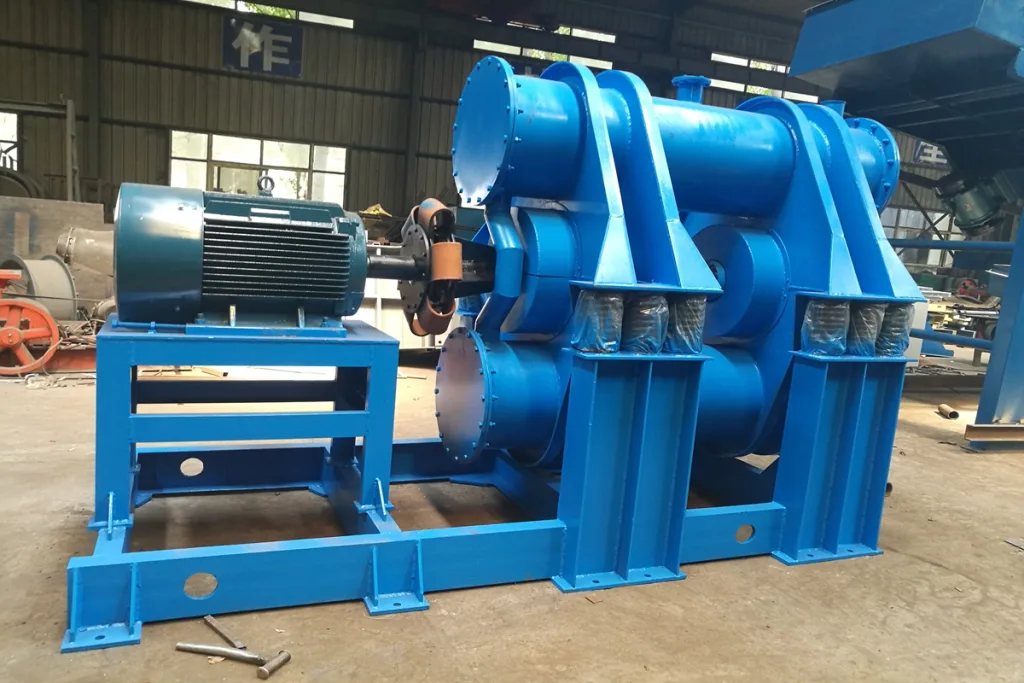
Vibration Ball Mill
Reduces mineral particle size through the impact and attrition of vibrating grinding media, with configurations for different grinding requirements.
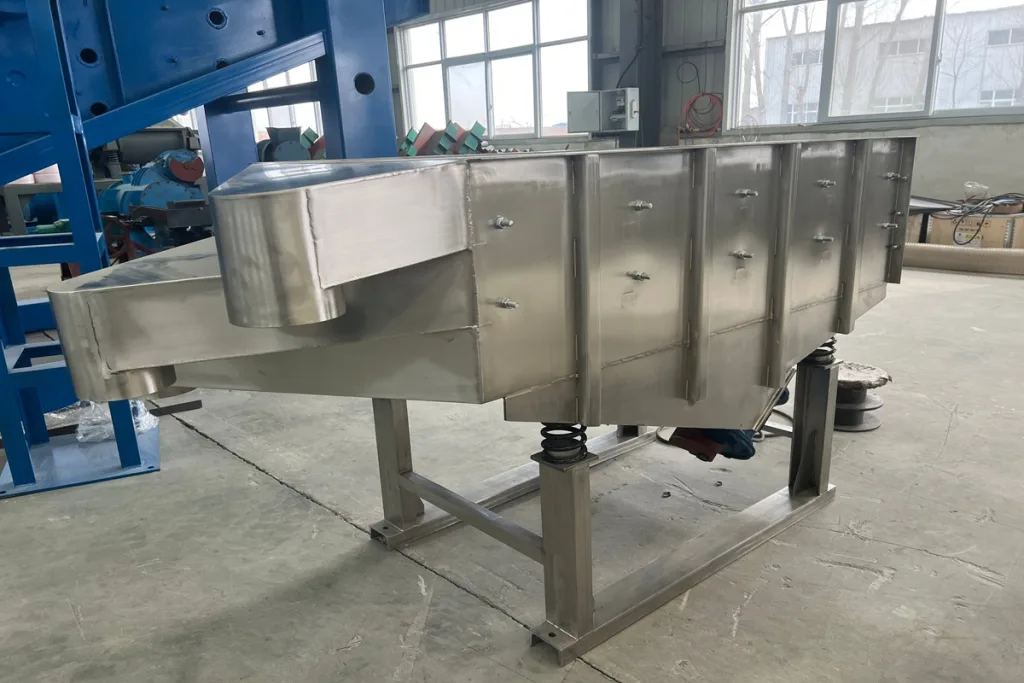
Linear Vibrating Screen
Provides continuous particle size separation and multi-stage grading of mineral powders and granular materials.
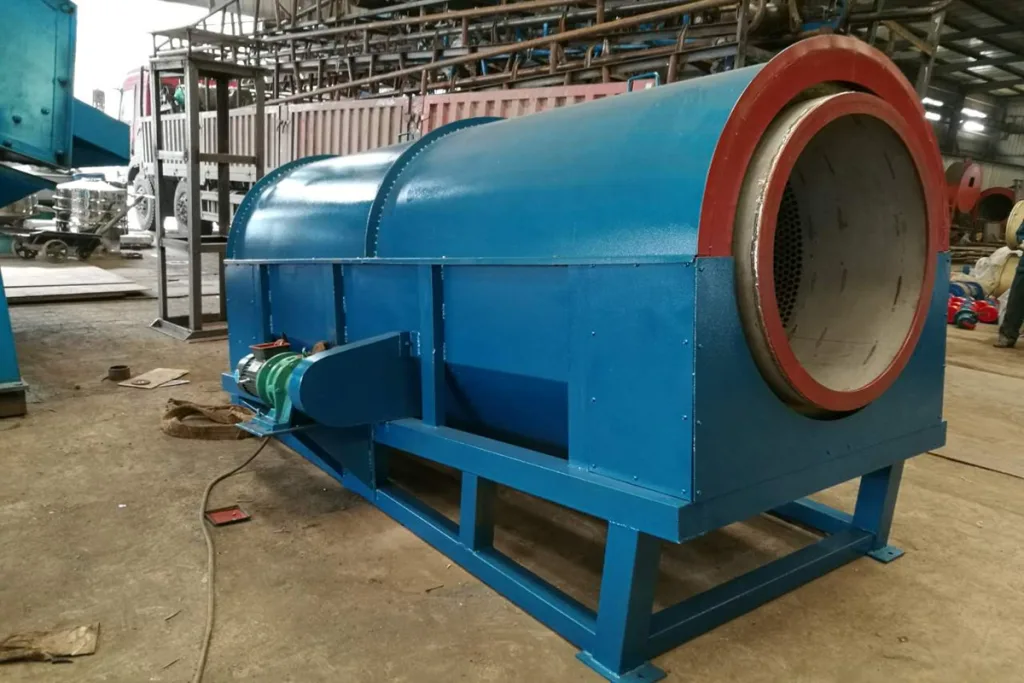
Trommel Screen
Suitable for preliminary screening, coarse particle separation and grading of compatible bulk mineral materials.
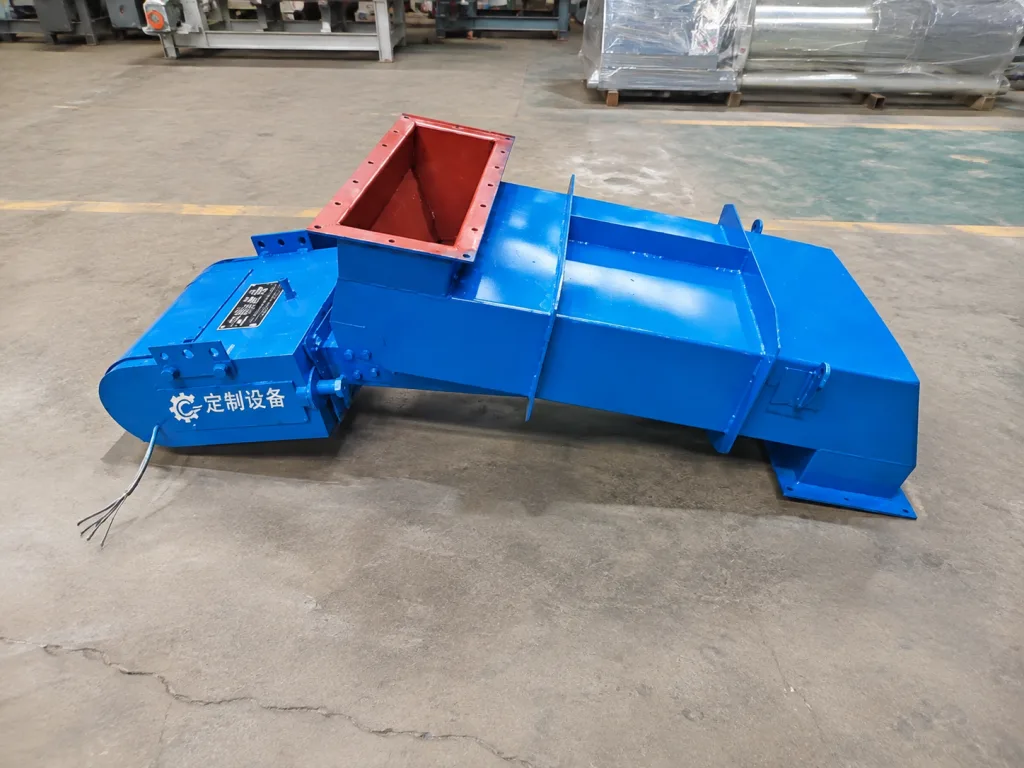
Vibrating Feeder
Delivers a controlled material feed to crushers, grinding mills, screens and downstream processing equipment.
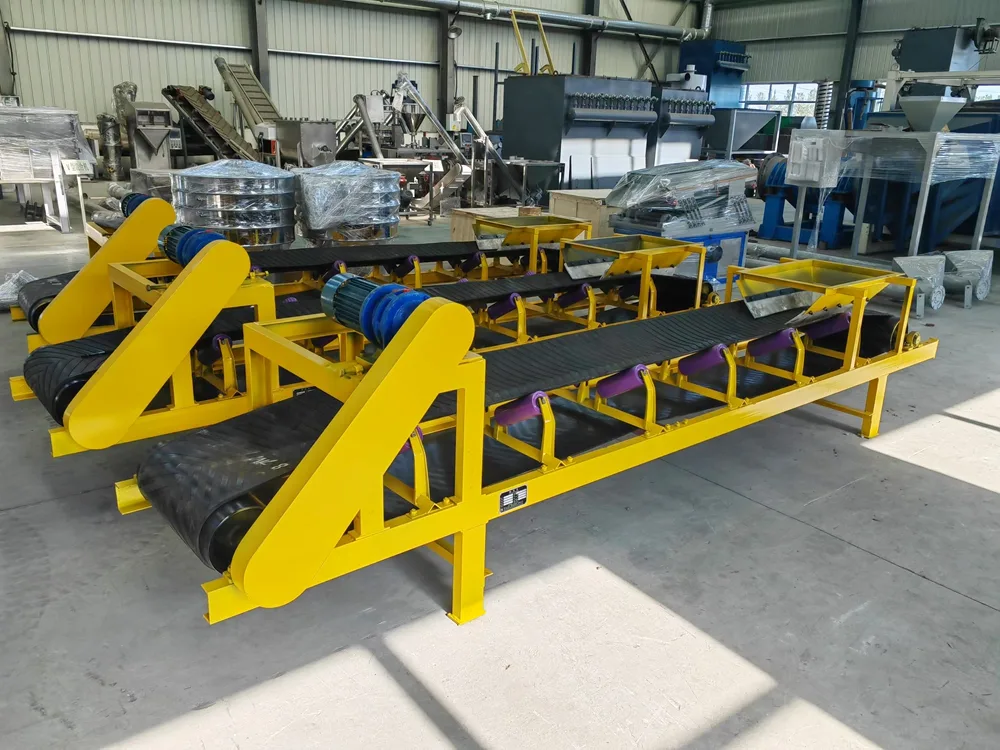
Belt Conveyor
Provides continuous bulk material transfer between crushing, screening, storage and other processing stages.
Mineral Crushing and Grinding Solutions
Mineral crushing and grinding equipment is selected according to the initial feed size, material hardness, required fineness and production capacity. Different processing stages can be combined to achieve the specified finished product size.
Coarse Crushing and Feed Preparation
Coarse crushing reduces large mineral particles to a suitable size for subsequent processing. Preliminary screening can remove undersized material before crushing, reducing unnecessary equipment loading.
Vibrating feeders provide controlled material supply to maintain stable crushing and grinding conditions.
| Configuration | Recommended Solution |
|---|---|
| Primary Size Reduction | Industrial Crusher |
| Preliminary Screening | Trommel Screen or Vibrating Screen |
| Controlled Feeding | Vibrating Feeder |
| Design Considerations | Maximum feed size, hardness, throughput |
Fine Mineral Powder Grinding
Fine mineral powder grinding reduces pre-crushed materials to the required particle size for industrial filler, ceramic and other powder-based applications.
Single tube and double tube vibration mills can be evaluated according to mineral hardness, target fineness, grinding media compatibility and production capacity.
| Configuration | Recommended Solution |
|---|---|
| Grinding Equipment | Single or Double Tube Vibration Mill |
| Grinding Media | Steel or Compatible Ceramic Media |
| Powder Screening | Fine Vibrating Screen |
| Design Considerations | Feed size, target D50/D90, wear rate |
Grinding and Screening Circuit
Grinding and screening equipment can be combined to separate finished mineral particles from oversized material.
Where technically suitable, oversized particles can be returned to the grinding stage for further size reduction. This arrangement helps control oversize content and reduce unnecessary regrinding of acceptable particles.
| Configuration | Recommended Solution |
|---|---|
| Size Reduction | Vibration Mill |
| Particle Separation | Suitable Screening Equipment |
| Oversize Return | Screw Conveyor or Bucket Elevator |
| Design Considerations | Separation size, circulating load, grinding capacity |
Processing Solutions for Different Industrial Minerals
Industrial minerals require different processing configurations depending on their hardness, particle shape, abrasiveness and intended application.
Quartz and Silica Sand Processing
Crushing, grinding and particle grading for quartz and silica sand. Equipment selection focuses on wear resistance, particle size control and crystalline silica dust containment.
Equipment: Crusher, Vibration Mill, Linear Vibrating Screen.
Calcium Carbonate Powder Processing
Grinding, oversize removal and powder conveying for calcium carbonate filler production. Grinding equipment is selected according to required fineness and production capacity.
Equipment: Vibration Mill, Fine Vibrating Screen, Screw Conveyor.
Kaolin and Talc Powder Processing
Dry powder grinding, fine screening and enclosed material transfer, with particular attention to particle morphology, agglomeration and powder flowability.
Equipment: Vibration Mill, Ultrasonic Vibrating Screen, Vacuum Feeder.
Feldspar and Ceramic Mineral Processing
Raw material crushing, grinding and particle size separation for glass and ceramic production. Equipment configurations depend on feed size, finished product specifications and impurity limits.
Equipment: Industrial Crusher, Vibration Mill, Vibrating Screen.
Coarse Screening vs Fine Powder Screening
Coarse screening is used to separate larger mineral particles during raw material preparation, while fine powder screening focuses on removing oversized particles and grading processed powders. Screen selection depends on material size, feed conditions and separation requirements.
Coarse Mineral Screening
Preliminary screening and grading of crushed mineral materials.
Fine Mineral Powder Screening
Fine particle separation and oversized particle removal after grinding.
| Comparison | Coarse Screening | Fine Powder Screening |
|---|---|---|
| Material Form | Lumps and granules | Fine powders and small particles |
| Processing Stage | Before or after crushing | Usually after grinding |
| Screen Opening | Relatively large | Relatively small |
| Main Function | Preliminary separation and grading | Oversize removal and fine grading |
| Typical Equipment | Trommel Screen, Heavy-Duty Vibrating Screen | Ultrasonic Vibrating Screen, Tumbler Screen |
| Main Challenges | Impact loading and abrasion | Agglomeration and mesh blinding |
| Design Considerations | Structural strength and throughput | Screen accuracy and mesh cleaning |
For mineral powders requiring micron-level particle size classification beyond the practical range of mechanical screens, air classification or other suitable separation methods should be considered.
Wear Resistance and Dust Control
Mineral processing equipment is exposed to abrasive particles, impact loading and airborne dust. Suitable wear protection, contact materials and dust containment arrangements help maintain equipment reliability and reduce maintenance requirements.
Wear-Resistant Liners
Replaceable liners protect crushing and grinding chambers from direct material contact. Liner materials are selected according to impact loading, abrasiveness and contamination requirements.
Wear-Resistant Screening Media
Woven wire, perforated plates and suitable polyurethane screen panels can be considered according to particle size, impact loading and material abrasiveness.
Enclosed Material Transfer
Enclosed conveyors, covered transfer points and sealed equipment connections help reduce material spillage and airborne dust during handling.
Dust Extraction Connections
Equipment can be configured with suitable dust extraction connections for integration with plant dust collection systems. Extraction capacity and filtration requirements depend on the process and material hazards.
For quartz, silica sand and other minerals containing crystalline silica, dust control systems should be designed according to occupational exposure requirements and applicable local regulations.
How to Select Industrial Mineral Processing Equipment?
The selection of industrial mineral processing equipment depends on material hardness, feed size, target particle size, moisture content and required throughput. The table below provides equipment recommendations for different processing requirements.
| Processing Requirement | Recommended Equipment | Key Selection Parameters |
|---|---|---|
| Large mineral particle crushing | Industrial Crusher | Maximum feed size, hardness, capacity |
| Fine mineral powder grinding | Vibration Mill | Feed size, target fineness, media wear |
| Coarse particle separation | Trommel Screen | Particle size, moisture, throughput |
| Multi-stage particle grading | Linear Vibrating Screen | Screen openings, size fractions, capacity |
| Fine powder oversize removal | Ultrasonic Vibrating Screen | Mesh size, agglomeration, feed rate |
| Continuous material feeding | Vibrating Feeder | Feed rate, bulk density, particle size |
| Horizontal material transfer | Belt Conveyor or Screw Conveyor | Conveying distance, material form, abrasiveness |
| Vertical material lifting | Bucket Elevator | Lifting height, throughput, material properties |
Technical Information Required for Equipment Selection
| Parameter | Required Information |
|---|---|
| Material | Mineral name and composition |
| Material Hardness | Mohs hardness or available test data |
| Maximum Feed Size | Maximum and typical feed particle size |
| Target Particle Size | Required size range, D50/D90 or screen opening |
| Processing Capacity | Required throughput in kg/h or t/h |
| Bulk Density | Material bulk density |
| Moisture Content | Feed material moisture |
| Abrasiveness | Material wear characteristics |
| Installation Layout | Available space, conveying distance and lifting height |
Material samples and particle size data are recommended for applications involving fine grinding, abrasive minerals or demanding finished product specifications.
Engineering Design and Customization
Guofeng provides customized industrial mineral processing equipment based on your material properties, production capacity and plant layout. We offer flexible configurations for crushing, grinding, screening, wear protection and equipment integration.
| Customization Option | Available Configuration |
|---|---|
| Crushing Configuration | Feed opening, discharge size and equipment specifications |
| Grinding Configuration | Grinding chamber, media and liners |
| Screening Configuration | Screen dimensions, openings, decks and screening media |
| Wear Protection | Replaceable liners and wear-resistant contact components |
| Material Handling | Feeding arrangements, conveying routes and discharge connections |
| System Integration | Equipment layout, electrical controls and dust extraction connections |
Equipment configurations are determined according to the actual operating conditions and technical feasibility of each project.
Material Testing & Equipment Configuration
Material evaluation provides a basis for mineral grinding, screening and material handling equipment selection. Feed characteristics, finished product specifications and operating conditions are reviewed before the equipment configuration is finalized.
Feed Material Evaluation
Assessment of raw material size, hardness, moisture content and abrasiveness.
Grinding Performance Evaluation
Evaluation of grinding media, operating parameters, achievable fineness and component wear.
Screening Performance Evaluation
Assessment of screen openings, material distribution, throughput and particle size separation.
Finished Product Evaluation
Verification of particle size distribution, oversize content and other specified product requirements.
Frequently Asked Questions
What equipment is used in industrial mineral processing?
Industrial mineral processing equipment typically includes crushers, grinding mills, vibrating screens, feeders, conveyors and bucket elevators. The equipment combination depends on raw material properties, required particle size and production capacity.
What is the difference between mineral crushing and grinding?
Crushing reduces large mineral particles into smaller pieces for further processing. Grinding further reduces particle size to produce finer materials or powders. Both stages may be required depending on the initial feed size and finished product specifications.
Can vibration mills process quartz and calcium carbonate?
Vibration mills can be considered for grinding quartz, calcium carbonate and other industrial minerals. Grinding performance depends on material hardness, feed size, grinding media, operating parameters and target fineness. Material testing is recommended before final equipment selection.
How do I select a vibrating screen for mineral processing?
Vibrating screens should be selected according to feed particle size, required separation size, moisture content, abrasiveness and throughput. Heavy-duty vibrating screens are generally considered for coarse materials, while ultrasonic vibrating screens may be suitable for fine powders prone to mesh blinding.
How can equipment wear be reduced when processing abrasive minerals?
Equipment wear can be reduced through suitable grinding media, wear-resistant liners, appropriate screening media and controlled material feeding. Regular inspection and timely replacement of worn components also help maintain equipment performance.
Can Guofeng customize industrial mineral processing equipment?
Yes. Guofeng can configure equipment dimensions, grinding chambers, screening decks, wear-resistant materials, feeding arrangements and conveying connections according to your mineral properties, production capacity and installation requirements, subject to technical feasibility.
Get a Custom Mineral Processing Solution
Tell us about your mineral material, feed size, target particle size and required production capacity. Our engineering team can recommend suitable crushing, grinding, screening and conveying equipment for your application.
Include the mineral material, required capacity, maximum feed size, target particle size and project requirements in your inquiry.