
Producing a finer powder usually requires more grinding time, while production schedules still demand a fixed output per shift. For abrasive minerals, longer grinding also increases contact with the media and liners. Selecting a mill means matching the required fineness and output with acceptable wear, product purity, and operating cost.
This article explains how to choose a vibratory grinding mill by material properties, feed size, product fineness, and production capacity. It then covers tube arrangements, grinding media, liners, and system requirements to help you identify a suitable configuration before requesting a quotation.
What Is a Vibratory Grinding Mill?
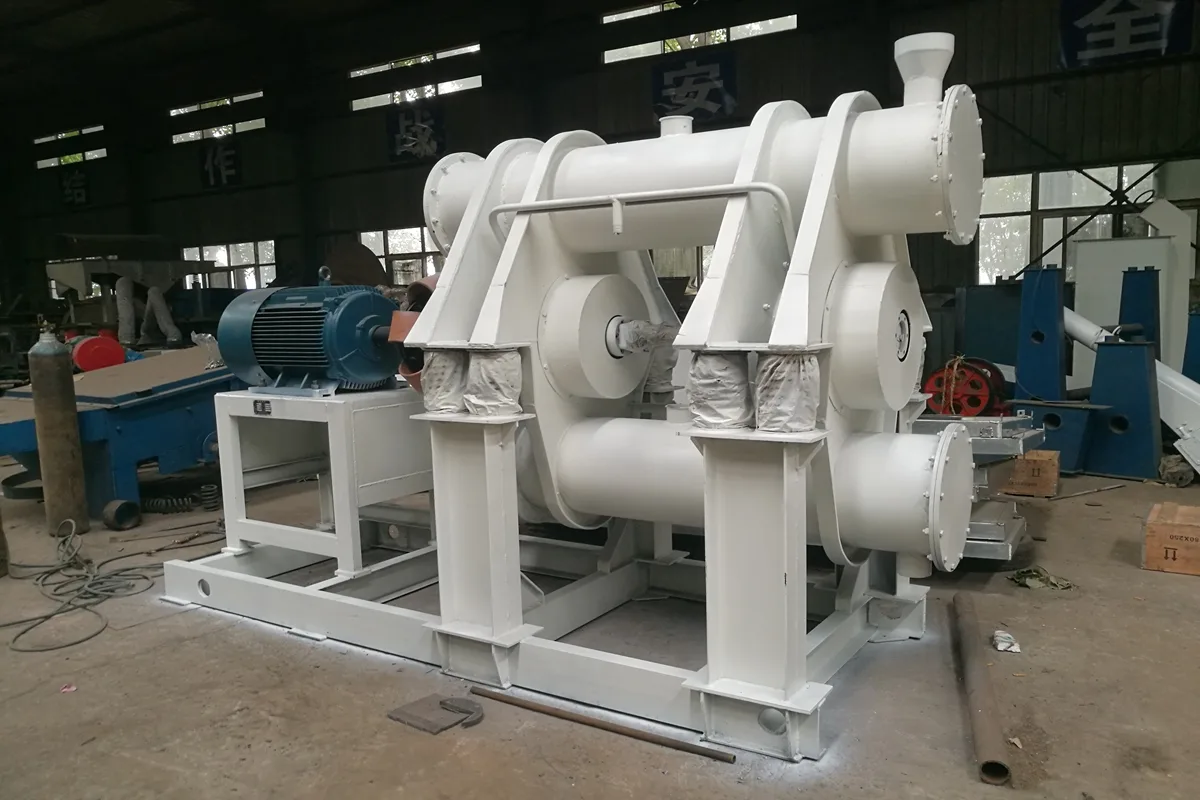
A vibratory grinding mill is a fine-grinding machine that uses the vibration of a chamber to move grinding media against the feed material. Repeated impact and friction reduce particle size. Common applications include grinding quartz and feldspar for mineral fillers, preparing ceramic and refractory raw materials, and processing inorganic chemical powders before blending or further treatment.
Industrial machines may use a single tube or multiple tubes and can be configured for dry or wet grinding. The initial choice depends on how the material breaks, the product required by the next process, and the quantity to be produced. These conditions establish the grinding duty before the chamber size and arrangement are selected.
Start with Material Hardness and Grinding Behavior
Hardness helps identify wear requirements, but the way a material responds to impact also matters. Brittle particles fracture; sticky particles can coat the media; ductile particles may flatten instead of breaking. Start by establishing which behavior is likely to limit your process.

Hard, Brittle Materials and Abrasive Feed
Quartz, feldspar, glass, and many ceramic raw materials are candidates for vibratory grinding because their particles fracture under repeated impact. For abrasive feed, media and liner wear become important selection criteria. A mineral filler with an acceptable iron allowance may permit steel contact surfaces, while a low-iron quartz or ceramic powder calls for evaluating ceramic media and liners. Establish the product’s contamination limit at this stage so that the initial trial uses suitable contact materials.
Sticky, Heat-Sensitive, or Ductile Materials
Feed that cakes onto the media can restrict discharge and reduce effective grinding contact. If the final product must remain dry, assess drying or other feed conditioning first. If the next process uses a slurry, wet grinding may fit the production route better. Materials that soften as temperature rises require a defined product temperature limit and an assessment of cooling. For ductile metal feed, trial grinding should first establish whether particle size decreases or the particles mainly deform; this determines whether impact grinding is an appropriate route.
Match Feed Size to the Required Product Fineness

Once material suitability is established, compare the actual feed size with the required product. A mill receiving coarse fragments must perform both initial breakage and fine grinding. Where coarse particles occupy a substantial part of the grinding cycle, pre-crushing can reduce this load and provide more consistent feed. Select the pre-crusher and mill together around the size distribution entering the fine-grinding stage.
The product specification then determines how much further grinding is needed. For example, changing a powder specification from a 45 μm upper-size limit to a 10 μm limit requires more extensive size reduction. Evaluate finer media, additional grinding time, or a longer grinding path, and reassess the resulting output. The same chamber should not be sized for the finer grade using the throughput established for the coarser product.
Include classification when the finished powder requires tighter control of coarse particles than the mill discharge can provide. In a closed grinding circuit, a classifier separates acceptable fines, while coarse material is returned to the mill for further grinding. If the mill discharge already meets the product specification, a separate classifier may be unnecessary. This decision should follow the required powder grade and trial results.
Size the Mill for Your Production Schedule
With the feed and product specification defined, calculate how much material the equipment must process during the time actually available. Then choose a production mode that fits the number of grades, changeovers, and upstream and downstream operations.
Convert Shift Output into Required Grinding Capacity
Consider a batch-production planning example: the requirement is 1,000 kg per shift, with an eight-hour shift and two hours allocated to loading, unloading, and cleaning. Six hours remain for grinding, so the required average output during grinding time is approximately 167 kg/h, assuming no material loss. Sizing at 125 kg/h would use the entire shift as grinding time and leave no allowance for handling. For a batch mill, translate this requirement into batch mass and grinding time; for a continuous line, use the planned stable operating hours and allow separately for start-up and shutdown losses.
Choose Batch or Continuous Operation
Batch operation suits production that requires separate lots, formulation changes, or cleaning between materials. Compare the usable batch size and the complete cycle time, including discharge. Continuous operation suits a stable feed supply and downstream equipment that can receive a steady product flow. It requires coordinated feeding, discharge, and collection. Frequent grade changes may favor batch production even when continuous operation offers a higher hourly rate, because product changeover and material carryover affect the usable output.
Selecting Single-Tube, Double-Tube, or Multi-Tube Layouts
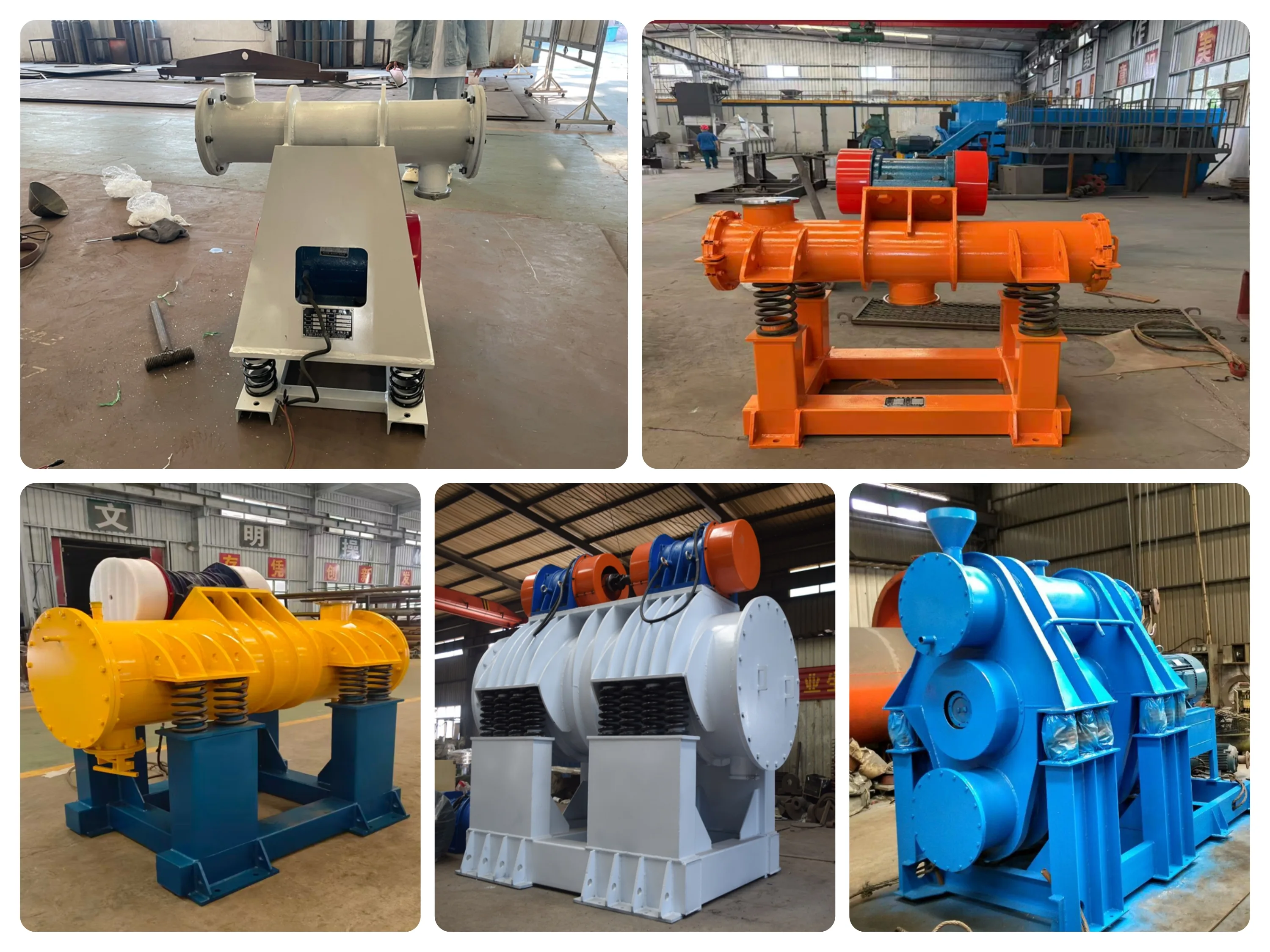
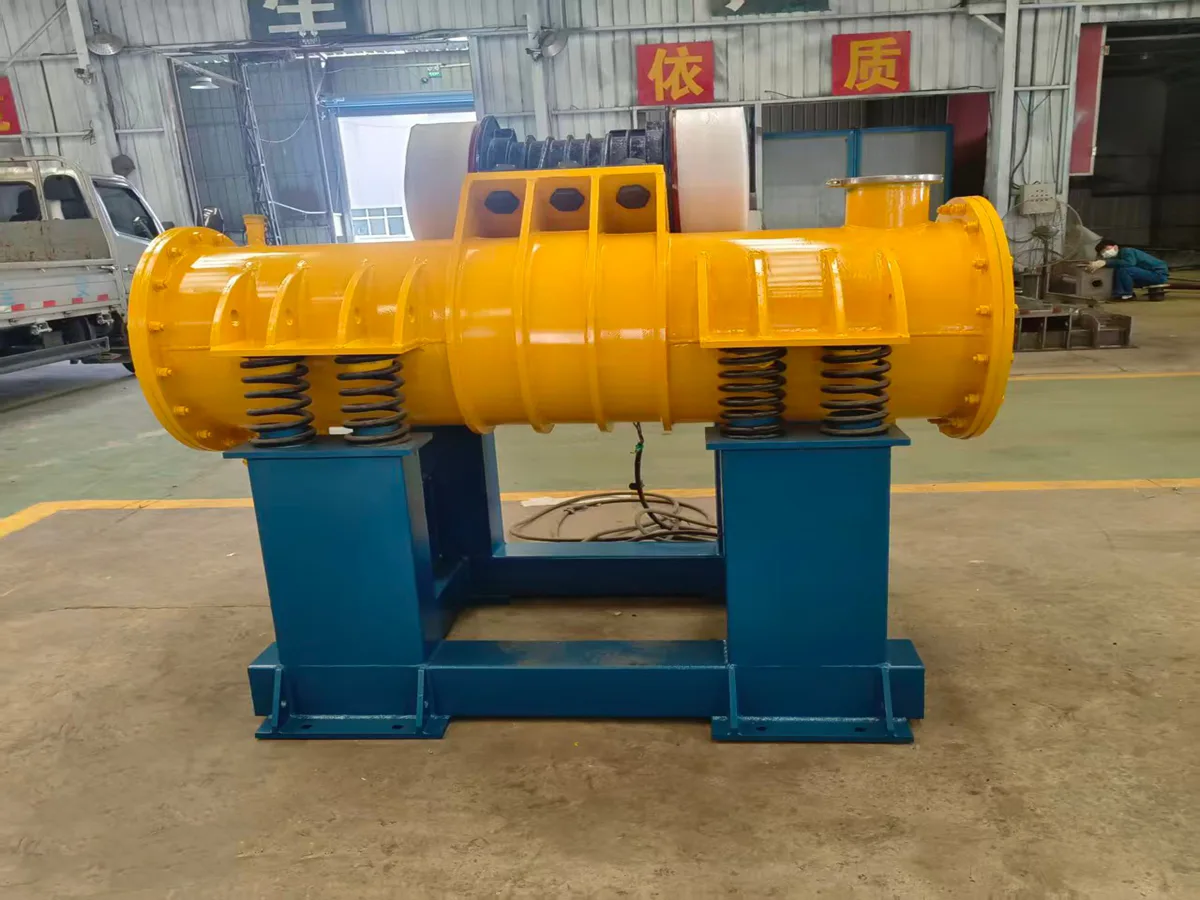
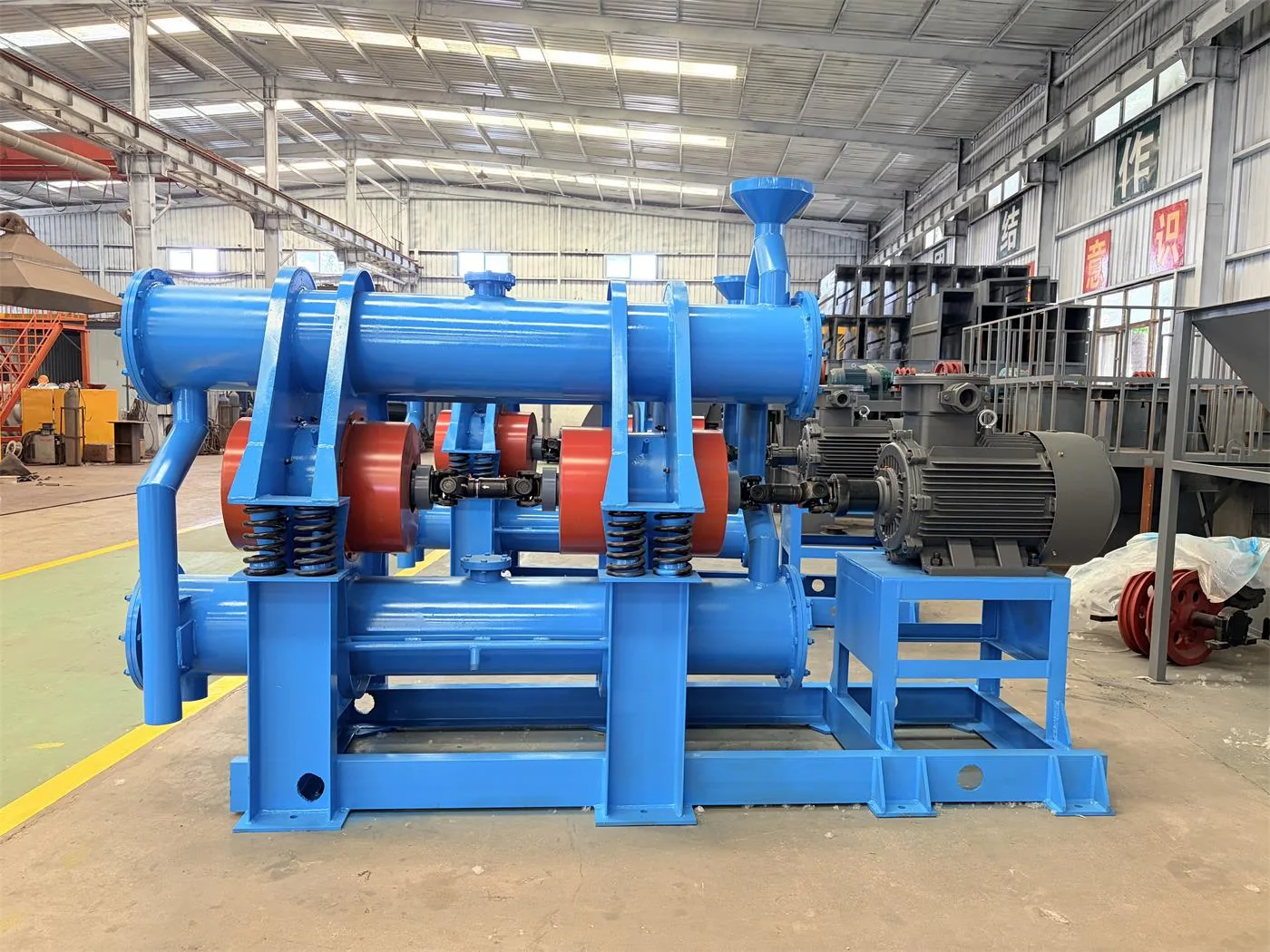
The required production rate, target grinding fineness, and grinding time determine the grinding chamber layout. A single-tube design provides one grinding stage, while double-tube or multi-tube designs can be arranged in series or parallel, depending on the feed and discharge connections, to extend the material grinding path or increase processing capacity.
| Production Requirement | Layout Assessment | Reason |
|---|---|---|
| The required fineness and output can be achieved in one grinding stage | Single tube | Provides a direct material path and reduces connections between stages. |
| Too many coarse particles remain after a grinding stage at the required feed rate | Double-tube or multi-tube in series | Material passes through multiple grinding chambers in sequence, adding grinding stages. |
| Additional grinding capacity is needed to process multiple material streams simultaneously | Double-tube or multi-tube in parallel | Distributes the processing load across multiple grinding paths. |
If a single-tube configuration meets the production requirements, it can serve as the starting point for equipment selection. If too many coarse particles remain after grinding, consider a double-tube or multi-tube series configuration. If the main objective is to increase processing capacity, evaluate a parallel arrangement together with the feeding and collection systems.
For a detailed comparison of chamber arrangements, see Single-Tube vs Double-Tube Vibration Mill: Key Differences & Selection Guide.
Select Grinding Media and Mill Liners
After choosing the grinding path, select the surfaces that contact the powder. Media and liners affect breakage, wear contamination, replacement frequency, and the cost of producing each powder grade.
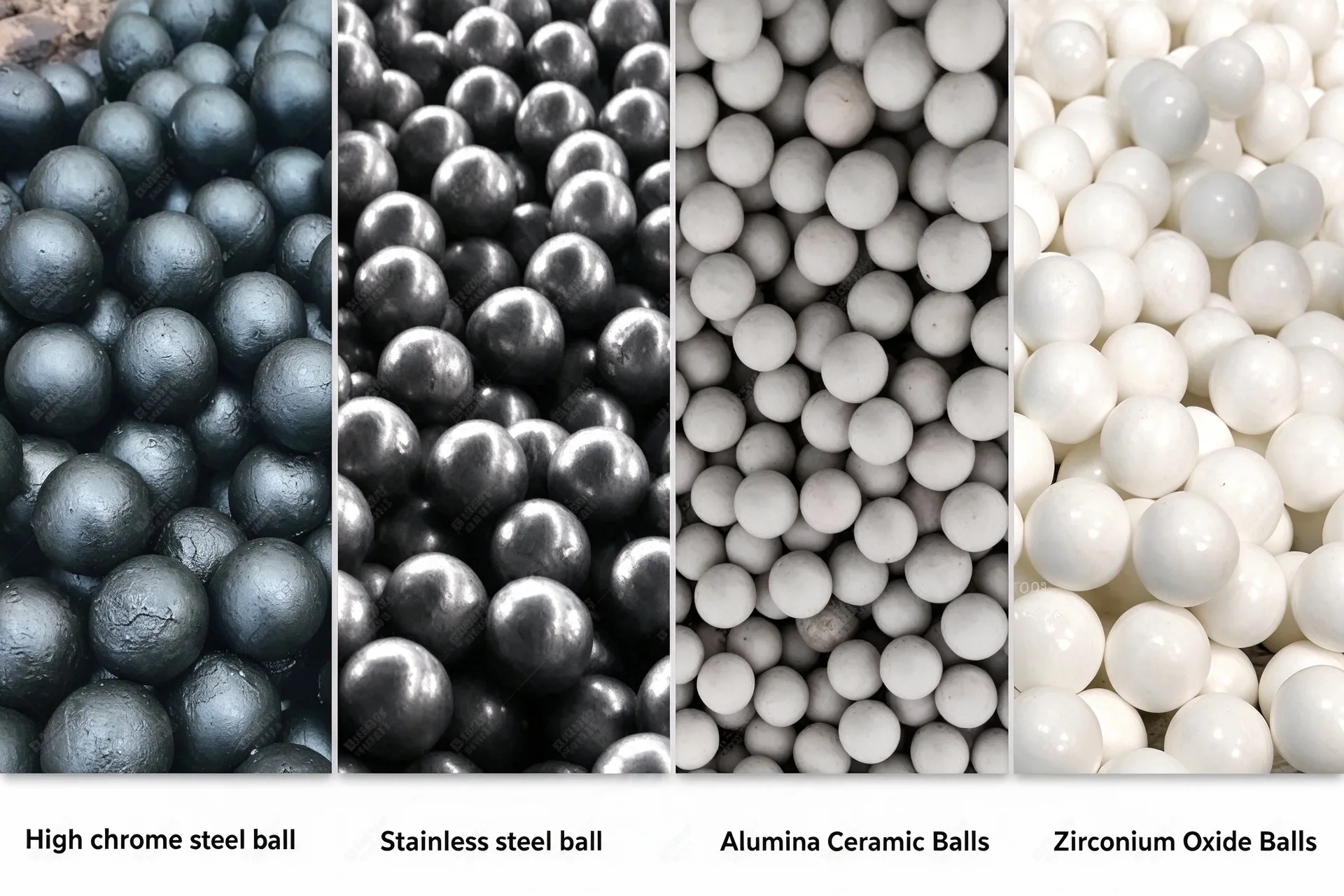
Match Contact Materials to Product Purity
Steel media and liners are options for mineral products that can accept the associated wear contamination. For low-iron quartz, white fillers, or ceramic feedstocks, evaluate alumina or zirconia contact materials against the permitted impurities. Ceramic wear can also introduce material into the powder, so match the ceramic composition to the product. Check the complete contact path, including feed connections and discharge components, where a strict contamination limit applies. Replacement cost and access for liner changes should be included in the comparison.
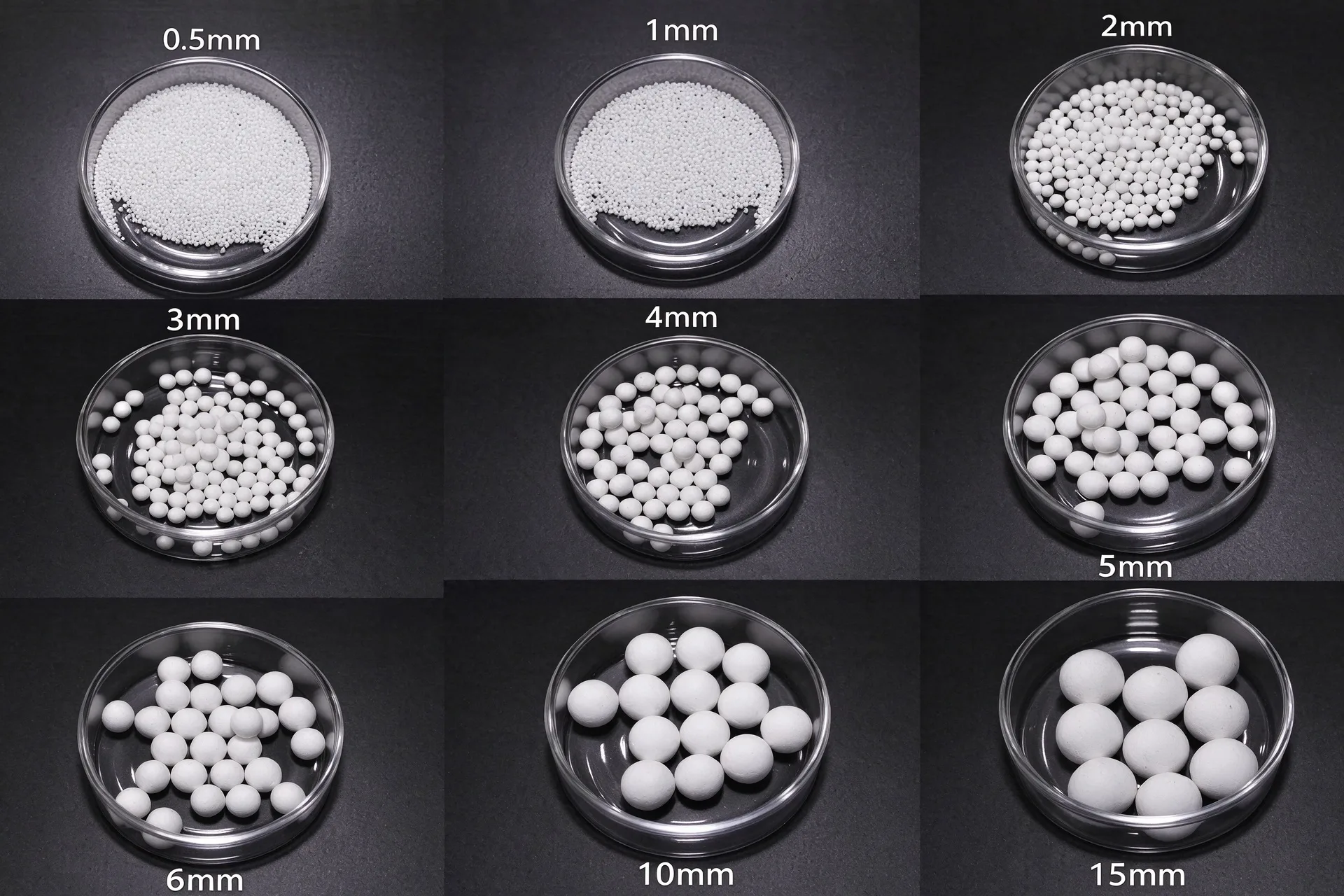
Match Media Size to the Grinding Stage
Larger media provide stronger individual impacts for breaking coarse feed, while smaller media provide more contact points for fine grinding. For a broad feed distribution, assess a suitable media size combination or separate grinding stages. In a series layout, the media charge can be selected for the duty of each chamber. Establish media size and loading through trials with the intended feed: excessive loading can restrict movement, while media that are too small may fail to break the coarse fraction effectively.
Check System Requirements and Operating Cost
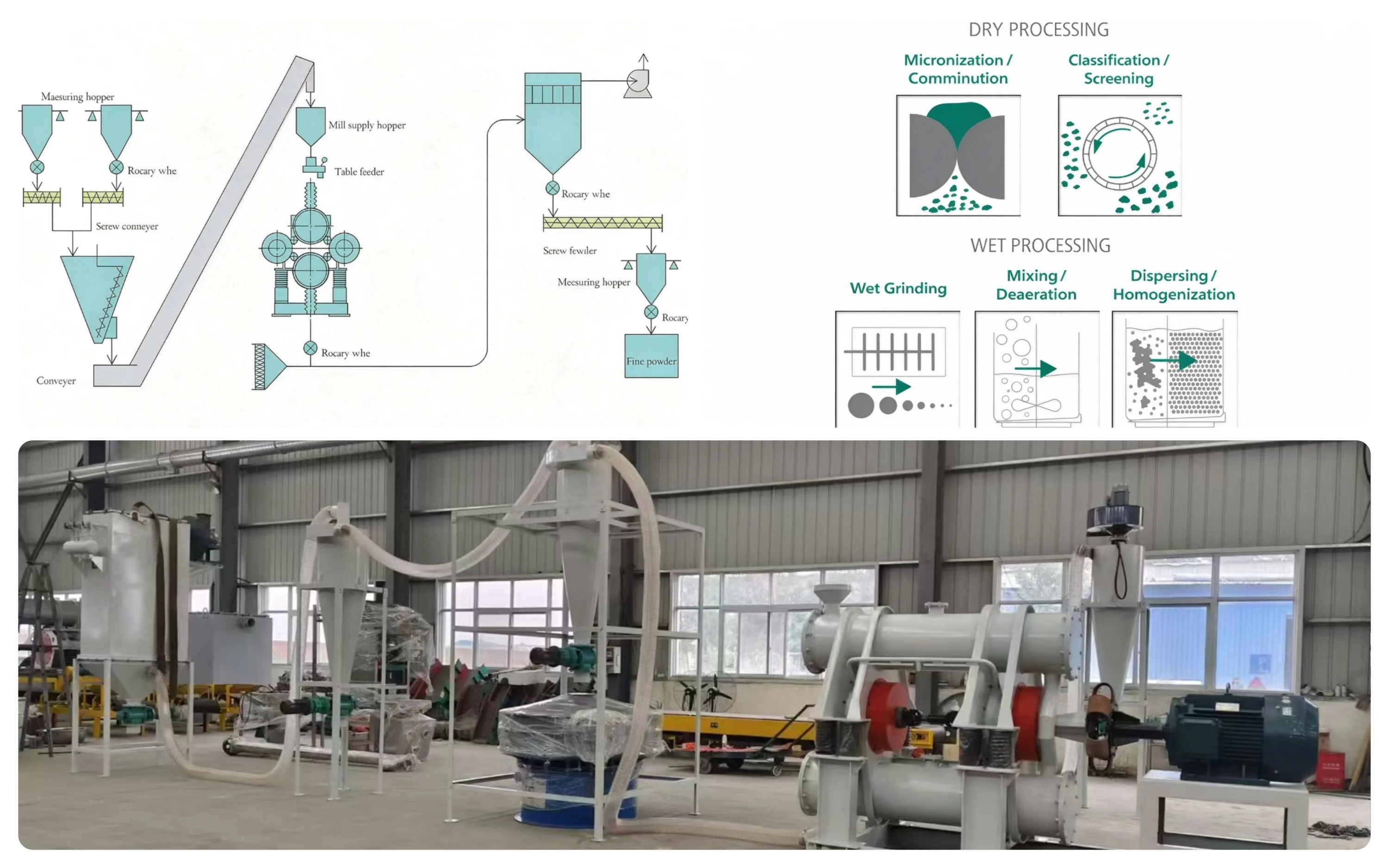
The selected grinding configuration must work with the rest of the line. For dry processing, define the feeding, discharge, dust collection, and any classification equipment. For wet processing, define slurry feeding and transfer, and determine whether the next process can use the slurry directly. If the final product must be dry powder, include any required dewatering and drying equipment and its operating cost. Where cooling is required, include the cooling supply and verify the product temperature under the intended operating load.
Next, check installation and maintenance access. The layout needs space for feeders, collectors, pipework, and media or liner replacement. Provide the equipment supplier with floor-loading limits and installation conditions so that the support and vibration-isolation arrangement can be specified. Confirm that a worn liner or media charge can be removed without dismantling unrelated equipment.
Finally, compare operating cost at the required powder grade and output. Include power consumption, media and liner consumption, cleaning, and maintenance downtime, together with the necessary auxiliary equipment. Run the material trial with the proposed contact materials and operating configuration. A trial that reaches the target fineness should also establish the production rate and show whether temperature, discharge, or wear requires a configuration change before the equipment is ordered.
What Information Should You Provide for a Mill Quotation?
Once the grinding route is defined, provide the following information for a vibratory grinding mill quotation. This allows suppliers to propose equipment for the same production task and clarify what is included in the system.
- Material: composition, hardness, moisture, and a representative sample.
- Particle size: feed size distribution, target fineness, and permitted coarse residue.
- Production duty: required finished-product output, shift hours, and number of grades.
- Process: dry powder or slurry, and batch or continuous operation.
- Product limits: permitted impurities and maximum product temperature.
- Installation: available space, power supply, and existing feeding, classification, or collection equipment.
Conclusion
Selecting a vibratory grinding mill starts with the material and the required powder grade. Use the production schedule to establish capacity, then match the tube arrangement, media, liners, and auxiliary equipment to that duty. Confirm fineness and output together during material testing, with wear and temperature included in the assessment.

GUOFENG offers industrial single-tube and double-tube vibration mills. Share your material, feed size, target fineness, and production requirement to discuss an appropriate configuration for your powder-processing line.
FAQ
Can a vibratory grinding mill handle high-moisture feed?
Wet-grinding configurations can process material as a slurry. For dry grinding, assess whether the moisture causes coating, caking, or discharge problems. If it does, evaluate feed drying or conditioning. Choose the route according to whether the next process needs dry powder or can accept slurry.
Can one mill produce several powder grades?
Yes, where its operating range covers the required grades. Grinding time, feed rate, and media configuration may need adjustment. Establish an output rate for each grade, and include cleaning or media-change time in the production plan when switching between products.
When should a classifier be included in the grinding system?
Include a classifier when the required coarse-particle limit cannot be achieved consistently by grinding alone. In a closed grinding circuit, it removes acceptable fines, while coarse particles are returned to the mill for further grinding. Select its capacity together with the mill so that classification does not restrict the required finished-product output.
Does a double-tube mill always provide more capacity?
No. A series arrangement uses both chambers to grind the same material through successive stages; a parallel arrangement divides the feed. Compare output at the specified fineness and check the total chamber capacity, material path, and supporting equipment before selecting between configurations.
Which media should be used for low-iron powder production?
Evaluate alumina or zirconia media with compatible liners and other contact components. Choose the composition according to which impurities the product can tolerate. Test the ground powder for the relevant contaminants, because ceramic media also wear and can introduce their own constituents.
What should a material trial confirm before equipment selection?
Confirm the target fineness and required output with representative feed. Record the media and liners used, operating time or feed rate, product temperature, and contamination results where relevant. Also check discharge behavior and cleaning requirements to establish whether the proposed configuration fits the production schedule.
Need help with a similar request?
Share your product requirements, timeline and cooperation goals. We can help clarify the next step.