
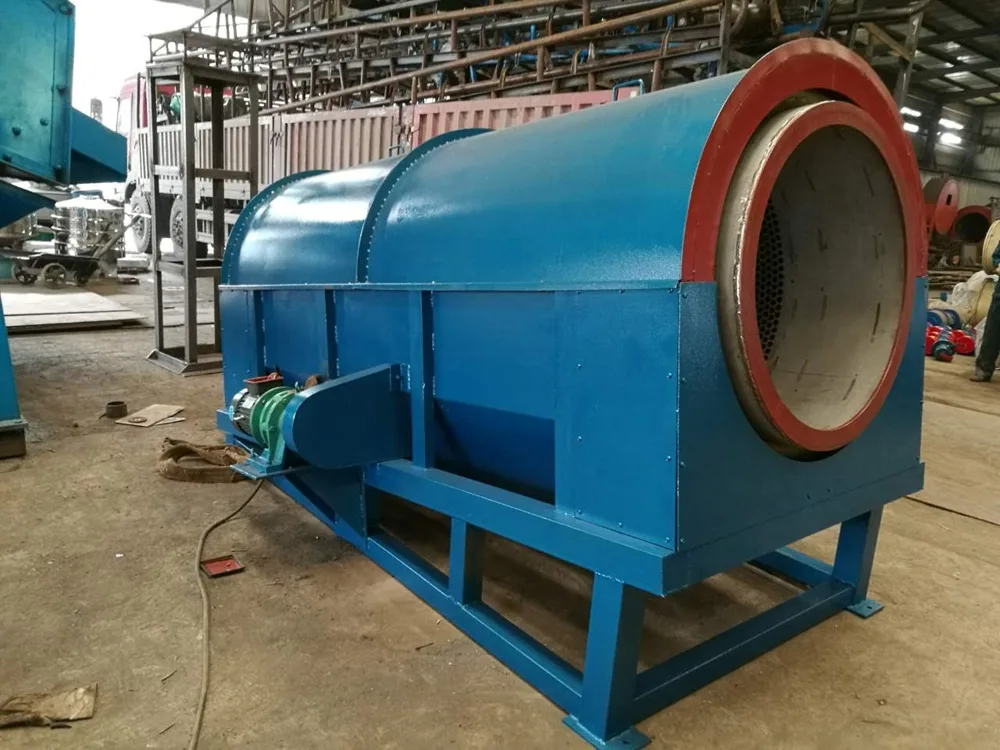
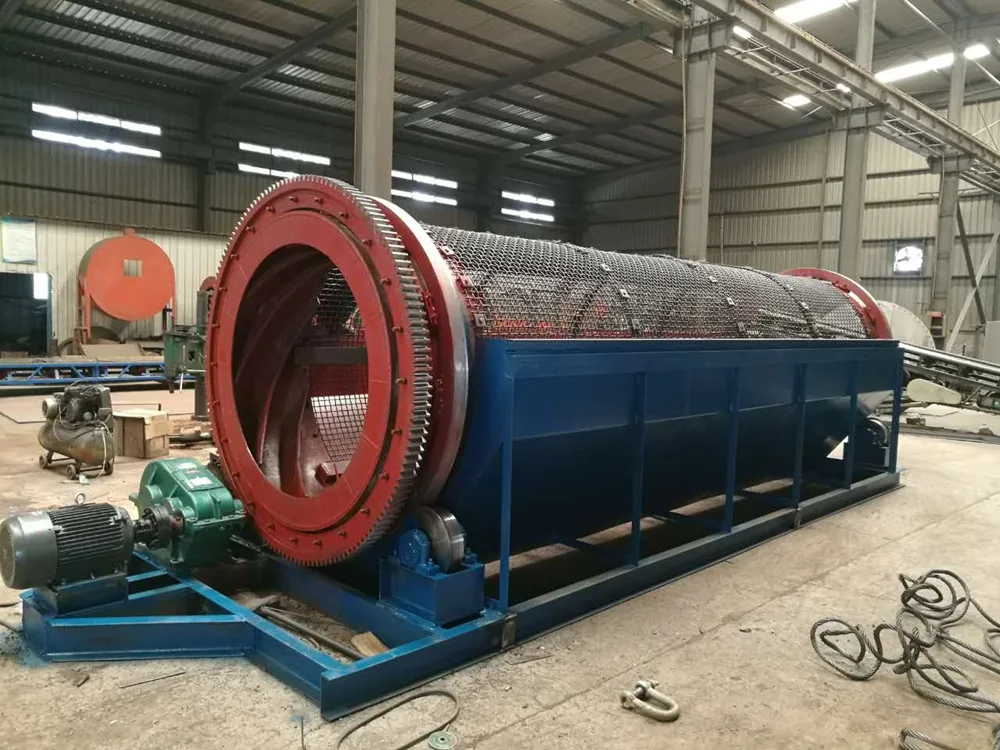
What is a trommel? A trommel, also known as a trommel screen or rotary drum screen, is a screening machine that separates bulk materials by particle size using a rotating cylindrical drum. As material enters the drum, it tumbles continuously. Smaller particles pass through the screen openings, while larger materials travel toward the discharge end. Trommel screens are commonly used for screening soil, compost, sand, gravel, and solid waste.
This guide explains how a trommel screen works, its main components, suitable materials, and the key factors affecting screening performance. It also compares trommel screens with vibrating screens to help you understand their applications and choose the right screening equipment.
What Is a Trommel Screen?
A trommel screen, also known as a rotary trommel screen or rotary drum screen, is mainly used for particle size classification, oversized material removal, and preliminary screening. Depending on the screen opening sizes and drum section configuration, it can separate mixed materials into two or more size fractions.
For example, in topsoil processing, a trommel screen separates fine soil from larger stones and roots. In compost screening, it removes oversized and partially decomposed organic materials while collecting finer, finished compost for further use. Trommel screening is primarily based on particle size rather than material type. Different materials with similar particle sizes may therefore remain mixed after screening.

How Does a Trommel Screen Work?
The trommel screen working principle is based on drum rotation, material tumbling, and particle size separation. From feeding to the discharge of screened materials, the process involves four main steps.

1. Material Enters the Screening Drum
Material enters the rotating drum through a feed hopper or conveyor. A relatively steady feed rate helps prevent overloading and allows the material to move through the screening process effectively.
2. The Drum Rotates and Material Tumbles
An electric motor drives the screening drum through a transmission system. As the drum rotates, friction lifts the material along the inner wall before gravity causes it to slide or tumble back down. This repeated movement helps loosen the material and brings particles into contact with the screening surface.
3. Smaller Particles Pass Through the Screen Openings
As the material continues to tumble, particles small enough to pass through the screen openings fall beneath the drum. They are then collected or transported away by a conveyor. This continuous screening process separates smaller particles from the mixed feed material.
4. Oversized Materials Discharge from the Drum
In a typical inclined trommel screen, oversized materials that cannot pass through the screen openings gradually move toward the lower discharge end as the drum rotates. These materials eventually leave through the discharge outlet. Some trommel screen designs also include internal guide structures to help move material along the drum.
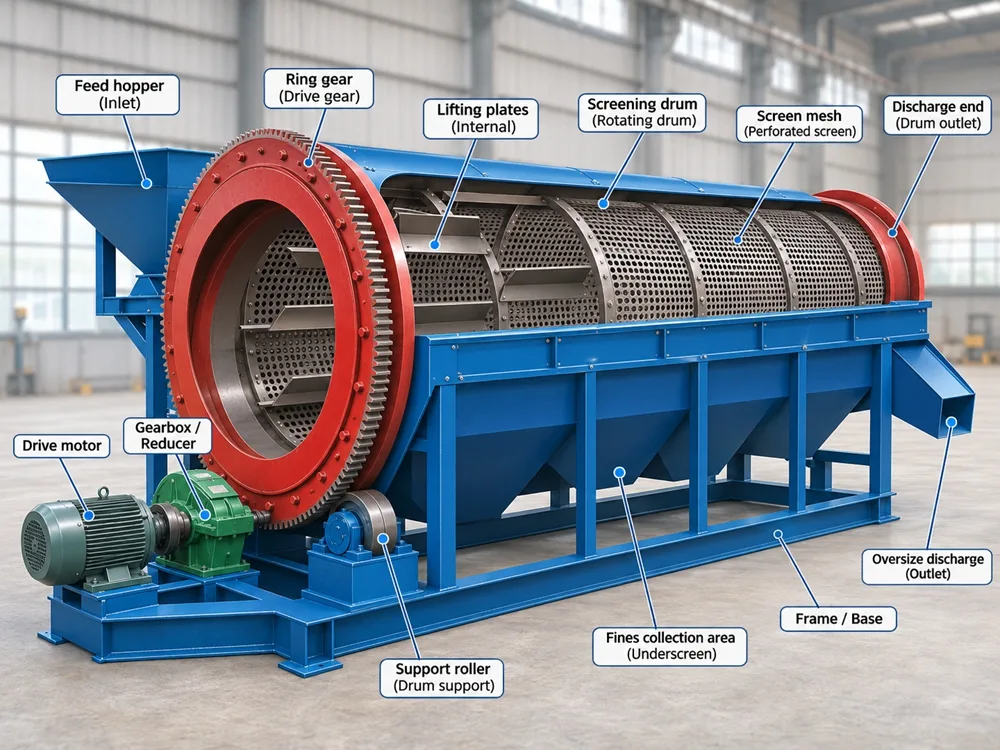
A trommel screening machine mainly consists of a screening drum, drive system, supporting structure, and feeding and discharge equipment. These components work together to ensure continuous material feeding, screening, and discharge.
| Main Component | Function |
| Screening Drum | The main screening component, featuring openings that separate materials according to particle size. |
| Drive System | Typically consists of an electric motor, gearbox, and transmission components that rotate the drum. |
| Support Structure | Uses a frame, support rollers, or other supporting mechanisms to keep the drum stable during operation. |
| Feeding System | Transfers bulk materials into the screening drum. |
| Discharge System | Collects and discharges undersized and oversized materials separately. |
| Screen Cleaning System (Optional) | Uses brushes or other cleaning devices to reduce material buildup and screen opening blockage. |
What Materials Can a Trommel Screen Process?
Trommel screens are used for screening and separating a wide range of bulk materials. Common applications include soil processing, compost production, aggregate screening, biomass processing, and waste recycling.
Soil and Topsoil Screening
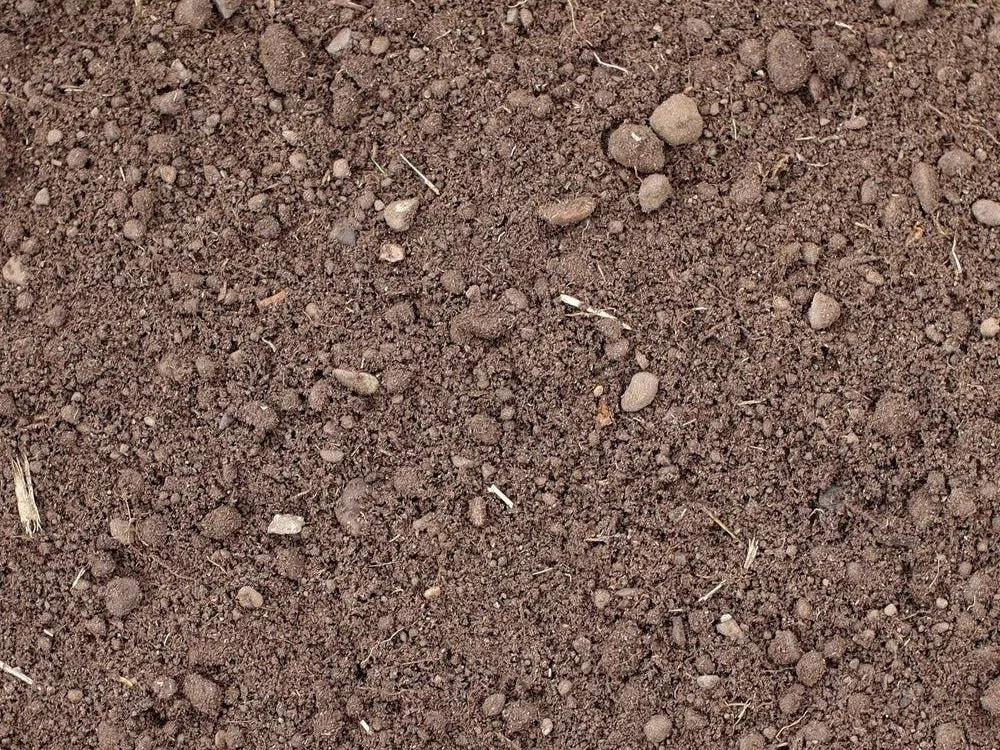
A topsoil trommel screen separates fine soil from stones, roots, and other oversized debris to produce soil that meets the required particle size. It is commonly used in landscaping, gardening, and soil recycling applications.

Compost and Organic Material Screening
A compost trommel screen separates finer, mature compost from oversized or partially decomposed organic materials. For compost with high moisture content, material clumping and screen opening blockage should be considered.The U.S. Environmental Protection Agency (EPA) also describes trommel screens as a method for separating compost materials into different size fractions.
Sand, Gravel, and Aggregate Screening
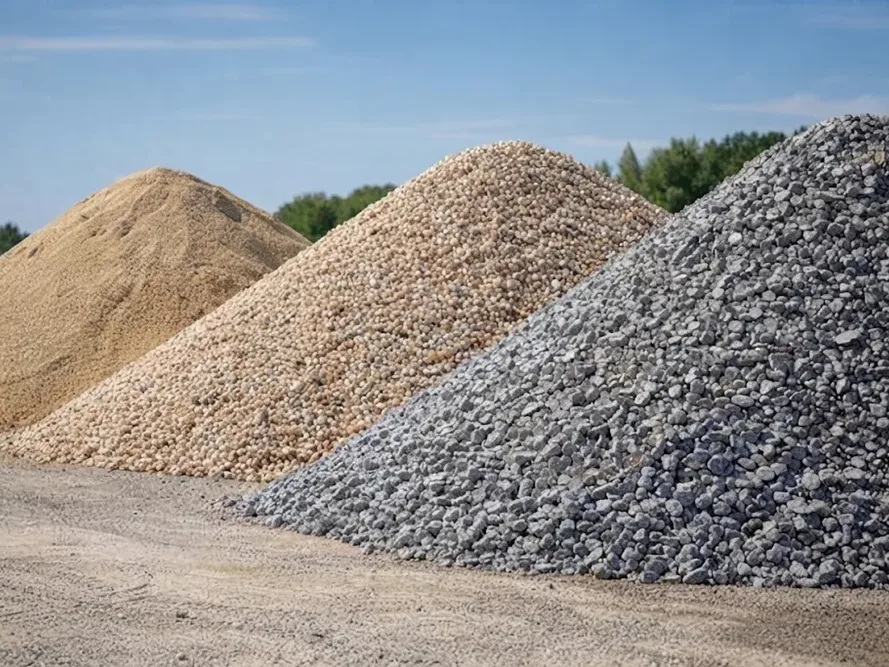
Trommel screens can classify sand, gravel, and crushed stone into different size fractions while removing oversized particles. When processing aggregates with high clay or mud content, screening performance may be affected.
Wood Chips and Biomass Materials
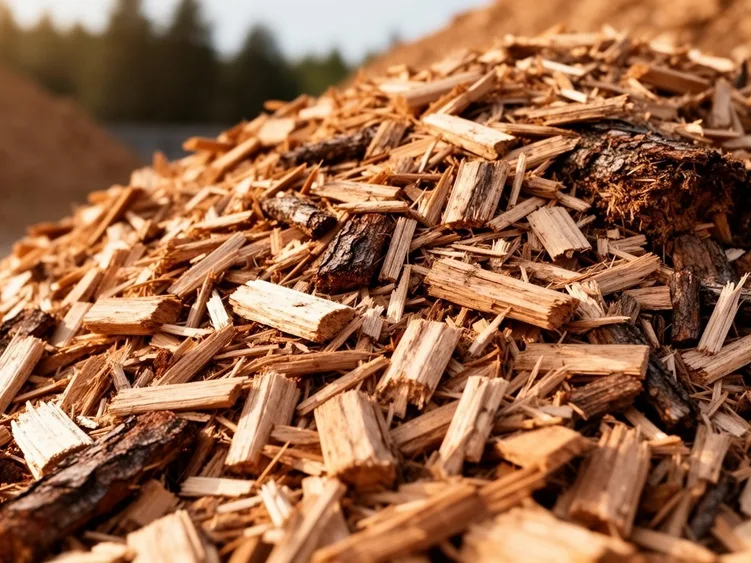
Trommel screens can classify wood chips, bark, and other biomass materials by particle size, separating fine particles from larger wood pieces. Long or irregularly shaped wood chips may become lodged in the screen openings.
Municipal Solid Waste and Construction Waste
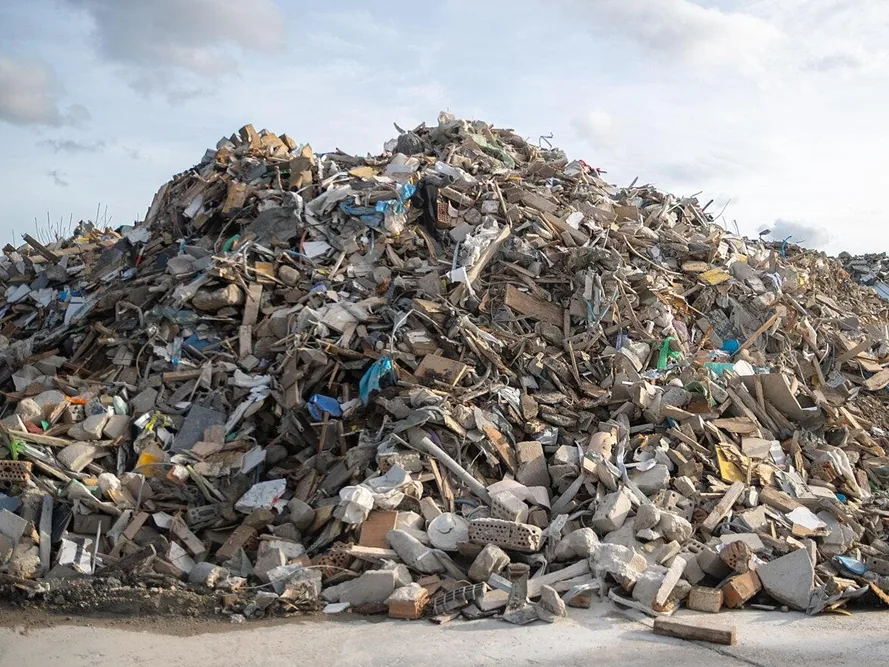
A waste trommel screen separates mixed municipal solid waste and construction debris into different size fractions, preparing materials for further sorting, crushing, and recycling.

Ore and Other Bulk Materials
Trommel screens can be used for preliminary screening of certain ores, separating smaller particles from oversized rocks. When handling highly abrasive materials, screen surface wear should be carefully considered.
What Factors Affect Trommel Screen Performance?
The screening efficiency and processing capacity of a trommel screen depend on several factors, including screen opening size, drum dimensions, rotational speed, inclination angle, feed rate, and material characteristics.
Screen Opening Size
The screen opening size determines the particle size separation. For example, when screening soil with 10 mm openings, smaller particles can pass through more easily, while stones significantly larger than the openings generally remain inside the drum. If the openings are too small, fine material passes through more slowly. Particles close to the opening size may also become lodged in the screen, causing blockage.
Drum Diameter and Length
The drum diameter affects the internal space available for material, while the drum length influences how many opportunities particles have to contact the screening surface. A longer drum provides more opportunities for fine particles to pass through. However, actual trommel screen capacity also depends on screen opening size and feeding conditions.
Drum Rotational Speed
If the drum rotates too slowly, the material may not tumble sufficiently.If the rotational speed is too high, material may be lifted excessively or even rotate along with the drum wall.A suitable rotational speed keeps the material tumbling continuously, improving contact with the screening surface.
Drum Inclination Angle
Trommel screens are usually installed at a slight incline to help material move toward the discharge end.A steeper angle allows material to travel faster but reduces screening time. A smaller angle increases material retention time but may cause material buildup, especially at higher feed rates.
Feed Rate
Excessive feeding creates a thick layer of material at the bottom of the drum. Fine particles in the upper layers may not reach the screen openings before being discharged with oversized material.Therefore, increasing the feed rate does not necessarily increase the amount of correctly screened fine material.A steady and controlled feed rate gives particles sufficient opportunities to pass through the screen openings.
Material Moisture Content and Particle Shape
Dry, free-flowing materials are generally easier to screen.Wet soil or compost may form clumps and stick to the screening surface. Long wood chips can become trapped in the openings, while particles close to the screen opening size may be difficult to separate completely.
Common Trommel Screening Problems and Troubleshooting
| Screening Problem | What to Check First |
| Screen openings frequently become blocked | Check whether the material is too wet, forms clumps, or contains particles lodged in the openings. |
| Fine particles discharge with oversized material | Check for excessive feeding or material moving too quickly through the drum. |
| Screening throughput is low | Check for blocked openings and whether the material is tumbling properly. |
| Oversized particles appear in the undersized product | Inspect the screen surface for damage and check for material leakage at connections. |
What Are the Advantages and Limitations of a Trommel Screen?
Trommel screens are suitable for continuous screening of many bulk materials, although their performance and suitability depend on the specific application.
Advantages of Trommel Screens
Simple Structure and Easy Maintenance
The main components are relatively easy to inspect, clean, and maintain during routine operation.
Wide Range of Applications
Suitable for screening soil, compost, aggregates, and mixed waste. Drum rotation also helps break up some material clumps.
Continuous Screening Operation
Materials can enter continuously, while undersized and oversized fractions discharge separately for integration with upstream and downstream equipment.
Multiple Size Separation
Different screen opening sizes can be used in separate drum sections to produce multiple particle size fractions.
Limitations of Trommel Screens
Limited Screen Surface Utilization: Most material remains in the lower section of the drum, so the entire screening surface does not participate in screening simultaneously.
Potential Blockage with Wet or Sticky Materials: Highly adhesive materials may stick to the screen surface or block the openings, requiring cleaning systems or material pretreatment.
Limitations in Fine Screening: For fine particle separation or applications requiring high screening accuracy, the suitability of a trommel screen should be evaluated.
Installation Space Requirements: The drum requires sufficient installation length, along with additional space for feeding, discharge, and maintenance access.
Trommel Screen vs. Vibrating Screen: What’s the Difference?
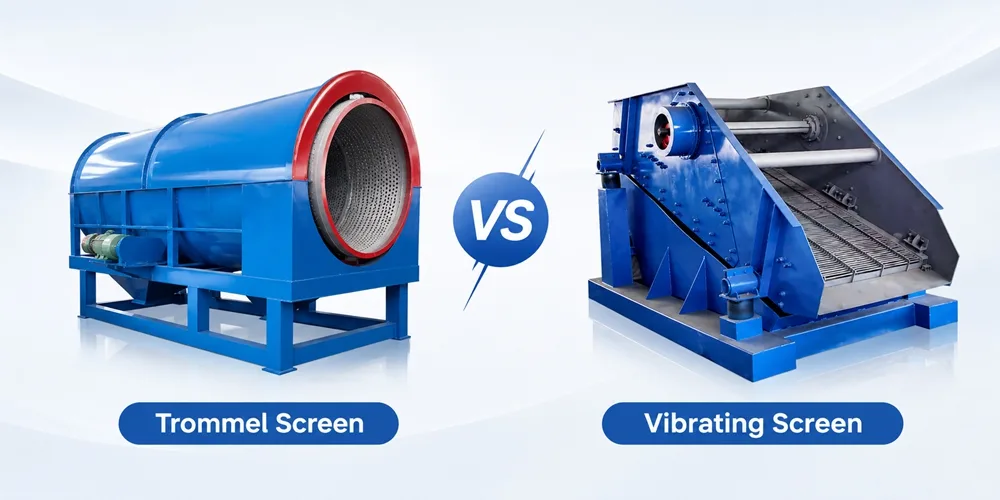
After understanding what a trommel is, the next step is comparing it with a vibrating screen. Both machines separate materials by particle size, but they use different screening mechanisms and are suited to different operating conditions.
| Comparison | Trommel Screen | Vibrating Screen |
| Working Principle | A rotating drum tumbles material inside the screening cylinder. | A vibrating screening surface moves material across the screen. |
| Common Applications | Soil, compost, wood chips, and mixed waste screening. | Aggregate, ore, coal, powder, and granular material classification. |
| Screening Characteristics | Suitable for coarse separation and preliminary screening, with optional multiple screening sections. | Available in various designs for coarse screening, fine screening, and multi-deck separation. |
| Wet and Sticky Materials | Tumbling can help loosen some clumps, but highly sticky materials may still block the openings. | Requires an appropriate screen design and anti-blinding measures based on material characteristics. |
| Maintenance Focus | Screening drum, support rollers, transmission components, and screening surface. | Screen mesh, vibration exciter, springs, and bearings. |
Which Screening Machine Should You Choose?
Choose a Trommel Screen: If your main application involves screening soil, compost, wood chips, or mixed waste, and you need to remove oversized debris or separate coarse and fine materials, a trommel screen is worth considering.
Choose a Vibrating Screen: If you need to classify aggregates, ores, or other bulk materials into specified particle sizes, especially for multi-deck screening or finer particle separation, a suitable vibrating screen may be the better choice.
If you are unsure which screening method is suitable for your material, you can provide GUOFENG with your material type, target particle size, and required processing capacity. We can help evaluate the appropriate screening equipment for your application.
FAQs
FAQs
1. Can a Trommel Screen Separate Materials into Three Different Sizes?
Yes. By using drum sections with different screen opening sizes and corresponding discharge outlets, a trommel screen can separate material into fine, medium, and coarse fractions.The number of size fractions depends on the screening sections and discharge configuration.
How Many Tons per Hour Can a Trommel Screen Process?
There is no single processing capacity that applies to every trommel screen. Drum dimensions, screen opening size, and material moisture content all affect throughput.For example, the same trommel screen may have significantly different processing capacities when screening dry sand and wet compost.
How Can I Prevent Trommel Screen Blockage?
First, check whether the material is too wet, tends to form clumps, or contains particles that become trapped in the screen openings.Cleaning the screen surface and adjusting the feed rate may help. If necessary, consider using screen cleaning devices such as brushes.Increasing the drum rotational speed alone is not a reliable solution to screen blockage.
Can I Change the Screen Opening Size on a Trommel Screen?
Some trommel screens allow screen replacement. Models equipped with removable screen panels or mesh can use different opening sizes to meet changing screening requirements.Before replacing the screening surface, confirm that the dimensions and mounting method are compatible.
How Long Does a Trommel Screen Mesh Last?
There is no fixed replacement interval. Screen service life depends on material abrasiveness, screen material, and operating frequency.Inspect and replace the screen when openings become noticeably enlarged, the screening surface is damaged, or the screened product no longer meets the required particle size.
Can a Trommel Screen Be Customized for Different Materials and Capacities?
Yes. GUOFENG supports custom trommel screen configurations based on material characteristics, required particle size, processing capacity, and installation conditions.Customization options include drum dimensions, screen opening sizes, the number of screening sections, and feeding and discharge arrangements.You can share your specific screening requirements with us, and we will help determine a suitable equipment configuration.
Need help with a similar request?
Share your product requirements, timeline and cooperation goals. We can help clarify the next step.