

What Is a Corrugated Sidewall Belt Conveyor?
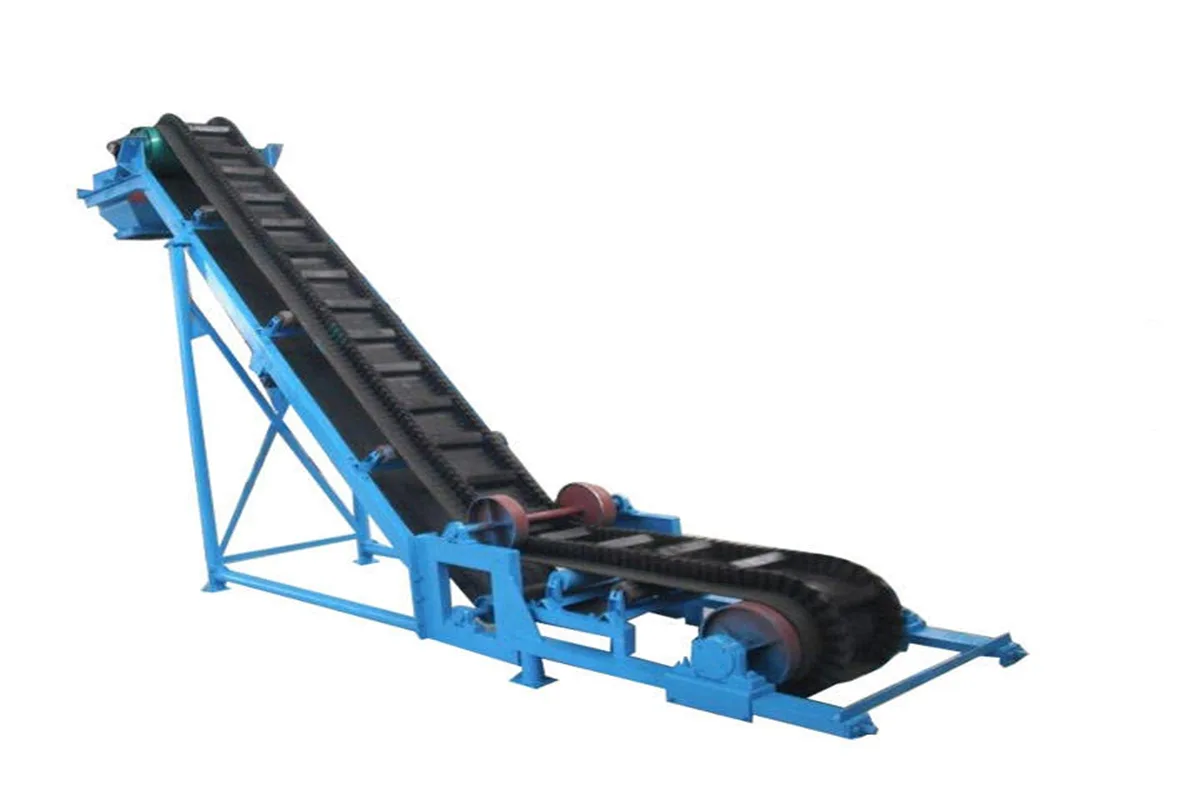
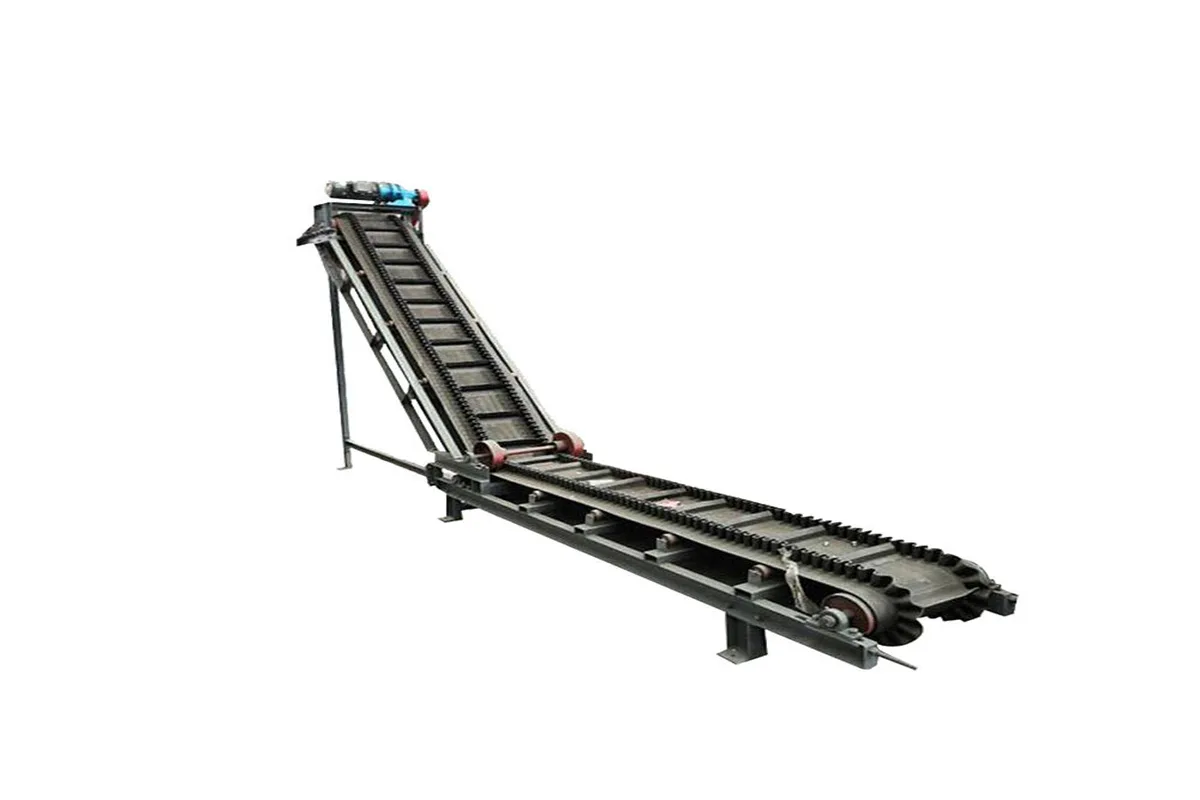
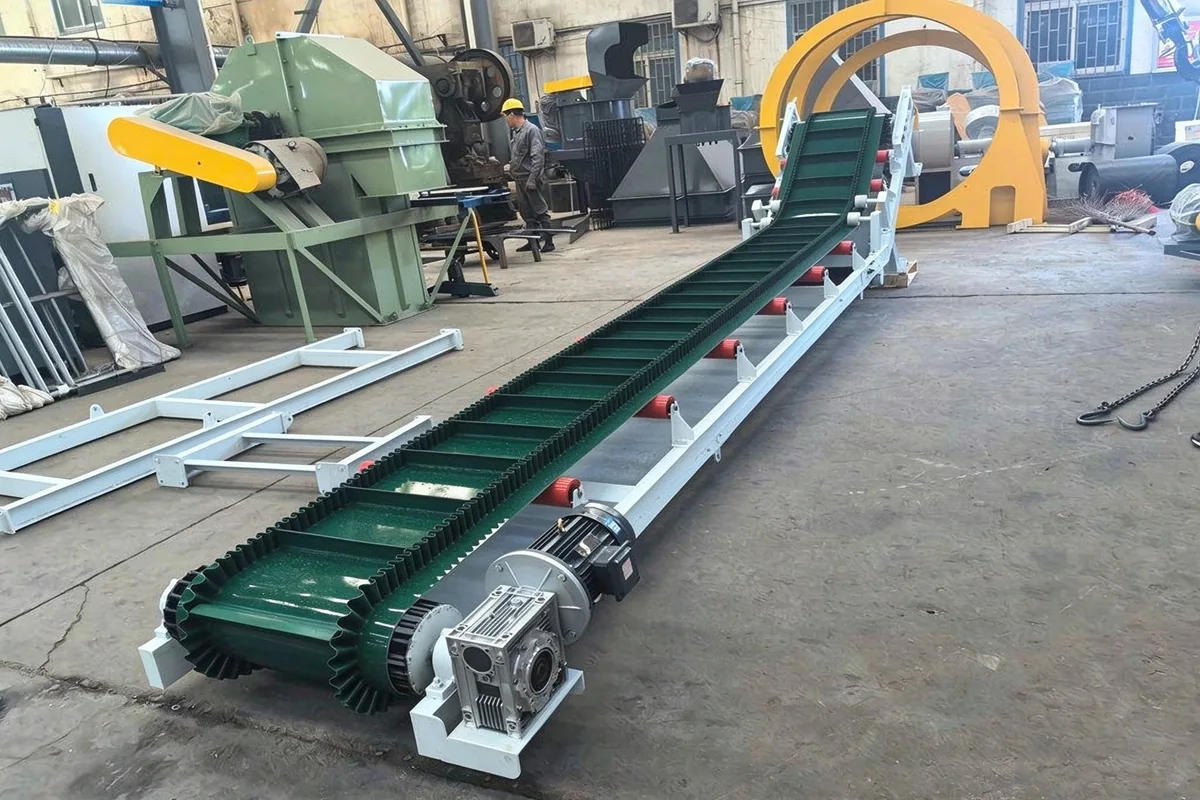
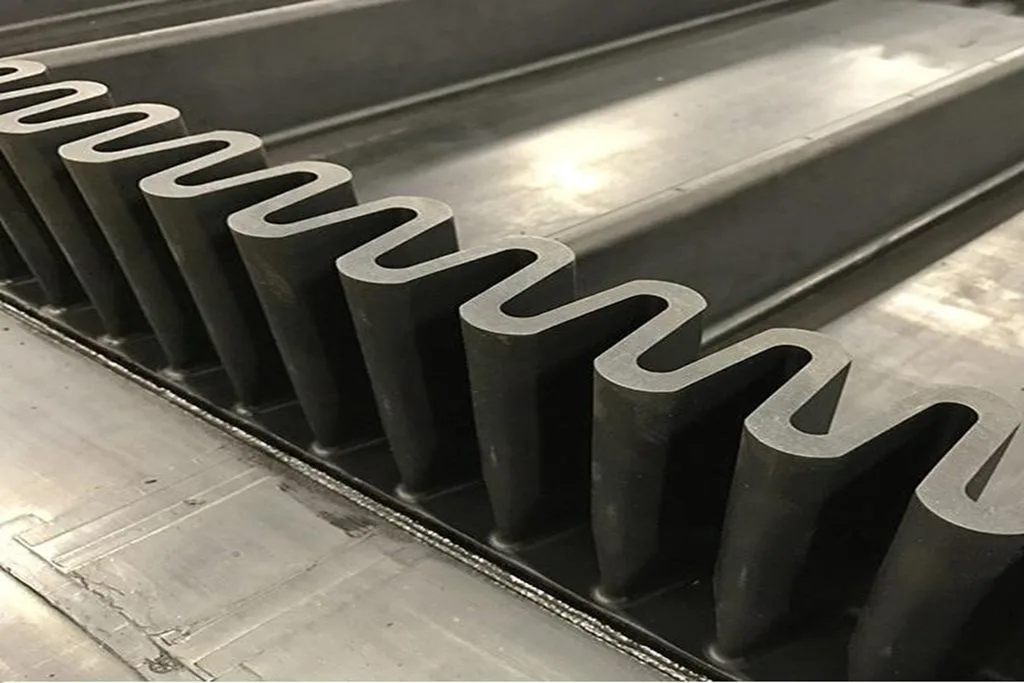
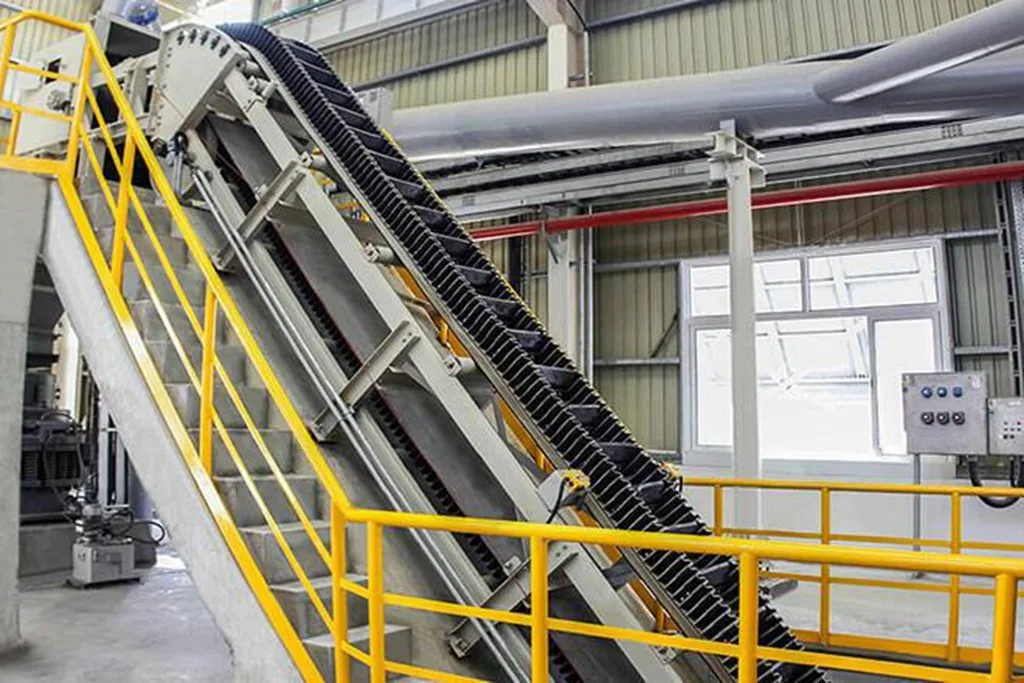
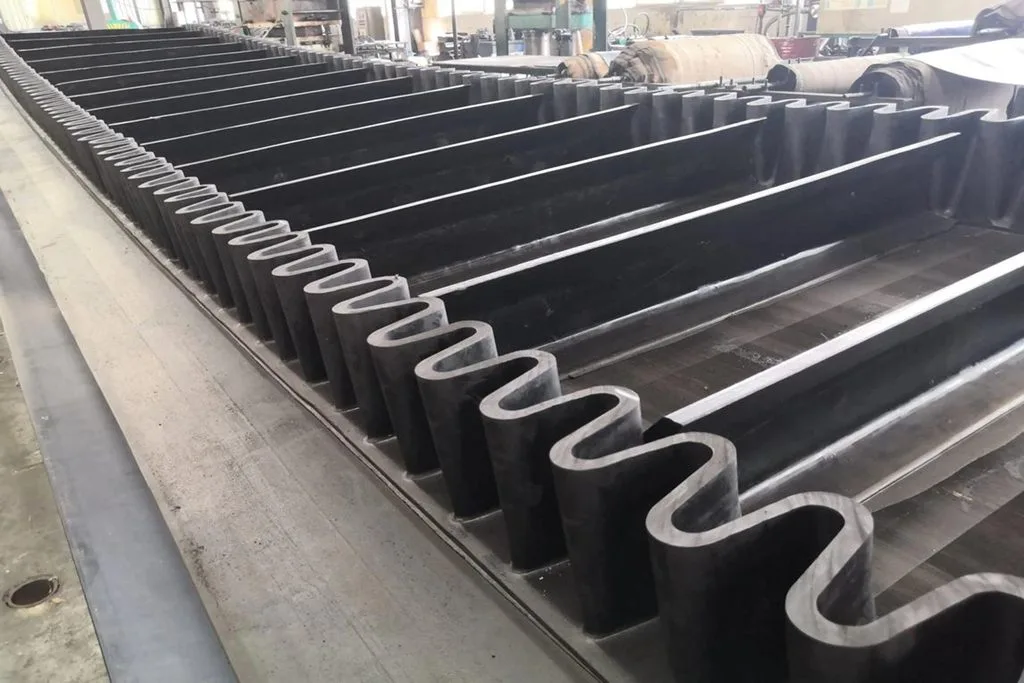
A corrugated sidewall belt conveyor moves bulk material on a belt fitted with raised, flexible sidewalls and transverse cleats. Together, these form pockets that help retain the load as it travels up a steep incline. The arrangement can combine horizontal feeding, inclined lifting, and horizontal discharge within one conveying route.
The GUO FENG DJC range lists lifting angles of 30–90° and standard belt widths of 500–1,200 mm. The usable angle depends on the material and pocket configuration. Listed material limits include bulk density of 0.5–2.5 t/m³, lumps up to 250 mm, and ambient temperatures from −19 to +40°C; confirm the applicable limits for the selected build and duty.
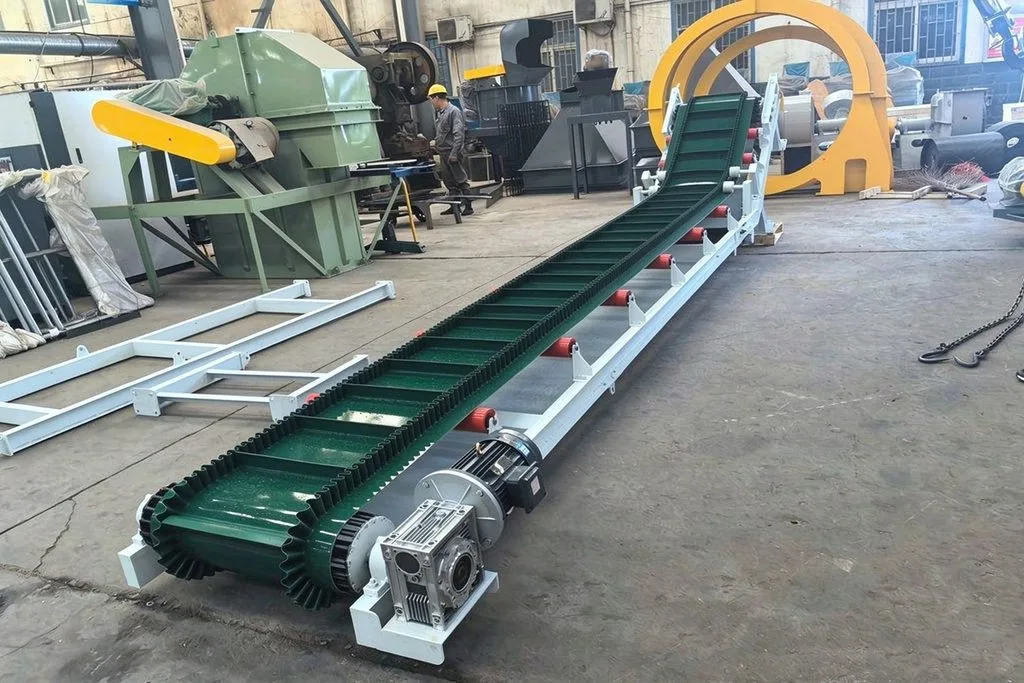
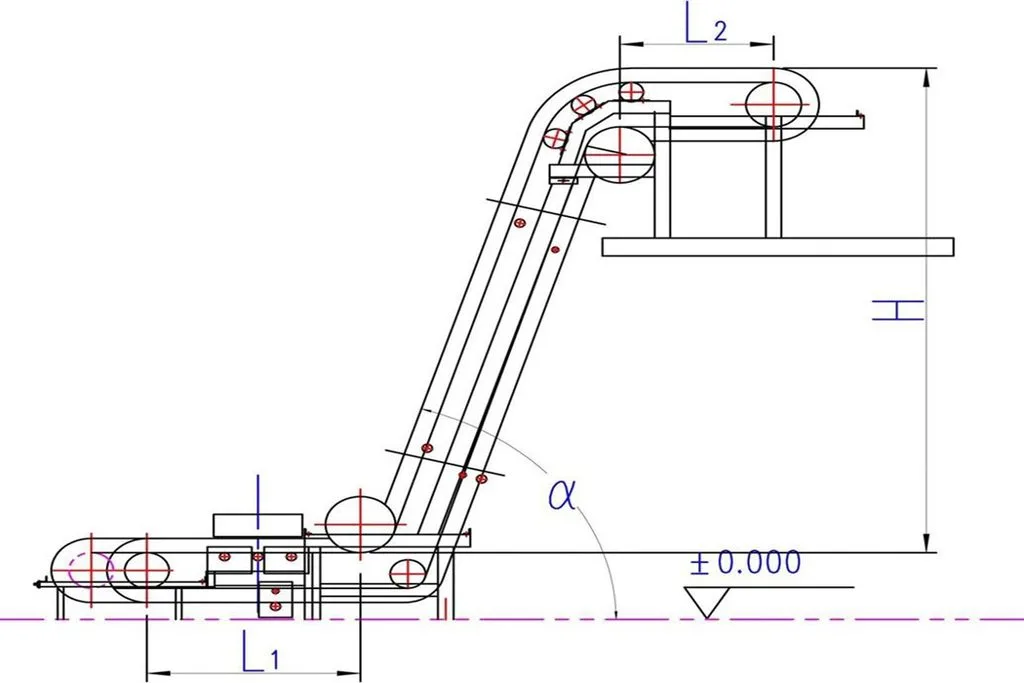
How Does a Sidewall Belt Conveyor Work?
Working Principle
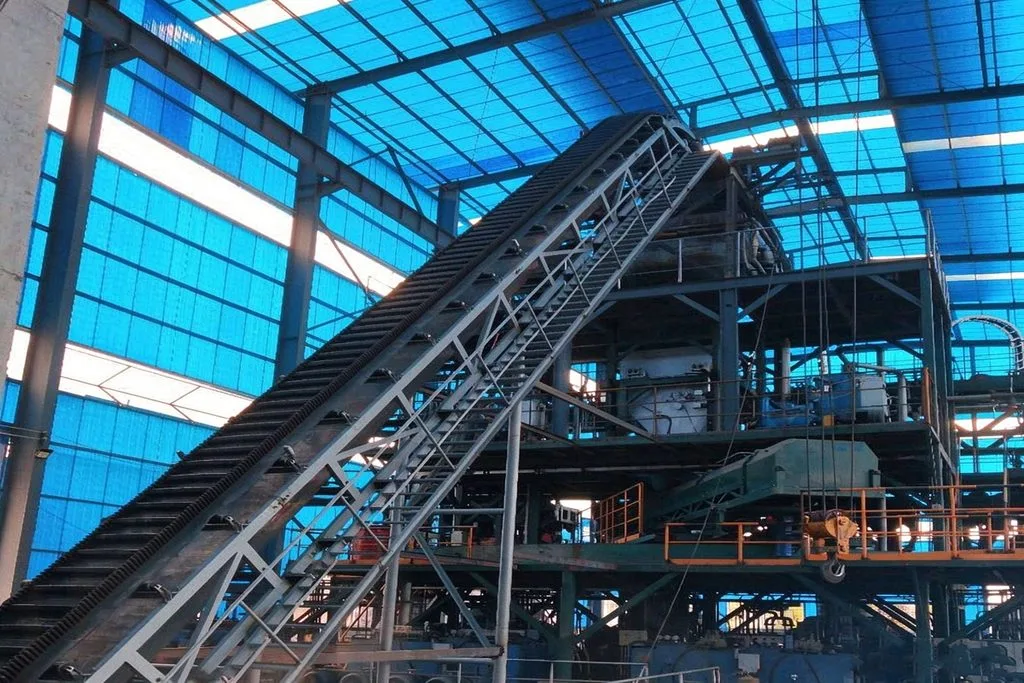
Material is fed onto the loading section and carried in the pockets between the sidewalls and cleats. The drive moves the belt through the incline to the head pulley, where the material leaves through the discharge chute. The return run carries the empty belt back to the loading point.
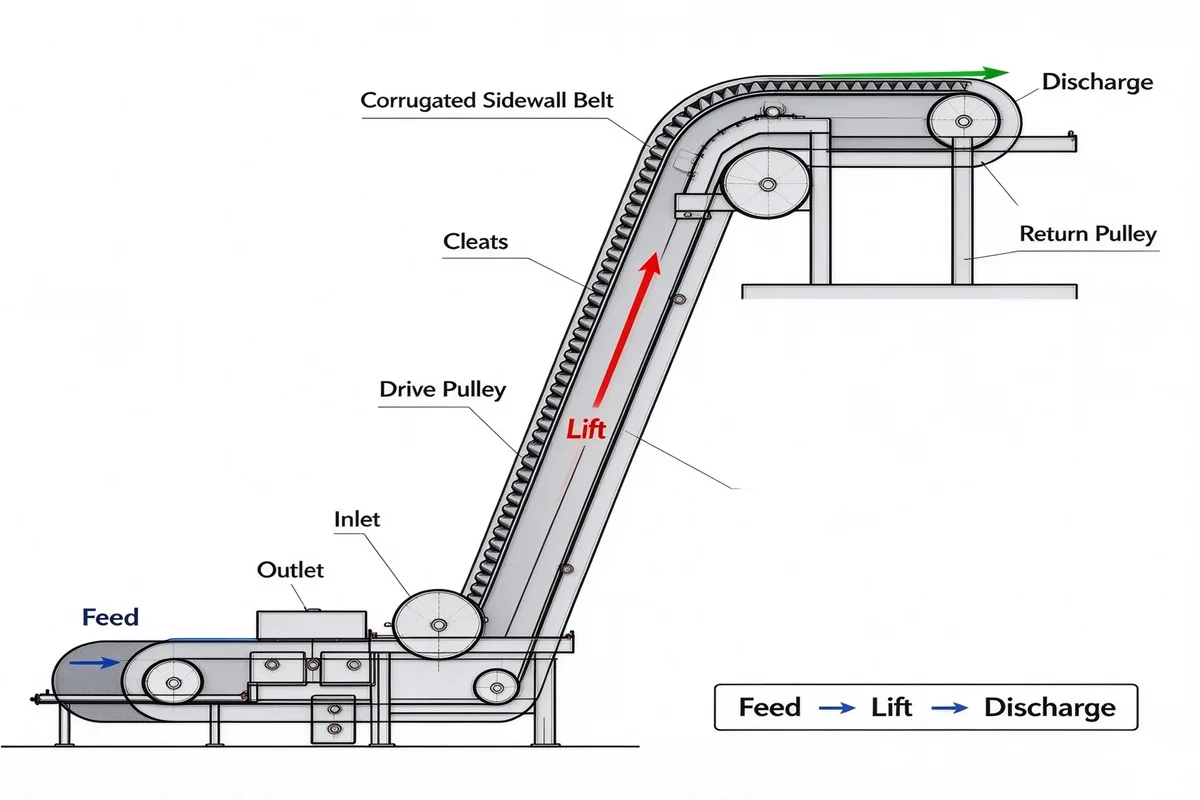
Material Feeding
Material drops from the feed chute onto the horizontal section of the belt, between the two sidewalls.
Inclined Lifting
As the loaded belt enters the incline, the corrugated sidewalls contain the material laterally and the transverse cleats help limit rollback. Pocket size, fill level, and belt speed must suit the selected angle and feed.
Material Discharging
At the head pulley, the belt turns down and the material falls into the discharge chute.
Belt Return
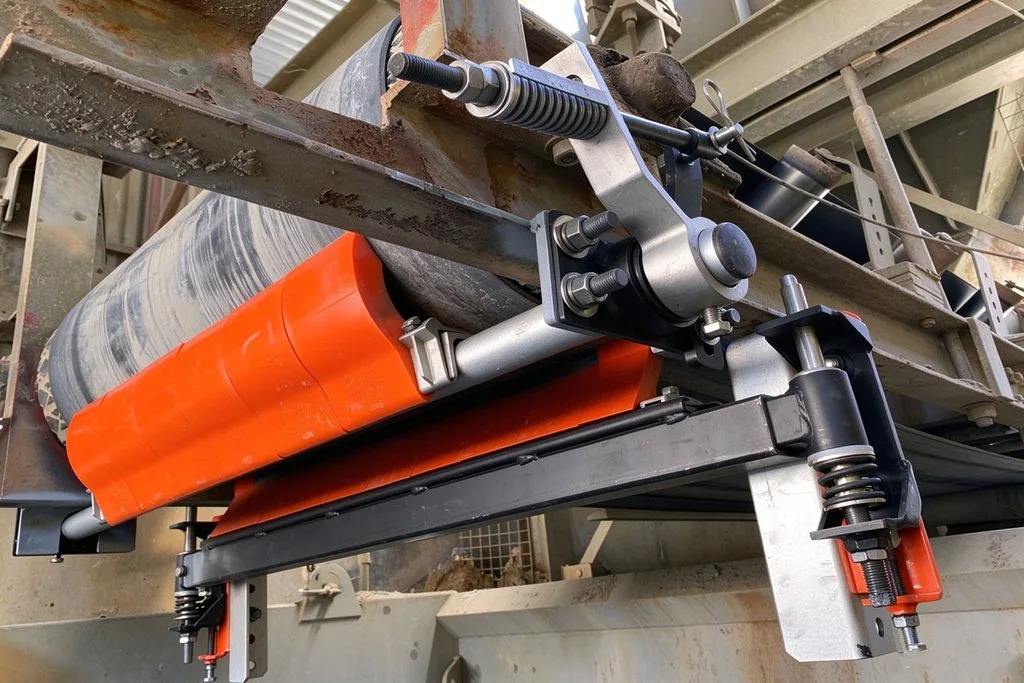
The empty belt returns under the frame, and a cleaner removes carryback before the belt reaches the tail pulley.
Structure
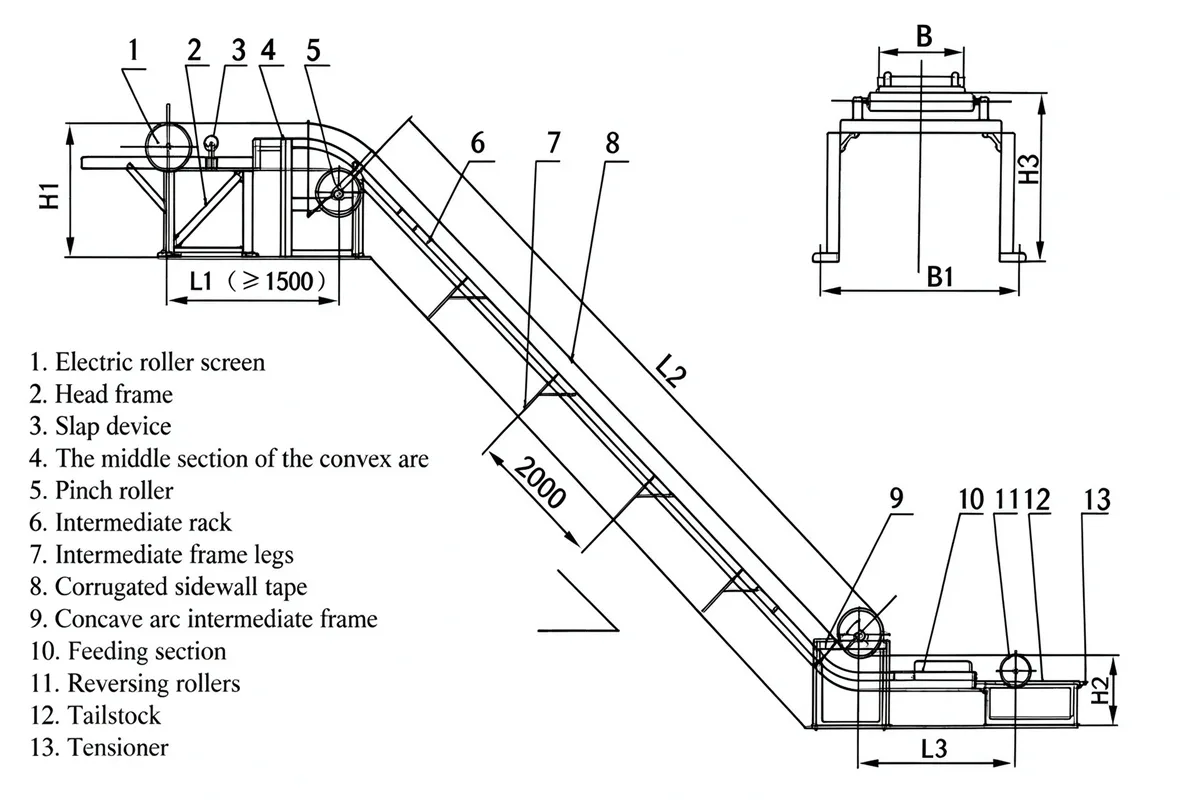
The belt carries the material. The drive, pulleys, idlers, and frame keep it aligned and tensioned.
| Part | Function |
|---|---|
| Corrugated sidewall belt | Carries the material and forms the pockets. |
| Transverse cleats | Hold the material on the incline and prevent rollback. |
| Drive unit | Motor, reducer, and backstop power the belt and hold it on the slope. |
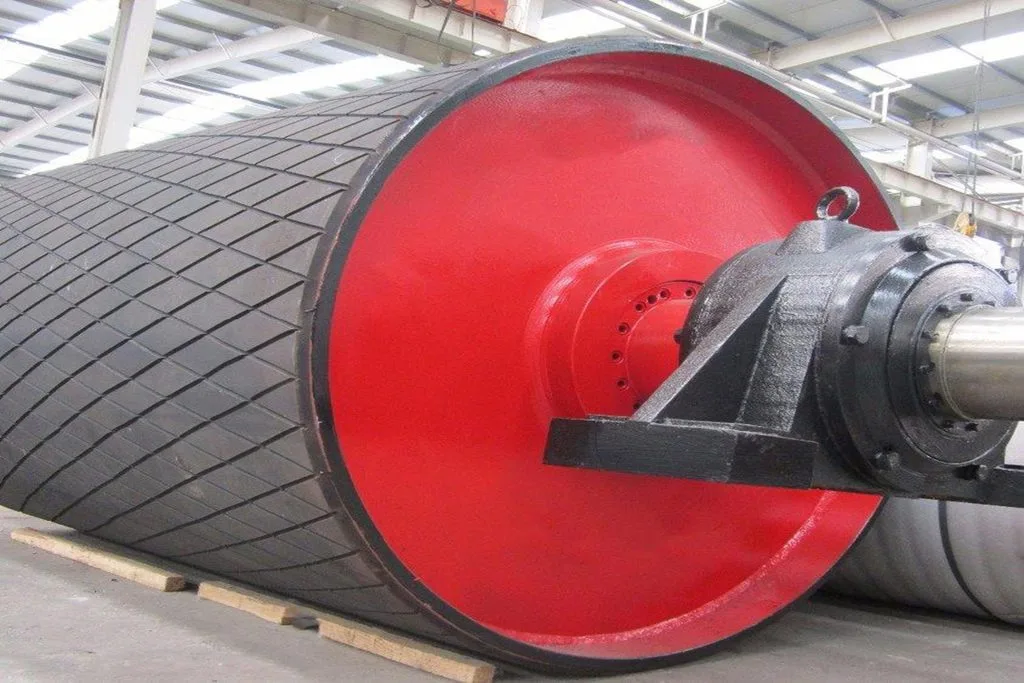
| Drive pulley | Transmits traction to the belt. Lagging increases grip. |
| Bend pulley and press wheels | Turn the belt at the transition and keep the sidewalls upright. |
| Idlers and vertical rollers | Support the belt on the horizontal sections and keep it centered through the transition. Spacing is 800–1,500 mm, and 200–400 mm at the feed. |
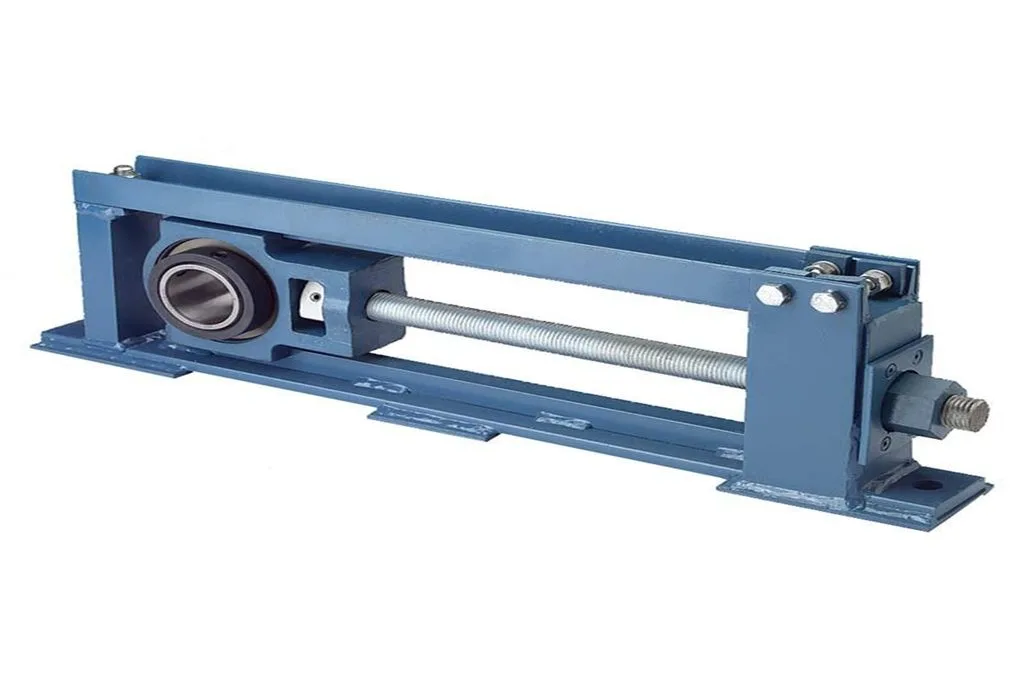
| Take-up unit | Maintains belt tension. Screw, carriage, or vertical type. |
| Frame and skirt board | Holds alignment and contains dust at the transfer points. |
| Belt cleaner | Removes carryback from the return belt. |
| Safety switches | Monitor belt run-off, pull-cord, speed, chute blockage, belt tear, tension, brake, and bearing temperature. |
Base Belt, Corrugated Sidewalls and Cleats
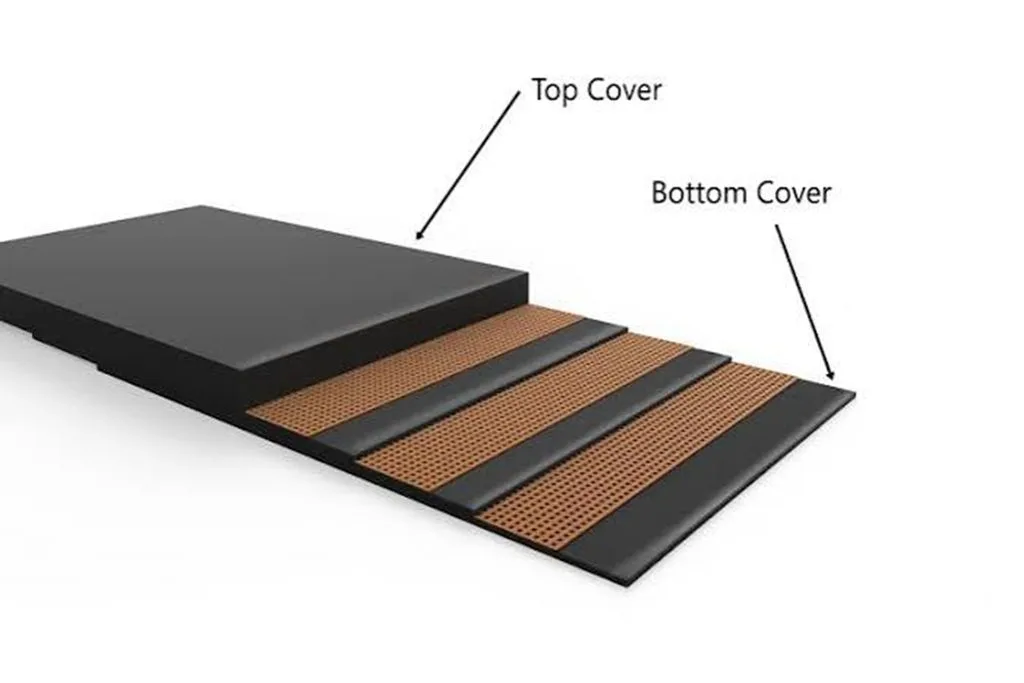
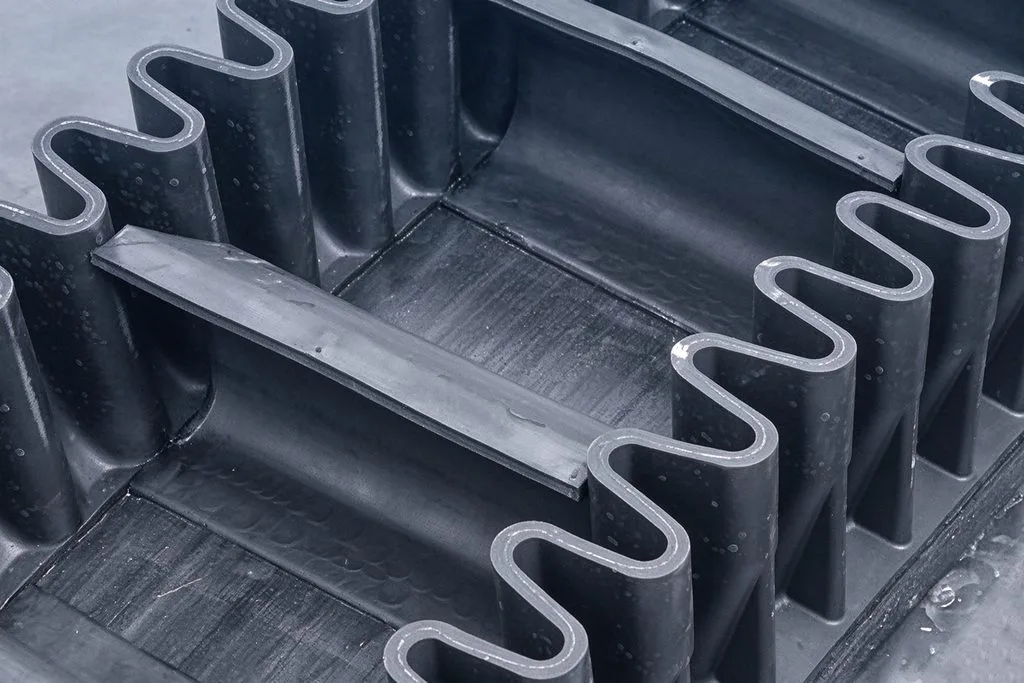
The base belt carries the load and transmits traction. Corrugated sidewalls flex as the belt passes around pulleys, while transverse cleats divide the carrying surface into pockets. Sidewall height, cleat shape, and pitch must work together with the belt width, pulley arrangement, and required lift.
Benefits for Steep Incline Bulk Handling
A sidewall conveyor is useful where the required lift would make a conventional shallow-incline route too long. The belt pockets support continuous bulk handling while the feed and discharge sections can be arranged around the plant layout. Evaluate the complete route, material containment, cleaning access, and drive requirements when comparing systems.
High Conveying Capacity
The DJC specification table lists 45–400 t/h across five standard belt widths. Usable capacity depends on the material, pocket dimensions, belt speed, incline, and feed conditions.
Space-Saving Design
The steep conveying angle reduces the required horizontal distance, making the conveyor suitable for compact plant layouts.
Reduced Material Spillage
Sidewalls and cross cleats help keep materials in place during conveying, reducing spillage and material rollback.
Fewer Intermediate Transfers
A continuous route can combine loading, inclined lifting, and discharge. Where the layout permits, this can reduce intermediate transfer points; the equipment and support requirements depend on the final arrangement.
Sidewall Conveyor vs Other Elevating Systems
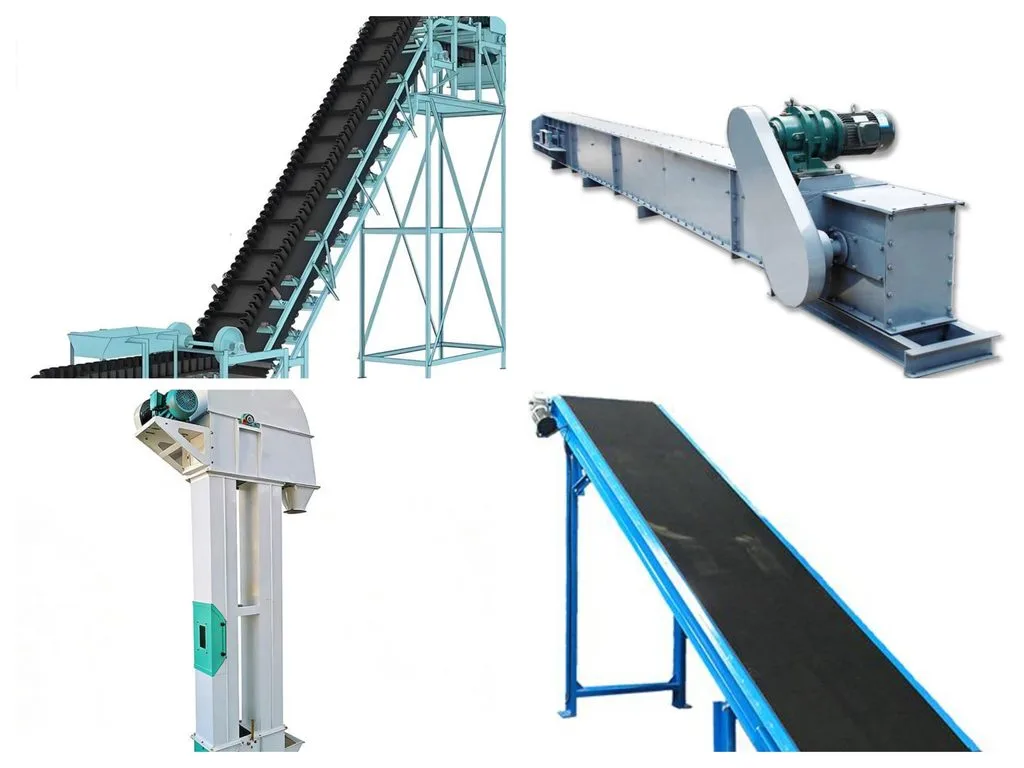
A steep angle belt conveyor is one option for lifting bulk solids in a confined layout. A bucket elevator, conventional inclined belt, or scraper conveyor may be more suitable for another material or route. Compare them at the same throughput and lift, including feed behavior, transfer points, maintenance access, and the complete installed arrangement.
| Selection factor | Sidewall belt conveyor | Bucket elevator | Conventional incline belt | Scraper conveyor |
|---|---|---|---|---|
| Conveying action | Pockets formed by belt, sidewalls, and cleats | Buckets attached to a belt or chain | Material carried on a conventional belt | Flights move material through a trough |
| Route and lift | Steep incline; feed and discharge sections to suit layout | Primarily vertical lifting | Incline limited by material and belt surface | Route depends on the selected conveyor design |
| Capacity | DJC listed range: 45–400 t/h; verify the duty | Confirm selected model and material | Confirm belt width, speed, and incline | Confirm trough size, speed, and material |
| Material selection | Review lump size, pocket fill, moisture, and carryback | Review bucket filling, discharge, and product damage | Review rollback and containment | Review drag resistance, wear, and adhesion |
| Maintenance focus | Sidewalls, cleats, splice, tracking, and cleaning | Buckets, traction element, bearings, and discharge | Belt, idlers, tracking, and cleaning | Chain, flights, trough, and drive |
| Installation review | Transitions, service space, supports, and lift | Tower height, service platforms, and loading | Horizontal run, supports, and transfers | Trough access, supports, and feed interfaces |
For long-distance conveying at a shallow angle, see the TD75 Belt Conveyor.
CONTACT US
Comparing a sidewall belt conveyor with a bucket elevator?
Send the required capacity, vertical lift, material properties, and available layout. GUO FENG can review the conveying route and configuration before preparing a quotation.
Corrugated Sidewall Belt Conveyor Specifications
The DJC series has five standard belt widths: 500, 650, 800, 1,000, and 1,200 mm. The table lists belt length, drive power, speed, and capacity ranges for initial selection. Confirm the route-length definition, lift, bulk density, and pocket configuration before final sizing; listed capacity and power ranges are not guaranteed for every duty.
| Belt width (mm) | Belt length (m) | Power (kW) | Belt speed (m/s) | Capacity (t/h) |
|---|---|---|---|---|
| 500 | ≤12 | 3 | 1.3–1.6 | 45–100 |
| 500 | 12–20 | 4–5.5 | 1.3–1.6 | 45–100 |
| 500 | 20–30 | 5.5–7.5 | 1.3–1.6 | 45–100 |
| 650 | ≤12 | 4 | 1.3–1.6 | 70–120 |
| 650 | 12–20 | 5.5 | 1.3–1.6 | 70–120 |
| 650 | 20–30 | 7.5–11 | 1.3–1.6 | 70–120 |
| 800 | ≤6 | 4 | 1.3–1.6 | 120–180 |
| 800 | 6–15 | 5.5 | 1.3–1.6 | 120–180 |
| 800 | 15–30 | 7.5–15 | 1.3–1.6 | 120–180 |
| 1,000 | ≤10 | 5.5 | 1.3–2.0 | 160–250 |
| 1,000 | 10–20 | 7.5–11 | 1.3–2.0 | 160–250 |
| 1,000 | 20–40 | 11–12 | 1.3–2.0 | 160–250 |
| 1,200 | ≤10 | 7.5 | 1.3–2.0 | 200–400 |
| 1,200 | 10–20 | 11 | 1.3–2.0 | 200–400 |
| 1,200 | 20–40 | 15–30 | 1.3–2.0 | 200–400 |
How to Select a Steep Incline Belt Conveyor
Start with the material and the elevation change. Then establish the conveyor route, belt-pocket dimensions, and drive duty. A steep incline belt conveyor must be evaluated as a complete system: increasing belt width or motor power alone does not establish the required capacity.
Step 1: Material
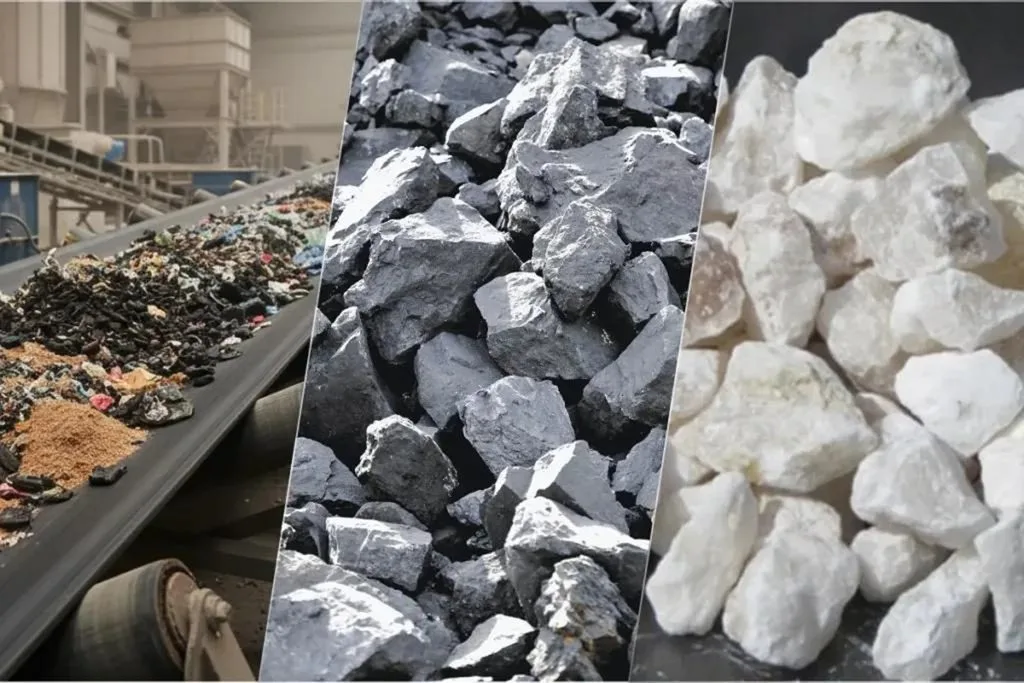
Provide the bulk density, maximum lump size, size distribution, moisture, and material temperature. Sticky or highly moist feed is not recommended for the listed DJC configuration because it can cause carryback and blockage. Hot, oily, or chemically aggressive material requires a suitable belt compound and a review of the operating conditions.
Step 2: Angle and Lift
Set the incline from the required vertical lift and the available horizontal space. For a straight inclined section, length = vertical lift ÷ sin(incline angle). Add horizontal loading and discharge sections and allow for transitions when estimating the route. Determine the closed-loop belt length separately from the final pulley arrangement.
Step 3: Belt Width, Sidewall, and Cleat
Use the required throughput to shortlist the belt width, then check the largest lumps against the usable pocket opening. Sidewall height, cleat shape and pitch, feed chute dimensions, and loading clearance all affect whether material can enter and remain in the pockets.
Step 4: Drive and Starts
Use the specifications table to determine the power range corresponding to the selected width and conveyor length, then verify the drive calculation results, including actual throughput, lift height, resistance, transmission efficiency, and starting load. If the conveyor will experience frequent starts or handle heavy materials, recheck these values; do not automatically increase the power in incremental steps. Confirm the stop devices and other safety equipment for the selected slope and drive type.
Preliminary Selection Example: Limestone at 55°
| Input | Value |
|---|---|
| Material | Limestone, 1.4 t/m³, max 150 mm |
| Capacity | 200 t/h |
| Angle / lift | 55° / 18 m |
| Belt width / speed | 1,000 mm / 1.6 m/s |
| Sidewall / cleat | 300 mm / TC, 250 mm pitch |
| Power | 11–12 kW table range for a 1,000 mm belt and 20–40 m route; final drive subject to duty calculation |
This is an illustrative sizing exercise, not a documented customer installation or a final equipment selection. An 18 m lift at 55° gives a straight incline length of approximately 22.0 m, before horizontal sections and transitions. Lifting 200 t/h through 18 m requires approximately 9.81 kW for the material alone. Belt resistance, transmission losses, and starting conditions must also be included before choosing the drive.
Belt Grades, Layout and Configuration Options
The sidewall belt conveyor can be configured around the material, required capacity, lift, and feed and discharge positions. Standard belt widths are 500–1,200 mm; wider belts and other special arrangements require separate confirmation. Identify the required options in the quotation and layout drawing.
| Option | Choices | What it solves |
|---|---|---|
| Belt width | 500 / 650 / 800 / 1,000 / 1,200 mm standard; 1,400–1,600 mm available | Capacity and lump size |
| Angle and lift | 30–90° inclined section; horizontal feed/discharge sections as required; lift up to 40 m subject to duty calculation | Layout and height |
| Sidewall and cleat | Sidewall 40–300 mm, 9 heights; cleat T / C / TC, 100–500 mm pitch | Lump size and material flow |
| Belt speed | 500–800 mm belts: 1.3–1.6 m/s; 1,000–1,200 mm belts: 1.3–2.0 m/s; other speeds require separate confirmation | Capacity and wear |
| Belt grade | EP/NN; abrasion, heat 60 / 120 / 150°C, oil, acid/alkali, anti-static, food-grade, cold-resistant | Temperature and chemistry |
| Drive and voltage | Open gear motor or motorized pulley; fixed or variable speed; explosion-proof; 380–480 V, 50/60 Hz | Site power and control |
| Frame and surface | Carbon steel painted, hot-dip galvanized, 304/316 stainless; bolted or welded; enclosed cover; walkway; paint color and nameplate | Corrosion and dust |
| Feed and discharge | Hopper, chute, vibrating feeder, belt feeder; feed/discharge elevations and transitions to the approved layout drawing | Layout and upstream equipment |
| Controls and safety | Local box, VFD, PLC interface; run-off, pull-cord, speed, blockage, tear, temperature, backstop | Automation and safety |
| Documentation and packing | English manual, GA drawing, test report; export packing and any required conformity documentation to be agreed for the project | Export and commissioning |
CONTACT US
Don’t see your option in the table?
Send the material, capacity, lift, and site constraints. GUO FENG can review the belt, drive, and frame arrangement; quotation timing and delivery are confirmed for the agreed scope.
Bulk Material Handling Applications
Corrugated sidewall belt conveyors are used where bulk material must be raised within a limited horizontal distance. The following applications are starting points for selection. Check material temperature, abrasiveness, dust characteristics, moisture, and allowable product damage for the proposed duty.

Building Materials Industry
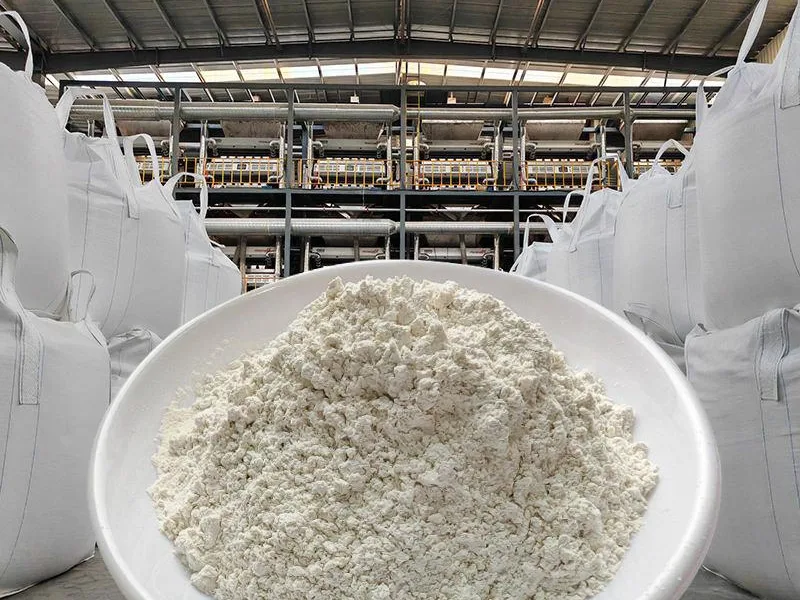
Limestone, sand, gravel, cement, and suitably cooled clinker may be considered for lifting to silos or other process equipment. Select the belt grade and pocket dimensions for the temperature, abrasiveness, and largest particles. Dust control also depends on the loading and discharge enclosures.
Energy Industry
Coal, coke, and coal gangue require attention to dust, material temperature, and the operating environment. Sidewalls and cleats help retain the load, while the feed and discharge arrangements and required protective equipment need review for the installation.

Chemical Industry
Fertilizer granules, urea, and selected chemical solids require a check of moisture sensitivity and belt compatibility. Materials that become sticky during handling need particular review. Confirm product damage, carryback, and cleanability with the actual material.

Agriculture Industry
Grain, soybean meal, and feed pellets may require limits on particle damage and careful dust control. Confirm the belt contact requirements and select feed geometry, speed, and discharge conditions for the product.
Mining and Metallurgy Industry
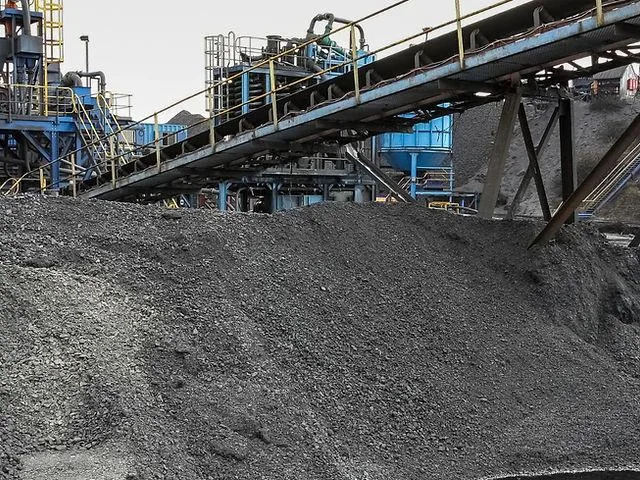
Ore, mineral products, and suitably cooled slag can create high wear and impact loads. Confirm the maximum lump size, feed impact, temperature, and bulk density when selecting the belt, cleats, sidewalls, and support arrangement.
Port and Logistics Industry
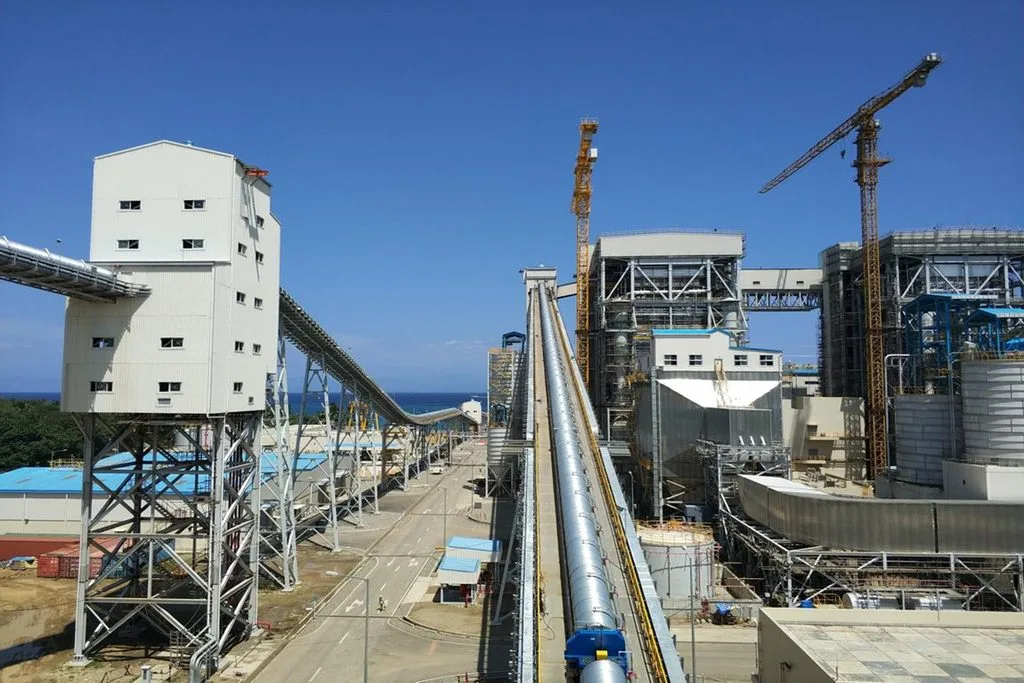
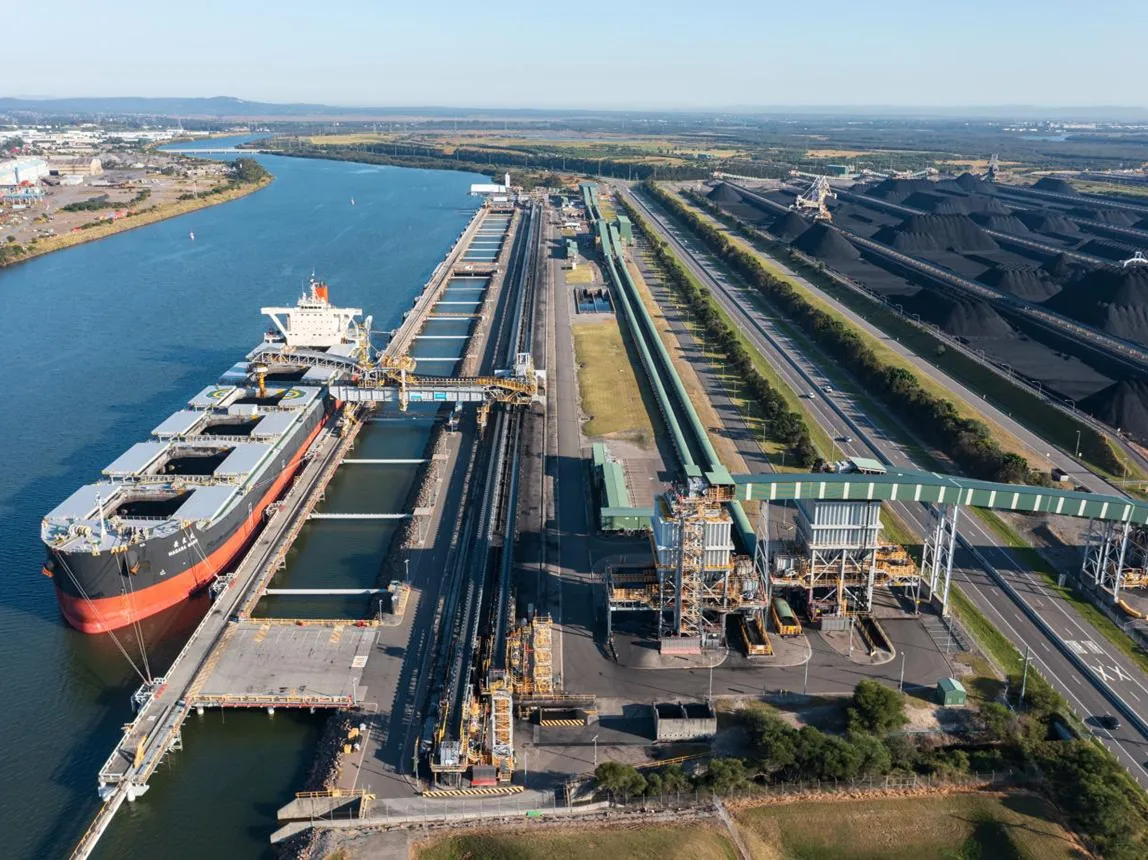
Ports and bulk terminals are responsible for transporting coal, ore, grain, and fertilizer between the docks and storage yards. High-angle conveyors are suitable for terminals with limited space and help reduce the number of transfer points.
For marine terminal installations, review OSHA conveyor safety requirements for guarding, emergency stops, and maintenance isolation.
DJC Sidewall Conveyor Supply and Project Support
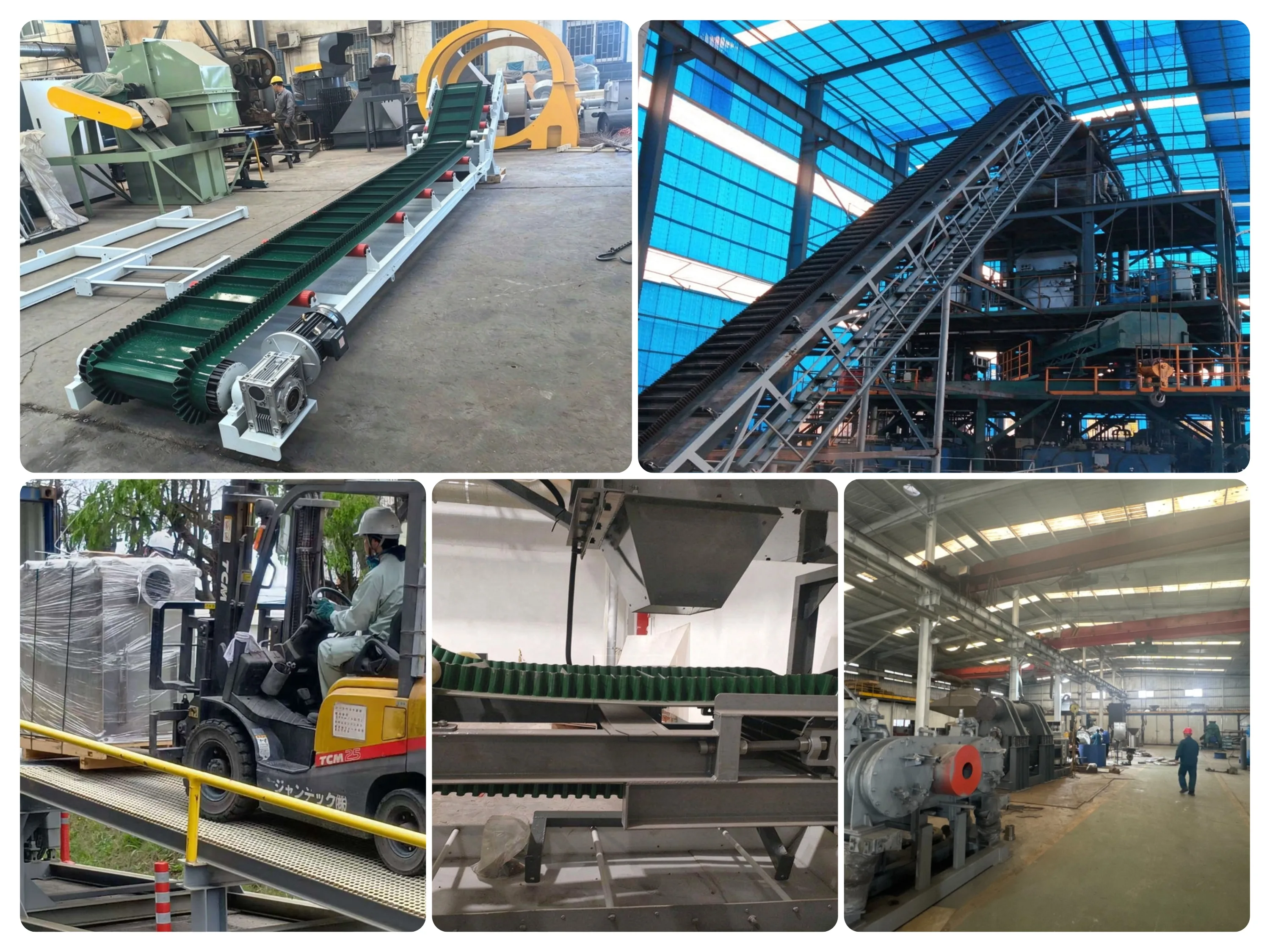
GUO FENG supplies DJC conveyors with configurable belt widths, sidewall heights, cleat types, belt grades, drives, and frame finishes. For a corrugated sidewall belt conveyor quotation, provide the material data, required throughput, vertical lift, feed and discharge elevations, and site drawing. Agree the scope of supply, inspection arrangements, recommended spares, and installation responsibilities before ordering.
Sidewall Belt Conveyor FAQ
Is a sidewall conveyor the same as a steep incline belt conveyor?
Sidewall conveyor describes the belt arrangement; steep incline belt conveyor describes the lifting duty. The DJC uses corrugated sidewalls and transverse cleats to retain bulk material in pockets. Other steep-angle designs also exist, so compare the belt construction, material suitability, route, and required lift rather than relying on the equipment name alone.
What incline can a corrugated sidewall belt conveyor handle?
The stated incline range for the DJC lifting section is 30–90°. Horizontal feed and discharge sections can be included in the layout. The usable incline depends on the material and belt-pocket configuration, so 90° is not a rating for every material. Sticky or highly moist material is not recommended; a lower angle alone does not establish suitability.
Can a sidewall belt conveyor replace a bucket elevator?
It can be considered where a single conveying route suits the material and layout. The DJC specification table covers 45–400 t/h across five standard belt widths; it is not a blanket replacement rating for bucket elevators. Compare both options at the actual throughput and lift, including drive power, material behavior, transfer points, and maintenance access. Selection outside the listed range requires separate assessment.
How do I choose belt width and sidewall height?
Start with the required tonnage and use the specification table to shortlist a belt width. Then confirm the largest lump against the usable pocket opening, sidewall height, cleat pitch, and feed clearance. Available sidewalls are 40–300 mm and cleat pitches 100–500 mm. The example uses 150 mm limestone, a 1,000 mm belt, 300 mm sidewalls, and 250 mm pitch as a preliminary configuration, subject to engineering confirmation.
What capacity does a 1,000 mm belt handle?
The specification table lists 160–250 t/h for the 1,000 mm belt at 1.3–2.0 m/s, using a reference bulk density of 1.0–1.6 t/m³. Actual capacity and power must be checked for the selected route length, lift, material, and pocket configuration. A change in density does not automatically establish a higher approved capacity.
Can it handle wet, sticky, or hot material?
Sticky or highly moist material is not recommended because of carryback and blockage risk. Suitability depends on the actual material rather than a universal moisture percentage. The customization table lists heat-resistant belt grades of 60, 120, and 150°C; confirm the permitted material temperature, exposure duration, and operating conditions for the selected grade. Acid, oil, and food-grade duties require suitable special belts.
What drives the price, and what does the quote include?
Price depends on the belt grade and dimensions, drive, pulleys, idlers, frame, controls, assembly, and inspection requirements. Compare itemized quotations for the same duty. Confirm the included belt, drive, frame, controls, documentation, and packing, together with delivery terms, installation responsibilities, and any exclusions. Lead time is confirmed for the agreed order.
How long do the sidewall and cleats last?
Sidewall and cleat life depends on the material, loading, temperature, operating hours, tracking, and cleaning conditions. Inspect the profile-to-belt bonds, cleat roots, bends, and splice for cracking, separation, or wear. Agree inspection intervals and replacement criteria for the actual duty rather than relying on a fixed service-life figure.
How is it installed, and what maintenance does it need?
Installation includes positioning and securing the structure, fitting and splicing the belt, setting tension, aligning the pulleys, and checking the controls and protective devices. Follow the equipment-specific commissioning procedure. During service, inspect belt tracking, sidewalls, cleats, splice, pulleys, bearings, and take-up travel. Isolate all energy sources before maintenance.